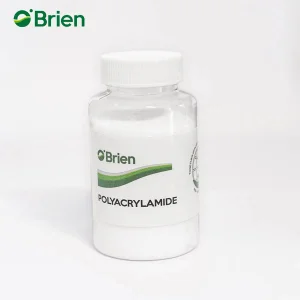
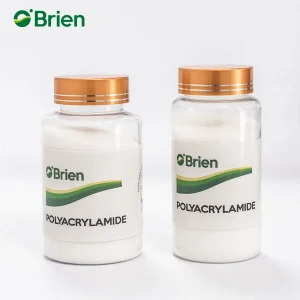
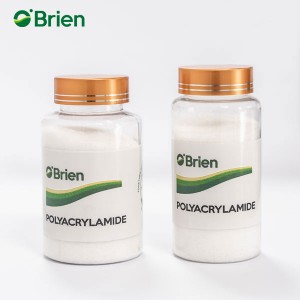
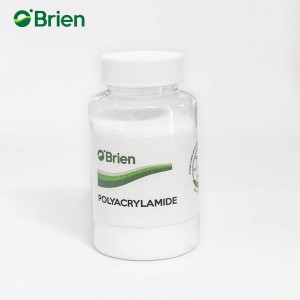
Explore our premium-grade Anionic, Nonionic, and Cationic PAM formulations synthesized for severe industrial solid-liquid separation.
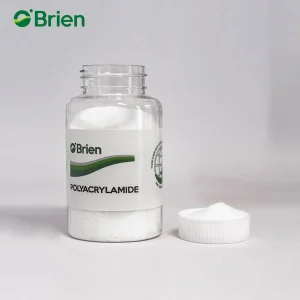
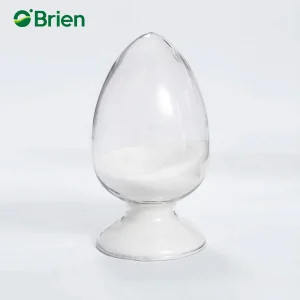
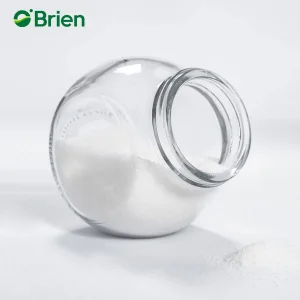
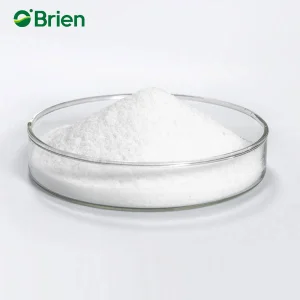
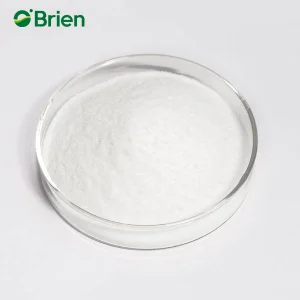
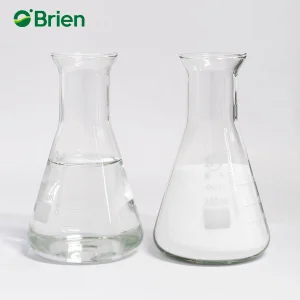
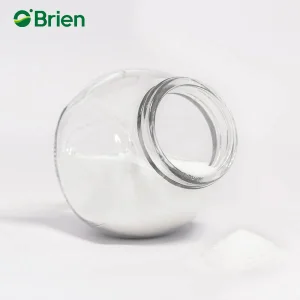
An engineering overview of polymer synthesis, charge density kinetics, molecular weight tailoring, and global procurement trends.
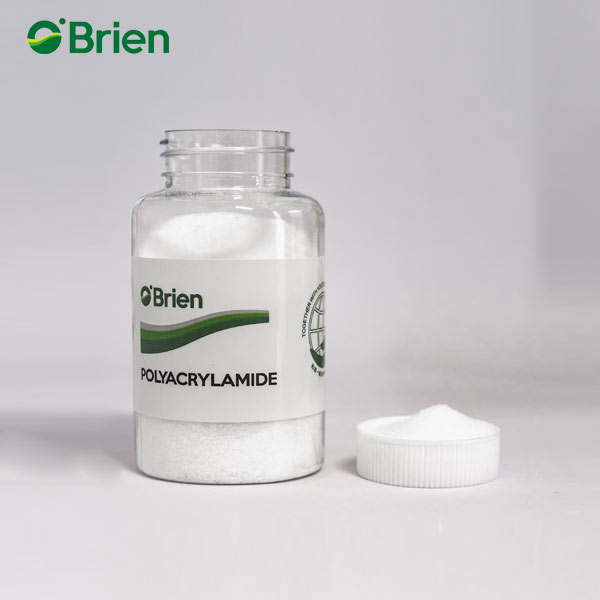
Polyacrylamide (PAM) is a linear synthetic resin synthesized through the polymerization of acrylamide ($CH_2=CH-CONH_2$) monomers. In its anionic configuration (Anionic Polyacrylamide / APAM), the polymer backbone incorporates negatively charged carboxylate groups ($-COO^-$), predominantly created via the copolymerization of acrylamide with acrylic acid or sodium acrylate, or through the partial alkaline hydrolysis of polyacrylamide homopolymers. As a highly soluble water-borne macromolecule, APAM functions as an indispensable chemical agent—serving as a high-performance flocculant, coagulant aid, rheology modifier, and drag reduction polymer across heavy industries worldwide.
The operational effectiveness of Anionic Polyacrylamide relies on two fundamental macromolecular parameters: Molecular Weight (MW), which ranges from 5 Million to upwards of 25 Million Daltons, and Degree of Hydrolysis (Charge Density), typically ranging between 5% and 80% mol. When introduced into aqueous suspensions containing positively charged suspended solids, minerals, or colloids, APAM operates via dual mechanisms: charge neutralization and long-chain polymer bridging.
In industrial solid-liquid separation, particulate matters often carry surface electrical charges that maintain colloidal stability, preventing natural gravity settling. Anionic Polyacrylamide molecules feature ultra-long polymer chains that extend into the solvent. The carboxylate functional groups bind to active sites on multiple suspended particles simultaneously, forming large, dense micro-flocs known as "bridges." These micro-flocs aggregate rapidly into heavy macro-flocs, increasing settling velocity by several orders of magnitude in accordance with Stokes' Law:
Where v is the settling velocity, r is the aggregate floc radius, ρ_p is particle density, ρ_f is fluid density, and η is dynamic viscosity. By vastly increasing the effective particle radius (r) through polymer bridging, APAM dramatically accelerates solid-liquid separation in thickeners, clarifiers, and centrifuges, reducing retention times and expanding plant processing capacities.
The global market for Anionic Polyacrylamide flocculants is experiencing robust expansion, driven by stringent environmental regulations, growing water scarcity, and intensive mineral processing requirements. Industrial applications across North America, Europe, Asia-Pacific, and the Middle East require precise polymer specifications tailored to distinct pH levels, ionic strengths, and thermal conditions.
| Polymer Grade | Molecular Weight (Million Daltons) | Degree of Hydrolysis (%) | Primary Industrial Application |
|---|---|---|---|
| Ultra-High MW APAM | 18.0 - 25.0 | 20% - 30% | Tertiary Oil Recovery (EOR), Coal Washing Tailings, High-Speed Clarification |
| High MW Standard APAM | 12.0 - 18.0 | 25% - 40% | Municipal Wastewater Settlement, Paper Industry Retention & Strength Agent |
| Medium MW APAM | 8.0 - 12.0 | 10% - 20% | Acidic Industrial Effluents, Neutral Mineral Slurries, Sugar Juice Clarification |
| Low MW APAM / Dispersant | 3.0 - 8.0 | 5% - 15% | Scale Control, Drilling Mud Thinning, Clay Dispersion & Pigment Processing |
Combining bio-catalytic monomer synthesis, global raw material sourcing, and advanced automated production lines.
Oubo Chemical Co., Ltd. was established in 2011 and is strategically situated in the Free Trade Zone of Qingdao, China. Operating within a tax-advantaged global logistics hub, Oubo Chemical has demonstrated a sustained annual business growth rate exceeding 10% over the past decade. The company is deeply committed to technical innovation, rigorous product quality control, and minimizing environmental impact throughout polymer synthesis and field application.
With annual production capacity breaking through 50,000 Metric Tons in 2018, Oubo Chemical stands as a premier global manufacturer of Cationic Polyacrylamide (CPAM), Anionic Polyacrylamide (APAM), and Nonionic Polyacrylamide (NPAM). The entire quality management infrastructure is certified under ISO 9001:2008, ensuring that every batch meets exact international engineering specifications.
Oubo utilizes enzymatic bio-catalytic methods to convert acrylonitrile to acrylamide. This patented biological approach yields monomer purity over 99.9% with minimal residual toxic acrylamide (AM < 0.05%), resulting in longer polymer chains with ultra-high molecular weight.
All primary raw materials are procured through long-term strategic alliances with world-class petrochemical leaders such as SINOPEC and Eni. Automated monomer production lines guarantee chemical consistency across all production cycles.
Every production batch undergoes a rigorous 3-step analytical quality control verification before dispatch (testing molecular weight, charge density, dissolution rate, and insolubles content) conducted by experienced chemical engineers.
Oubo Chemical invests heavily in continuous technical innovation, dedicating over €2 Million annually to research and development. Our dedicated technical team participates throughout the pre-sales, sales, and post-sales workflow—assisting client engineers with jar testing, polymer selection, dissolution system design, and continuous operational optimization to maximize dewatering performance while lowering overall chemical consumption costs.
Leading worldwide Polyacrylamide manufacturer utilizing patented biological synthesis methods with continuous R&D accumulation.
Fully integrated supply chain, ISO9001 certified automation, tier-1 raw materials, and triple-stage batch quality inspection.
Over 8 years of specialized focus delivering superior polymer quality, competitive direct factory pricing, and rapid delivery.
Dedicated engineering team supporting laboratory Jar Tests, polymer selection, and full chemical dosing guidance.
Tailored Polyacrylamide solutions delivering high operational efficiency across municipal, industrial, and resource extraction sectors.
As an essential primary flocculant, Polyacrylamide is used extensively in industrial solid-liquid separation processes including sedimentation, clarification, thickening, and mechanical sludge dewatering (via belt filter presses, decanter centrifuges, and screw presses). Increasingly stringent global environmental regulations continue to accelerate demand for advanced polymer flocculants.
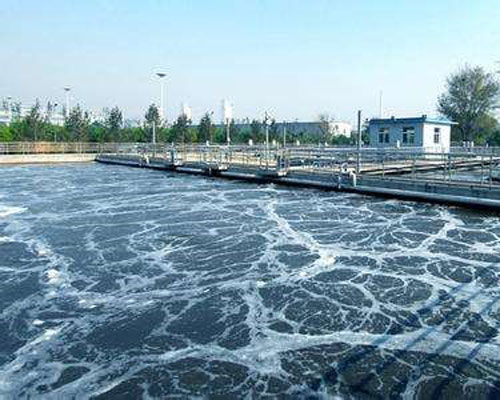
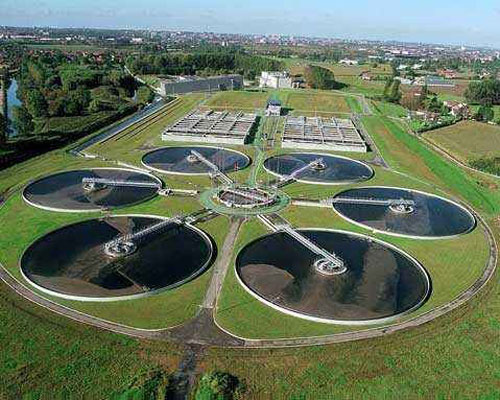
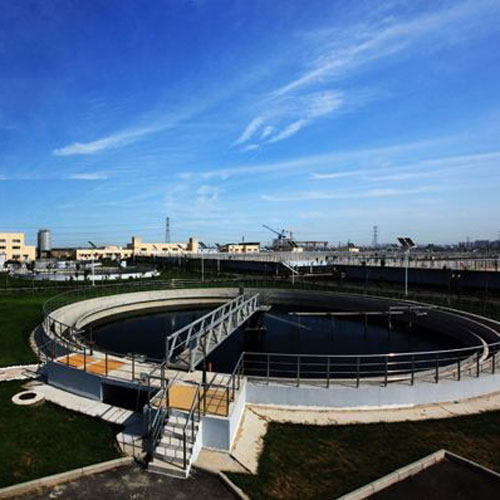
For municipal sewage treatment, APAM and CPAM assist in primary clarification and secondary activated sludge settlement. Key industrial sectors utilizing Oubo PAM include leather processing, paper manufacturing, citric acid production, vegetable protein extraction, textile dyeing, pharmaceuticals, incense production, and heavy industrial wastewater purification.
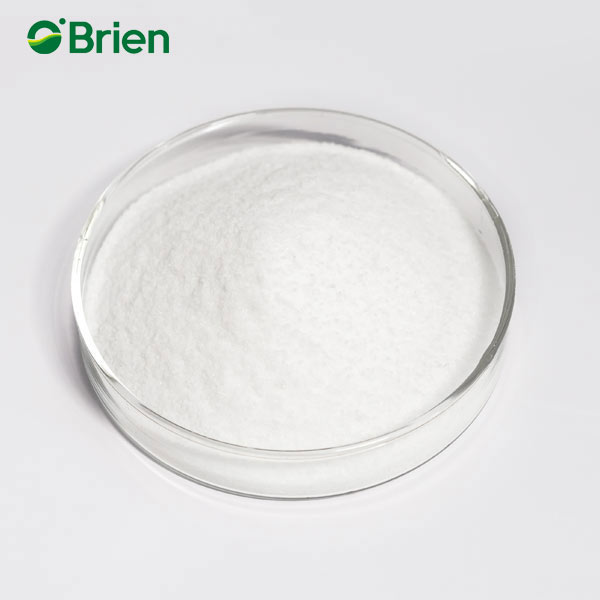
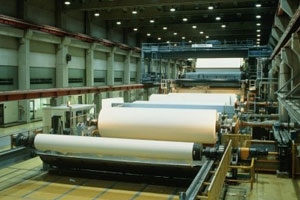
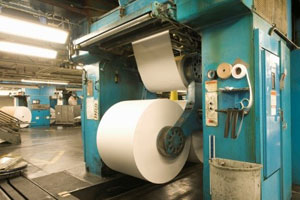
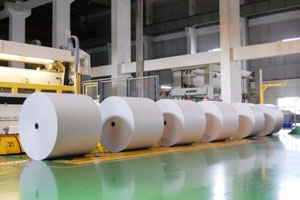
In paper manufacturing, Polyacrylamide functions as a high-performance dry strength agent, retention aid, and filter aid. Implementing tailored PAM formulations significantly improves finished paper quality, enhances physical sheet strength, reduces fine fiber loss, clarifies process white water, and accelerates de-inking flocculation.
Anionic Polyacrylamide plays a vital role in oil field exploration, profile control, well plugging, hydraulic fracturing fluids, and drilling fluid additives. High Molecular Weight Hydrolyzed Polyacrylamide (HPAM) serves as a rheology modifier to control fluid loss, inhibit shale hydration, lubricate drill strings, transport cuttings, and stabilize wellbores.


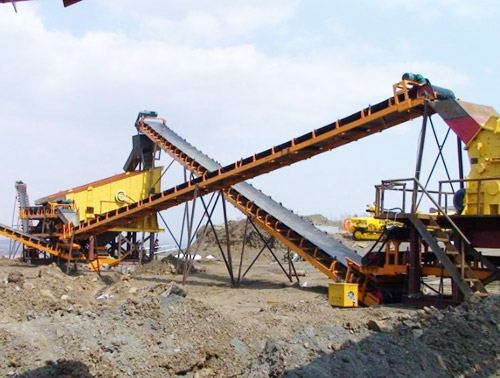
Polyacrylamide is utilized extensively in mining operations for solid-liquid separation, tailings thickening, effluent clarification, and pipe sealing. Oubo provides a complete series of anionic, nonionic, and cationic polymers engineered for specific mineral slurries including Coal Washing, Gold, Silver, Iron, Copper, Nickel, Alumina (Red Mud), and Phosphate processing.


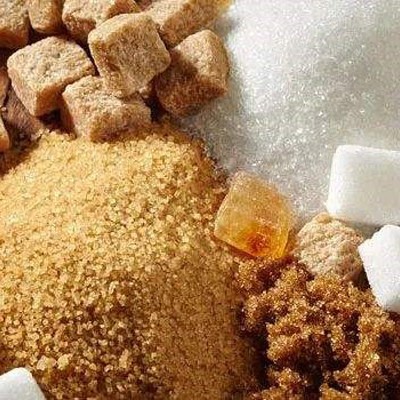
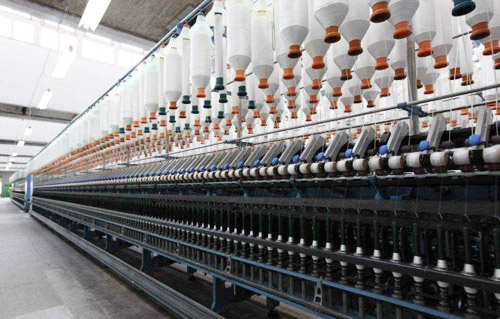
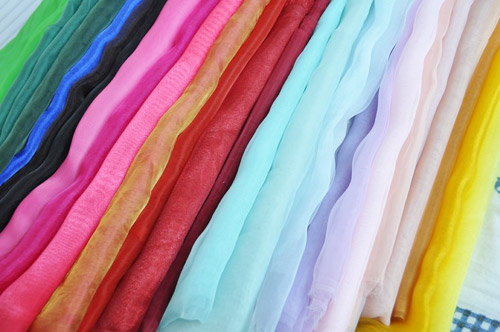
In the sugar industry, food-grade Anionic Polyacrylamide acts as a clarification aid during juice extraction, settling organic impurities rapidly during flotation and sedimentation. In textile and dyeing facilities, APAM rapidly coagulates suspended dye particles, lowering chemical oxygen demand (COD) and color turbidity in industrial discharge.
Export-grade multi-layer moisture barrier packaging ensuring long product shelf-life and safe international transit.
Oubo Chemical provides flexible packaging configurations designed to safeguard dry Polyacrylamide powder against moisture absorption and atmospheric degradation during long-distance maritime shipping.
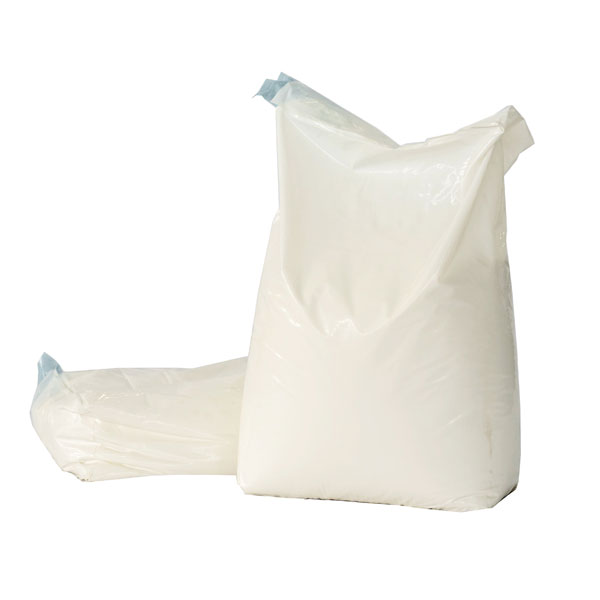
25kg PE/PP kraft bags without printing, ideal for international distributors.
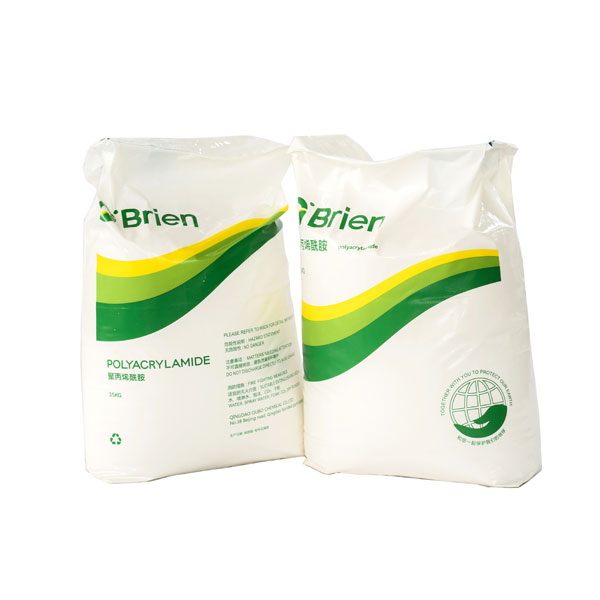
25kg standard O'brien branded multi-wall moisture barrier bags.
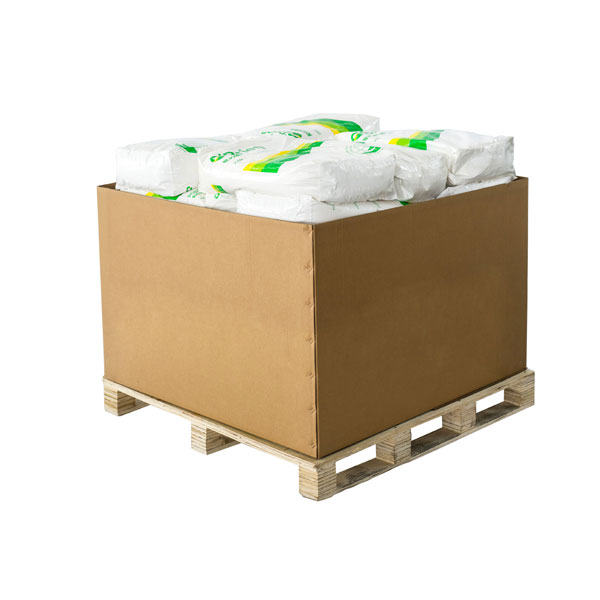
Custom private labeling and specifications tailored for corporate procurement.
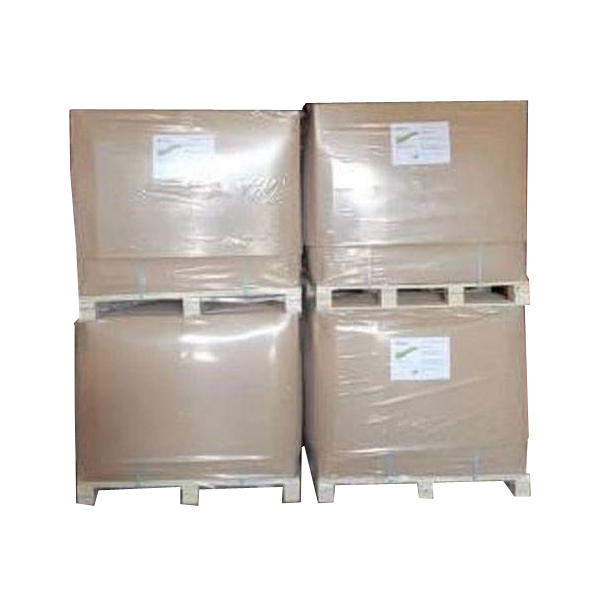
750kg / 1000kg bulk ton bags mounted on fumigated pallets with thermal shrink wrap.
Technical guidance on polymer dissolution, selection parameters, storage, and field application.
Explore our full range of certified industrial polyacrylamide products for specialized global applications.
 Oubo Chemical