Engineered for exceptional bridging performance, rapid settling velocity, and superior water clarification across heavy industrial processes.
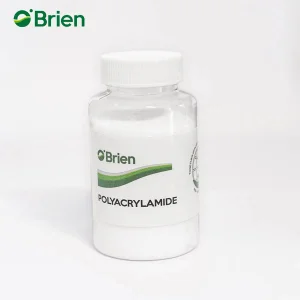
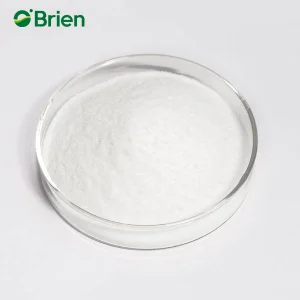
Understanding polymer chemistry, ionic charge density, and global procurement strategies for modern water purification and mineral extraction.
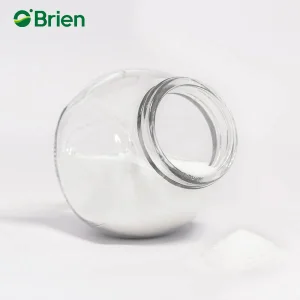
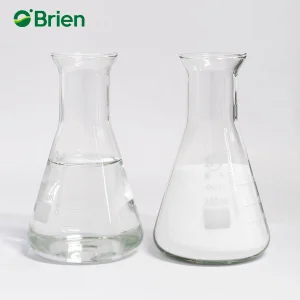
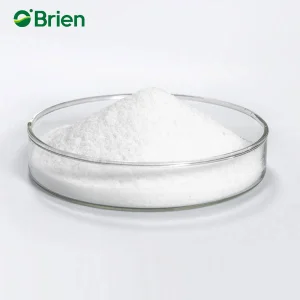
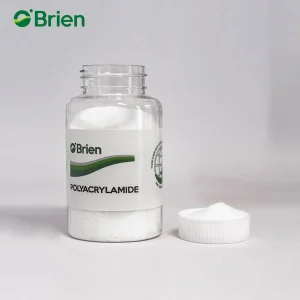
Anionic Polyacrylamide (APAM) is a linear, water-soluble polymer prepared by copolymerizing acrylamide monomers with charged acrylic acid (or sodium acrylate) functional groups. Recognized globally as one of the most versatile water-soluble polymers (CAS No. 9003-05-8), APAM carries negative carboxyl charges along its extended polymer backbone, making it exceptionally effective at neutralizing positively charged suspended solids, minerals, and metallic ions in liquid media.
In modern industrial applications, the performance of Anionic Polyacrylamide is fundamentally dictated by two critical parameters: Molecular Weight (MW)—ranging from 5 Million to upwards of 25 Million Daltons—and Hydrolysis Degree (Degree of Anionicity)—spanning from 5% to 80%. When dispersed in aqueous solutions, the negative carboxylate groups (-COO⁻) induce electrostatic repulsion along the polymer chain, causing it to uncoil into an elongated, high-viscosity conformation. This extended structure facilitates high-efficiency bridging flocculation, trapping fine suspended colloidal particles and forming dense, fast-settling micro-flocs.
The global demand for APAM is accelerating at an unprecedented rate, driven by stringent environmental standards, expanding mining activities in South America and Australia, and enhanced oil recovery (EOR) projects in North America and the Middle East. Global procurement teams prioritize chemical suppliers that guarantee batch-to-batch structural stability, low residual monomer (<0.05% acrylamide), and automated bio-catalyzed production pipelines that reduce carbon footprints.
Established in 2011 within the Free Trade Zone of Qingdao, China, Qingdao Oubo Chemical Co., Ltd. has maintained a decade of 10% annual business growth, becoming a trusted world-class polymer manufacturer.
We utilize patented biological enzymatic methods to produce acrylamide and polyacrylamide. This eco-friendly synthesis dramatically reduces byproduct impurities and guarantees low residual monomer levels.
Our raw material supply chain relies on world-leading chemical suppliers like SINOPEC and Eni. Combined with fully automated continuous synthesis lines, we deliver consistent, ultra-pure polymer products.
Certified by ISO 9001:2008, every single batch undergoes 3-stage quantitative testing (viscosity, degree of hydrolysis, insoluble matter, filterability) by our expert laboratory team prior to dispatch.
Our technical engineers support global clients across pre-sales screening, benchtop jar testing, plant trials, and dosage optimization to maximize ROI and minimize environmental impact.
Comprehensive chemical metrics tailored for varied industrial operational environments.
| Polymer Grade Type | Molecular Weight (Million) | Degree of Hydrolysis (%) | Solid Content (%) | Dissolution Time (Min) | Primary Target Application |
|---|---|---|---|---|---|
| APAM Ultra-High MW | 22.0 - 25.0 M | 15 - 25 % | ≥ 88% | ≤ 50 min | Coal Tailings Dewatering, EOR Oil Recovery |
| APAM High MW | 16.0 - 20.0 M | 20 - 30 % | ≥ 88% | ≤ 45 min | Industrial Wastewater, Mineral Processing |
| APAM Medium MW | 10.0 - 15.0 M | 25 - 35 % | ≥ 88% | ≤ 40 min | Paper Dry Strength, Sugar Syrup Clarification |
| APAM Low MW | 5.0 - 8.0 M | 10 - 20 % | ≥ 88% | ≤ 35 min | Dispersant, Soil Conditioning & Agriculture |
Oubo Chemical PAM products deliver superior solid-liquid separation, rheology control, and environmental compliance across diverse sectors.
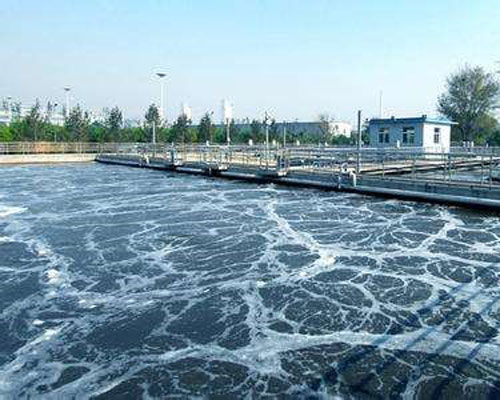
Accelerates solid-liquid settlement, improves filterability in sedimentation basins, and optimizes clarifier sludge dewatering, promoting water recycling and regulatory compliance.
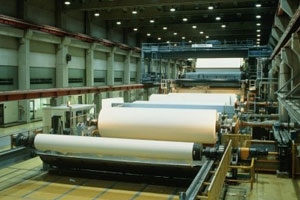
Functions as a dry-strength enhancer, retention aid, and drainage promoter. Reduces short-fiber loss, improves sheet formation, and neutralizes white water anionic trash.
Used as mobility control polymer in Enhanced Oil Recovery (EOR), fluid-loss control additive in drilling muds, shale inhibitor, and friction reducer in hydraulic fracturing.

Provides effective settling of coal washing slurry, tailings dewatering, and rapid liquid-solid separation in copper, gold, alumina, iron, and nickel leach liquors.
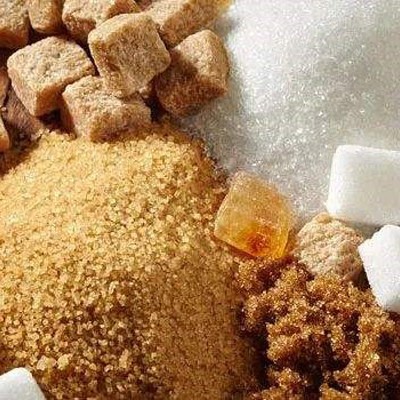
Ensures high-clarity sugar cane juice clarification and syrup flotation, optimizing juice purity, color removement, and crystallization efficiency under food-grade safety standards.
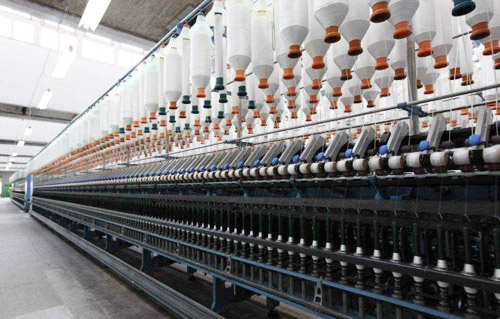
Serves as a textile sizing agent and fabric finishing stabilizer, while efficiently decolorizing dye effluents and removing suspended organic pollutants.
Maximizing polymer activity demands rigorous makeup practices, shear protection, and controlled dosing systems.
APAM dry powders must be dissolved in clean water at a concentration of 0.1% to 0.3% (w/v). Slowly sprinkle powder into the vortex to prevent agglomeration ("fish-eye" formation).
Maintain mild agitation (200 - 400 rpm) for 45 - 60 minutes. Excessive shear rates (>800 rpm) will degrade molecular chains, while under-mixing leads to unhydrated polymer loss.
Dilute stock solution to 0.05% prior to injection. Introduce the polymer at points of moderate turbulence to ensure thorough mixing with substrate solids without destroying formed flocs.
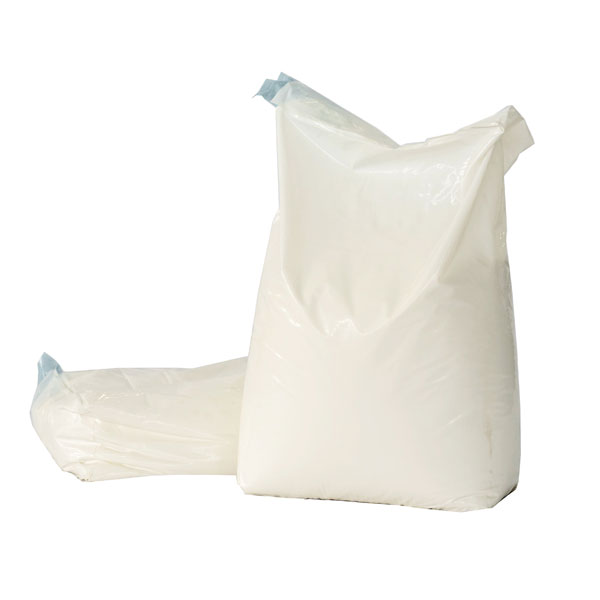
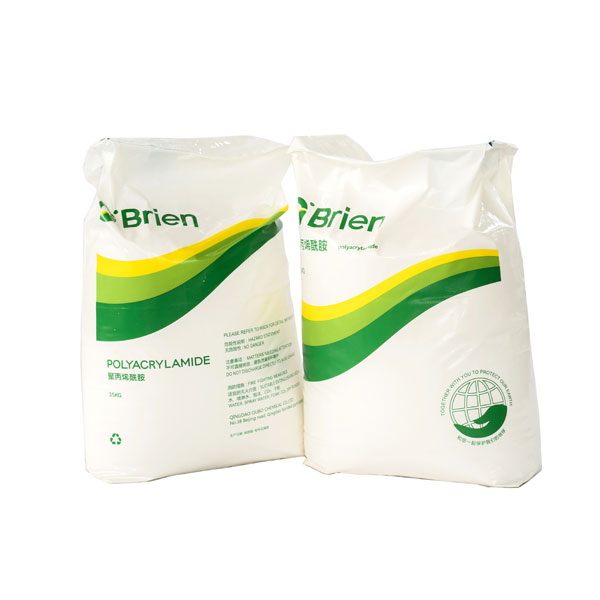
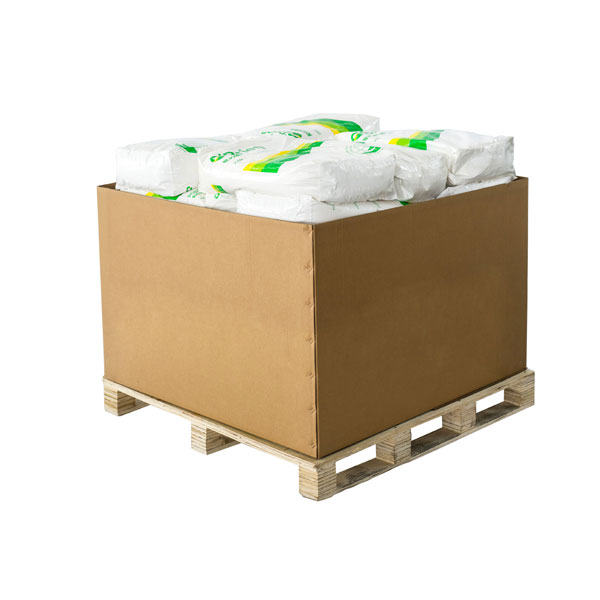
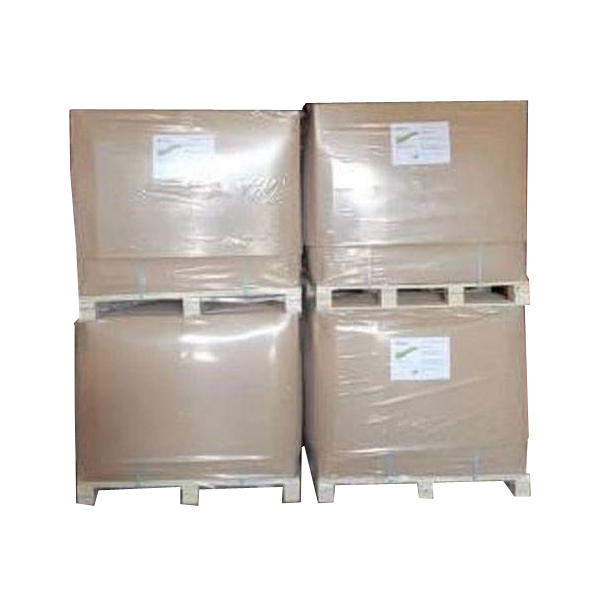
Moisture-proof, durable multi-wall kraft packaging engineered for overseas container transport and long-term bulk storage.
Direct technical responses addressing polymer selection, storage criteria, chemical compatibility, and procurement logistics.
Selection depends on the electrical charge (zeta potential) of suspended particles. Anionic PAM (APAM) is ideal for inorganic suspended solids, mineral slurries, and alkaline waters containing positively charged particles. Cationic PAM (CPAM) is suited for organic sludge (municipal biological sludge, paper mill sludge), while Nonionic PAM (NPAM) functions best in acidic industrial effluents or complex mineral matrices.
Dry APAM powder remains stable for 24 months when stored in unopened original packaging in a dry, cool, well-ventilated warehouse below 35°C. Prevent contact with ambient moisture or direct exposure to sunlight, as hygroscopic absorption can cause caking and diminish dissolution efficiency.
"Fish-eyes" occur when dry powder is dumped into water too quickly, causing the outer polymer layer to hydrate rapidly into a gel coat that blocks water penetration to the dry core. Use an automated dry-powder disperser or feed the polymer slowly into the agitation vortex over several minutes to ensure uniform wetting.
High concentrations of multivalent cations (Ca²⁺, Mg²⁺) in makeup water screen the carboxylate charges on the APAM backbone, causing chain coil collapse and reduced solution viscosity. Water temperatures above 50°C can accelerate thermal degradation. Dissolving APAM in soft water at 20°C - 30°C yields maximum viscosity and performance.
Oubo Chemical operates under an ISO 9001:2008 certified Quality Assurance framework. Every production batch undergoes triple QC testing for molecular weight, charge density, residual monomer, and dissolution velocity, accompanied by COA (Certificate of Analysis) and SDS documentation.
Yes. With annual production exceeding 50,000 metric tons and extensive biological polymerization R&D, we offer custom synthesis tailor-made to client specifications regarding molecular weight (5M - 25M Daltons), hydrolysis level (5% - 80%), particle size distribution, and private-label packaging.
Pioneering eco-friendly enzymatic synthesis, high-salinity resilient polymers, and smart automated dosing systems.
Replacing high-energy traditional copper-catalyzed nitrile hydration with third-generation microbial bio-catalysts, reducing carbon intensity per ton while producing ultra-pure monomer matrices.
Developing hydrophobic modification monomer additions to withstand severe brine environments in deep-reservoir EOR oil recovery and high-TDS industrial zero-liquid-discharge (ZLD) systems.
Partnering with automated dosing equipment leaders to deliver closed-loop feedback control systems that measure real-time turbidity, zeta potential, and sludge viscosity to auto-adjust polymer feed rates.
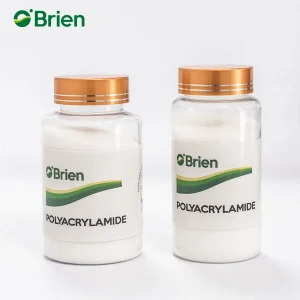
Full range of Cationic, Anionic, and Nonionic PAM formulations ready for global container dispatch.
 Oubo Chemical