 Oubo Chemical
Direct supply of high-grade flocculants tailored for heavy industrial wastewater, mining operations, and oil recovery.
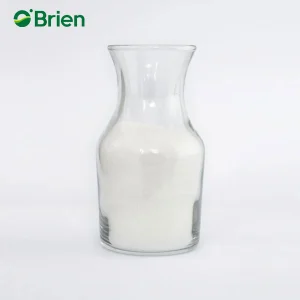
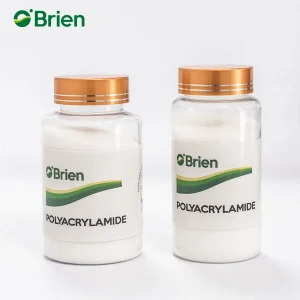
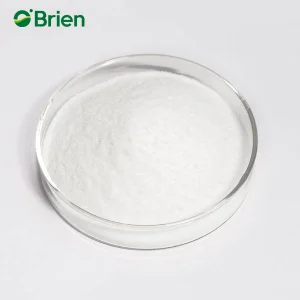
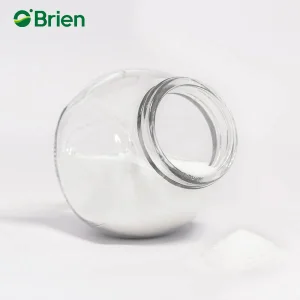
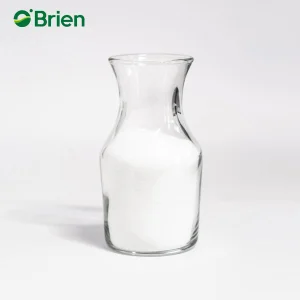
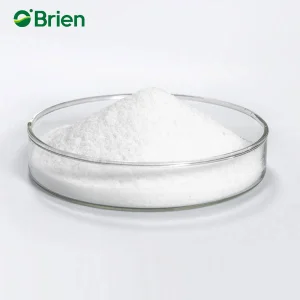
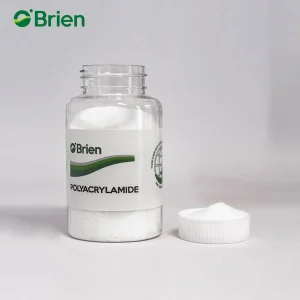
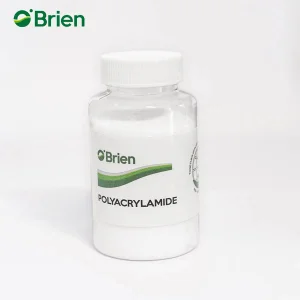
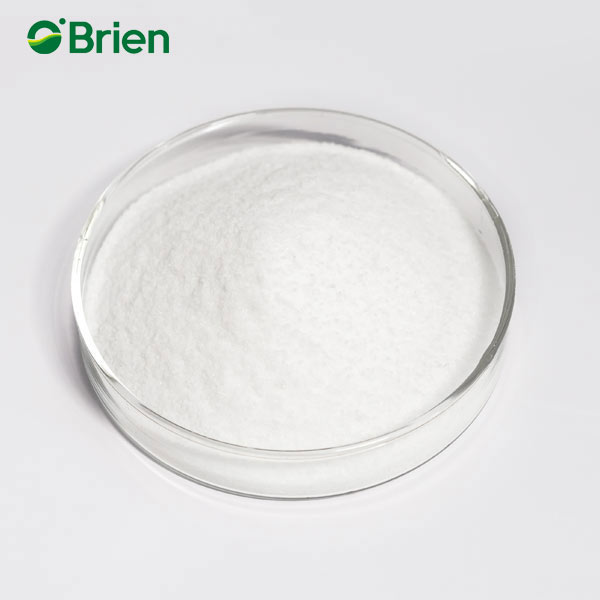
Polyacrylamide (PAM) is a synthetic water-soluble resin prepared through the high-degree polymerization of monomeric acrylamide ($CH_2=CH-CONH_2$). As a global industrial standard, PAM serves as a primary flocculant, coagulant aid, rheology modifier, and drag reduction agent across complex chemical environments. Its ionic configurations—specifically Anionic Polyacrylamide (APAM), Cationic Polyacrylamide (CPAM), and Nonionic Polyacrylamide (NPAM)—define its targeted industrial utility.
Anionic Polyacrylamide is synthesized by copolymerizing acrylamide with acrylic acid salts or by partially hydrolyzing polyacrylamide. The resulting polymer chain contains negatively charged carboxylate groups ($-COO^-$) distributed along its hydrocarbon backbone. These negative charges impart specific structural properties: in aqueous solution, charge repulsion extends the polymer chain into a linear configuration, maximizing its hydrodynamic radius and enabling highly effective long-range particle bridging.
When introduced into suspension systems containing positively charged mineral particles, clays, or metal oxides, APAM functions through a double-action mechanism: Charge Neutralization and Inter-Particle Bridging. The extended macromolecular chains absorb onto multiple solid particles simultaneously, forming large, dense flocs that rapidly precipitate out of liquid media. This drastically accelerates sedimentation velocity and improves filtration throughput in large-scale industrial clarifiers.
Established in 2011 within the Free Trade Zone of Qingdao, China, Qingdao Oubo Chemical Co., Ltd. has established an integrated operational footprint designed to satisfy global industrial chemical demand. Positioned adjacent to Qingdao Port—one of the world's premier shipping hubs—Oubo leverages seamless multi-modal logistics to serve municipal and industrial clients across six continents.
Unlike traditional chemical catalytic methods that leave trace iron ions and acidic impurities, Oubo utilizes proprietary biological enzymatic conversion processes. This patented biotechnology yields ultra-pure acrylamide monomer with minimal residual acrylamide (AMD < 0.05%), enabling higher polymerization rates and superior linear chain lengths.
To guarantee absolute batch consistency, key precursor materials (Acrylonitrile, Acrylic Acid) are secured through strategic long-term supply agreements with tier-1 energy conglomerates including SINOPEC and Eni. Fully automated DCS continuous polymerization lines eliminate human error during temperature and pressure ramping cycles.
Certified under ISO 9001:2008, every production batch undergoes a rigorous 3-stage Quality Control protocol: Raw Material Assay Verification, In-line Viscosity and Polymer Conversion Monitoring, and Final Product Laboratory Jar Testing prior to export packaging.
Selecting the optimal Anionic Polyacrylamide formulation requires balancing two key parameters: Molecular Weight (MW) and Anionic Charge Density (Degree of Hydrolysis). Below is the technical specification breakdown for our core industrial APAM product line:
| APAM Product Grade | Molecular Weight (Million Daltons) | Charge Density (%) | Solid Content (%) | Dissolution Time (Mins) | Primary Industrial Application |
|---|---|---|---|---|---|
| APAM Ultra-High MW | 22.0 - 25.0 | 20 - 30 | ≥ 88% | ≤ 60 | Coal Washing Tailings, EOR Polymer Flooding |
| APAM High MW | 16.0 - 20.0 | 30 - 45 | ≥ 88% | ≤ 50 | Municipal Wastewater Clarification, Mineral Processing |
| APAM Medium MW | 10.0 - 15.0 | 10 - 25 | ≥ 88% | ≤ 45 | Paper Making Retention & Dispersant, Sugar Clarification |
| APAM Acid-Tolerant | 12.0 - 18.0 | 15 - 35 | ≥ 90% | ≤ 60 | Acidic Industrial Effluent, Metallurgical Ore Leaching |
Oubo Polyacrylamide solutions provide targeted chemical responses across diverse economic sectors. Our engineering team conducts customized jar testing and rheological analysis to optimize dosages for site-specific conditions.
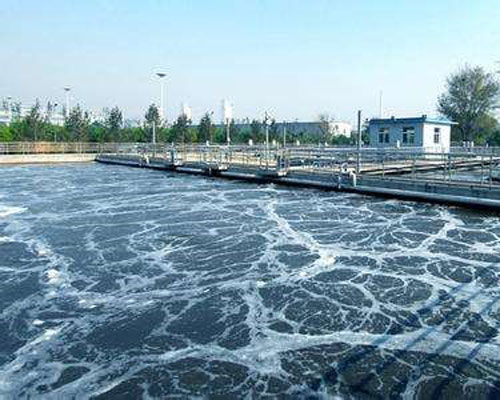
In municipal sewage plants and industrial wastewater facilities, APAM acts as an effective primary coagulant aid. By neutralizing residual turbidity and forming rapid flocs, APAM reduces chemical sludge volume. Increasingly stringent global environmental regulations demand ultra-low residual monomer levels, which Oubo guarantees through advanced bio-catalysis.
Used extensively across gold, copper, iron, nickel, and alumina extraction processes. APAM accelerates solid-liquid separation during sedimentation and vacuum filtration. In coal washing tailings, APAM aggregates fine coal particles, permitting closed-circuit water recycling and tailings dewatering.
In tertiary oil recovery, ultra-high molecular weight APAM is injected to increase the viscosity of driving water, improving sweep efficiency across heterogeneous reservoir strata. Furthermore, APAM serves as a shale stabilizer, fluid-loss control agent, and friction reducer in complex fracturing operations.
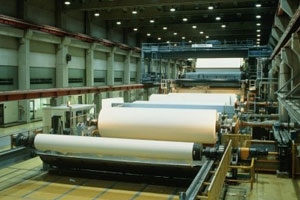
Functioning as a retention and drainage aid, APAM increases short-fiber and filler retention while accelerating wire-section dewatering. It also acts as an Anionic Trash Scavenger, neutralizing charge interference in closed-loop paper machine wet-end chemistry.
In sugarcane and sugar beet juice clarification, food-grade APAM binds suspended organic non-sugars, facilitating rapid gravitational settling. This enhances syrup clarity, reduces evaporative scaling, and preserves overall yield.
Textile wastewater contains high organic dye concentrations, surfactants, and variable pH levels. APAM, combined with inorganic coagulants (PAC/Alum), efficiently decolorizes and clarifies dye house effluent prior to biological treatment.

Oubo Chemical commits over €200 million annually into R&D, continually expanding polymer performance boundaries. Our scientific roadmap focuses on three key breakthroughs:
Developing hydrophobic modified anionic polymers that maintain high viscosity and chain structure in harsh deep-well oil environments ($> 120^\circ\text{C}$, salinity $> 250,000\text{ ppm}$ TDS).
Integrating inline turbidity monitors and streaming current detectors with predictive AI dosage algorithms. This minimizes chemical consumption while preventing dynamic process over-dosing.
Engineered bio-based grafting polymers combining natural polysaccharides with acrylamide backbones to ensure high flocculation efficiency alongside rapid environmental bio-degradation.
Navigating regional chemical regulatory frameworks demands absolute compliance transparent supply chains. Oubo Chemical guarantees full technical documentation and global regulatory adherence for seamlessly worldwide distribution.
Compliant with EU REACH registration standards, ISO 9001:2008 Quality Management Systems, and tailored NSF/ANSI 60 guidelines for potable water processing formulations.
Our dedicated technical support team joins client operations during pre-sales laboratory testing, dynamic plant trials, and post-installation optimization to ensure ideal polymer selection.
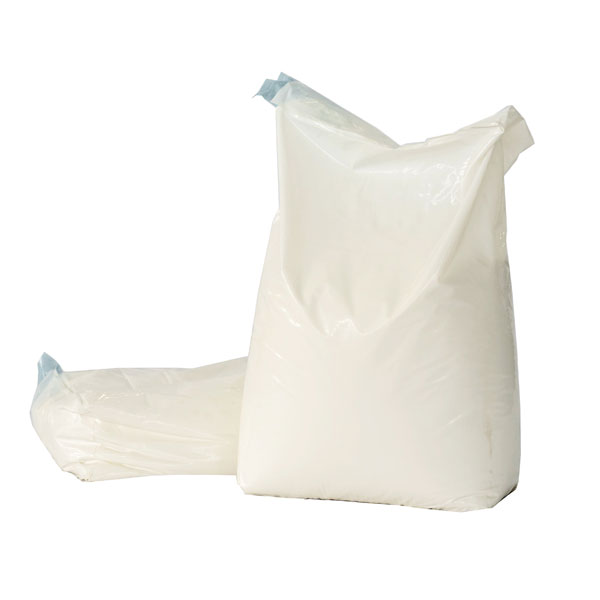
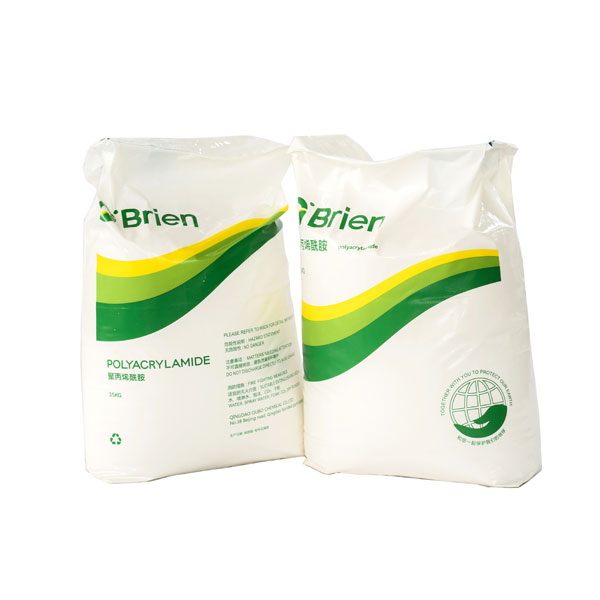
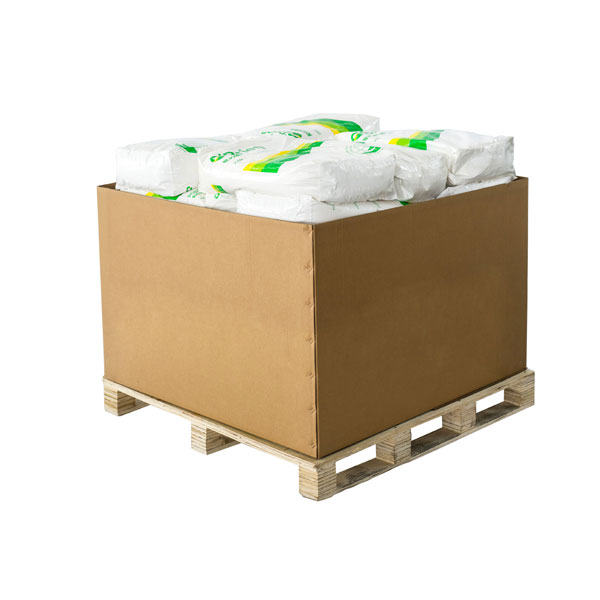
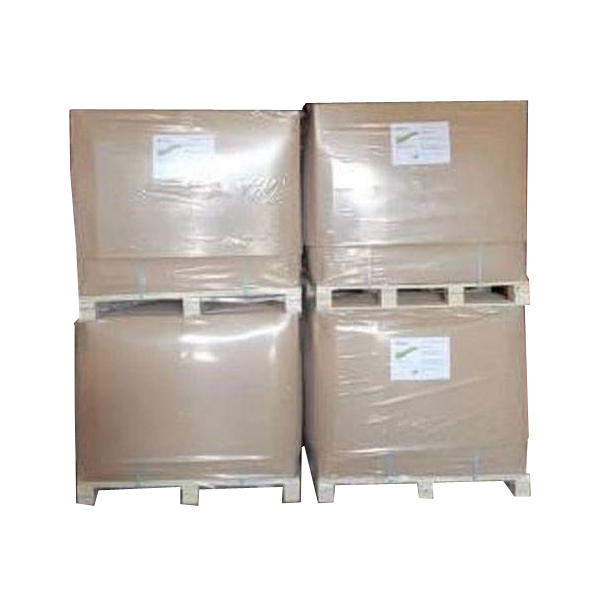
To preserve polymer stability and prevent moisture absorption during transoceanic transit, Oubo delivers specialized multi-layer moisture-proof packaging options:
Anionic PAM dry powder must be dissolved in clean water at a recommended concentration of 0.1% to 0.3% (w/v). Ensure continuous mechanical agitation (200 - 400 RPM) during powder introduction to prevent "fish-eye" agglomeration. Solution aging time is typically 45 to 60 minutes before inline dosing.
Selection depends directly on the surface charge (Zeta Potential) of your suspended solids. Mineral slurry, inorganic clays, sand, and acidic/alkaline metal wastes generally possess positive or neutral charges, making Anionic Polyacrylamide the optimal choice. Biological organic sludges (e.g., municipal sewage primary digestate) typically carry negative charges and respond best to Cationic Polyacrylamide.
When stored in its original, sealed moisture-proof packaging in a cool, dry, ventilated warehouse ($< 35^\circ\text{C}$), dry APAM powder maintains full chemical stability for 24 months. Aqueous solutions should be consumed within 24 to 48 hours to prevent chain degradation.
Biological enzymatic synthesis produces acrylamide without high reaction temperatures or copper catalyst additives. This yields monomer of higher purity with lower toxicity, minimal residual monomer ($< 0.05\%$), and higher molecular weight growth capability.
Explore our full range of Cationic, Anionic, and Nonionic Polyacrylamide formulations for specialized industrial applications.