Global Industrial Chemical Engineering Standards | High-Molecular Polyacrylamide Solutions for Municipal Wastewater, EOR Oilfields, Mining, and Pulp & Paper Manufacturing.
Directly sourced from our ISO9001-certified bio-catalytic synthesis plant. Premium grade Anionic, Cationic, and Nonionic PAM flocculants.
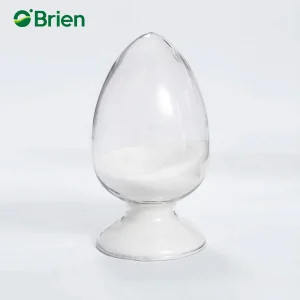
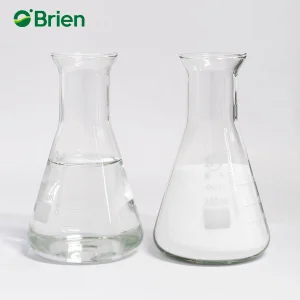
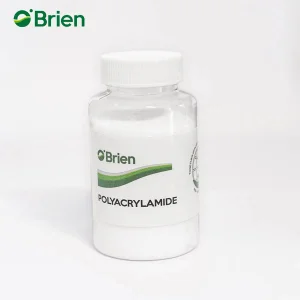
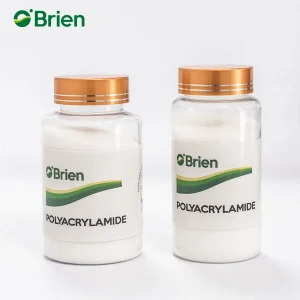
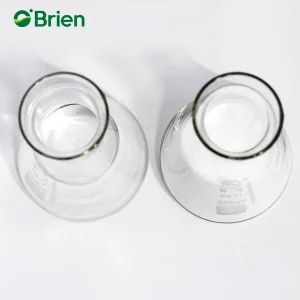
Comprehensive chemical breakdown, molecular weight configurations, and ionic charge density mechanisms governing industrial liquid-solid separation.
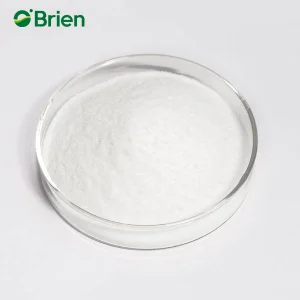
Polyacrylamide (PAM) is a linear, water-soluble synthetic macromolecule produced through the free-radical polymerization of acrylamide monomers (AM). Functioning primarily as a flocculant, coagulant aid, rheology modifier, friction reducer, and binder, PAM plays a critical role in global industrial processing. Its fundamental effectiveness stems from its long polymer chain architecture, which physically traps suspended solids and induces aggregation through charge neutralization and inter-particle bridging.
Synthesized by co-polymerizing acrylamide with acrylic acid or sodium acrylate, APAM introduces negatively charged carboxylate groups (–COO⁻) along its backbone.
Co-polymerized with cationic monomers such as DAC (Dimethylaminoethyl Acrylate Methyl Chloride) or METAC, yielding positively charged quaternary ammonium groups (–R₄N⁺).
Homopolymerized pure acrylamide with minimal functional charge, offering chemical neutrality and exceptional tolerance in harsh chemical media.
| Polymer Type | CAS Registry No. | Molecular Weight (MW) | Degree of Hydrolysis / Charge | Solid Content (%) | Dissolution Time | Primary Industrial Sector |
|---|---|---|---|---|---|---|
| Anionic PAM (APAM) | 9003-05-8 | 12 – 28 Million | 10% – 50% Low/High | ≥ 88% Powder | 30 – 50 Minutes | Metallurgy, Mining Tailings, EOR Oil Recovery |
| Cationic PAM (CPAM) | 69418-26-5 | 8 – 15 Million | 10% – 80% Charge Density | ≥ 89% Powder | 45 – 60 Minutes | Municipal Dewatering, Paper Retention, Dyeing Wastewater |
| Nonionic PAM (NPAM) | 9003-05-8 | 6 – 15 Million | 0 – 2% Hydrolysis | ≥ 90% Powder | 40 – 60 Minutes | Acidic Leach Mining, Phosphoric Acid Clarification |
Established in 2011 within the Qingdao Free Trade Zone, China. Combining advanced bio-catalytic synthesis, world-class feedstock supply chain integration, and rigorous quality control.
Oubo Chemical produces acrylamide monomer using advanced biological enzymatic methods. Compared to traditional nitrile-catalytic routes, our patented bio-method leaves zero copper residues, yields higher purity monomer, and allows precise control over ultra-high molecular weight distribution (>25 Million Daltons).
Located strategically in the Qingdao FTZ, our upstream acrylic acid and acrylonitrile feedstocks are directly sourced via long-term contracts from global chemical leaders including SINOPEC and Eni. This guarantees batch-to-batch chemical stability and cost-leadership.
Certified under ISO9001:2008, Oubo operates fully automated, computerized polymerization lines. Every production batch undergoes triple testing (Viscosity, Insoluble Matter, Dissolution Rate) by our dedicated QC laboratory prior to global shipment.
Tailored polyacrylamide formulations designed to maximize operational efficiency across diverse industrial sectors worldwide.
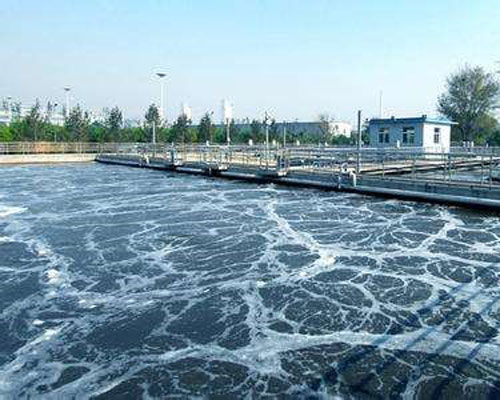
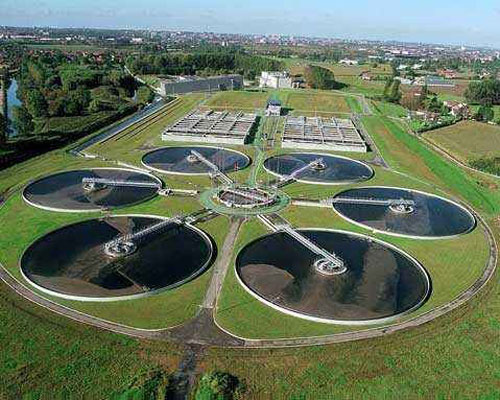
In water clarification and sludge dewatering operations, selecting the proper polyacrylamide charge density is critical. For municipal sewage plants, high molecular weight Cationic PAM (CPAM) effectively neutralizes the negative surface charge of organic bio-sludge, accelerating flocs formation in belt filter presses, screw presses, and decanter centrifuges.
For industrial effluents (dyeing, tanneries, pharmaceutical, food processing), high-charge Anionic PAM rapidly aggregates inorganic suspended solids, drastically reducing Chemical Oxygen Demand (COD) and Total Suspended Solids (TSS).
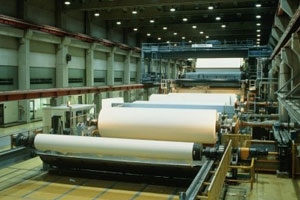
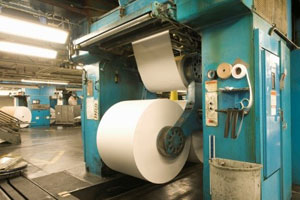
In modern paper manufacturing, Oubo PAM serves four crucial functions:
Our ultra-high molecular weight Anionic PAM (>25 Million MW) functions as a friction reducer and mobility control agent in Enhanced Oil Recovery (EOR). In drilling fluids, APAM provides viscosity buildup, shale inhibition, fluid loss prevention, and bit lubrication under high-temperature and high-salinity reservoir conditions.
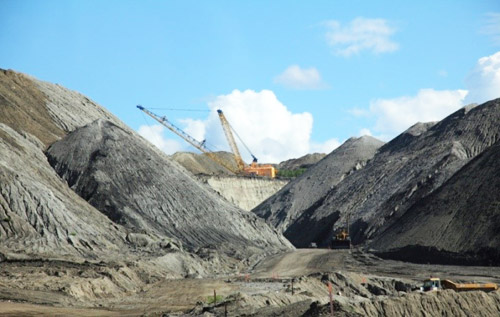
In coal preparation, gold extraction, copper mining, and alumina red mud clarification, high-charge APAM/NPAM flocculants accelerate rapid solid-liquid separation in thickeners. They enable high-speed recycling of process water while producing dry stack tailing cakes in centrifuge filters.
A standardized guide for chemical engineers and procurement officers to determine exact dosages, preparation procedures, and quality parameters.
Prior to full-scale industrial dosing, laboratory bench-scale jar testing is essential. Prepare a 0.1% to 0.3% stock solution using clean water (TDS < 1000 ppm). Test polymer response at varying dosage rates (typically 1–10 ppm for water treatment; 1.5–5 kg/ton dry solids for sludge dewatering) to establish the ideal zeta potential inflection point.
Dry PAM powder requires careful dispersion to prevent "fish-eye" agglomeration. Utilize an automated dry powder feeder into an agitated tank. Maintain water temperature between 20°C and 40°C. Avoid high-shear impeller pumps which break polymer chains; use progressive cavity pumps or diaphragm metering pumps.
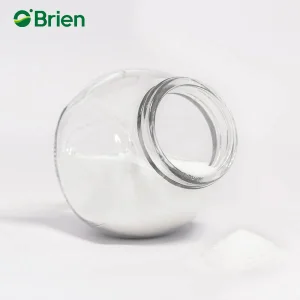
Granular PAM is hygroscopic. Store in sealed original packaging within dry, ventilated warehouses at temperatures under 35°C. Unopened shelf life is 24 months. Prepared aqueous solutions should be consumed within 24 to 48 hours to prevent viscosity degradation due to hydrolysis.
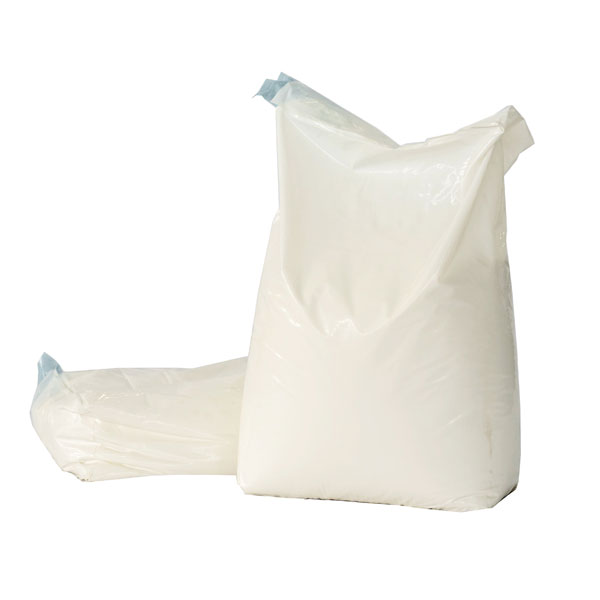
Multi-wall paper bag with inner PE liner for OEM/Private Label distributors.
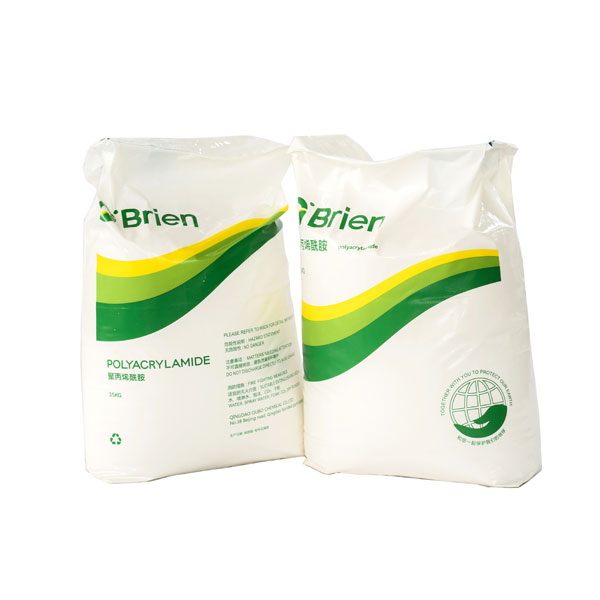
Factory standard Oubo 25kg kraft bag with anti-moisture barrier.
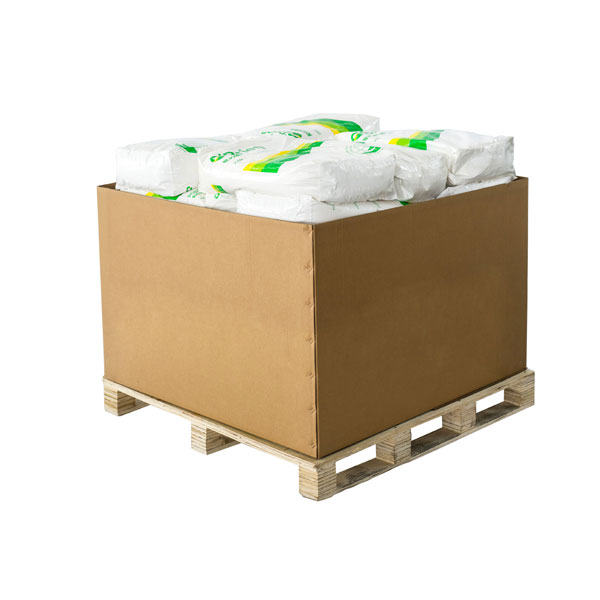
Heavy-duty woven FIBC bulk sacks designed for automated industrial feeding systems.
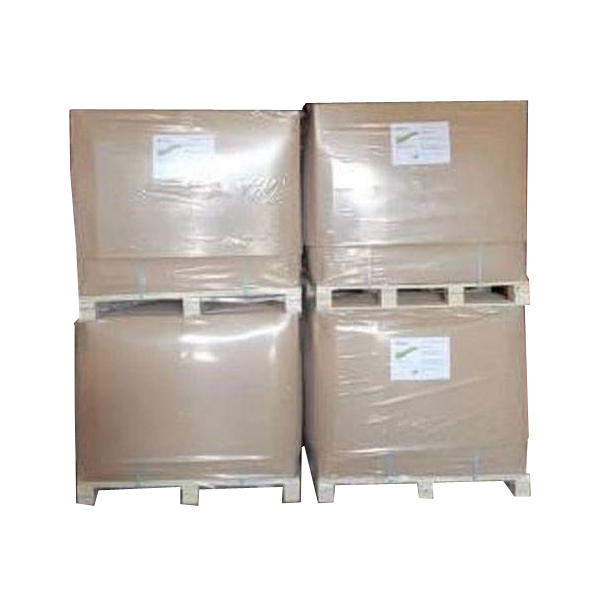
Stretch-wrapped, heat-treated wooden/plastic pallets (1.0 to 1.2 Metric Tons/Pallet).
Emerging market dynamics driven by environmental regulations, bio-based monomer synthesis, and micro-emulsion technologies.
Global environmental standards (EU REACH, US EPA) are lowering residual acrylamide monomer (AMD) thresholds in potable water polymers down to < 500 ppm (<0.05%). Oubo Chemical’s advanced post-polymerization degassing technology ensures ultra-low monomer levels for safe municipal deployment.
While granular powder dominates bulk transport, water-in-oil PAM emulsions are gaining market share in continuous automated systems. Emulsions dissolve rapidly within 3 to 5 minutes without dusting hazards, making them ideal for high-speed automated paper machines and hydraulic fracturing.
Transitioning from petro-based acrylonitrile to plant-derived bio-acrylonitrile is the next frontier. Oubo Chemical’s ongoing R&D program invests over €2 Million annually to lower carbon footprint metrics across our full polyacrylamide life cycle.
Expert responses regarding product selection, bulk purchasing, shelf life, and technical support.
Selection depends on the surface charge of the particles in your wastewater or process stream. As a general rule: use Cationic PAM (CPAM) for negatively charged organic solids (such as biological sewage sludge, food processing waste, and paper pulp); use Anionic PAM (APAM) for positively charged inorganic mineral suspensions (sand, coal tailings, metal mining slurry); and use Nonionic PAM (NPAM) in strongly acidic systems or complex chemical matrices where ionic interactions are inhibited.
Qingdao Oubo Chemical Co., Ltd was established in 2011 and is situated in the Free Trade Zone of Qingdao, Shandong Province, China. Our modern manufacturing facility achieved an annual production capacity surpassing 50,000 Metric Tons in 2018, supported by automated bio-enzymatic polymerization lines and direct port logistical access.
Oubo Chemical operates under ISO9001:2008 quality management certification. Raw materials are procured from global suppliers (including SINOPEC and Eni). Every product lot undergoes three rigorous laboratory checks prior to dispatch: intrinsic viscosity verification, monomer purity assay, and insoluble matter testing.
When stored in original sealed packaging in a cool (under 35°C), dry, and well-ventilated warehouse, solid PAM dry powder has a shelf life of 24 months. Avoid exposure to high humidity or direct sunlight. Liquid stock solutions (0.1% strength) should be prepared fresh and consumed within 24 to 48 hours for maximum activity.
Yes! Our dedicated technical R&D team works directly with global buyers. We perform custom polymerization synthesis to adjust Molecular Weight (from 5 Million up to 30 Million Daltons) and Ionic Charge Density (from 5% to 80%) based on your laboratory jar test results or site water samples.
We offer flexible industrial packaging options: standard 25kg multi-wall paper-plastic bags, 25kg neutral blank bags for private labeling, and 750kg/1000kg FIBC jumbo bulk bags. All orders can be palletized, shrink-wrapped, and fumigated in compliance with international ISPM-15 shipping regulations.
Explore our full line of Nonionic, Cationic, and Anionic polymers tailored for specific industrial applications.
 Oubo Chemical