Explore our industrial-grade Anionic, Cationic, and Nonionic Polyacrylamide formulations manufactured for optimal solid-liquid separation.
An in-depth authority review on molecular engineering, ESG regulatory compliance, and industrial application vectors driving next-generation water security and resource recycling.
In an era governed by stringent global environmental standards (such as US EPA zero-liquid discharge regulations and EU REACH directives), the global industrial sector faces an urgent mandate: optimize solid-liquid separation efficiency while minimizing chemical carbon footprints. Polyacrylamide (PAM), specifically Anion Polyacrylamide Powder (APAM), stands at the nexus of modern chemical engineering and sustainable resource management.
As water scarcity escalates and mineral processing transitions toward lower-grade ores, high-performance water-soluble polymers become indispensable. APAM functions through polymer bridging mechanisms, utilizing negative carboxylate groups along its carbon backbone to adsorb positively charged suspended solids, facilitating rapid flocs sedimentation, sludge dewatering, and clarification across municipal and industrial sectors.
Traditional Polyacrylamide manufacturing historically relied on chemical catalysis using copper-based catalysts, which left heavy metal trace contaminants and higher levels of unreacted acrylamide monomer (AMD). Modern manufacturing excellence, as pioneered by Qingdao Oubo Chemical Co., Ltd., utilizes proprietary bio-catalytic enzymatic methods for monomer synthesis.
A trusted global supplier established in 2011, operating within the Free Trade Zone of Qingdao, China.
Oubo Chemical Co., Ltd. was established in 2011 inside the strategic Free Trade Zone of Qingdao, China. Over the past decade, our enterprise has achieved a stable annual business growth rate of over 10%. With a production capacity breaking through 50,000 Tons in 2018, Oubo has solidified its rank as a preeminent global manufacturer and wholesale exporter of Anionic, Cationic, and Nonionic Polyacrylamide powders.
Our quality management framework is fully certified under ISO 9001:2008. We enforce end-to-end trace-ability across raw material procurement, bio-reaction, polymerization, drying, pulverization, and final packaging.
Quality begins at the molecular level. Oubo Chemical partners with world-leading petrochemical giants such as SINOPEC and Eni for primary feedstocks. All production lines are fully automated, equipped with closed-loop process sensors to monitor temperature, viscosity, and polymerization kinetics.
Qingdao OUBO Chemical Co., Ltd is the leading manufacturer of Polyacrylamide in the world. We use biological methods to produce polyacrylamide, which has patents applied for. We continuously invest heavily into research and technical accumulation to ensure our water-soluble polymers stay ahead of industry benchmarks.
We specialized in manufacturing Polyacrylamide with superior quality and competitive direct-from-factory pricing. Our technical engineering team joins in pre-sales consultations, laboratory jar testing, sales processing, and after-sales field support to assist customers in exact product selection and dosage optimization.
Understanding charge density, molecular weight ranges, and dissolution dynamics for engineering applications.
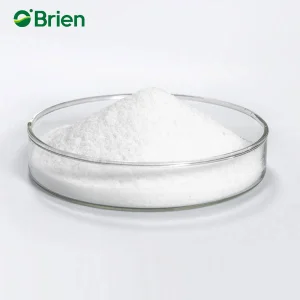
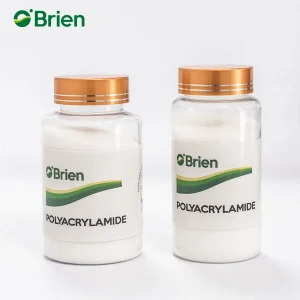
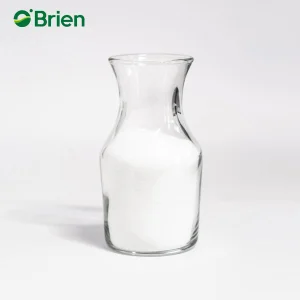
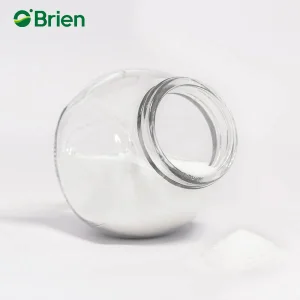
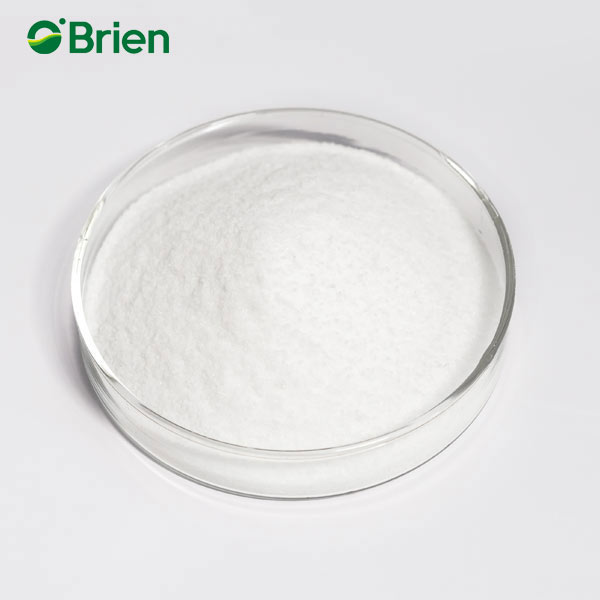
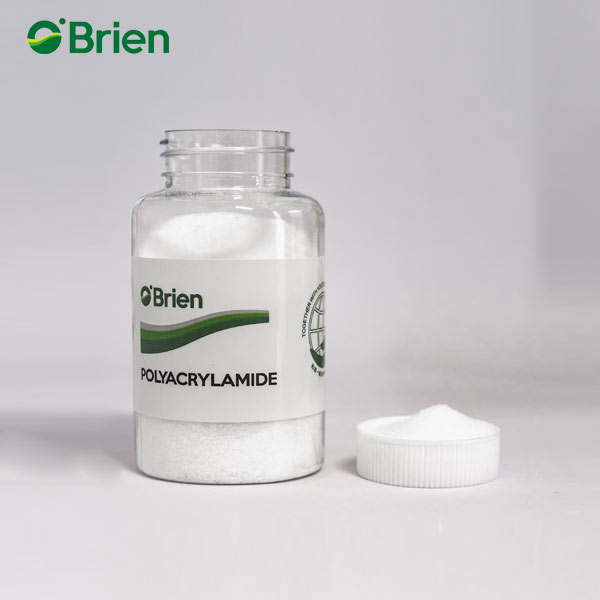
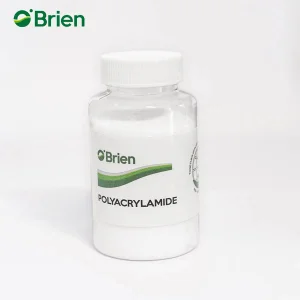
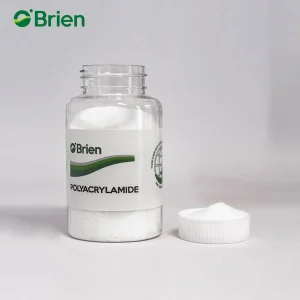
Polyacrylamide (CAS 9003-05-8) is a linear synthetic resin prepared through the polymerization of acrylamide monomers. It is a non-toxic, non-corrosive, white granular powder soluble in water but insoluble in most organic solvents. Its versatile physical forms and ionic charge classifications (Anionic, Cationic, Nonionic, and Amphoteric/Mannich) allow tailored solid-liquid separation behavior.
| Polymer Grade | Molecular Weight (Million Da) | Charge Density / Degree of Hydrolysis | Dissolution Time (Mins) | Primary Application Vector |
|---|---|---|---|---|
| Ultra-High MW APAM | 18.0 - 25.0 Million | 10% - 20% (Low Anionic) | ≤ 60 | EOR Oilfields, Mining Tailings Thickening, Drag Reduction |
| High MW APAM | 12.0 - 18.0 Million | 20% - 40% (Medium Anionic) | ≤ 50 | Municipal Sewage Clarification, Paper Retention, Sugar Refining |
| Medium MW APAM | 6.0 - 12.0 Million | 30% - 60% (High Anionic) | ≤ 45 | Acidic/Alkaline Industrial Effluent, Textile Dyeing Wastewater |
| Nonionic PAM (NPAM) | 8.0 - 15.0 Million | 0% - 5% (Neutral Charge) | ≤ 60 | Weak Acidic Wastewater Treatment, Mineral Leaching |
| Cationic PAM (CPAM) | 8.0 - 14.0 Million | 10% - 80% (Cationic Degree) | ≤ 45 | Organic Sludge Dewatering (Centrifuge & Belt Press) |
Suspended colloidal particles in industrial wastewater typically carry negative electrostatic charges (zeta potential). Anionic PAM with high charge density interacts through ion exchange and hydrogen bonding, suppressing the electrical double layer to aggregate colloidal solids into micro-flocs.
The extensive carbon chain length of High Molecular Weight APAM extends far beyond the colloidal double layer. A single long-chain polymer molecule adsorb simultaneously onto multiple slurry particles, forming dense, rapidly-settling macro-flocs with high shear stability.
In aqueous solution, APAM chains untangle and create a flexible mesh network. This dramatically increases fluid viscosity at minimal dosages, while simultaneously dampening turbulent vortices, resulting in drag reduction up to 70% in fluid transport lines.
Comprehensive engineered solutions customized for worldwide municipal, heavy chemical, mining, and paper processing operations.
As a key organic flocculant, Anion Polyacrylamide plays a central role in industrial solid-liquid separation processes, including sedimentation, clarification, thickening, and secondary effluent polishing. Increasingly stringent environmental discharge regulations drive the demand for eco-friendly, ultra-pure flocculants.
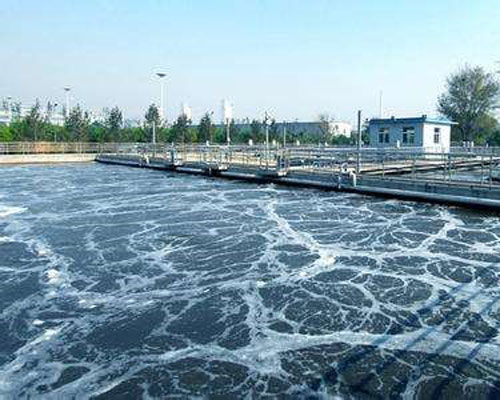
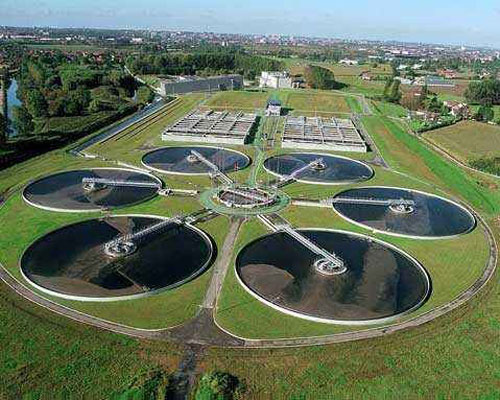
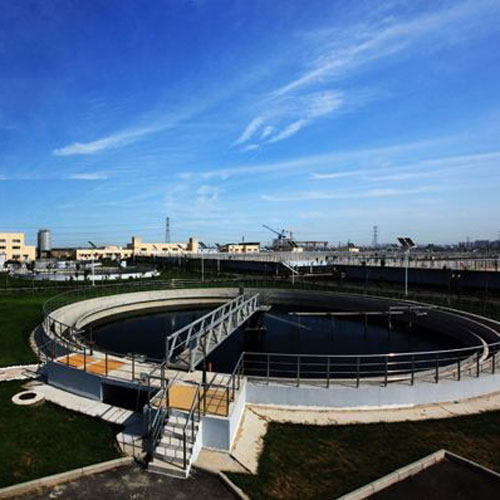
Sector Applications: Urban municipal sewage treatment, leather tanning effluent, citric acid manufacturing, vegetable protein extraction, pharmaceutical synthesis, electroplating wastewater, and incense manufacturing.
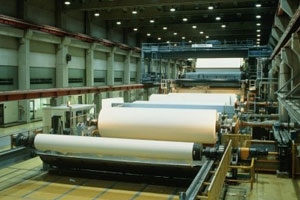
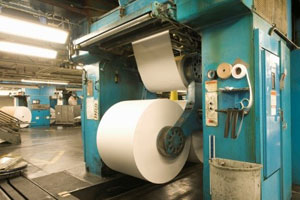
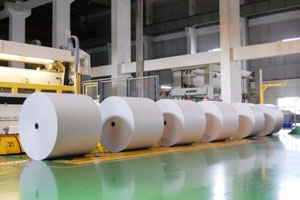
In modern high-speed paper machinery, Oubo Anionic & Cationic Polyacrylamide powders function as multi-functional wet-end additives: dry strength agents, retention aids, filter aids, and white water clarifiers.
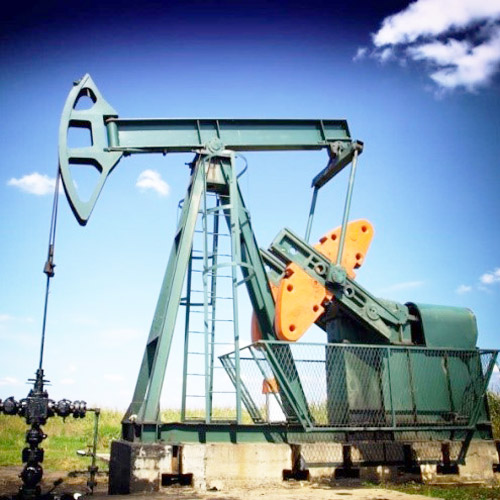
Oubo Polyacrylamide is extensively applied in oil and gas exploration, profile control, well plugging, drilling mud formulation, and hydraulic fracturing fluids. High molecular weight APAM exhibits high temperature stability and shear resistance.

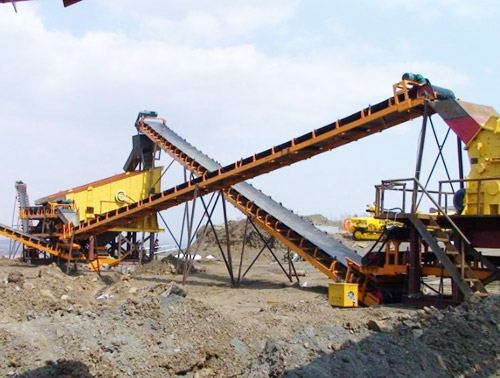
Our complete range of anionic, nonionic, and cationic polymers accelerates mineral-slurry separation, tailings thickening, and wash-water recycling across coal and hard rock mining operations worldwide.


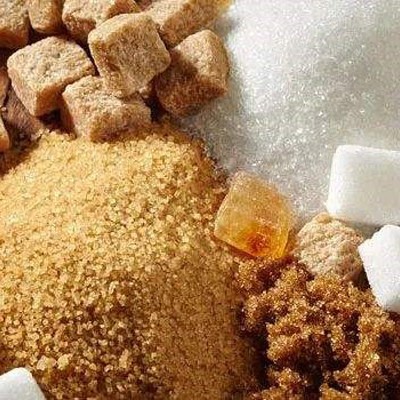

Sugar Industry: Food-grade Anionic PAM ensures fast clarification and flotation of raw sugarcane and sugar beet juices, precipitating insolubles cleanly without leaving toxic residuals.
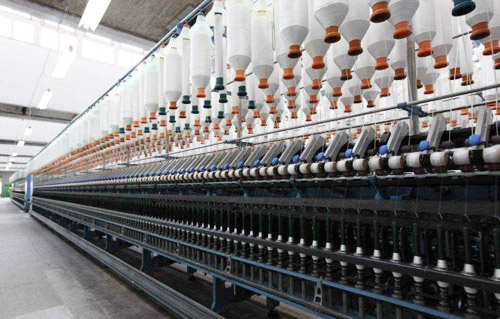
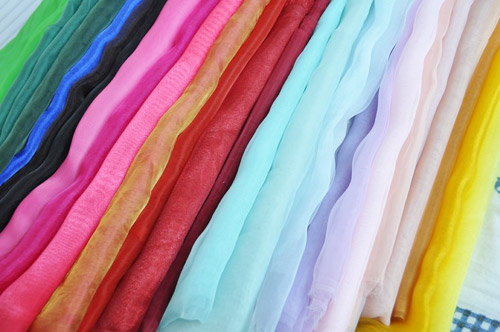
Textile Industry: Functions as a high-efficiency textile sizing agent, fabric finishing auxiliary, and color decolorizing flocculant for complex dyeing effluent treatment.
Flexible bulk packaging solutions tailored for global sea freight, moisture protection, and local compliance.
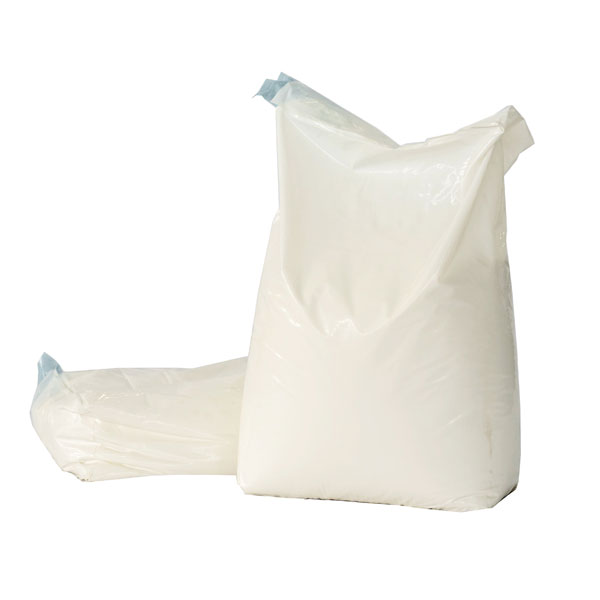
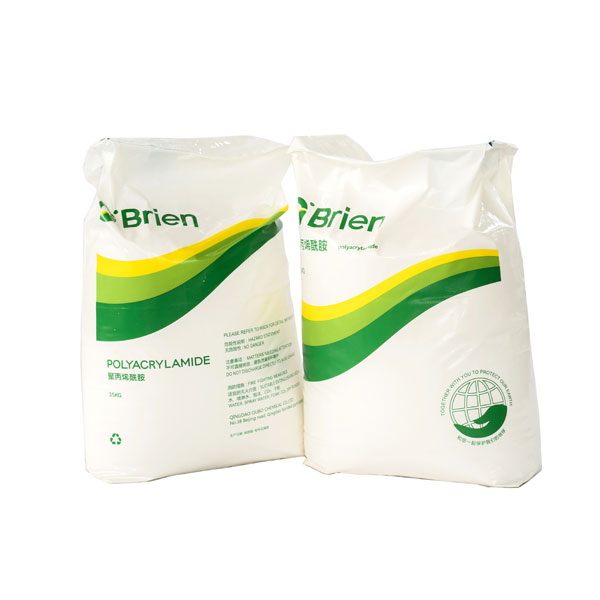
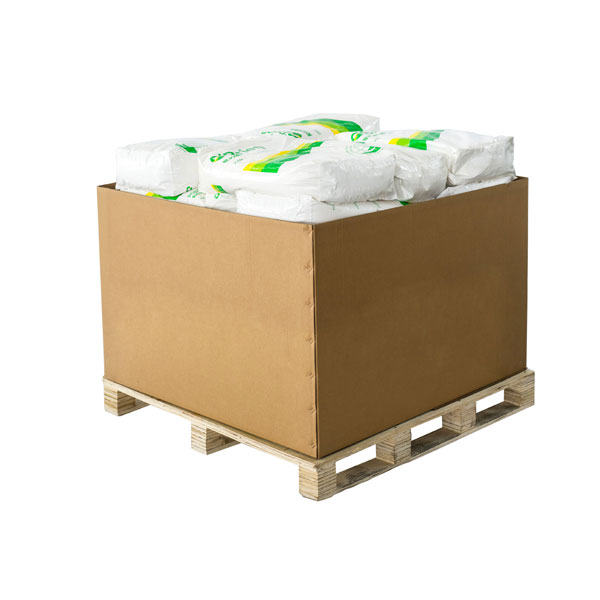
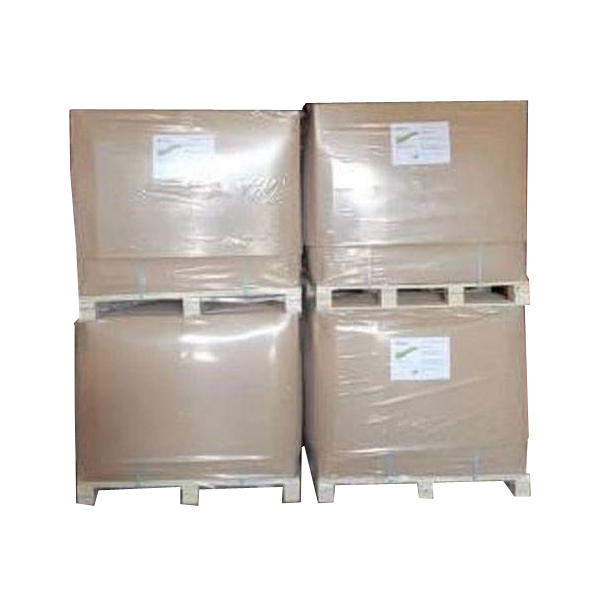
Oubo Chemical offers versatile industrial packaging solutions designed to withstand long-distance maritime transport, high humidity, and extreme climate conditions.
To preserve maximum molecular integrity and prevent cross-linking or degradation:
Pioneering sustainable chemistry, bio-based monomers, and smart automated dosing integration.
Oubo Chemical is expanding its zero-carbon footprint polymer research. By integrating bio-renewable feedstocks into monomer synthesis, future APAM formulations will reduce carbon emissions by over 40% while maintaining high molecular weight stability.
In collaboration with automation leaders, we provide technical frameworks for real-time optical turbidity and charge neutralization feedback dosing, optimizing polymer consumption by up to 25% for municipal treatment plants.
Developing hyper-branched Anionic Polyacrylamide molecules tailored for hypersaline oilfield reservoirs and harsh mining environments with temperatures exceeding 120°C and TDS levels over 200,000 ppm.
Expert answers addressing product selection, dissolution mechanics, OEM manufacturing, and logistics inquiries.
Polyacrylamide ionic charge determines its specific solid-liquid separation mechanism. Anionic Polyacrylamide (APAM) contains negative functional groups, ideal for inorganic suspended solids, mineral slurry, high-turbidity water, and oilfield operations. Cationic Polyacrylamide (CPAM) contains positive charge sites, perfect for organic sludge dewatering in municipal sewage and paper retention. Nonionic Polyacrylamide (NPAM) carries minimal charge, making it suitable for weak acidic effluents and hydrophobic mineral suspensions.
Product selection depends on wastewater pH, suspended solids concentration, particle charge (zeta potential), and dewatering equipment (centrifuge, filter press, or gravity thickener). Oubo Chemical provides free laboratory jar testing services to evaluate settleability, flocs size, supernatant clarity, and filterability to select the optimal PAM grade.
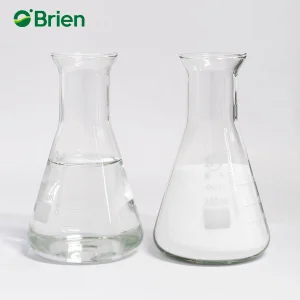
"Fish-eyes" occur when un-dissolved polymer powder aggregates into gel balls with dry interiors. To prevent this: 1) Fill the dissolving tank with water first; 2) Start mechanical agitation (200–400 RPM); 3) Slowly sprinkle APAM powder evenly onto the water vortex; 4) Continue stirring for 45–60 minutes until fully dissolved into a homogeneous fluid.
Yes, Oubo Chemical offers full OEM and ODM services for global partners. We supply neutral blank bags, custom-printed bags, 25kg kraft paper bags, and bulk ton jumbo bags with custom logos, batch coding, and multi-language SDS/labelling according to local market regulations.
Dry Anionic Polyacrylamide powder has a shelf life of 24 months when stored unopened in a cool, dry, sheltered environment away from heat and moisture. Once dissolved in aqueous liquid, stock solutions should ideally be consumed within 24 to 48 hours for maximum activity.
Our patented bio-catalytic enzymatic process converts acrylonitrile into acrylamide without heavy metal copper catalysts. This yields monomer purity above 99.9%, reduces residual acrylamide monomer (AMD) levels below 0.05%, increases polymer chain length, and guarantees superior batch-to-batch structural consistency.
Discover our specialized water treatment, paper retention, and mineral processing Polyacrylamide products.
 Oubo Chemical