Explore our specialized chemical grades optimized for textile processing, wastewater treatment, and industrial manufacturing.
An In-Depth Technical Analysis of Chemical Auxiliary Integration, Rheological Control, Dyeing Wastewater Treatment, and Global Supply Chain Optimization.
Industry Executive Summary: Modern textile manufacturing requires high-precision chemical auxiliaries to balance yarn tensile strength, fabric tactile quality, and stringent environmental zero-liquid-discharge (ZLD) regulations. Acrylamide (monomer) and its derivative Polyacrylamide (PAM) serve as foundational components across weaving sizes, printing thickeners, fabric finishing agents, and tertiary wastewater flocculation systems.
Acrylamide (CH₂=CH-CONH₂) is a versatile organic monomer produced primarily through the hydration of acrylonitrile. When polymerized, it forms Polyacrylamide (PAM) [CAS 9003-05-8], a water-soluble linear macromolecule whose ionic properties can be customized through copolymerization. At Qingdao Oubo Chemical Co., Ltd. (established in 2011 within the Free Trade Zone of Qingdao, China), our manufacturing facilities utilize advanced bio-catalytic enzymatic technology to polymerize acrylamide. This patented biological route significantly minimizes residual monomer contents and chemical impurities, offering superior polymer chain structural integrity compared to conventional acid-catalyzed chemical polymerization.
Depending on functional group modifications, textile-grade Polyacrylamide is categorized into four distinct chemical configurations:
Within textile supply chains and processing mills, Acrylamide-based formulations perform critical roles at multiple processing stages:
Polyacrylamide acts as a synthetic sizing agent replacing or supplementing traditional starches. Its uniform molecular weight distribution forms a smooth, high-elasticity protective film on yarn surfaces. This drastically reduces hairiness, minimizes end-breaks on modern high-speed air-jet looms, and easily desizes in hot water wash baths.
High-viscosity Nonionic and Anionic PAM polymers serve as synthetic thickeners in pigment and reactive printing. They provide precise pseudo-plastic rheology, maintaining print sharpness, sharp pattern outline contours, color yield optimization, and soft fabric hand-feel without structural bleed.
Modified acrylamide derivatives serve as crease-resist finishing agents, antistatic chemicals, and fabric modifiers. They bond covalently or ionically with cellulose and synthetic fibers, enhancing dye uptake uniformity while improving dimensional fabric stability.
To assist global textile chemical buyers, technical directors, and procurement engineers in selecting the optimal polymer specification, the following data matrix outlines standard engineering parameters:
| Polymer Class | Ionicity Range (%) | Molecular Weight (Million Da) | Solid Content (%) | Primary Textile Application |
|---|---|---|---|---|
| Anionic PAM (APAM) | 10% – 60% | 8.0 – 22.0 | ≥ 88% (Powder) | Warp Sizing, Printing Thickener, Primary Effluent Coagulation |
| Cationic PAM (CPAM) | 5% – 80% | 5.0 – 12.0 | ≥ 88% (Powder) | Dyeing Effluent Dewatering, Color Removal, Sludge Filter Pressing |
| Nonionic PAM (NPAM) | 0% – 5% | 6.0 – 15.0 | ≥ 88% (Powder) | Acidic Wastewater Dewatering, Soft Finishing Formulations |
| Acrylamide Monomer | N/A (Monomer) | 71.08 g/mol | ≥ 98% / 40% Solution | Raw Material for Specialized Textile Resins & Polymer Auxiliaries |
World-class chemical manufacturing infrastructure leveraging strategic port access, rigorous multi-stage quality assurance, and cutting-edge bio-synthesis technology.
Qingdao Oubo Chemical utilizes proprietary biological enzymatic processes to produce acrylamide and polyacrylamide. This eco-friendly method eliminates heavy metal catalysts (like copper), ensures zero acrylamide toxicity contamination, and creates ultra-high molecular weight polymer chains ideal for demanding industrial operations.
Quality starts with raw material purity. We source our chemical feedstocks from top-tier global energy and chemical conglomerates including SINOPEC and Eni. Our fully automated continuous production lines eliminate human error and maintain batch-to-batch consistency.
Certified under ISO 9001:2008 standards, every production batch undergoes 3 separate laboratory tests before release: raw monomer concentration validation, viscosity spectrum analysis, and residual monomer liquid chromatography testing. We guarantee standard compliance across every order.
Located directly within the Qingdao Free Trade Zone, Oubo Chemical commands immediate access to Qingdao Port—one of the largest deep-water shipping hubs globally. This provides international textile clients with reduced freight lead times, preferential customs clearance, and resilient supply chain security.
From textile finishing to secondary oil recovery and municipal effluent purification, Oubo chemical solutions drive efficiency across sectors.
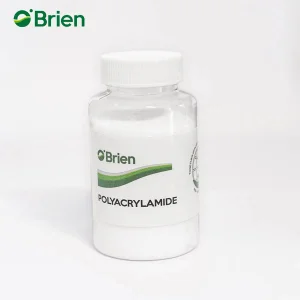
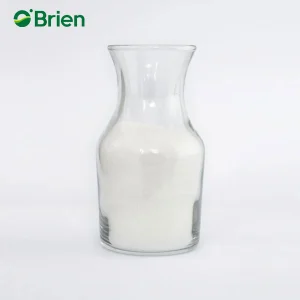
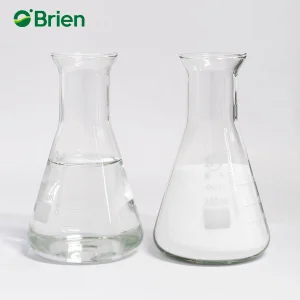
Polyacrylamide (PAM) is a synthetic resin prepared by polymerizing acrylamide. It is a white, solid, water-soluble polymer of acrylamide, mostly used as a flocculant, coagulant, and filtration aid in a whole range of applications that are determined by its physical form and its ionic type (nonionic, anionic, cationic, and Mannich). It is utilized in secondary oil recovery, as a thickening agent, a flocculant, and an absorbent. Moreover, polyacrylamide is also employed to separate macromolecules of different molecular weights.
Oubo Chemical Co., Ltd established in 2011 with an annual capacity breaking 50,000 Tons in 2018, provides perfect solutions tailored for multi-industry needs:
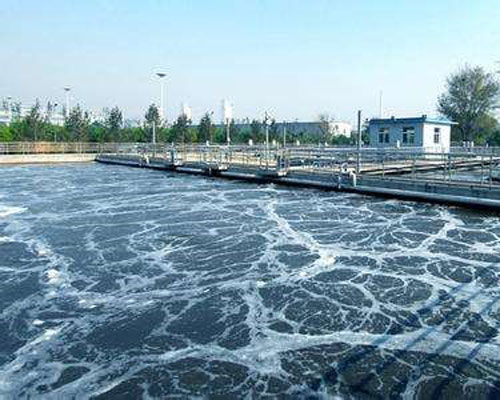
As a flocculating agent, mainly used in industrial solid-liquid separation process, including settlement, clarification, concentration, and sludge dewatering. Crucial for urban sewage, textile dyeing, paper making, leather, citric acid, and pharmaceutical effluents.
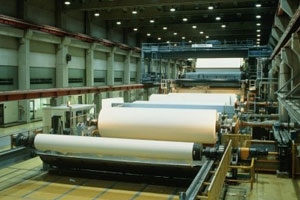
Functions as dry strength agents, retention aids, cationic garbage catchers, and dispersants. Enhances paper physical strength, reduces fiber loss, improves dewatering rates, and clarifies white water in deinking circuits.
Extensively applied in Enhanced Oil Recovery (EOR), profile control, plugging agents, shale inhibition, and fracturing fluid additives. Reduces fluid loss while lubricating drill bits and carrying drill cuttings.

Facilitates mineral separation, coal washing, tailings dewatering, and solid-liquid filtration across gold, silver, iron, copper, and nickel extraction plants.
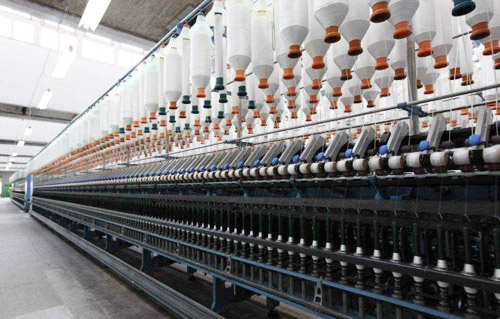
Applied directly as high-performance warp sizing agents, finishing agents, fabric modifiers, printing paste thickeners, and color-clarifying effluent flocculants.
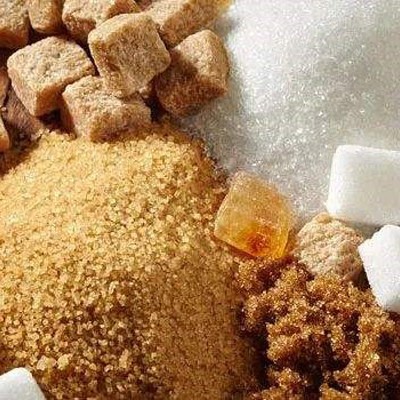
Utilized for rapid clarification, juice filtration, and flotation separation of organic suspended matter during sugarcane and sugar beet processing.
To ensure polymer integrity during long-distance maritime shipping, Oubo Chemical provides customized moisture-proof, export-grade packaging configurations:
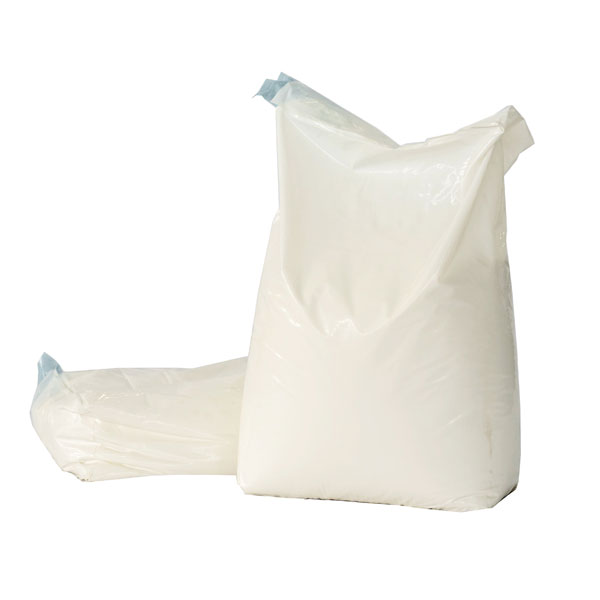
25kg multi-wall kraft paper or PE bags without branding, ideal for OEM distributors and international re-sellers.
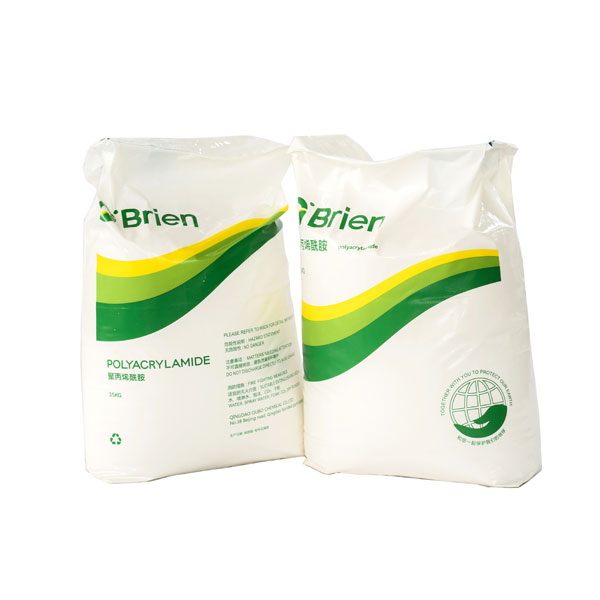
Original high-strength woven bags with inner plastic lining featuring full batch numbers, product specs, and handling codes.
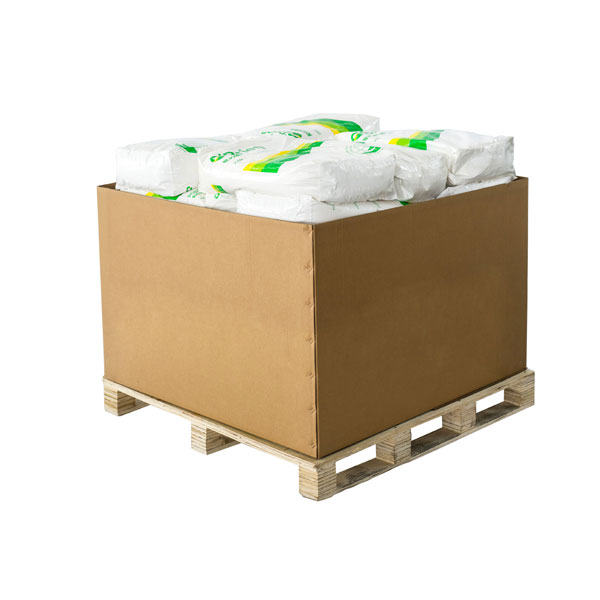
Heavy-duty bulk bags equipped with top loading spouts and bottom discharge chutes for automated plant dosing systems.
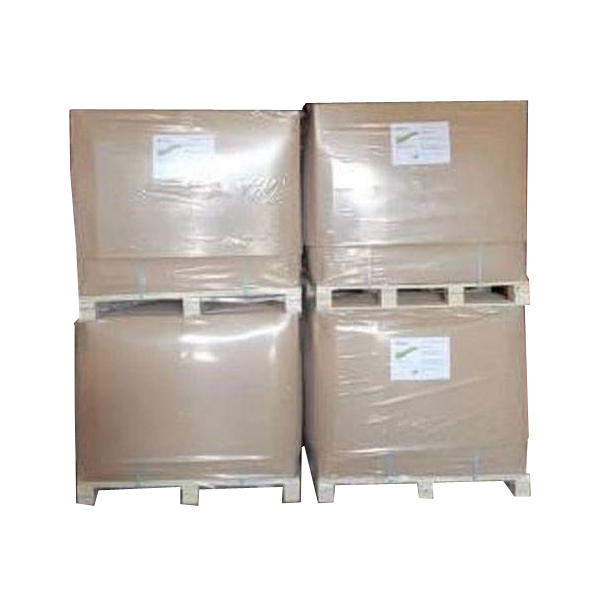
Fully wrapped, shrink-wrapped wooden or plastic pallets ensuring complete stackability, weatherproofing, and safe container transport.
Navigating international chemical standards and environmental requirements with expert technical assistance.
Chemical procurement in the modern textile industry requires strict adherence to international safety and environmental protocols. Acrylamide monomer, due to its low molecular weight, is closely scrutinized by international health authorities. Oubo Chemical guarantees that our polyacrylamide products maintain ultra-low residual acrylamide monomer (down to < 0.05% or 500 ppm for standard industrial grades, and < 0.025% for high-purity textile/water grades), ensuring full compliance with:
Oubo Chemical provides customized technical support throughout the procurement and application lifecycle. Our technical engineering team collaborates directly with plant supervisors in Southeast Asia, South America, the Middle East, Europe, and North America:
The global textile chemical auxiliary sector is undergoing a rapid transition toward eco-efficiency and digital integration. Key trends shaping the future of acrylamide and polyacrylamide usage include:
Answers to crucial technical, procurement, and application questions for textile chemical purchasers and plant managers.
Select from our specialized grades designed for industrial effluent treatment, pulp and paper, mining tailings, and textile processing.
 Oubo Chemical