Explore our top-tier white powder polymers engineered for rapid dissolution, target charge density, and optimal solid-liquid separation performance.
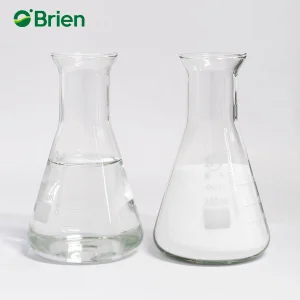
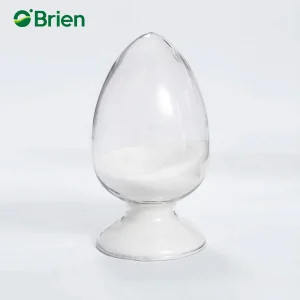
A deep dive into global chemical manufacturing trends, molecular weight engineering, and sustainable flocculant synthesis for procurement directors worldwide.
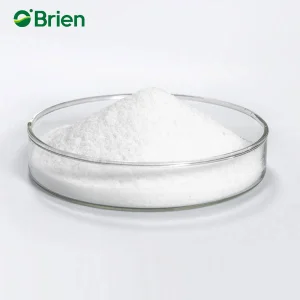
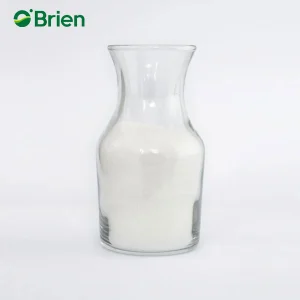
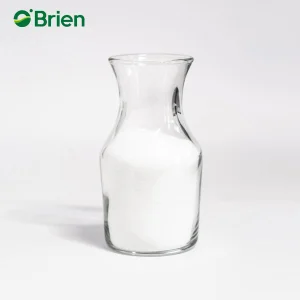
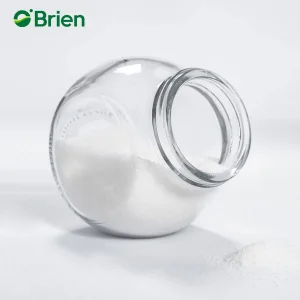
Polyacrylamide (PAM), structurally identified by its repeating acrylamide monomer units $[-\text{CH}_2\text{CH}(\text{CONH}_2)-]_n$, represents the gold standard of water-soluble synthetic organic polymers. Produced primarily as a granular white solid powder, PAM functions as a crucial chemical agent across municipal wastewater purification, oilfield tertiary recovery, heavy mineral refining, and advanced paper engineering. Global industrial demand for high-purity white powder polymers has intensified due to stringent ESG regulations, zero-liquid-discharge (ZLD) mandates, and the rising cost of industrial process water.
China has solidified its position as the world's primary hub for Polyacrylamide manufacturing, leveraging advanced bio-catalytic monomer synthesis, integrated supply chain resilience, and massive economies of scale. When evaluating China White Powder Manufacturers & Suppliers, international procurement teams must focus on key quality indicators: molecular weight stability, charge density precision, residual monomer concentration (<0.05%), and dissolution kinetics.
World-class manufacturing capability, patented biological production methods, and strategic global supply chain partnerships.
Oubo Chemical Co., Ltd was established in 2011 in the Free Trade Zone of Qingdao, China. We utilize innovative, patented biological methods to produce polyacrylamide, backing our product evolution with continuous research investments exceeding €2 hundred million annually.
Backed by ISO9001:2008 certification, our automated production lines process raw materials sourced from premier global leaders, including SINOPEC and Eni. Every batch undergoes 3 strict laboratory evaluations by our dedicated QC team prior to dispatch.
Our engineering team provides comprehensive pre-sales polymer selection, laboratory jar testing, full-scale plant trials, and post-sales process optimization. Our global brand O'brien delivers continuous performance enhancement tailored to customer satisfaction.
Polyacrylamide white powder is categorized into three major ionic structures based on active functional groups. Review technical benchmark specs below.
| Ionic Type | Molecular Weight (Million Daltons) | Charge Density / Hydrolysis Degree | Dissolution Time | Primary Industrial Application |
|---|---|---|---|---|
| Cationic (CPAM) | 8.0 – 15.0 | 10% – 80% (Ionicity) | ≤ 60 Minutes | Municipal Sludge Dewatering, Organic Wastewater, Belt Press Operations |
| Anionic (APAM) | 12.0 – 25.0 | 10% – 60% (Hydrolysis) | ≤ 50 Minutes | Mineral Processing, Coal Washing, Industrial Clarification, Paper Retention |
| Nonionic (NPAM) | 6.0 – 12.0 | ≤ 3% (Nonionic) | ≤ 90 Minutes | Acidic Wastewater Flocculation, Soil Conservation, Oilfield Drilling Fluid |
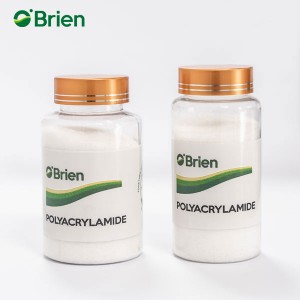
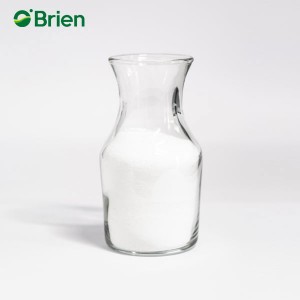
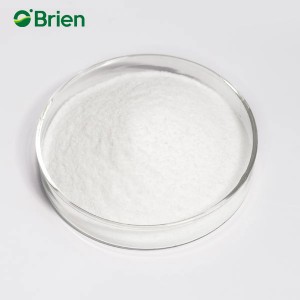
Oubo Polyacrylamide provides tailored chemical solutions across key global industrial sectors, maximizing process efficiency and operational safety.
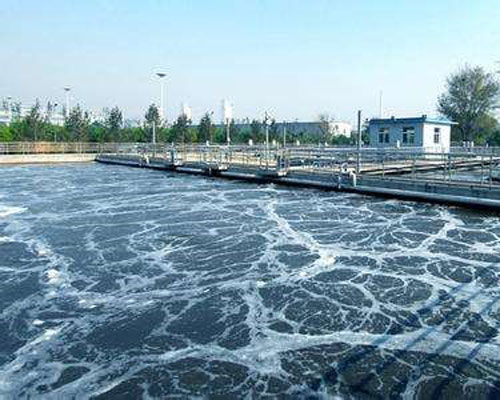
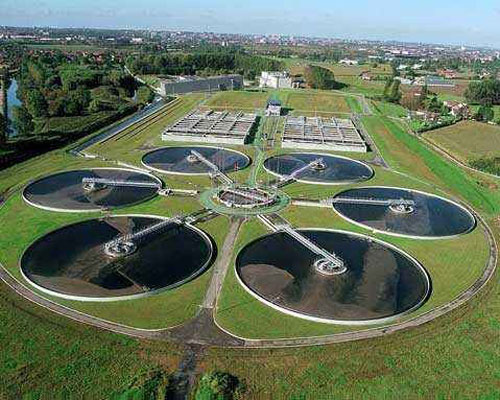
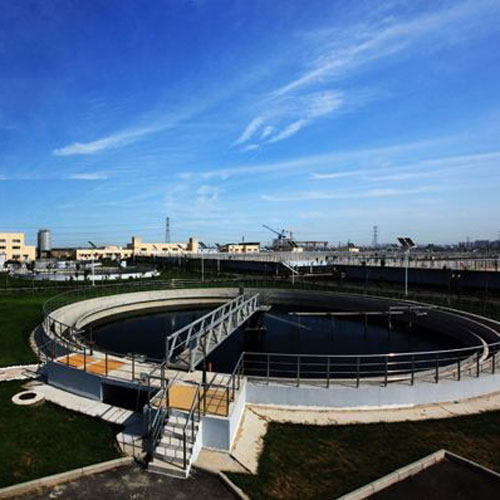
In solid-liquid separation processes, Polyacrylamide acts as a high-efficiency flocculating agent during settlement, clarification, concentration, and sludge dewatering. As environmental regulations become increasingly stringent globally, our PAM white powder plays a vital role in municipal sewage treatment, leather effluent, citric acid processing, pharmaceutical wastewater, incense production, and industrial effluent recycling.
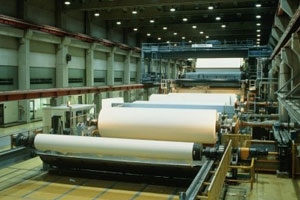
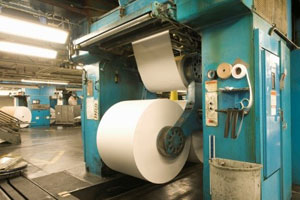
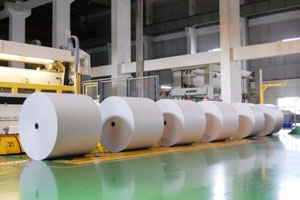
Polyacrylamide serves as a retention aid, drainage aid, paper strength agent, and dispersant in papermaking wet-end processing. It neutralizes anionic garbage, improves fine fiber retention rates, accelerates white water drainage, enhances paper physical tensile strength, and reduces raw material consumption costs during deinking and recycling.
Polyacrylamide powder is essential in tertiary oil recovery (EOR), profile control, plugging agents, and fracturing fluid additives. It provides viscosity control, reduces drilling fluid loss, offers shale inhibition, lubricates drill bits, and improves oil sweep efficiency in challenging geological formations.


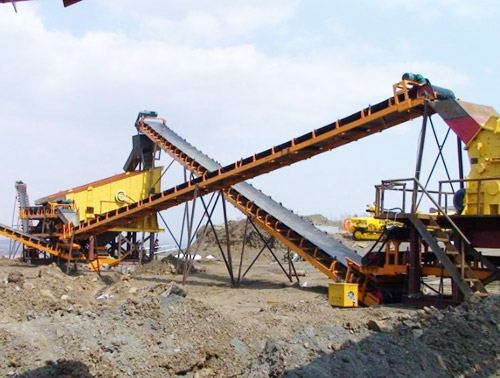
Extensively used in coal washing, tailings dewatering, and solid-liquid separation via filtration and centrifugation. Our non-ionic, anionic, and cationic PAM series optimize recovery efficiency for mineral slurries containing Gold, Silver, Iron, Nickel, Copper, and Alumina.


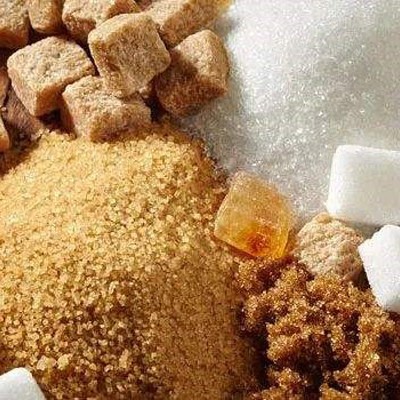
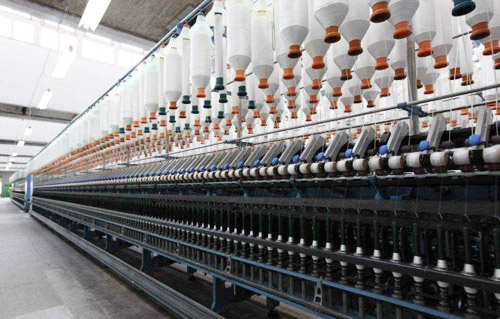
In sugar production, high-purity PAM facilitates rapid clarification and flotation of cane and beet sugar juice. In textiles, PAM operates as a stabilizing sizing agent, finishing aid, and fabric treatment chemical that improves weaving productivity and color retention.
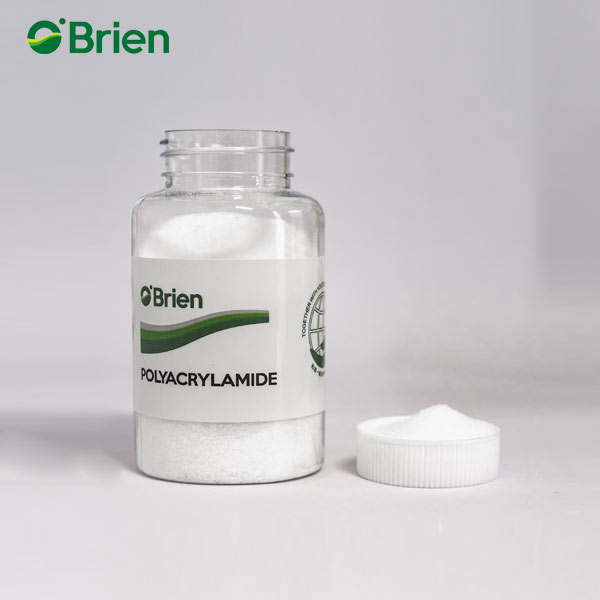

Robust moisture-proof packaging options ensuring long shelf life and safe transoceanic transit.
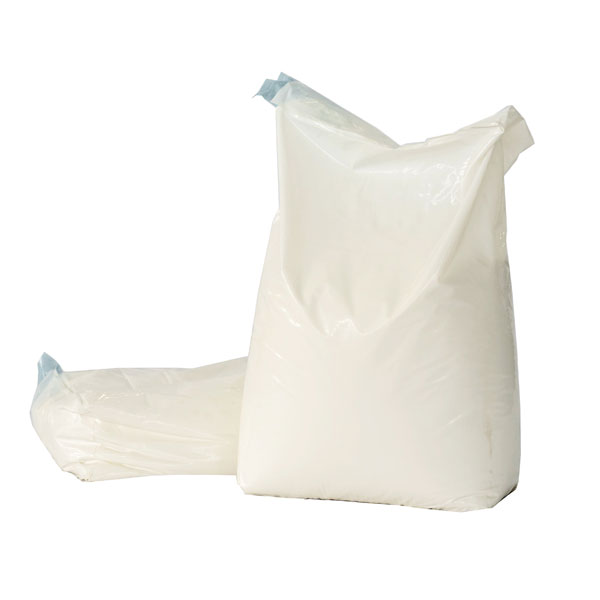
25kg Kraft paper / PE inner bag with unbranded surface for custom distributor re-labeling.
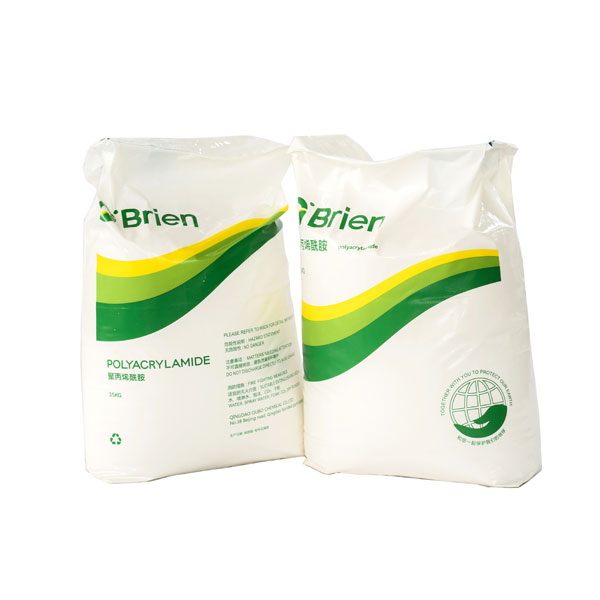
Standard heavy-duty printed bag featuring batch tracking numbers and safety handling icons.
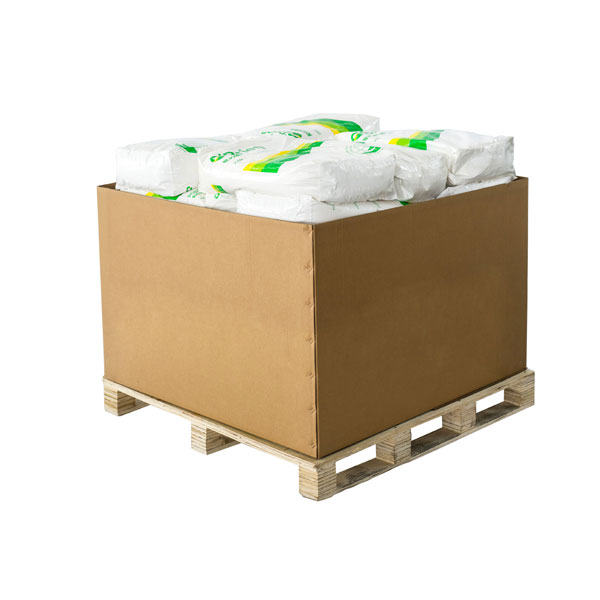
750kg / 1000kg Big Bags designed for automated plant hopper dosing systems.
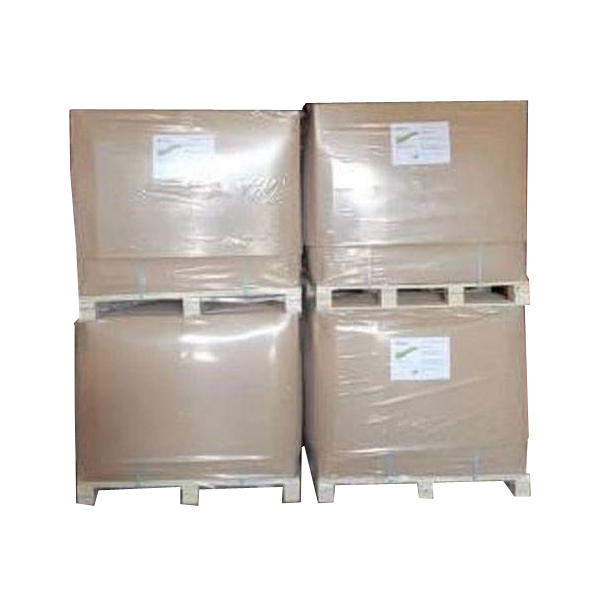
Fumigated wooden/plastic pallets, shrink-wrapped for sea freight stability.
Pioneering green monomer synthesis, high-shear resistant molecular chains, and smart dosing compatibility.
Developing bio-catalytic enzyme processes that reduce residual free acrylamide monomer levels below 100 ppm, exceeding strict European and North American drinking water standards.
Synthesizing modified acrylamide copolymers tailored for high-salinity and high-temperature oilfield reservoirs, maintaining structural viscosity up to 120°C.
Engineering eco-friendly backbone modifications that facilitate natural breakdown post-water treatment, minimizing long-term soil accumulation.
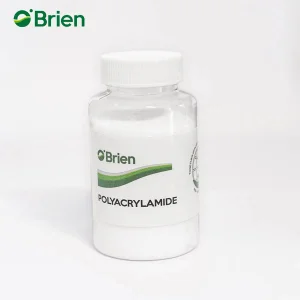
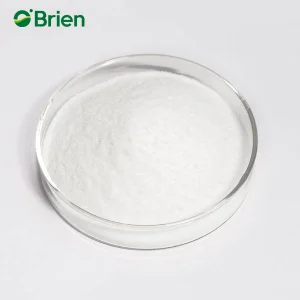
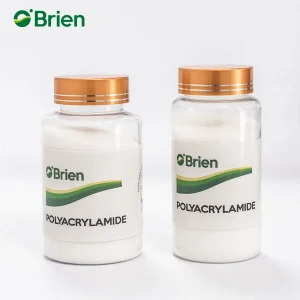
Browse specialized application-grade polyacrylamide formulations manufactured for international distribution.
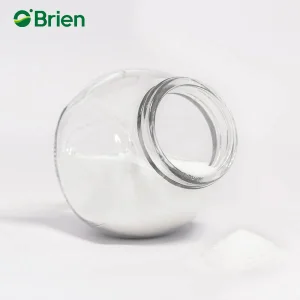
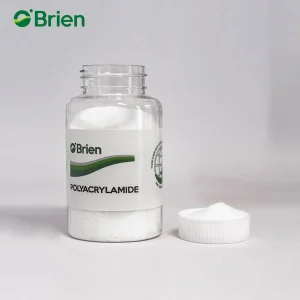
Get expert insights into polymer selection, solution preparation, dosage calculations, and storage practices.
Selection depends primarily on the electrical charge of the suspended particles in your water or slurry system. Anionic PAM (APAM) is ideal for inorganic solids (e.g., minerals, sand, metal hydroxides). Cationic PAM (CPAM) is designed for organic-rich sludge dewatering (e.g., municipal sewage, food processing waste). Nonionic PAM (NPAM) works best in highly acidic environments or complex combined mineral-organic suspensions.
Polyacrylamide white powder should typically be dissolved in clean water at a concentration of 0.1% to 0.3% (w/v). Slowly sprinkle the powder into a vortex created by a mechanical stirrer running at 200–400 RPM to prevent lump formation ("fish eyes"). Agitate for 45–60 minutes until completely dissolved before dosing.
Our manufacturing processes are fully automated and ISO9001 certified. We source raw acrylamide monomers from world-class producers like SINOPEC and Eni. Each batch is sampled 3 times during production and tested for molecular weight, charge density, insoluble matter, and residual monomer levels prior to release.
Dry white powder Polyacrylamide has a shelf life of 24 months when stored in unopened original packaging in a cool, dry, and well-ventilated room below 35°C. Once prepared as a liquid stock solution, APAM and NPAM solutions remain stable for up to 7–10 days, while CPAM solutions should be consumed within 24–48 hours for maximum effectiveness.
 Oubo Chemical