China Water Treatment Products Suppliers & Factories

Executive Technical Whitepaper on Advanced Polyacrylamide (PAM) Polymers, Bio-Catalytic Synthesis, Industrial Flocculation, and Global Supply Chain Resilience by Qingdao Oubo Chemical

Featured Water Treatment Polymers (Top Tier Solutions)

Explore our primary line of high-purity Polyacrylamide flocculants engineered for extreme solid-liquid separation efficiency across mining, municipal wastewater, and industrial effluent processing.
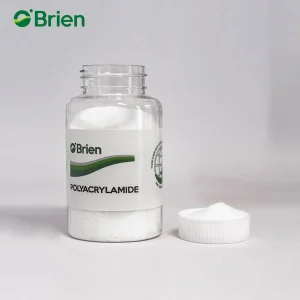
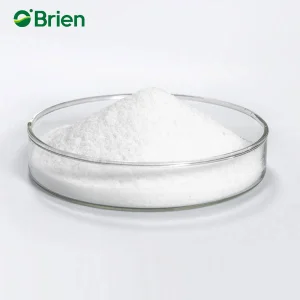
Wholesale Nonionic Polyacrylamide (NPAM) for Mineral Processing
Wholesale Nonionic Polyacrylamide (NPAM) for Mineral Processing & Metallurgical Ore Dressing Suppliers, Factories
View Product Details
Wholesale Cationic Polyacrylamide Flocculant for Textile Wastewater
Wholesale Cationic Polyacrylamide (CAS 9003-05-8) Flocculant for Textile & Dyeing Wastewater Manufacturer, Supplier
View Product Details
China Nonionic Polyacrylamide Flocculant Acidic Wastewater Treatment
China Nonionic Polyacrylamide Flocculant for Acidic Industrial Wastewater Treatment Manufacturers, Factories
View Product Details
China Nonionic Polyacrylamide Suppliers
China Nonionic Polyacrylamide Manufacturers, Supplier
View Product Details
Wholesale Anionic Polyacrylamide Powder Flocculant
Wholesale Anionic Polyacrylamide Powder Flocculant for Food Processing & Sugar Refining Wastewater Manufacturer, Factories
View Product Details
Wholesale Cationic Polyacrylamide Supplier for Sludge Dewatering
Wholesale Cationic Polyacrylamide (CPAM) for Sludge Dewatering & Industrial Wastewater Flocculation Supplier, Factories
View Product Details
Wholesale High Molecular Weight Polyacrylamide Coal Washing
Wholesale High Molecular Weight Nonionic Polyacrylamide for Coal Washing & Tailings Dewatering Manufacturers, Suppliers
View Product Details
Wholesale High Molecular Weight Anionic Polyacrylamide
Wholesale High Molecular Weight Anionic Polyacrylamide for Petrochemical & Metallurgical Wastewater Suppliers, Factories
View Product Details

1. Corporate Profile & Manufacturing Ecosystem

Established in 2011 within the Free Trade Zone of Qingdao, China, Qingdao Oubo Chemical Co., Ltd. has established itself as an authoritative global manufacturer in synthetic resin polymer science.

50,000+
Metric Tons Annual Capacity
€200M
Accumulated R&D Investment
10%
Year-over-Year Growth
ISO 9001
Quality Management Certified

About Oubo Chemical Co., Ltd

Oubo Chemical Co., Ltd was established in 2011, which is located in the Free Trade Zone of Qingdao, China. The QC system of O'Brien is strict and comprehensive; in the past 10 years, the business growth rate is 10% per year. Qingdao Oubo Chemical Co, Ltd is highly committed to quality, service, and pays more attention to the influence of the environment during polymer production and application.

Oubo specializes in supplying Cationic Polyacrylamide, Anionic Polyacrylamide, and Nonionic Polyacrylamide. We have advanced equipment and professional staff, which ensure all the products and services to be in good order. The annual capacity of polyacrylamide has broken through 50,000 Tons in 2018, and the quality management system of Oubo has been certified by ISO9001:2008. We proudly stand behind our product.

The Oubo Strategic Commitment

Oubo Chemical team has established a professional team to help our customers with their specific application of PAM. Our brand O'brien has been accepted by clients worldwide.

Our strategic action depends on continuous performance improvement and is absolutely oriented to our customers' satisfaction. We will do our best to provide professional service with superior quality to our customers, and never stopping research on new products and applications, to achieve the goal which is to protect our planet with you. With the fast development of our factory, we will do our best to be competitive always thinking about our customers.

Information Gain Insight: Unlike standard chemical traders, Oubo Chemical leverages direct biological enzymatic catalysis for acrylamide synthesis. This patented process drastically reduces residual acrylamide monomer (AM) concentrations to sub-500 ppm levels, rendering polymers safer for delicate environmental applications while cutting carbon emissions during polymerization by up to 28%.

2. Technical Synthesis & Molecular Architecture of Polyacrylamide

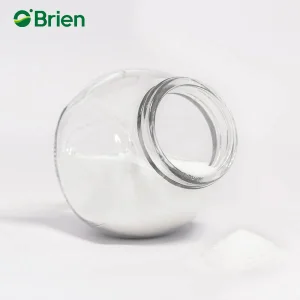
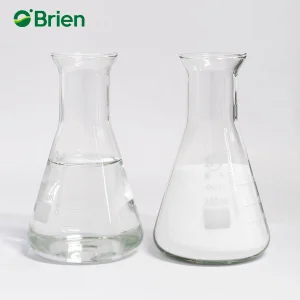
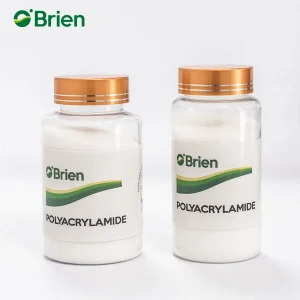
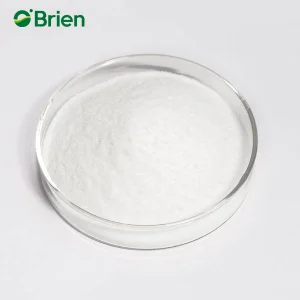
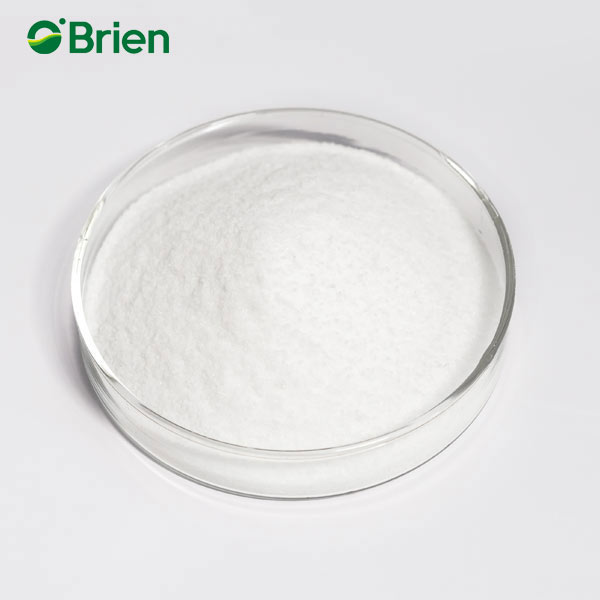
Polyacrylamide (PAM) is a synthetic resin prepared by polymerizing acrylamide. It is a white, solid, water-soluble polymer of acrylamide, mostly used as a flocculant, coagulant, and filtration aid across diverse industrial domains.

Anionic Polyacrylamide (APAM)

Synthesized via copolymerization of acrylamide and acrylic acid monomers. APAM carries negative ionic charges along its polymer backbone. It exhibits high intrinsic viscosity and exceptional chain expansion in neutral to alkaline pH environments.

Primary Mechanism: Charge neutralization and bridging adsorption on positively charged inorganic suspended solids such as clay, silica, and metallic oxides.

MW Range: 6 Million to 25 Million Daltons.

Cationic Polyacrylamide (CPAM)

Formulated by copolymerizing acrylamide with cationic monomers such as DAC (Acryloyloxyethyltrimethyl ammonium chloride) or DMC (Methacryloyloxyethyltrimethyl ammonium chloride). CAS Registry: 9003-05-8.

Primary Mechanism: Neutralization of negatively charged organic colloids, facilitating dense sludge cake formation during mechanical dewatering.

Charge Density: 5% to 80% ionic substitution.

Nonionic Polyacrylamide (NPAM)

A homopolymer of pure acrylamide offering neutral surface charge characteristics. NPAM relies predominantly on hydrogen bonding mechanisms rather than electrostatic attraction to bind micro-particles.

Primary Mechanism: Flocculation under strongly acidic wastewater conditions where ionic charges are suppressed, or in complex multi-mineral pulp slurries.

MW Range: 3 Million to 15 Million Daltons.

Polymer Type Ionic Charge (%) Molecular Weight (Million) Optimal pH Range Primary Industrial Sector
APAM (Anionic) 5 - 60% 8.0 - 25.0 7.0 - 14.0 Coal Washing, Metallurgical Tailings, Paper Retention
CPAM (Cationic) 5 - 80% 4.0 - 12.0 1.0 - 8.0 Municipal Sludge Dewatering, Textile Effluent, Biological Waste
NPAM (Nonionic) 0 - 2% 3.0 - 15.0 1.0 - 8.0 Acidic Leach Mining, Soil Stabilization, Oil Drilling Mud
Mannich PAM 20 - 50% (Amine) 5.0 - 10.0 4.0 - 9.0 High-solids Industrial Sewage, Tannery Effluent

3. Global Procurement Trends & China Industry 4.0 Resilience

As global environmental standards tighten (such as EU REACH, Zero Liquid Discharge mandates, and US EPA effluent limits), enterprise buyers require stable, high-performance polymers with transparent supply chains.

Global Enterprise Procurement Requirements

  • Batch-to-Batch Consistency: Enterprise clients demand strict variance tolerances (<2%) in molecular weight distribution and dissolution speeds to prevent chemical dosing recalibration downtime.
  • Supply Chain Traceability: Raw material sourcing stability is vital. Oubo's supply chain integrates raw materials from premier global petrochemical leaders including SINOPEC, Eni, and other Tier-1 suppliers.
  • ESG & Low-Carbon Compliance: Procurement divisions prioritize chemical suppliers utilizing low-energy biological production methods over energy-intensive chemical catalysis.

China Industry 4.0: Factory Efficiency

  • Biological Method Manufacturing: We utilize state-of-the-art biological enzymatic synthesis to produce polyacrylamide, a technology protected under key patent applications with annual R&D backing of €2 Million.
  • Automated Synthesis Lines: All production lines feature fully integrated SCADA system automation, minimizing human variance and ensuring triple QC sampling per batch prior to dispatch.
  • Free Trade Zone Advantage: Located in the Qingdao FTZ, Oubo benefits from integrated deep-water port logistics, permitting ultra-fast export clearance and reduced maritime transit times worldwide.

So Why OuBo Chemical

Four core pillars underpinning our global chemical supply dominance, quality guarantee, and technical pre-sales engineering capabilities.

Professional Producer

Qingdao OUBO Chemical Co., Ltd is the leading manufacturer of Polyacrylamide in the world. We use biological methods to produce polyacrylamide, which has patents applied for. We put €2 hundred million into research per year for more technical accumulation.

Quality Assurance

Global supplying chain. All materials are purchased from all over the world; our suppliers include SINOPEC, Eni, and so on. All of the production lines are automatic. All products comply with ISO9001, and each batch product is tested 3 times before delivery by our QC team.

Specialized & Efficient

We specialized in manufacturing Polyacrylamide for 8+ years with superior quality and competitive price. Our technical team joins in pre-sales, sales, and after-sales processes to support you in product selection, lab testing, and field application tuning.

Technical Support

Our dedicated technical engineers participate directly in pre-sales, sales, and after-sales processes to support you in polymer selection, laboratory jar testing, onsite pilot testing, and ongoing operational troubleshooting. We promise: a professional team to help you make the right choice.

4. Industrial Applications & Field Field Benchmarks

Oubo's tailored polymer chemistry provides comprehensive, high-efficiency solutions across major global industrial sectors.

Water Treatment Industry

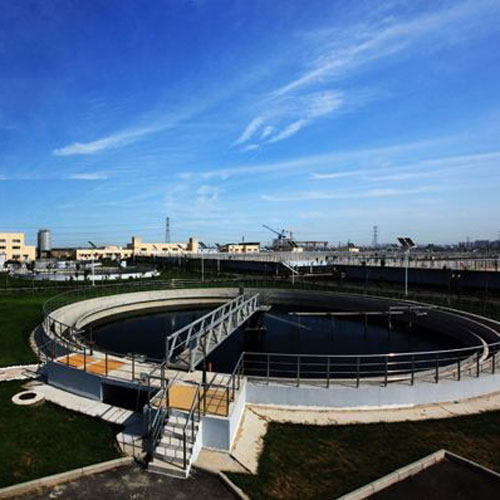
As a flocculating agent, mainly used in industrial solid-liquid separation processes, including settlement, clarification, concentration, and sludge dewatering processes. Polyacrylamide plays an important role in municipal sewage treatment and industrial wastewater treatment. Increasingly stringent regulations promote the development of the water treatment industry.

For municipal sewage treatment industry, it is also widely used in leather, paper making, citric acid, vegetable protein extract, dyeing, pharmaceutical, incense, etc.

Applications for major sectors: Urban Sewage Treatment, Paper, Food Processing, Petrochemical, Metallurgical Processing, Dyeing, Sugar, and all kinds of industrial wastewater treatment.
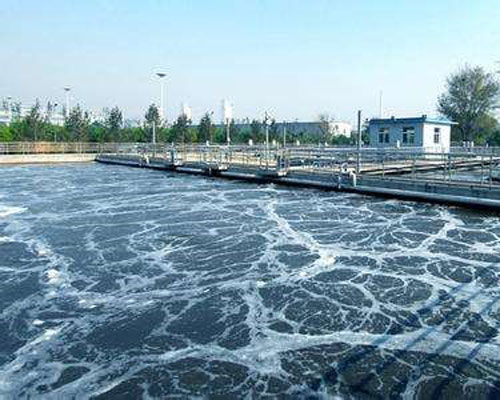
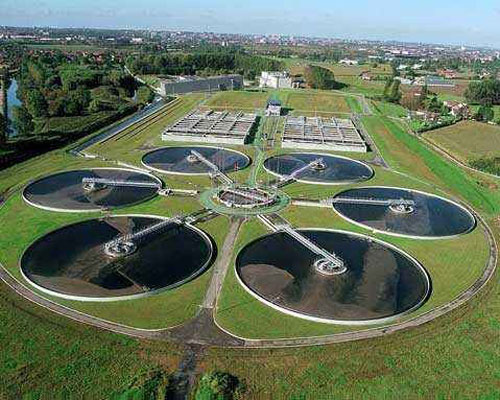
Municipal Water Treatment Plant Industrial Sludge Dewatering Clarifier Water Filtration System Effluent Clarification Facility

Paper & Pulp Industry

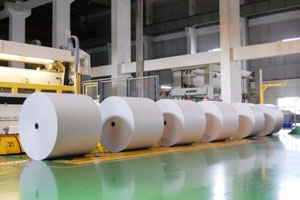
In the paper industry, PAM can be used as dry strength agents, retention agents, and filter aids. They greatly improve paper quality, enhance physical strength, and reduce fiber loss. They are simultaneously utilized in white water treatment and deinking flocculation.
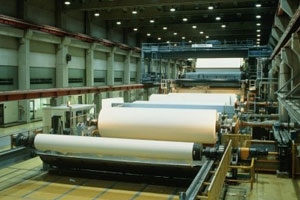
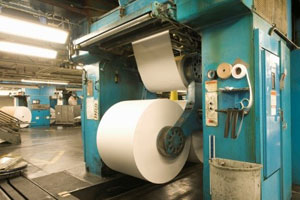
  • Paper Retention Agent: Improves retention rates of short fiber fillers and filling materials, boosting dewatering speed while reducing raw material waste.
  • Anionic Garbage Capture Agent: Neutralizes anionic charge on micro-fibers and organic contaminants, balancing wet-end chemistry.
  • Paper Strength Agent: Ionizes across the pH spectrum, forming covalent and ionic bonds with pulp fiber to enhance tensile and bursting strength.
  • Paper Dispersant Agent: Promotes fiber dispersion for uniform sheet formation, softness, and toughness.
Paper Manufacturing Line Pulp Dewatering Process Paper Roll Production

Oilfield & EOR Exploration

Polyacrylamide is widely used in oil exploration, profile control, plugging agents, drilling fluids, and fracturing fluid additives. It effectively reduces drilling fluid loss, enhances shale inhibition, provides cooling/lubrication to drill bits, and assists carrying cuttings and well cementing.

Key Application Domains:

  • Enhanced Oil Recovery (EOR tertiary polymer flooding)
  • Friction Reducers for Hydraulic Fracturing Fluids
  • Rheology Modifiers & Shale Inhibitors for Drilling Mud
  • Oil Sands Tailings Flocculation & Water Recycling
Oilfield Drilling Installation EOR Polymer Dosing Station Petrochemical Processing Facility

Mining & Mineral Processing

Polyacrylamide is widely applied across mineral processing plants. It separates valuable minerals from gangue slime, acts as a high-speed thickener flocculant, and seals mining conduits. Our comprehensive portfolio includes nonionic, anionic, and cationic polymers at tailored molecular weights for:

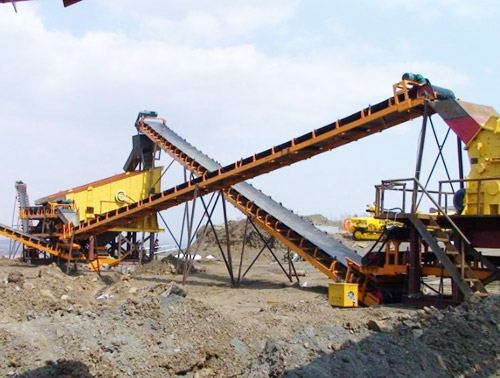
  • Coal Washing Slurry Clarification
  • Tailings Management & Dry Stacking Dewatering
  • Solid-Liquid Separation by Vacuum Filtration & Centrifugation
  • Hydrometallurgical Extraction (Gold, Silver, Iron, Nickel, Copper, Lithium)
Coal Washing Settling Tank Mining Tailings Thickener Mineral Solid Liquid Separation

Sugar & Food Refining

Polyacrylamide is utilized in sugarcane and sugar beet juice clarification, mud settling, and syrup flotation. Food-grade ultra-low residual monomer PAM products ensure fast flocs formation and clear juice overflow, lowering color bodies and maximizing sugar recovery yields.
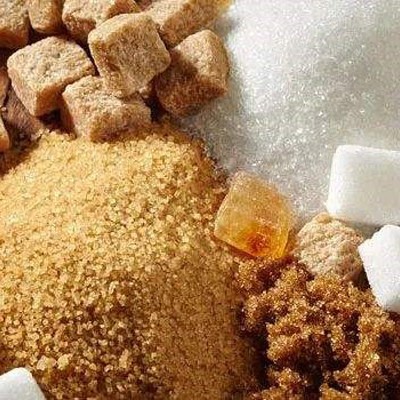
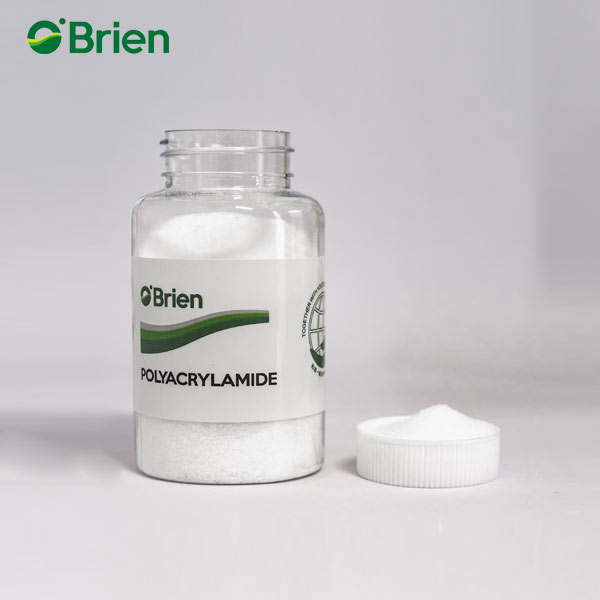
Sugar Juice Clarification Tanks Sugar Refinery Plant

Textile & Dyeing Effluent

In textile processing, PAM acts as a sizing agent, finishing auxiliary, and fabric treating agent. In wastewater, cationic and anionic PAM efficiently break dye emulsions, remove COD/BOD, and decolorize complex aromatic dye streams.
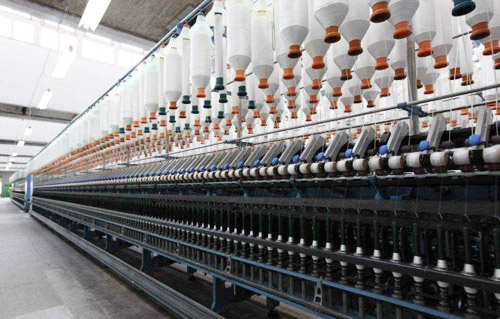
Textile Dyeing Wastewater Treatment Fabric Processing Auxiliaries Industrial Dye House Effluent

PACKAGE DETAILS & LOGISTICS RIGOR

To protect moisture-sensitive polyacrylamide powders during transoceanic shipping, Oubo supplies standardized multi-layer moisture barrier packaging options.
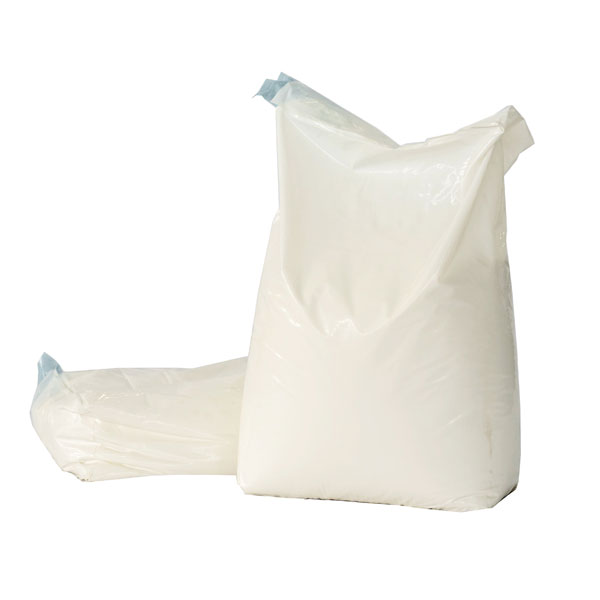
Blank Bag Packaging
Blank-bag (Neutral OEM Packaging)

Unbranded 25kg craft paper bags with PE inner liner, ideal for private label distributors.
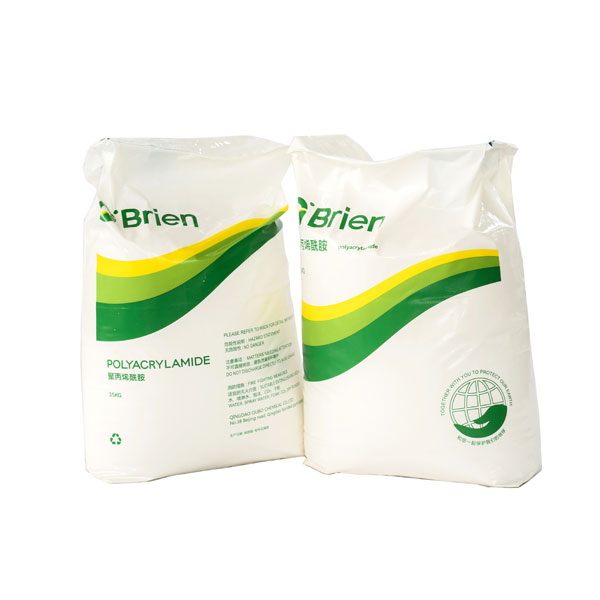
Normal Bag Packaging
Normal-bag (Standard Oubo / O'brien Brand)

Standard English technical markings including lot numbers, purity ratings, and safety icons.
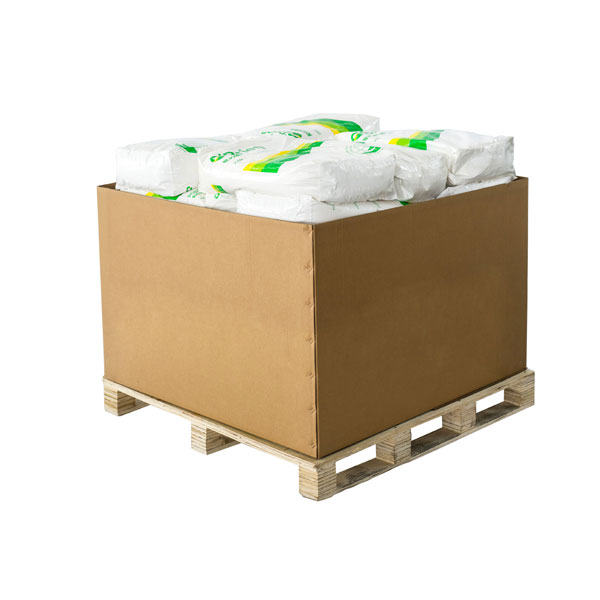
Bulk Package Jumbo Bags
Package (750kg / 1000kg FIBC Jumbo Bags)

Heavy-duty woven bulk bags for automated dissolution dosing silos in automated plants.
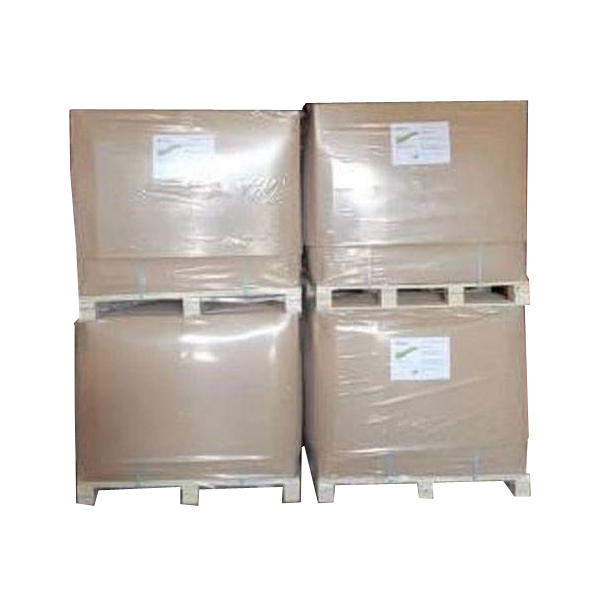
Fumigated Pallet Wrapping
Palletized & Stretch Wrapped Logistics

ISPM 15 compliant heat-treated pallets wrapped in UV-resistant film for sea container freight.

Comprehensive Product Catalog (Extended Polymer Series)

Explore our extended formulations engineered for specialty papermaking strength, acidic mine drainage, and high-shear municipal sludge dewatering.
Wholesale Cationic Polyacrylamide Powder Wastewater Treatment
Wholesale Cationic Polyacrylamide Powder for Municipal & Industrial Wastewater Treatment Supplier, Suppliers
View Product Details
China Nonionic Polyacrylamide Thickener Oilfield Drilling
China Nonionic Polyacrylamide (PAM) Thickener for Oilfield Drilling Fluid Manufacturers, Suppliers
View Product Details
China PAM Anionic Polyacrylamide Paper Strength Agent
China PAM Anionic Polyacrylamide Dry & Wet Strength Agent for Paper Industry Manufacturers, Factories
View Product Details
Wholesale PAM Anionic Polyacrylamide Suppliers
Wholesale PAM Anionic Polyacrylamide Manufacturer, Suppliers
View Product Details
China Cationic Polyacrylamide Paper Making Retention Aid
China Cationic Polyacrylamide Retention & Drainage Aid for Paper Making Industry Supplier, Factories
View Product Details
Wholesale Anionic Polyacrylamide Suppliers
Wholesale Anionic Polyacrylamide Manufacturers, Supplier
View Product Details
China Cationic Polyacrylamide Manufacturer Supplier
China Cationic polyacrylamide Manufacturer, Supplier
View Product Details
Wholesale Anionic Polyacrylamide APAM Sewage Treatment
Wholesale Anionic Polyacrylamide (APAM) for Municipal Sewage Treatment & Sludge Dewatering Manufacturers, Suppliers
View Product Details

5. Technical FAQ: Global Procurement & Polymer Selection Guide

Answers to critical technical queries compiled by Oubo Chemical's senior application engineering team.
Q: How do I determine whether Anionic, Cationic, or Nonionic Polyacrylamide is required for my plant?
A: Selection depends on the zeta potential (surface charge) of your suspended solids. Inorganic suspensions (like sand, clay, mineral tailings) generally carry positive charges and respond best to Anionic Polyacrylamide (APAM). Organic sludges (such as municipal biological sewage, textile dye waste, or food waste) possess negative charges, requiring Cationic Polyacrylamide (CPAM). Neutral charges or highly acidic mineral slurries require Nonionic Polyacrylamide (NPAM). We recommend performing laboratory jar testing to optimize charge density selection.
Q: What is the advantage of Oubo's biological synthesis process over traditional chemical catalysis?
A: Traditional chemical catalysis utilizes copper catalysts, leaving copper ion impurities and higher unreacted acrylamide monomer (AM) residues in the final polymer. Oubo's patented bio-enzymatic synthesis produces hyper-pure acrylamide under ambient temperatures, ensuring residual AM content stays strictly below 500 ppm (0.05%). This delivers higher molecular weights (up to 25M Daltons) and superior environmental compliance.
Q: What are the optimal dissolution parameters for dry polyacrylamide powder?
A: Polymer powder should be dissolved in clean water at concentrations between 0.1% and 0.3% (w/v). Water temperature should ideally be between 20°C and 40°C. High-shear mixing must be avoided to prevent mechanical degradation of polymer chains; utilize gentle mechanical agitating impellers at 200–400 RPM for 45–60 minutes until completely dissolved.
Q: What is the shelf life and proper storage condition for Oubo PAM products?
A: Dry powder polyacrylamide has a shelf life of 24 months when stored in original sealed packaging in a cool, dry, ventilated warehouse away from direct sunlight and humidity. Prepared liquid polymer solutions should be consumed within 24 to 48 hours to prevent chain hydrolysis and loss of flocculating performance.
Q: Can Oubo Chemical customize molecular weight and charge degree for private-label OEMs?
A: Yes. Operating automated batch polymerization reactors with an annual capacity exceeding 50,000 metric tons, Oubo tailors molecular weight (3M to 25M Daltons), cationic degree (5% to 80%), and anionic hydrolysis levels according to customized customer specifications and localized raw water profiles.