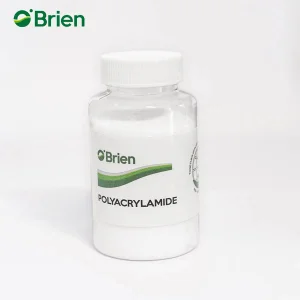
Explore our premium selection of Anionic, Cationic, and Nonionic Polyacrylamide flocculants engineered for municipal sewage, petrochemical effluent, mineral processing, and industrial wastewater treatment.
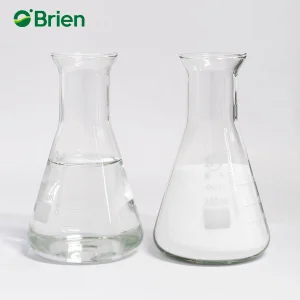
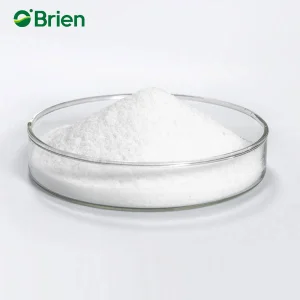
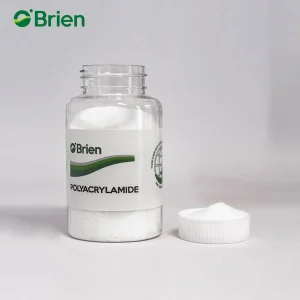
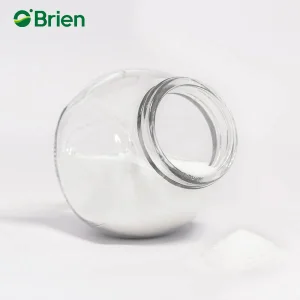
Polyacrylamide (PAM, CAS 9003-05-8) stands as the cornerstone chemical architecture for modern solid-liquid separation processes, municipal sewage purification, enhanced oil recovery (EOR), and industrial process intensification worldwide. As environmental regulatory frameworks become increasingly stringent under global directives—such as the US EPA Effluent Guidelines, European REACH regulations, and China's Zero Liquid Discharge (ZLD) mandates—industrial operations require water treatment polymers engineered with precise molecular weight distribution, controllable charge density, and low residual monomer toxicity.
Qingdao Oubo Chemical Co., Ltd. (O'brien Chemical) has established itself at the forefront of modern polymer chemistry. Headquartered in the Free Trade Zone of Qingdao, China, Oubo leverages strategic coastal logistics, direct raw-material integration with global chemical leaders such as SINOPEC and Eni, and proprietary bio-catalytic monomer synthesis to supply high-performance PAM reagents worldwide.
Unlike legacy manufacturers utilizing chemical hydration (sulfuric acid/nitric acid catalysis) for acrylamide monomer synthesis—which introduces unwanted copper ions, sulfate impurities, and broader molecular weight variance—Oubo Chemical utilizes advanced microbial enzymatic bio-catalysis. This bio-method yields ultra-pure acrylamide monomer (AM) with minimal residual acrylamide (AMD < 0.05%), enabling superior polymer linearity, ultra-high molecular weight achievable up to 30 Million Daltons, and unexcelled flocculation efficiency in sensitive municipal and industrial streams.
Rising urbanization demands rapid sludge dewatering and high-clarity effluent. Our specialized cationic polyacrylamide (CPAM) variants facilitate rapid flocs formation, reducing moisture content in filter cakes for centrifuge and belt filter press systems.
Tight industrial water reuse targets in textile, mining, and chemical processing necessitate high-performance anionic polyacrylamide (APAM) and nonionic (NPAM) polymers tailored for extreme pH, high salinity, and elevated suspended solids (TSS).
In tertiary oil recovery and deep-well drilling, thermal stability and shear resistance are paramount. Oubo's specialized PAM thickeners withstand high temperatures and high shear, maximizing fluid rheology and oil displacement yield.
Polyacrylamide is a synthetic water-soluble polymer built from acrylamide subunits $[-\text{CH}_2-\text{CH}(\text{CONH}_2)-]_n$. Depending on the copolymerized functional monomers, charge density, molecular weight, and structural configuration, PAM is categorized into four primary ionic classes:
| Polymer Ionic Type | Functional Monomer Architecture | Molecular Weight (Million Da) | Charge Density / Hydrolysis | Primary Industrial Applications |
|---|---|---|---|---|
| Anionic Polyacrylamide (APAM) | Acrylamide + Sodium Acrylate (AA) copolymer | 6 - 30 Million | 10% - 60% Anionic Charge | Metallurgical wastewater, coal washing, river dredging, paper retention aid, neutral/alkaline sludge settling. |
| Cationic Polyacrylamide (CPAM) | Acrylamide + DAC / DMC (Cationic Monomers) | 5 - 15 Million | 5% - 80% Cationic Charge | Municipal sewage sludge dewatering, organic wastewater (textile, food processing, tannery), paper strength. |
| Nonionic Polyacrylamide (NPAM) | Pure Homopolymerized Acrylamide | 3 - 15 Million | Hydrolysis < 5% | Acidic industrial effluent, soil stabilization, mineral leaching in low-pH environments, targeted filtration. |
| Amphoteric & Mannich PAM | Dual Cationic/Anionic backbones & Formaldehyde/Amine modification | 4 - 12 Million | Balanced variable charge | Complex refractive wastewater, sludge with shifting pH/charge dynamics, specialized paper wet-end systems. |
The application performance of Oubo Polyacrylamide relies on three primary chemical mechanisms:
Oubo Chemical manufactures specialized grades tailored to the operational parameters of distinct global industries. Our chemical engineering team provides customized dosing formulations based on jar testing and effluent characterization.
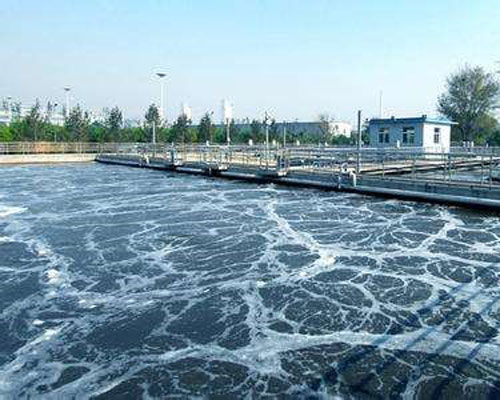 Water Treatment & Municipal Sewage
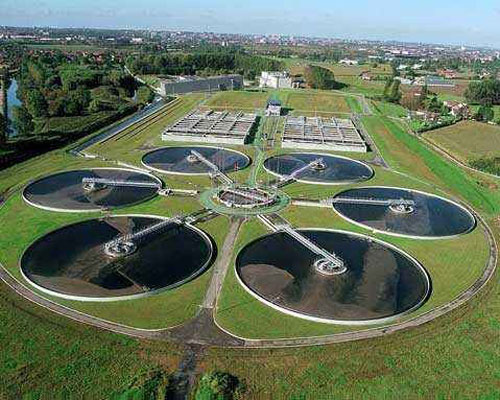
In solid-liquid separation, municipal wastewater facilities face diverse sludge challenges. CPAM flocculants act as dewatering agents for belt presses, chamber filter presses, and decanter centrifuges. They increase cake dry solids concentration while leaving clear filtrate, reducing haul-off costs.
 Pulp & Paper Industry Solutions
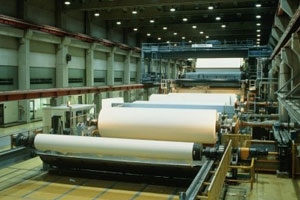
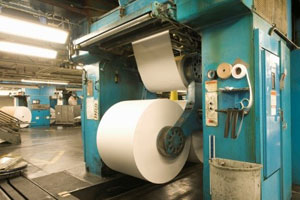
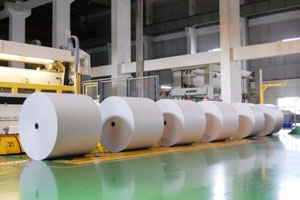
Oubo PAM products function as wet-end additives: Dry/Wet Strength Agents, Retention Aids, Filter Aids, and Anionic Trash Catchers. Adding micro-amounts of high-molecular PAM increases fiber retention, speeds paper machine drainage, improves sheet uniformity, and recovers valuable fine fibers from white water.
 Oil & Gas Exploration & Enhanced Oil Recovery (EOR)
In oil exploration, ultra-high molecular weight APAM acts as a friction reducer and viscosity builder in hydraulic fracturing fluids and displacement polymer flooding for EOR. In drilling fluids, NPAM and APAM stabilize shale formation, reduce fluid loss, lubricate drill bits, and carry rock cuttings efficiently.

 Mining & Mineral Processing Operations
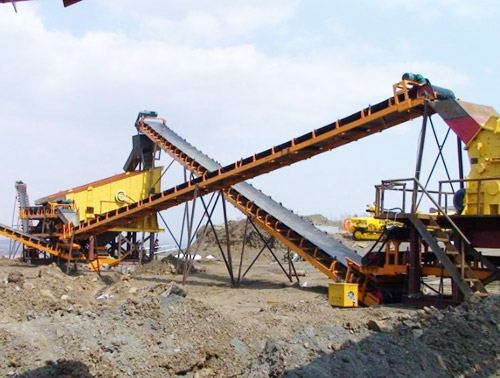
Extensive mineral extractions (Coal washing, Gold, Silver, Copper, Iron Ore, Alumina, Phosphate, Lithium tailings) depend on PAM for solid-liquid separation. Our polymers accelerate thickener settling rates, clarify wash water circuits, seal tailings ponds, and increase filtration cake dryness.

 Sugar Refining & Food Processing Clarification
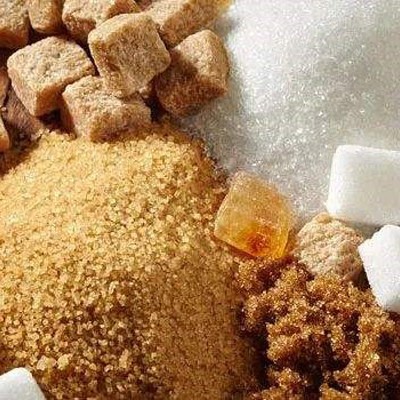
In sugar cane and sugar beet juice clarification, food-grade anionic polyacrylamide flocculants promote rapid mud settling and juice clarity. High purity, food-safe compliance, and low residual monomer levels ensure high sugar extraction recovery yields.
 Textile Sizing & Dyeing Wastewater Decolorization
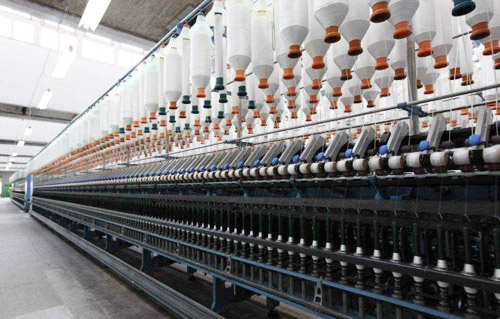
Polyacrylamide acts as a textile sizing agent and fabric finishing stabilizer. In textile dyeing wastewater treatment, specialized cationic and anionic PAM formulations break dye emulsions, remove COD/BOD, and decolorize high-color effluent streams efficiently.

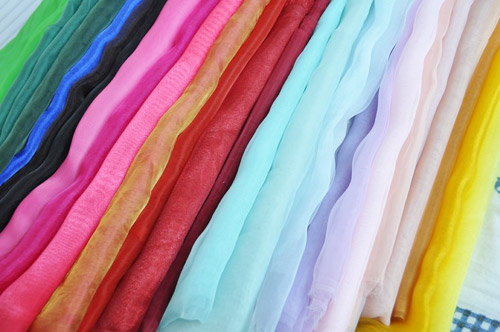
For global procurement managers, municipal engineering buyers, and chemical distributors, purchasing Polyacrylamide involves evaluating parameters beyond price-per-kilogram. Chemical activity, dosage consumption, filtration speed, and shipping stability impact Total Cost of Ownership (TCO).
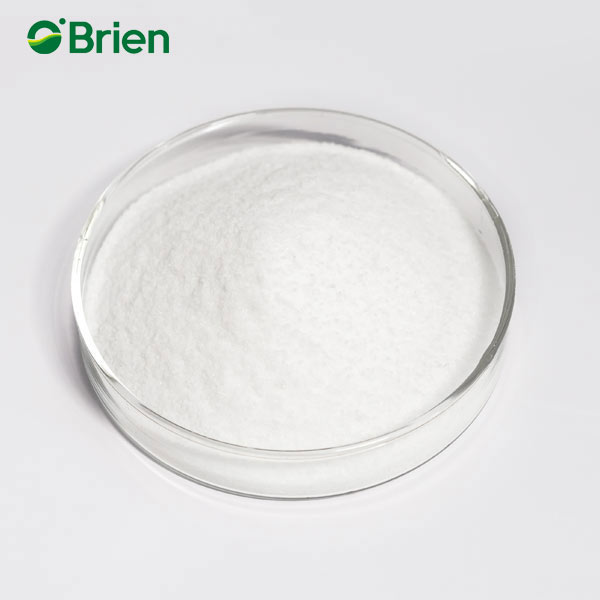
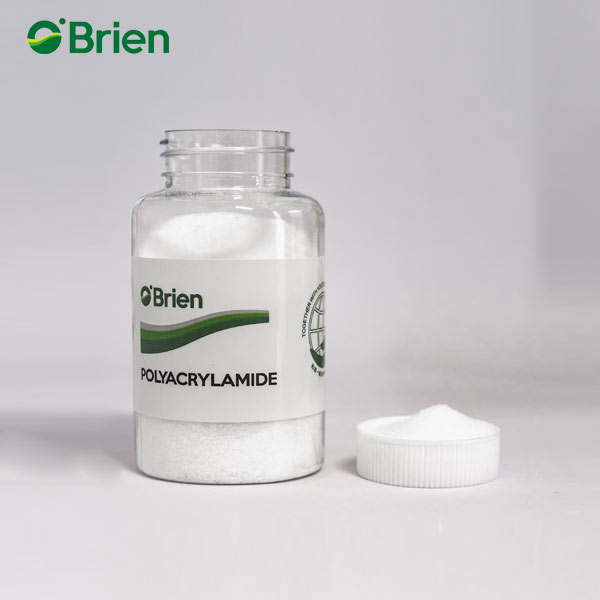
Oubo Polyacrylamide dry powders deliver ≥ 90% active solid polymer content, ensuring rapid aging and low gel-insoluble counts (fish eyes). This reduces chemical consumption rates by up to 15-25% compared to diluted standard market grades.
Operating within Qingdao's major deep-water international port terminal zone guarantees rapid vessel loading, predictable ocean shipping schedules, container consolidation, and duty-free zone logistics advantages.
We provide tailored OEM bag designs, private labeling, moisture-proof PE liners, multi-wall paper bags, and bulk jumbo totes configured to customer operational specs.
Founded in 2011 in Qingdao, China, Oubo Chemical Co., Ltd. has recorded a steady annual growth rate of 10%, scaling production to exceed 50,000 Metric Tons annually. Built upon continuous technical innovation, ISO9001:2008 certification, and strict quality control, our O'brien brand delivers reliability across international markets.
Qingdao Oubo Chemical manufactures Polyacrylamide via bio-catalytic methods protected by patented technological advances. Investing over €200 Million in cumulative technical R&D, our low-energy, zero-byproduct biological synthesis delivers pure, high-molecular weight polymers with lower carbon footprints.
We source chemical feedstocks from international producers including SINOPEC and Eni. Our fully automated DCS production lines operate under ISO9001 certified protocols. Every batch undergoes 3-stage QC verification (Viscosity, Charge Density, Residual Monomer, Insoluble Content) before release.
Our senior chemical engineers participate directly in pre-sales analysis, laboratory jar testing, plant trials, and post-sales optimization. We assist engineering buyers in selecting precise charge density matching their unique effluent water chemistry.
Oubo Chemical prioritizes environmental protection during polymer synthesis and field application. Our low-residual products minimize ecological impact, helping global customers meet ESG goals while clarifying process water efficiently.
Proper handling, preparation, and makeup of dry polyacrylamide powders are critical to avoid gel agglomeration ("fish eyes") and maintain chain length integrity.
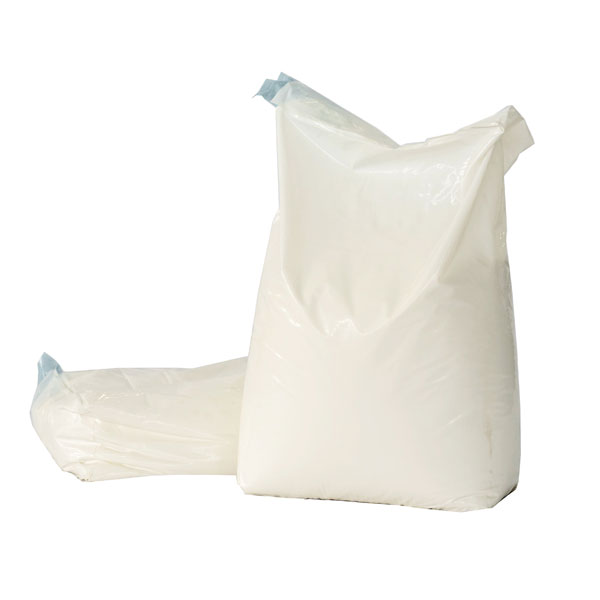
25kg multi-wall paper-plastic composite bag with inner PE liner for private brand redistributors.
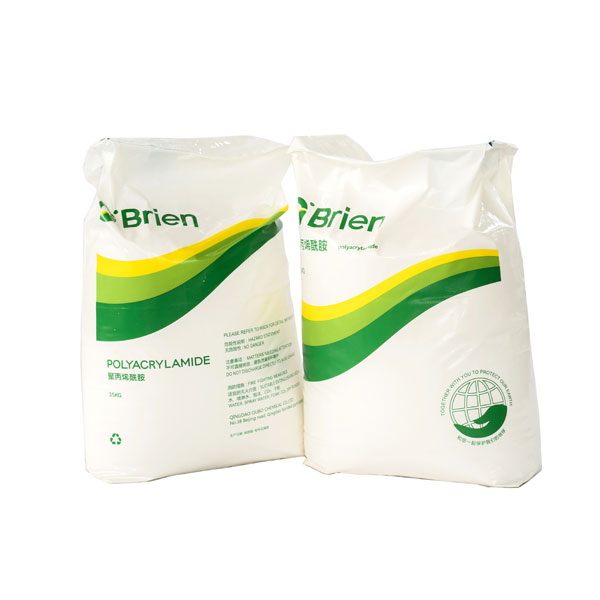
Standard 25kg printed bag with complete batch tracking, lot numbers, and safety markings.
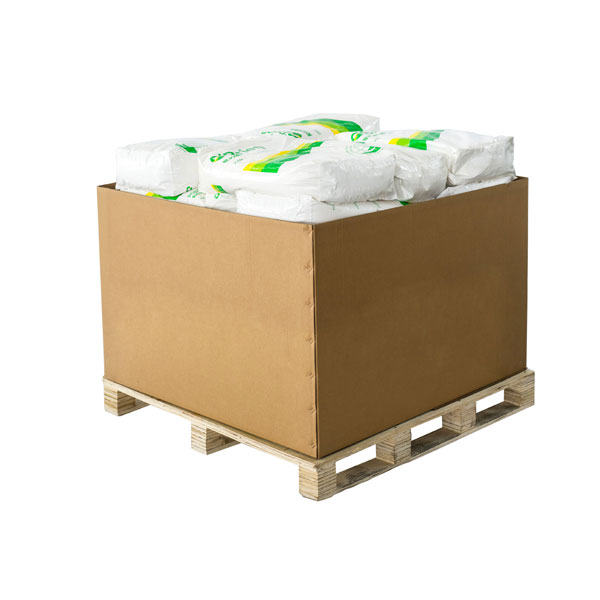
750kg - 1000kg heavy-duty bulk bags engineered for automatic dry feeder dosing systems.
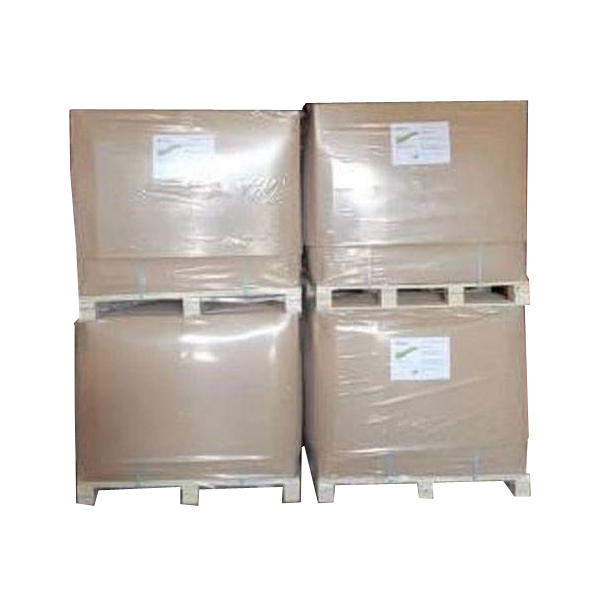
Fumigated wooden/plastic pallets, shrink-wrapped for international container shipment.
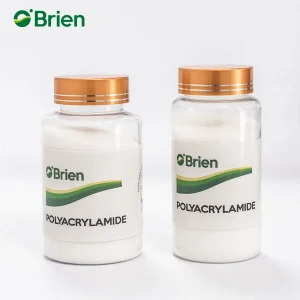
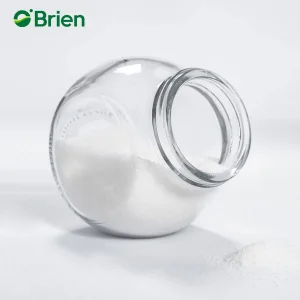
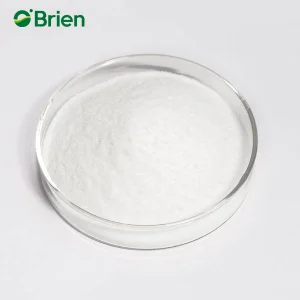
Explore our specialized ionic polyacrylamide powder formulations designed for municipal sludge dewatering, mining tailings sedimentation, and papermaking wet-end applications.
Detailed answers to technical queries encountered by water treatment plant operators, chemical engineers, and procurement specialists.
 Oubo Chemical