Engineered for rapid solid-liquid separation, high shear stability, and precise charge neutralization in challenging global industrial applications.
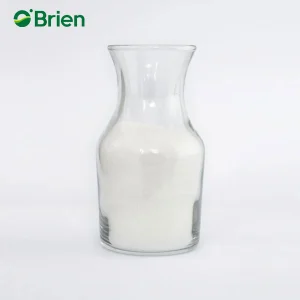
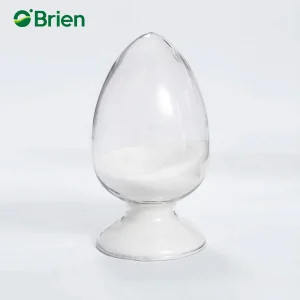
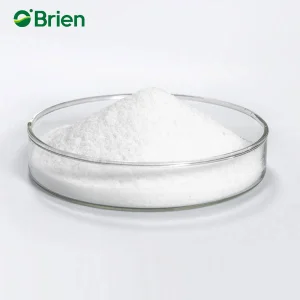
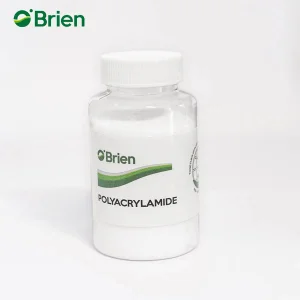
An authoritative analysis of supply chain dynamics, environmental regulatory frameworks, and technological breakthroughs driving water polymer demand.
In an era defined by intensifying global water scarcity, stringent environmental compliance standards, and accelerated industrialization across emerging economies, water treatment chemicals have transitioned from process auxiliaries to mission-critical infrastructure components. Municipalities and heavy industrial conglomerates are under mounting regulatory pressure—such as the EU Water Framework Directive, the US EPA National Primary Drinking Water Regulations, and China’s Ecological Environmental Protection Initiatives—to achieve zero liquid discharge (ZLD), optimize sludge dewatering efficacy, and recycle process water seamlessly.
China has emerged as the global epicenter for synthetic water-soluble polymer production, accounting for over 45% of the worldwide supply capacity. This market consolidation is driven by direct access to key chemical feedstocks (Acrylonitrile, Acrylic Acid, DAC/ADAM-MC), advanced bio-enzymatic polymerization methodologies, and high-capacity automated production facilities. Leading Chinese suppliers, such as Qingdao Oubo Chemical Co., Ltd., leverage these structural advantages to provide global enterprise clients with unprecedented cost efficiency, batch consistency, and tailored chemical formulations.
Uncompromising commitment to quality control, sustainable polymer synthesis, and global supply chain reliability.
Oubo Chemical Co., Ltd. was established in 2011 and is strategically headquarterd in the Free Trade Zone of Qingdao, China. Over the past decade, Oubo Chemical (under the global brand identity O'brien) has expanded at a steady business growth rate exceeding 10% per year, establishing itself as a world-leading manufacturer and exporter of water-soluble synthetic resins.
Our state-of-the-art facility reached a landmark annual polyacrylamide manufacturing capacity of 50,000 metric tons in 2018. Quality assurance is integrated into every phase of our manufacturing lifecycle. Certified under ISO9001:2008, Oubo maintains a rigorous, multi-tiered Quality Control (QC) framework. Every single batch undergoes three distinct analytical evaluations prior to release: monomer residual testing via High-Performance Liquid Chromatography (HPLC), charge density titration, and intrinsic viscosity verification.
Qingdao OUBO Chemical Co., Ltd. is a global market leader in Polyacrylamide production. We utilize proprietary biological enzymatic methods for acrylamide monomer synthesis (patent applied), backed by substantial annual research funding to maintain deep technical innovation.
Robust global supply chain integration. Key chemical feedstocks are sourced from top-tier multinational chemical giants, including SINOPEC and Eni. Fully automated production lines ensure strict ISO9001 compliance, supported by 3x batch testing.
With decades of specialized manufacturing experience, Oubo provides premium grade products at highly competitive direct-factory pricing. Our technical team works alongside clients in selection, laboratory testing, and system optimization.
Our dedicated chemical application engineers participate throughout pre-sales consulting, jar testing, on-site dosing optimization, and post-sales technical auditing to guarantee seamless process integration.
Understanding molecular structure, polymerization kinetics, and ionic functionalization mechanics for target applications.
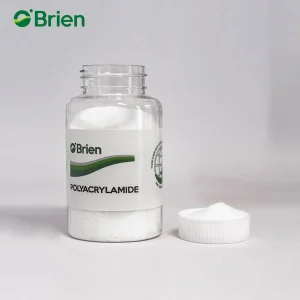
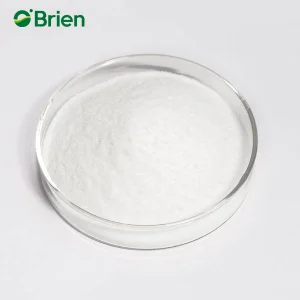
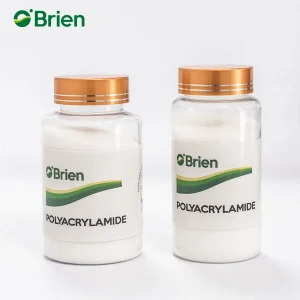
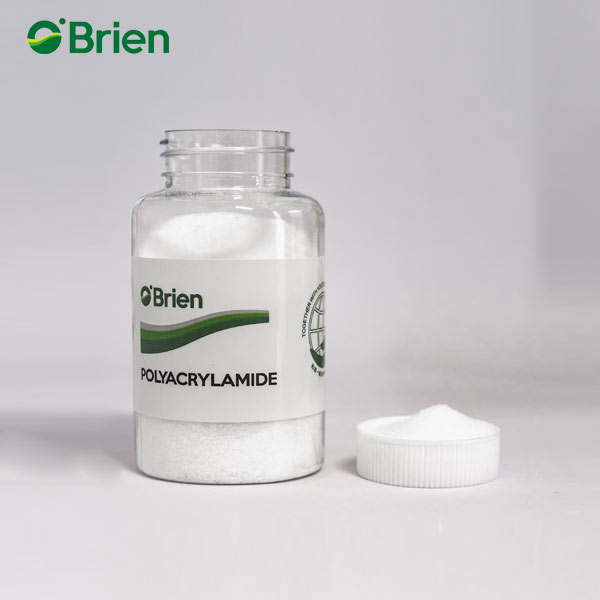
Polyacrylamide (PAM) [CAS Registry Number: 9003-05-8] is a synthetic, water-soluble high polymer formed from acrylamide monomers ($\text{CH}_2\text{=CH-CONH}_2$). Polyacrylamide exhibits exceptional versatility due to its dynamic long molecular chains, high functional group density (amide groups), and ability to undergo controlled chemical modification to yield specific ionic characteristics.
Oubo Chemical utilizes advanced biological enzymatic hydrolysis to produce high-purity Acrylamide monomers. Unlike traditional chemical methods using copper catalysts, biological synthesis operates under ambient temperature conditions, producing zero toxic copper ion contamination, exceptionally low acrylic acid impurities, and higher monomer reactivity. This yields ultra-high molecular weight polymers ($>22$ Million Daltons) with tight polydispersity indices.
Depending on the ionic charge integrated along the backbone chain, Oubo Polyacrylamide is categorized into four primary variants:
| Polymer Type | Chemical Composition | Molecular Weight (MW) | Charge Density / Degree | Primary Flocculation Mechanism |
|---|---|---|---|---|
| Cationic (CPAM) | Acrylamide + DAC / ADAM-MC Copolymer | 6 - 12 Million Daltons | 10% - 80% Cationic Degree | Charge Neutralization & Micro-Floc Bridging of Negatively Charged Particles |
| Anionic (APAM) | Acrylamide + Sodium Acrylate Copolymer | 8 - 22 Million Daltons | 10% - 70% Hydrolysis Degree | Adsorption Bridging & Polymer Chain Entanglement of Inorganic Solids |
| Nonionic (NPAM) | Acrylamide Homopolymer | 5 - 15 Million Daltons | Neutral Charge (<1% Hydrolysis) | Hydrogen Bonding & Steric Interlocking under Acidic/High Salinity Media |
| Mannich Base PAM | Aminomethylated Acrylamide Derivatives | 4 - 10 Million Daltons | Custom Liquid Cationic | Rapid Dissolution for Concentrated High-Organic Municipal Sludge |
Tailored polyacrylamide formulations solving complex solid-liquid separation challenges across diverse global industries.
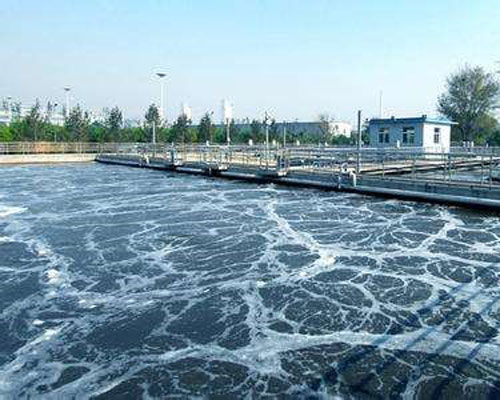
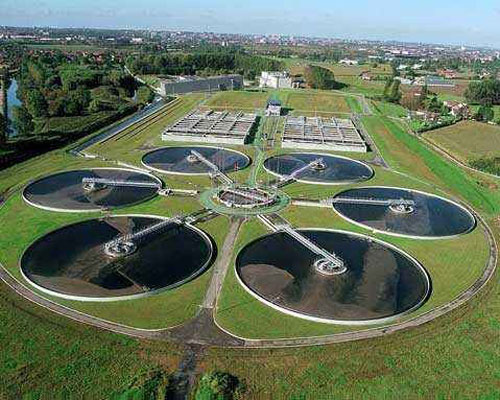
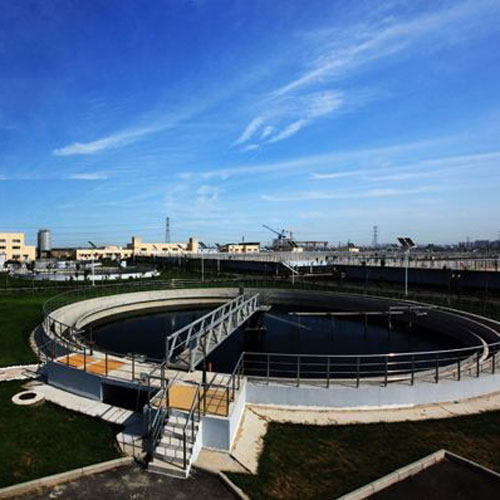
As a primary organic flocculant, CPAM and APAM facilitate rapid settling, clarification, and sludge dewatering in municipal sewage plants, belt filter presses, scroll centrifuges, and chamber filter presses. Widely applied across leather, paper, citric acid, pharmaceutical, dyeing, and food effluent streams to drastically reduce COD, BOD, and total suspended solids (TSS).
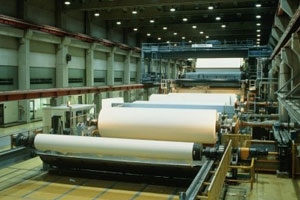
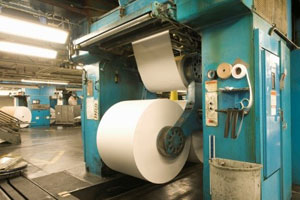
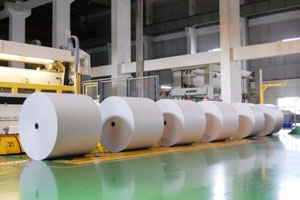
Acts as high-efficiency retention agents, drainage aids, dry/wet strength additives, and white water clarifiers. Neutralizes anionic garbage in paper pulp, enhances fine fiber and filler (TiO2, CaCO3) retention rate, improves sheet formation, and reduces raw material consumption.
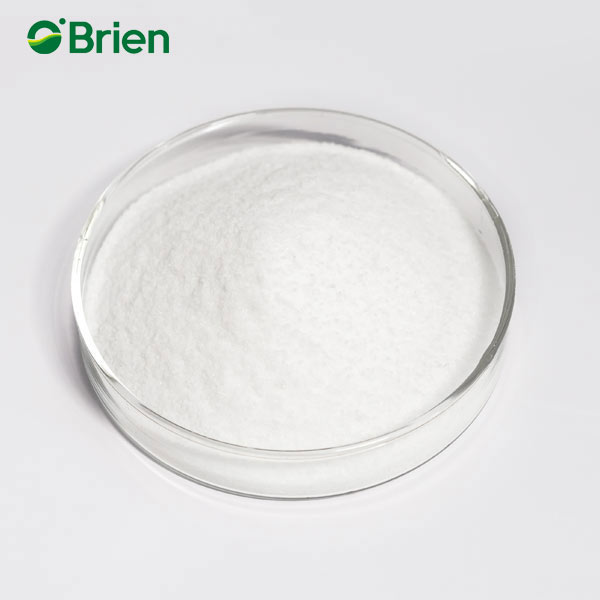
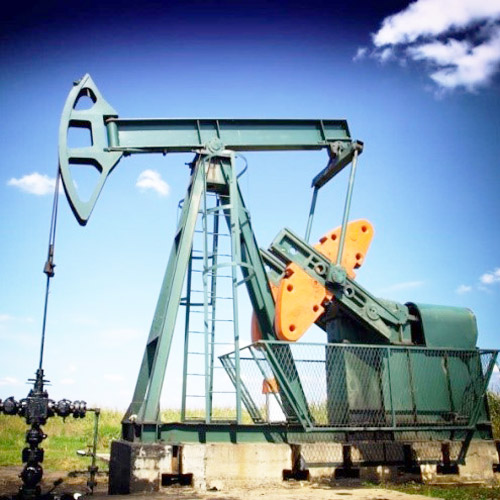
Essential additive in Chemical Enhanced Oil Recovery (C-EOR), profile control, fluid loss control, hydraulic fracturing friction reducers, and shale inhibition. High molecular weight APAM increases injection water viscosity, improving oil displacement efficiency in mature reservoirs.

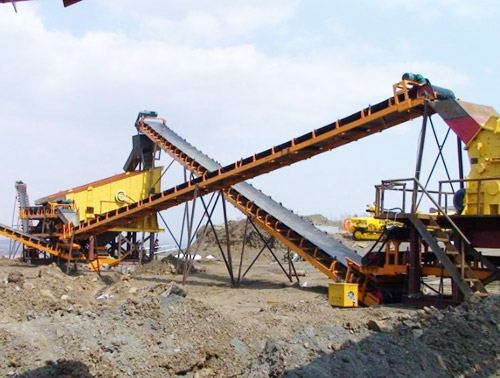
Optimizes solid-liquid separation in coal washing, thickener sedimentation, and tailings dewatering. Highly effective in precious metal leaching (Gold, Silver, Copper, Iron, Nickel, Alumina Bayer process), promoting rapid supernatant clarification and closed-loop process water recycling.
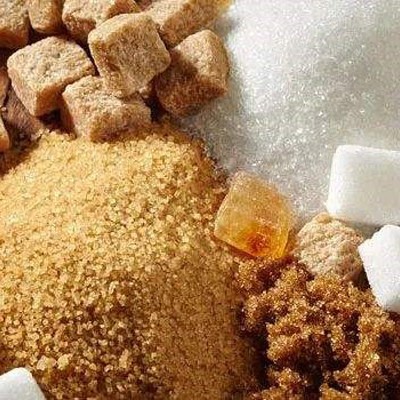
Food-grade Anionic Polyacrylamide promotes rapid flocculation and flotation of impurities in raw sugarcane and sugar beet juice extraction, yielding crystal-clear liquor while adhering to food safety standards.
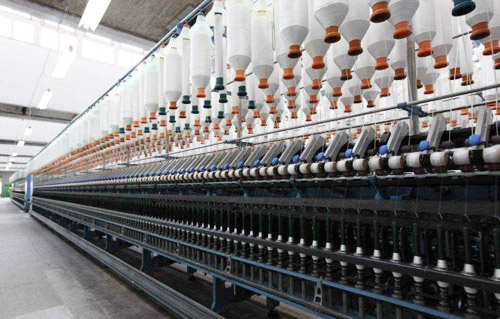
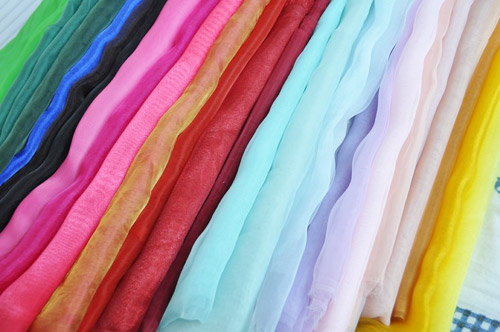
Utilized as a high-performance textile sizing agent, fabric finishing auxiliary, and dye wastewater decolorizer. Reduces yarn breakage during high-speed weaving and binds heavy color complexes in printing effluent.



Adapting polymer formulations to regional water quality challenges while pioneering next-generation green chemistry.
Rapid industrial expansion requires cost-effective, high-throughput flocculants capable of handling extreme turbidity and heavy organic loading in textile, leather, and municipal streams across Southeast Asia and India.
Desalination pre-treatment and offshore produced water reinjection demand ultra-high salt-tolerant nonionic and anionic polymers that remain stable under total dissolved solids (TDS) exceeding 100,000 ppm and elevated reservoir temperatures.
Demands low residual acrylamide monomer (<0.05% or <500ppm) for potable water safety, microplastic-free biodegradable backbones, and precise telemetry-controlled dynamic dosing loops.
Oubo Chemical’s R&D roadmap focuses on three groundbreaking advancements: 1) Bio-degradable Polyacrylamide Additives engineered with enzymatic cleavage points to eliminate environmental persistence; 2) AI-Driven Dosing Systems using optical clarity and zeta potential sensors to adjust real-time chemical feed rates; and 3) Ultra-High Molecular Weight Fracturing Polymers designed for extreme-temperature, deep-well shale gas extraction.
Customized packaging solutions engineered to preserve polymer integrity during ocean transport and long-term storage.
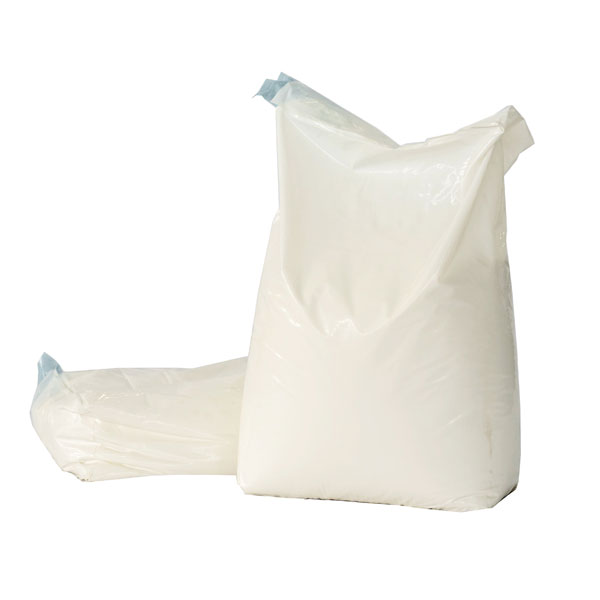
25kg unbranded craft paper or PE bags with inner moisture-proof plastic liners. Ideal for distributors seeking OEM branding and local repackaging flexibility.
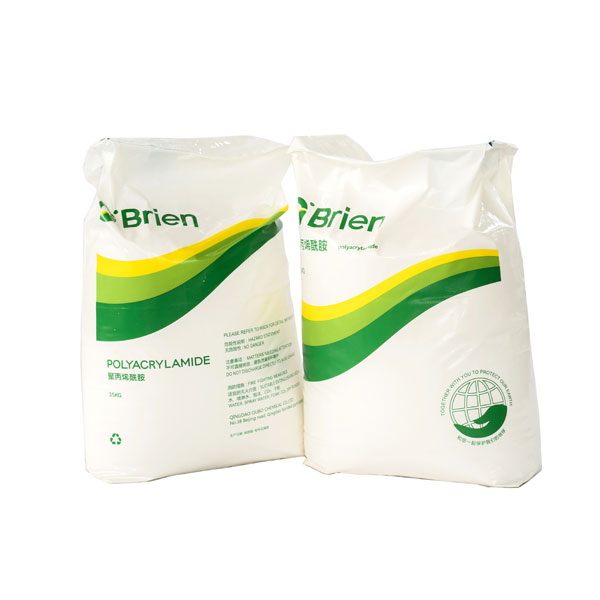
High-strength 25kg multi-wall paper-plastic composite bags featuring standardized international hazard/safety markings and batch tracking codes.
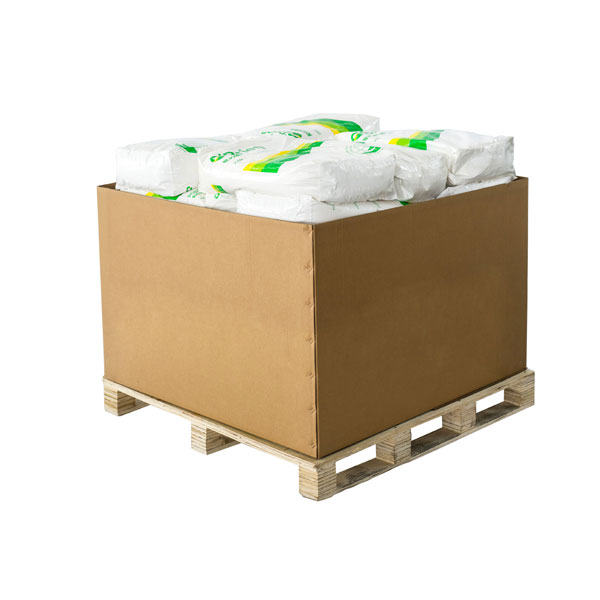
Heavy-duty woven polypropylene FIBC jumbo bags equipped with top loading spouts and bottom discharge valves for high-volume industrial dosing plants.
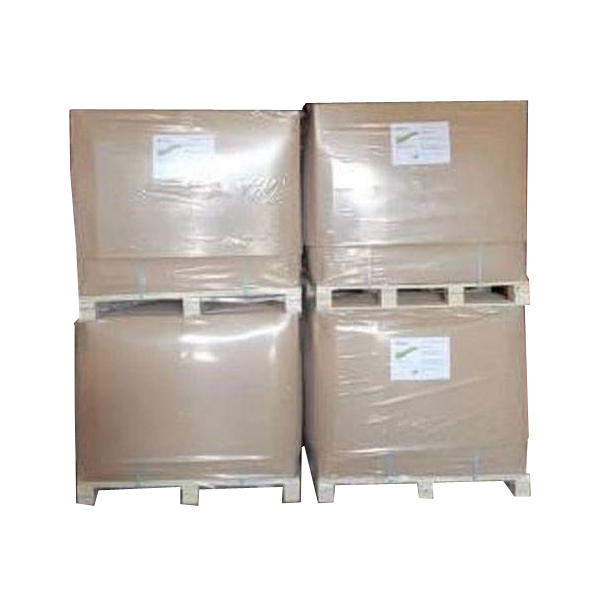
Standard ISPM-15 wooden or plastic pallets, shrink-wrapped with protective film and corner boards to ensure 100% container stability during transoceanic shipping.
Expert guidance from Oubo Chemical application engineers on polymer selection, solution makeup, storage, and troubleshooting.
The selection is governed by the surface charge (Zeta Potential) of the suspended solids in your effluent. As a general operational rule: Organic sludge (such as municipal sewage, biological waste, food processing sludge) carries a net negative charge and requires Cationic Polyacrylamide (CPAM) for charge neutralization. Inorganic mineral suspensions (coal tailings, sand washing, metallurgical slurry, clay) respond best to Anionic Polyacrylamide (APAM) via adsorption bridging. Highly acidic or extremely saline water bodies where charge repulsion is absent require Nonionic Polyacrylamide (NPAM).
Dry polyacrylamide powder should be dissolved in clean water to create a stock solution concentration of 0.1% to 0.3% (w/v). Dissolution water temperature should ideally be between 20°C and 40°C. Water above 50°C degrades the polymer chains. Maturation/mixing time requires 45 to 60 minutes of low-shear stirring (200-400 RPM). High-speed shear impellers must be avoided as they physically shear the long molecular chains, resulting in lost viscosity and reduced flocculation performance.
Unopened dry powder stored in a cool, dry, ventilated warehouse has a shelf life of 24 months. Once dissolved in water, stock solutions begin to hydrolyze and lose activity over time. Anionic PAM solutions remain stable for 7 to 10 days, while Cationic PAM solutions should be consumed within 24 to 48 hours to prevent loss of charge density due to hydrolysis.
Oubo Chemical utilizes bio-catalytic synthesis (microbial conversion of acrylonitrile). This process yields zero copper or heavy metal impurities, generates minimal acrylic acid side-products, and maintains uniform monomer reactivity. Consequently, polymers produced via bio-acrylamide possess higher molecular weights, cleaner dissolution characteristics, and exceptionally low unreacted monomer residues, meeting stringent international safety standards.
Explore our extensive series of PAM polymers certified for municipal, industrial, agricultural, and resource-extraction applications.
 Oubo Chemical