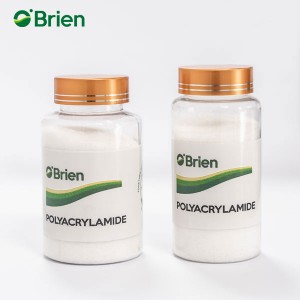
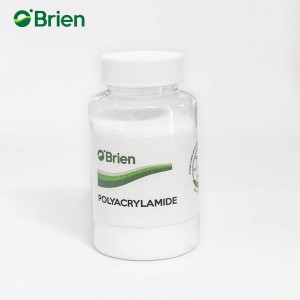
Explore our specialized synthetic polymers optimized for high flocculation speed, low residual monomer, and rapid solid-liquid separation.
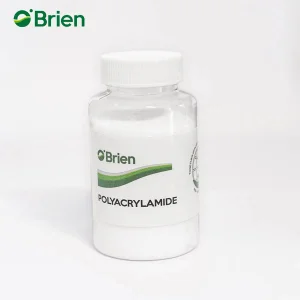
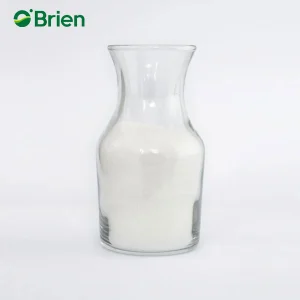
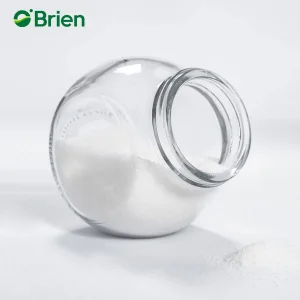
An in-depth look into the chemical challenges, regulatory compliance, and economic necessity of polymer-assisted tank desilting and maintenance.
Industrial water storage tanks, municipal clearwells, overhead reservoirs, and cooling tower basins systematically accumulate suspended solids, inorganic silt, biological sludge, and chemical precipitates over operational cycles. Accumulation of sediment severely degrades volumetric capacity, promotes microbial bio-fouling (such as Legionella colonization), causes localized micro-galvanic corrosion, and compromises downstream fluid purity.
The application of high-efficiency Polyacrylamide (PAM) chemicals in water tank cleaning processes has evolved from basic sludge coagulation into a highly engineered, precision-driven solid-liquid separation science. Modern municipal health directives (including EPA standards and China GB/T 17219) mandate rigorous sediment removal with non-toxic, chemical-free residual impacts.
Understanding the molecular dynamics of bridging, charge neutralization, and chain length optimization during industrial water tank desludging.
Synthesized via acrylamide and acrylate co-polymerization. APAM carries negative functional groups ($-\text{COO}^-$). Highly effective for neutral-to-alkaline mineral slurries, inorganic silt, and clay sediments found in industrial storage reservoirs. It acts predominantly through long-chain molecular bridging.
Formulated with cationic monomers (DAC/ADAME). CPAM exhibits positive charge centers ($-\text{N}^+(\text{CH}_3)_3$). Essential for organic-rich biological sludge, municipal water tank bottoms, and microbial biofilm destabilization via immediate surface charge neutralization.
Pure polyacrylamide macromolecules with minimal ionic charge. NPAM relies purely on hydrogen bonding between hydroxyl group surfaces and amide nitrogen. Superior performance in highly acidic wash-water tanks and non-metallic mineral suspensions.
When cleaning potable water storage tanks, trace residual acrylamide monomer (AMD) is strictly limited to < 0.05% (500 ppm) by weight to prevent potential neurotoxic contamination. Oubo Chemical utilizes enzymatic bio-catalytic synthesis (reducing thermal degradation), ensuring ultra-pure polymers safe for municipal water contact.
| Polymer Type | Ionic Degree / Charge Density | Molecular Weight (Million) | Optimal pH Range | Primary Tank Cleaning Application |
|---|---|---|---|---|
| Anionic PAM (APAM) | 10% - 60% Low to High | 8 - 22 Million | 7.0 - 14.0 | Inorganic clay, sand desilting, mining tank wash water |
| Cationic PAM (CPAM) | 5% - 80% Micro to Ultra-High | 5 - 12 Million | 1.0 - 8.0 | Bio-sludge dewatering, sewage tank bottom remediation |
| Nonionic PAM (NPAM) | < 1% Neutral | 6 - 15 Million | 2.0 - 8.0 | Acidic industrial wash tank clarification, textile rinse tanks |
Global leader in water-soluble polymer production, bio-catalytic synthesis, and custom application engineering.
Oubo Chemical Co., Ltd was established in 2011, located in the Free Trade Zone of Qingdao, China. The QC system of O'Brien is strict and comprehensive; in the past 10 years, the business growth rate has sustained 10% per year. Qingdao Oubo Chemical Co., Ltd is highly committed to quality, service, and pays critical attention to environmental preservation during polymer production and global industrial application.
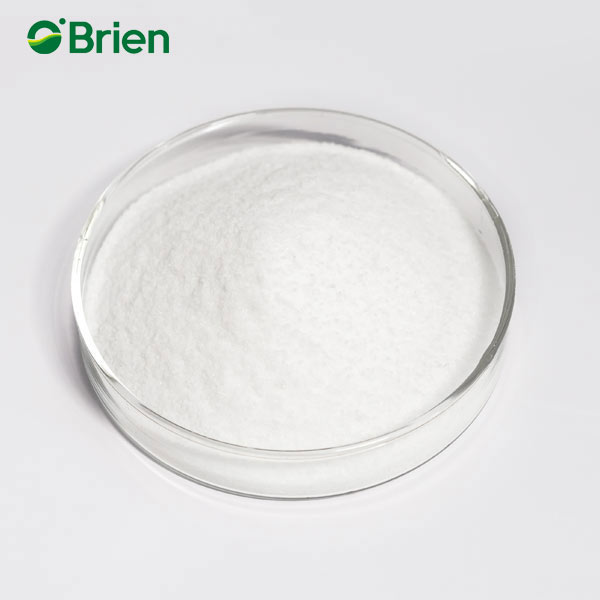
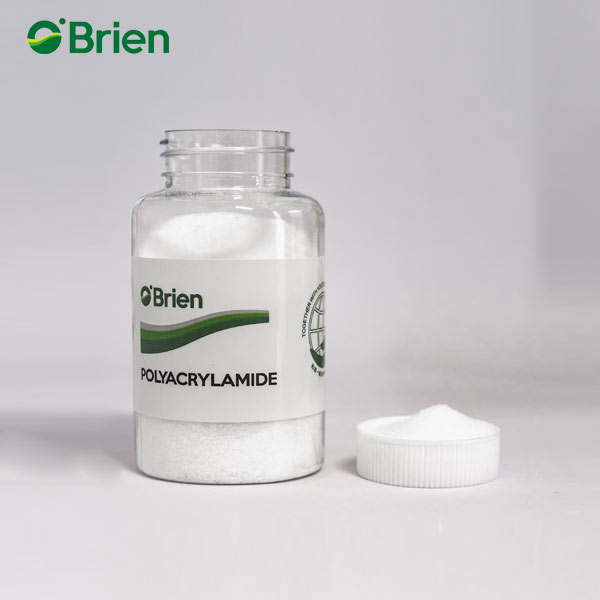
Oubo specializes in manufacturing and supplying Cationic Polyacrylamide, Anionic Polyacrylamide, and Nonionic Polyacrylamide. Equipped with automated biological reaction vessels and precision QC testing laboratories, we ensure all products meet global chemical standards. The annual production capacity of polyacrylamide broke through 50,000 Tons in 2018, and our quality management system is fully certified by ISO 9001:2008. We proudly stand behind our product performance guarantees.
Leading global Polyacrylamide manufacturer using patented biological enzymatic methods. We invest €2 Million annually in R&D for technical formulation refinement.
Global supply chain integration with raw materials sourced from tier-1 suppliers (SINOPEC, Eni). Automated lines with 3x QC batch testing per shipment.
Dedicated technical engineering team supporting pre-sales chemical selection, lab jar testing, dose optimization, and on-site tank cleaning troubleshooting.
Oubo Polyacrylamide solutions provide targeted solid-liquid separation and sludge dewatering across diverse commercial sectors.
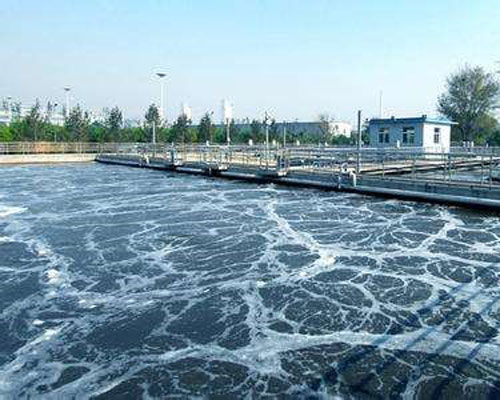
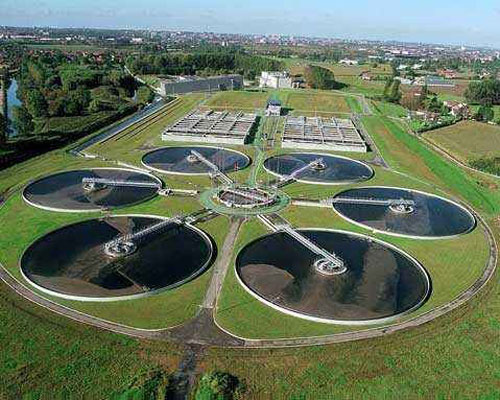
Used extensively as a flocculating agent in industrial solid-liquid separation, clarification, sedimentation, and mechanical sludge dewatering. In municipal clearwell tank cleaning, Oubo PAM accelerates sedimentation of micro-particulates, reducing drain times by up to 60%. Widely deployed across leather, paper, citric acid, dyeing, and pharmaceutical plant effluent tanks.
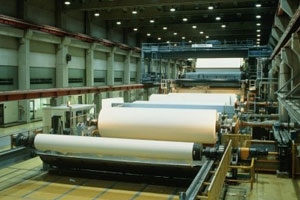
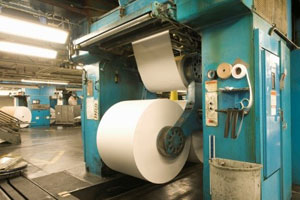
Serves as dry strength agents, retention aids, and filter aids during white water recycling and stock chest cleaning. It binds short fibers and fillers, neutralizing anionic trash charge in wet-end pulp systems, reducing fiber loss while clarifying process wash tanks.
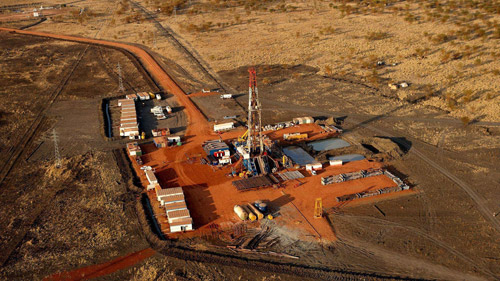
Utilized in oil exploration, profile control, mud settling tanks, and fracturing fluid recovery. Acts as shale inhibitor, fluid loss reducer, and friction reducer in Enhanced Oil Recovery (EOR) wash tanks and oil sands tailings clarification.
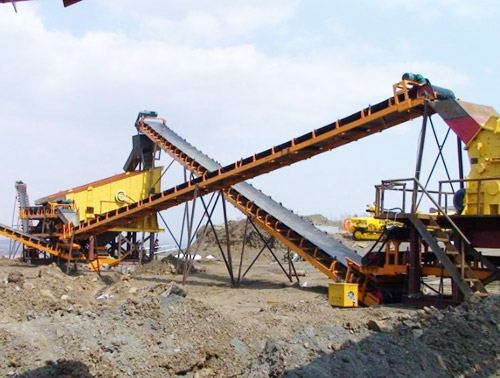
Critical for coal washing tanks, thickener feed clarification, and precious metal (Gold, Silver, Copper, Iron) ore slurry settling. Provides fast settling rates in solid-liquid separation via centrifugal filtration and chamber filter presses.

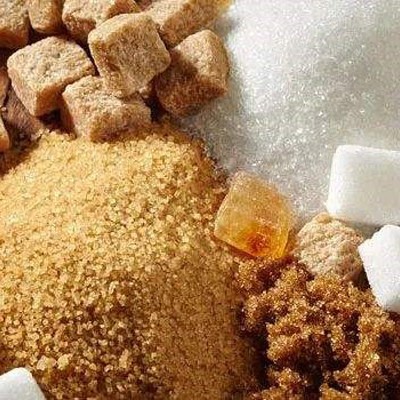
Polyacrylamide optimizes sugar juice clarification and flotation processes, rapidly dropping organic impurity sludge in storage and carbonation tanks.
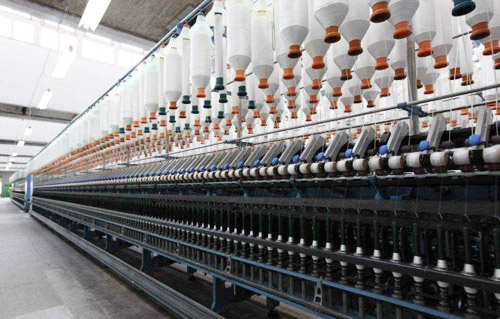
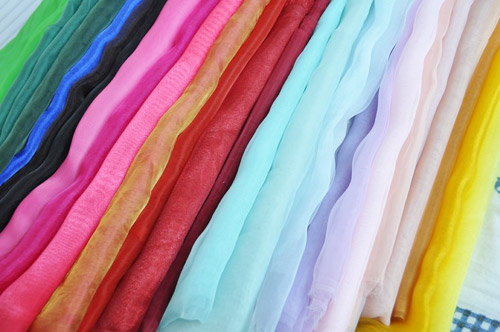
Functions as a textile sizing agent and fabric treatment chemical. Accelerates color removal and suspended dye particle flocculation in textile wastewater collection tanks.
A field-proven engineering protocol for plant managers and water tank maintenance contractors.
Isolate the water storage tank. Draw water samples to measure Turbidity (NTU), Total Suspended Solids (TSS), and Zeta Potential to determine whether Anionic, Cationic, or Nonionic PAM is required.
Prepare a 0.1%–0.3% aqueous PAM solution using clean water. Inject powder via an automated eductor to eliminate "fish-eyes" (undissolved gel lumps). Agitate at low shear (40–60 RPM) for 45 minutes.
Dose the hydrated PAM polymer inline into the tank sludge line. Solid flocs form instantaneously, enabling rapid filter-press dewatering, producing dry cake solids (>35% dry matter) and crystal-clear filtrate water.
The targeted polymer dosage can be calculated using the formula:
Polymer Dosage (kg) = [Sludge Volume (m³) × TSS (g/L)] / (1000 × Active Polymer Yield).
Typical dosage ranges from 1.5 to 4.5 kg of dry PAM powder per dry ton of sludge solids.
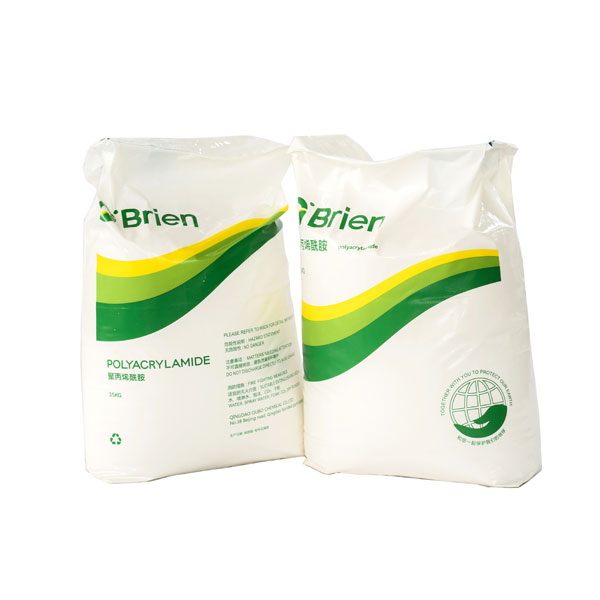
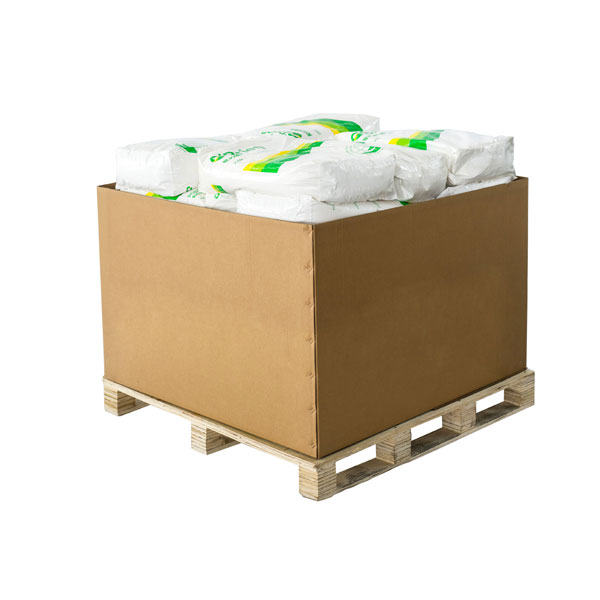
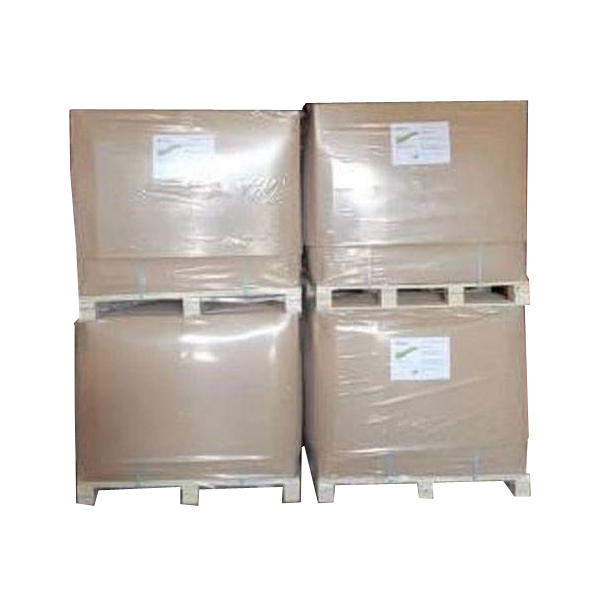
Standard packaging solutions designed for long-distance maritime transit, humidity protection, and ease of automated pneumatic feeding.
Pioneering eco-friendly bio-monomers, automated smart dosing algorithms, and high-stability chemical formulations.
Moving completely away from traditional chemical copper-catalyst routes. Enzymatic synthesis yields ultra-pure monomers with zero heavy-metal residues, ideal for stringent potable water tank cleaning.
Integration of real-time optical turbidity sensors and dynamic Zeta Potential feedback loops to adjust polymer dosage automatically during industrial tank wash-outs, cutting chemical waste by 25%.
Developing modified natural polysaccharide-PAM hybrids (such as starch-grafting polyacrylamide) that undergo natural microbial breakdown after sludge disposal, minimizing environmental footprint.
Expert answers regarding chemical safety, performance parameters, and storage guidelines.
Browse our complete catalog of industrial grade polymers for paper, wastewater, petrochemistry, and acid-resistant tank cleaning.
 Oubo Chemical