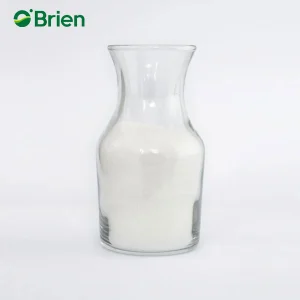
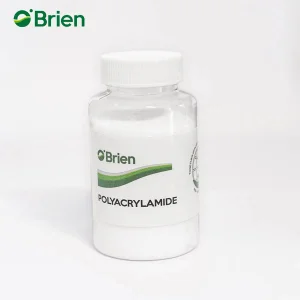
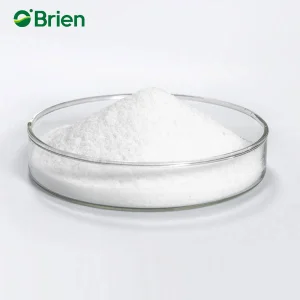
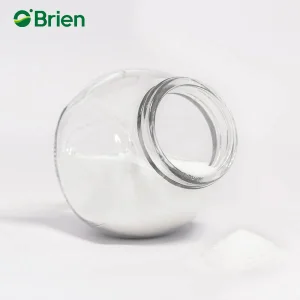
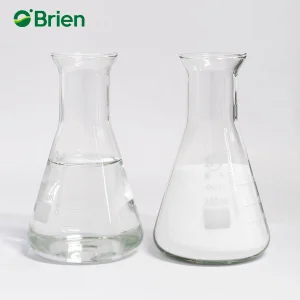
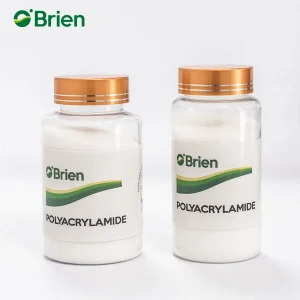
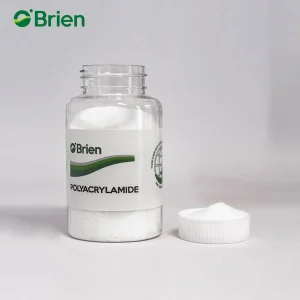
Engineered high-molecular-weight Polyacrylamide formulations tailored for global subterranean fluid management, wastewater purification, and industrial processing.
Understanding the Macroeconomic and Technical Engineering Imperatives of Polyacrylamide-Based Water Shutoff and Fluid Management Systems.
In modern industrial chemistry and petroleum engineering, managing subterranean fluid migration presents one of the most technical challenges to operational efficiency and environmental sustainability. Uncontrolled water ingress into oil-bearing formations, excessive water cuts in mature reservoirs, and inefficient industrial wastewater dewatering lead to catastrophic operational costs and environmental overhead. As a leading China Water Blocking Agent Manufacturer & Supplier, Qingdao Oubo Chemical Co., Ltd. delivers high-performance synthetic resin matrix solutions designed to selectively regulate fluid pathways, modify subterranean permeability, and accelerate solid-liquid separation across complex industrial ecosystems.
Water blocking agents (often designated as conformance control polymers or profile modification hydrogels) are highly specialized chemical compounds engineered primarily from synthesized Polyacrylamide (PAM). Polyacrylamide is a water-soluble polymer produced via the polymerization of acrylamide monomers. By precisely modulating molecular weight (ranging from 3 million to over 22 million Daltons) and ionic charge density (anionic, cationic, nonionic, and amphoteric), these polymers form three-dimensional, highly viscoelastic hydrogel networks when crosslinked in-situ with specific inorganic or organic crosslinking agents.
Technical Fact: Hydrolyzed Polyacrylamide (HPAM) coupled with crosslinkers selectively plugs high-permeability thief zones in subterranean formations without restricting hydrocarbons in low-permeability zones, boosting Enhanced Oil Recovery (EOR) efficiency by up to 35%.
Global demand for high-purity water blocking polymers has expanded rapidly due to mature oilfield depletion, stringent municipal discharge regulations, and increased water recycling requirements in mining and paper production. Strategic chemical synthesis utilizing biological enzymatic polymerization methods ensures ultra-high molecular weight consistency, minimal monomer residuals (<0.05%), and superior thermal and shear resistance suitable for deep reservoir environments exceeding 120°C and hypersaline conditions.
Comprehensive breakdown of ionic polyacrylamide variants and their chemical mechanisms in fluid control and gelation.
Synthesized via co-polymerization of acrylamide and acrylic acid monomers. APAM carries negatively charged carboxylate groups (COO⁻) along its backbone. Ideal for EOR profile control, clay stabilization, and clarifying neutral-to-alkaline mineral slurries.
Formulated by copolymerizing acrylamide with cationic monomers such as DAC or DMC. CPAM exhibits high positive charge density, making it exceptional for neutral-to-organic sludge dewatering, municipal sewage flocculation, and paper wet-end retention.
Neutral homopolymer with ultra-low ionicity. Possesses high hydrogen-bonding capability via amide functional groups. Perfect for highly acidic industrial effluent treatment, structural soil conditioning, and drilling mud fluid-loss control.
| Polymer Variant | Molecular Weight (Million Da) | Degree of Ionization / Hydrolysis | Primary Industrial Mechanism | Core Application Sector |
|---|---|---|---|---|
| Hydrolyzed APAM (HPAM) | 12.0 - 25.0 | 20% - 30% (Anionic) | In-situ gelation & Viscosity building | Oilfield Profile Control & EOR |
| High-Charge CPAM | 6.0 - 12.0 | 20% - 60% (Cationic) | Charge neutralization & Micro-flocculation | Sludge Dewatering & Paper Retention |
| Acid-Resistant NPAM | 3.0 - 10.0 | 0% - 5% (Nonionic) | Hydrogen bonding & Adsorption bridging | Acidic Mining Effluent & Metal Recovery |
| Crosslinked PAM Hydrogel | 15.0 - 22.0 | 15% - 25% (Anionic/Organo) | Subterranean pore-throat plugging | Water Shutoff & Loss Circulation Control |
Discover how Oubo Chemical's polyacrylamide chemistry transforms operational performance across diverse industrial verticals.
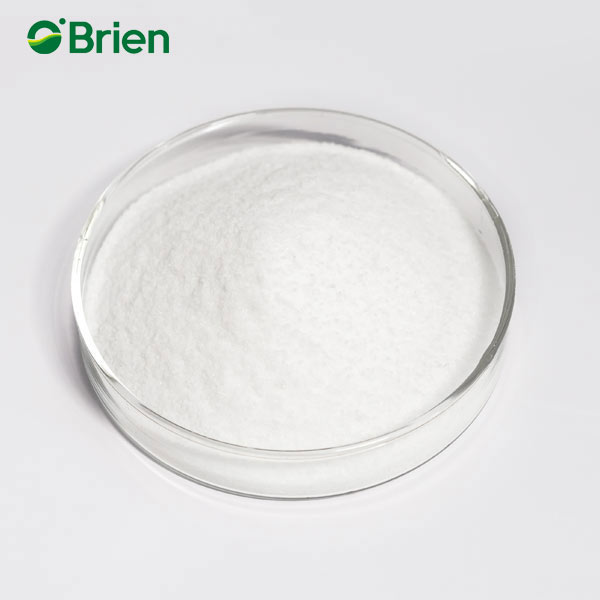
In tertiary oil recovery, water blocking polymers serve as critical plugging agents. When injected into heterogeneous reservoirs, crosslinked PAM hydrogels enter high-permeability "thief zones," swelling to divert subsequent waterfloods into un-swept oil-rich low-permeability zones. Additionally, PAM acts as a friction reducer in slickwater fracturing and a fluid loss control agent in drilling muds.
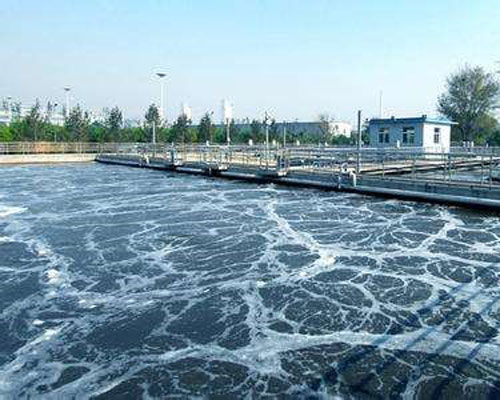
Serving as highly dynamic flocculating agents, APAM and CPAM accelerate solid-liquid separation in municipal sewage treatment, leather tanning, citric acid extraction, and pharmaceutical effluent systems. By neutralizing particle surface charges, micro-flocs aggregate rapidly into large dense flocs for centrifugal or press belt dewatering.
Polyacrylamide acts as a dry/wet strength additive, retention aid, and filtration accelerator. It neutralizes anionic garbage, captures fine cellulose fibers and mineral fillers, enhances sheet physical structural integrity, and clarifies white water loops for zero-discharge closed-loop water systems.

Essential for coal washing, mineral slime sedimentation, and tailings thickener operations. Oubo's polymers efficiently separate solid tailings from process water in copper, gold, iron, nickel, and alumina extraction, ensuring clean water recycle back to the processing plant.
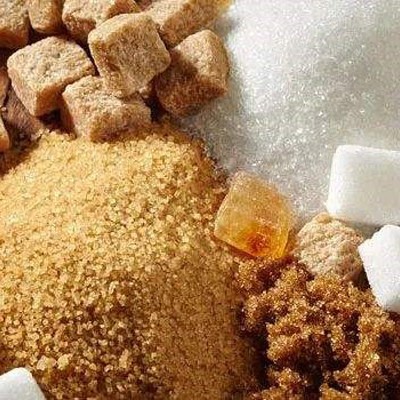
Specialized high-purity anionic polymers designed specifically for juice clarification and flotation in sugarcane and sugar beet processing. Facilitates rapid mud settling, improving juice clarity and crystallization yield without altering sucrose integrity.
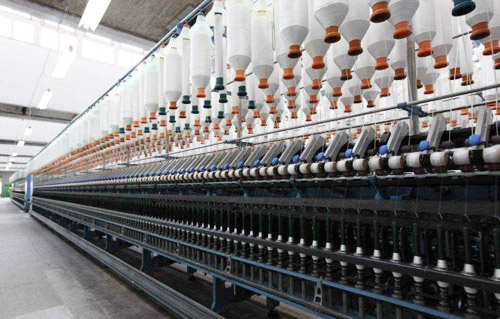
Functions as a textile sizing and finishing agent to impart smooth, anti-static protective coatings on yarn. In dyeing wastewater streams, cationic pam breaks emulsified dye complexes, removing COD/BOD and decolorizing toxic effluent streams efficiently.
World-class manufacturing standards, patented biological technology, and rigorous global supply chain management.
Qingdao Oubo Chemical utilizes cutting-edge enzymatic biological conversion methods to manufacture acrylamide monomers. This patented technique avoids toxic metallic catalyst residues, yielding ultra-pure polymers with high molecular weights and exceptional water solubility.
Quality starts at the source. Our supply chain leverages global petrochemical leaders like SINOPEC and Eni. Combined with automated production lines, every batch achieves strict chemical consistency meeting ISO 9001:2008 standards.
Every shipment undergoes triple QC verification: raw material purity testing, in-process polymerization kinetics analysis, and finished lot performance evaluation (viscosity, dissolution rate, unreacted monomer content).
Our dedicated chemical engineering staff provides end-to-end support—from pre-sales laboratory Jar Testing and core flooding simulation to on-site polymer makeup optimization and post-sales technical troubleshooting.
Flexible packaging configurations designed to preserve polymer integrity against humidity, UV radiation, and mechanical stress during transoceanic transit.
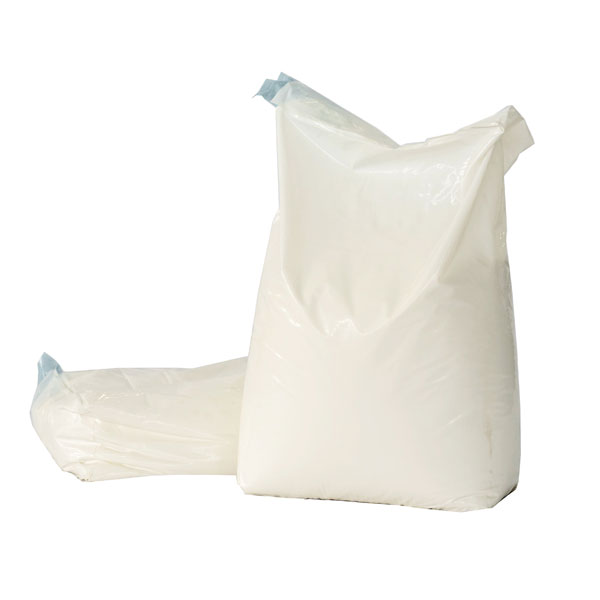
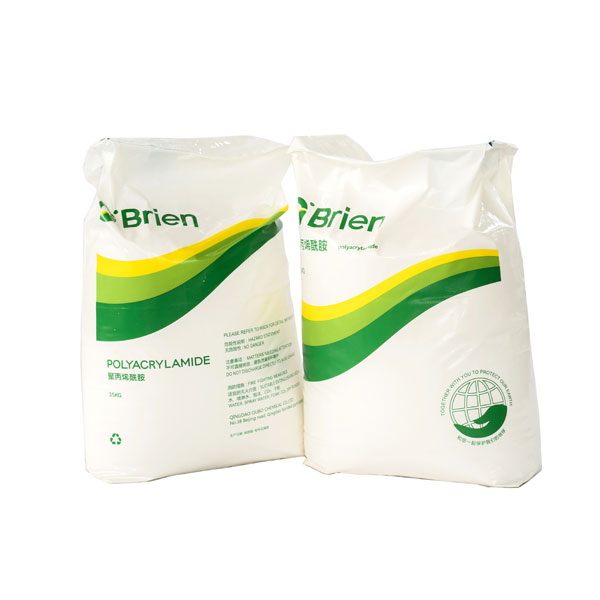
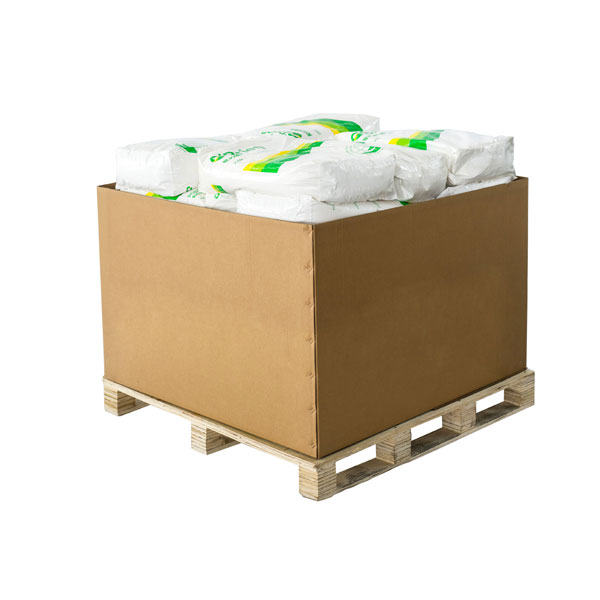
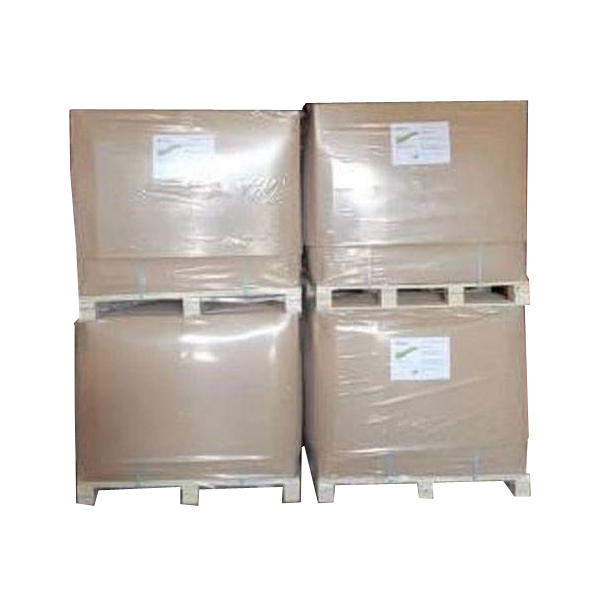
Located in the Free Trade Zone of Qingdao, China, Oubo Chemical profits from world-class maritime logistics infrastructure. We provide custom inner-liner PE bags, anti-caking additives for tropical climates, and specialized REACH, K-REACH, and OSHA-compliant SDS documentations to ensure seamless import customs clearance globally.
Innovating high-temperature, high-salinity subterranean hydrogels while pioneering eco-friendly green chemistry.
Integrating functionalized silica nanoparticles into polyacrylamide matrices to create composite hydrogels capable of enduring extreme reservoir conditions (temperatures up to 150°C and total dissolved solids up to 250,000 ppm).
Developing modified biopolymer-grafted PAM systems designed with programmed degradation profiles. These allow temporary subterranean water shutoff followed by environmentally benign microbial breakdown after oil recovery cycles complete.
Engineering ultra-fast dissolving micro-bead polyacrylamide variants that shorten field aging time from standard 60 minutes down to under 15 minutes, drastically reducing field power requirements and mixing equipment footprints.
Expert answers to critical engineering questions regarding water blocking polymers, dosage, and field execution.
Explore our full line of nonionic, anionic, and cationic polyacrylamide solutions engineered for global export.
 Oubo Chemical