Premium grade Cationic, Anionic, and Nonionic Polyacrylamide solutions engineered for tough industrial effluent purification.
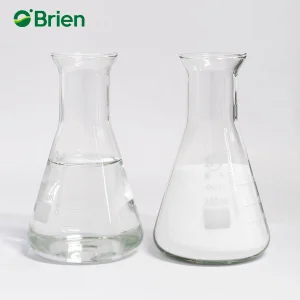
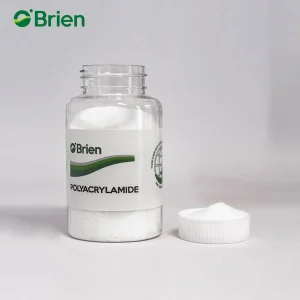
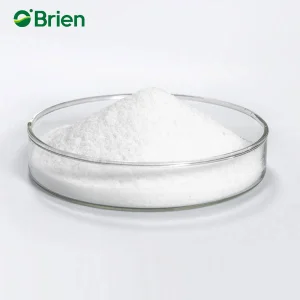
Qingdao Oubo Chemical Co., Ltd. (operating globally under the premier brand O'brien) is a world-class China wastewater decolorant manufacturer and specialized producer of synthetic polyacrylamide (PAM) water-soluble resins. Located in the strategic Free Trade Zone of Qingdao, China, Oubo Chemical has maintained a consistent annual business growth rate of over 10% for more than a decade.
Driven by strict environmental stewardship and technical excellence, our state-of-the-art chemical synthesizing facility achieved a milestone annual polyacrylamide production capacity breaking through 50,000 Metric Tons in 2018. Fully certified under ISO 9001:2008 quality management standards, Oubo Chemical combines advanced biological polymerization methods with stringent multi-stage quality control to supply global industrial clients with unmatched consistency.
Patented Innovation: We invest over €2 Million annually in R&D, utilizing patented bio-catalytic monomer synthesis to deliver higher molecular weight purity, zero acrylic acid toxicity remnants, and optimized charge density for aggressive wastewater color removal.
Analyzing the macro-economic and regulatory drivers transforming industrial colority removal and water reuse globally.
Modern industrial expansion across textiles, papermaking, chemical processing, and municipal infrastructure has generated unprecedented volumes of highly colored complex wastewater. Colority in industrial effluent is primarily caused by unsaturated chromophores, organic dye intermediates, synthetic pigments, lignin compounds, and heavy metal complexes. The global market for wastewater decolorizing agents and high-performance polyacrylamide flocculants is experiencing accelerated expansion, driven by stringent national discharge regulations such as China's Water Pollution Prevention and Control Law, the EU's Water Framework Directive, and US EPA effluent limitation guidelines (ELGs).
Regulatory bodies worldwide now demand final colority levels below 30-50 Platinum-Cobalt (Pt-Co) units for direct discharge, forcing mills to upgrade traditional physical sedimentation to advanced chemical charge-neutralization technology.
Modern synthetic reactive, acid, and azo dyes are engineered for extreme chemical stability against sunlight and washing, rendering biological aeration ponds ineffective for complete color removal.
Industrial complexes are adopting ZLD water recycling loops. Removing color and residual organics is crucial to prevent fouling of costly reverse osmosis (RO) membranes and electrodialysis units.
As a premier China wastewater decolorant manufacturer, Oubo Chemical bridges the gap between high chemical cost and treatment efficiency. Our specialized polymer formulations target the molecular structures of water-soluble and insoluble dyes, aggregating micro-flocs rapidly into dense, easily pressable sludge blankets.
Understanding charge neutralization, polymer bridging, and biological acrylamide synthesis.
Wastewater decoloration requires a dual chemical action: Electrostatic Charge Neutralization followed by Interparticle Polymer Bridging. Most synthetic dyes carry a strong negative surface charge due to sulfonic ($\text{-SO}_3^-$) or carboxylate ($\text{-COO}^-$) functional groups. Wastewater decolorants—primarily high-charge cationic polymers like Dicyandiamide-Formaldehyde resins or Cationic Polyacrylamide (CPAM)—introduce positively charged quaternary ammonium groups ($-\text{N}^+(\text{CH}_3)_3$).
Traditional polyacrylamide manufacturing relies on chemical catalysts (such as copper catalyst), which leave trace metallic residues and unreacted toxic monomeric acrylamide (AMD). Oubo Chemical employs a state-of-the-art biological enzymatic method for monomer preparation and polymerization:
| Performance Metrics | Oubo Chemical Bio-Method PAM | Traditional Chemical Method PAM | Industrial Advantage |
|---|---|---|---|
| Monomer Purity | > 99.9% Monomer Conversion | 98.0% - 98.5% Conversion | Higher polymer conversion rate & stability |
| Residual Acrylamide (AMD) | < 500 ppm (Ultra-Low) | > 1000 - 1500 ppm | Safe for municipal & sensitive applications |
| Molecular Weight Range | 6 Million to 30 Million Daltons | Maximum 15 Million Daltons | Superior flocs strength & dosage economy |
| Dissolution Speed | 40 - 60 Minutes complete dissolution | 90 - 120 Minutes | Saves power and dosing tank footprint |
Synthetic resins prepared by polymerization of acrylamide in nonionic, anionic, and cationic ionic types.
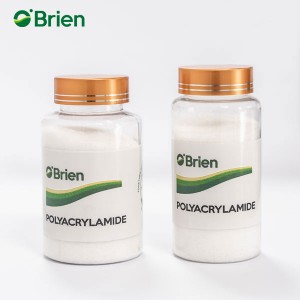
Linear high molecular weight polymer with positive ionic charge density ranging from 10% to 80%. Ideal for negative particle charge neutralization.
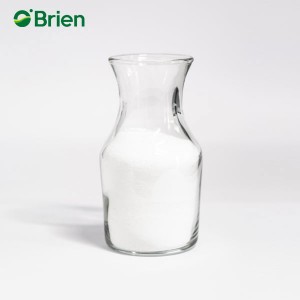
Water-soluble copolymer with negative charge density, molecular weight up to 25-30 Million. Extremely high flocculation efficiency in inorganic neutral/alkaline media.
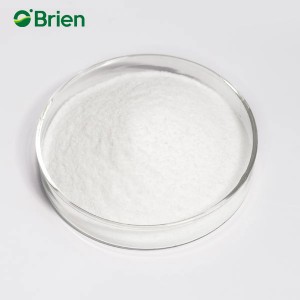
High purity polymer with non-ionic functional groups, performing exceptionally well in acidic conditions where ionic polymers lose efficiency.
Customized chemical dosing strategies engineered for specific vertical industry effluents.
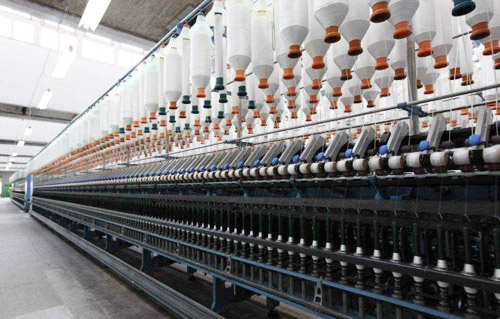
Textile printing and dyeing effluents contain high concentrations of reactive, disperse, and acid dyes with intense colority and variable pH. Combining Oubo's water decolorant agent with Cationic PAM achieves over 98% color removal and significant COD reduction prior to biological stage.
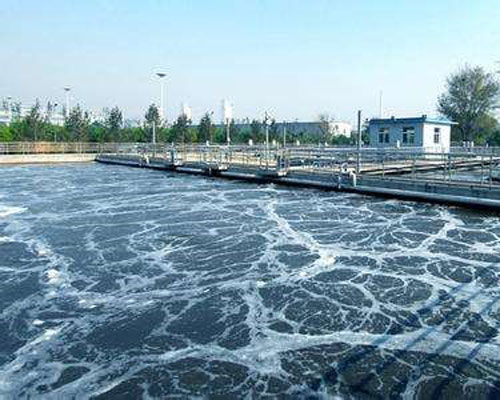
In urban sewage plants, cationic polyacrylamide promotes rapid moisture release from biological sludge cake in centrifugal decanters and chamber filter presses, increasing sludge solid content to 25%-35% while lowering disposal logistics costs.
Acts as paper dry/wet strength agents, retention aids, and drainage accelerators. Captures anionic trash in white water loops, improves short fiber retention on wire cloth, and clarifies paper recycling wastewater for closed-loop reuse.
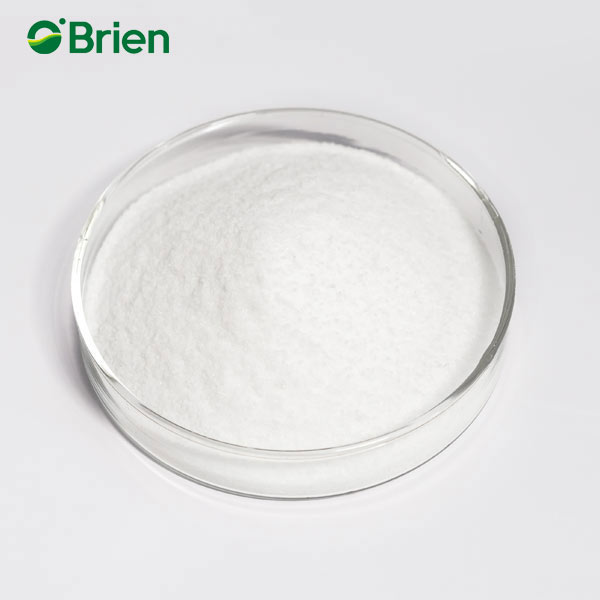
Used extensively in Enhanced Oil Recovery (EOR) as a mobility control polymer drive agent. Functions as shale inhibitor, fluid loss reducer, viscosifier, and wellbore stabilizer under high temperature and shear stress environments.

Accelerates solid-liquid separation in coal washing tailings, copper flotation slurry, gold cyanidation residue, and iron ore processing wash waters. Ensures clear overflow water for plant recycling.
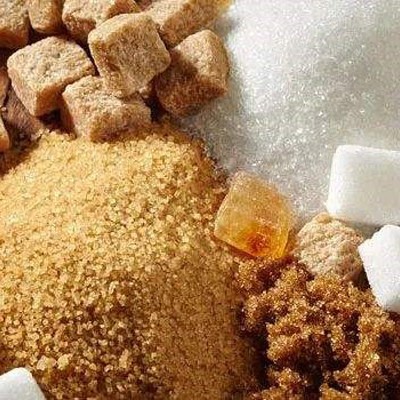
Food-grade high purity anionic polyacrylamide is utilized in sugarcane and sugar beet juice clarification and syrup filtration, enabling rapid impurities settling without altering liquid sensory properties.
Strategic innovation trajectory toward bio-degradable, low-carbon, and smart chemical dosing solutions.
Optimization of bio-acrylamide enzymatic purity and tailoring ionic monomer ratio for precise dye charge matching.
Developing ultra-low aldehyde content formulations and bio-based cationic polymer blends to reduce secondary environmental footprint.
Integration of real-time online colority sensors with automated chemical feed systems, lowering plant operational chemical costs by 20%.
Zero-sludge decolorization chemistry paired with advanced oxidation processes (AOP) for complete water loop closure.
Global raw material sourcing, automated precision production, and full lifecycle technical guidance.
Leading global manufacturer of Polyacrylamide in Qingdao FTZ, leveraging patented bio-methods and €2 Million annual R&D investment for technology leadership.
Global supply chain backed by top raw material suppliers such as SINOPEC and Eni. Automated production lines with 3x strict QC testing per batch.
Over a decade of focused polymer manufacturing excellence. Dedicated engineering support team active in pre-sales testing, selection, and after-sales support.
Free laboratory jar-testing service to identify exact charge density and molecular weight tailored to your specific plant effluent parameters.
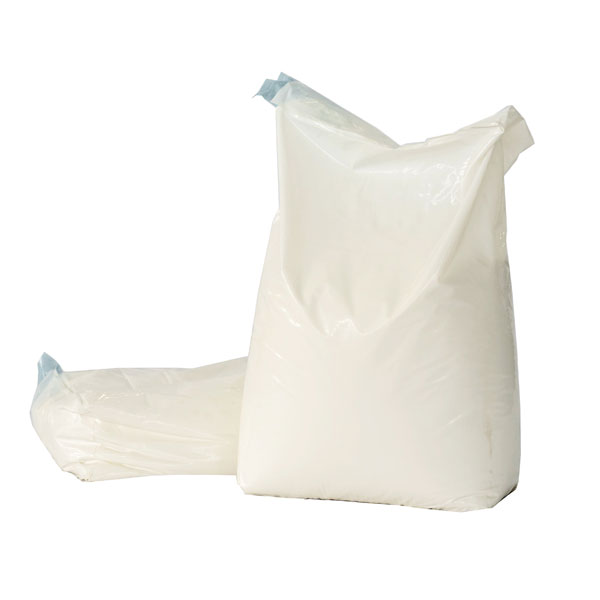
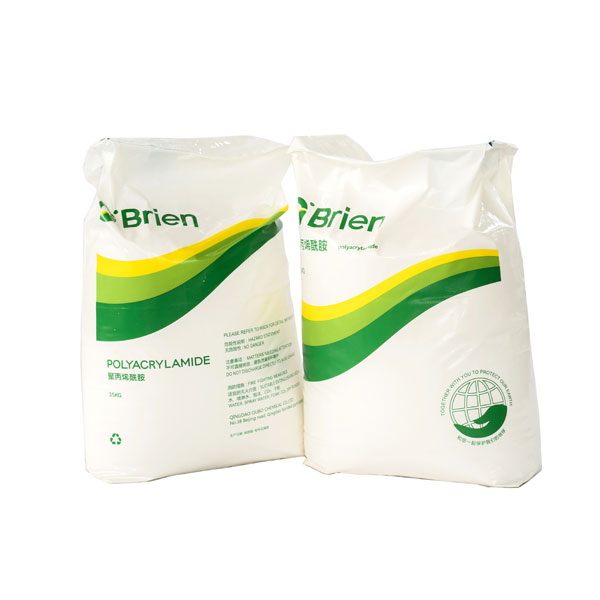
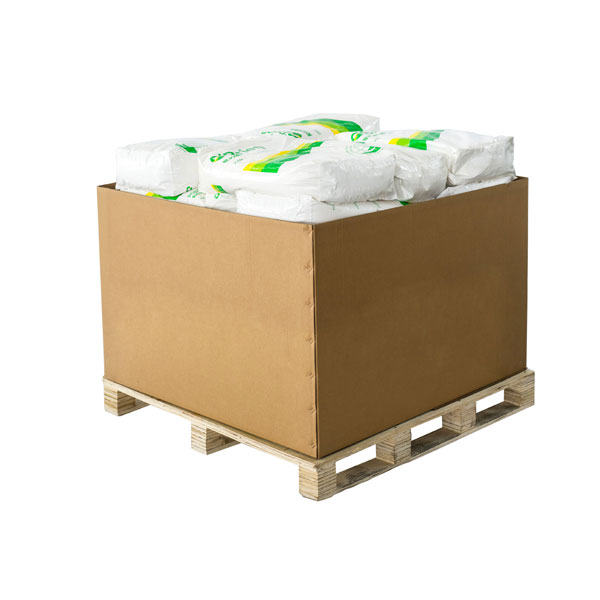
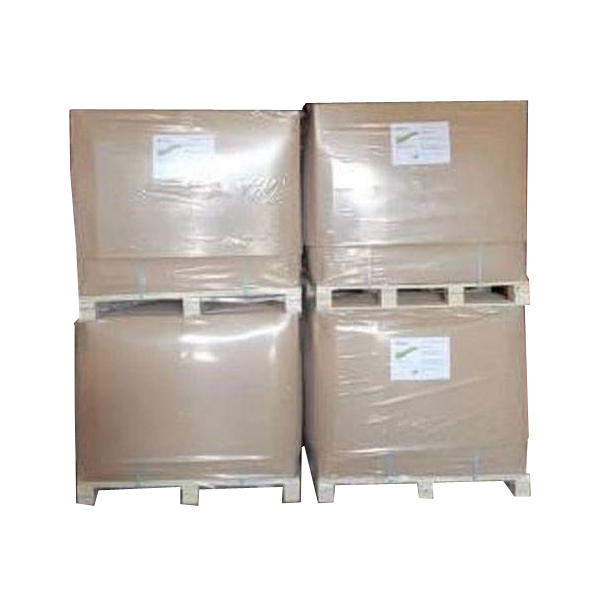
Moisture-proof multi-layer packaging options engineered for international maritime export.
Expert answers regarding polymer dosage, jar testing, chemical shelf life, and ordering protocols.
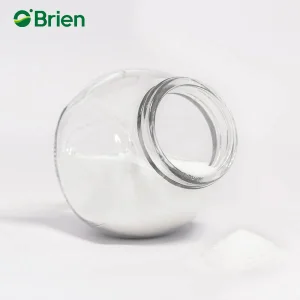
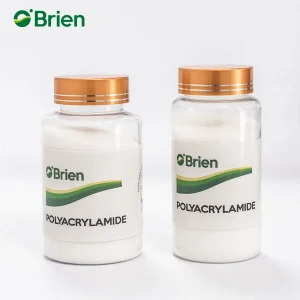
Explore our complete certified line of polyacrylamide products manufactured for global shipment.
 Oubo Chemical