High-purity anionic, cationic, and nonionic polymer formulations tailored for industrial wastewater, paper manufacturing, and mineral processing.
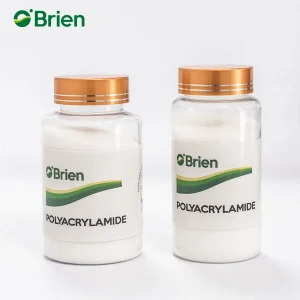
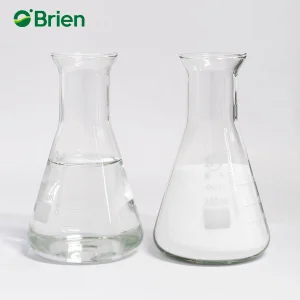
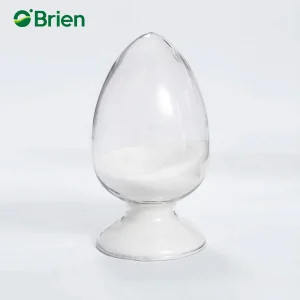
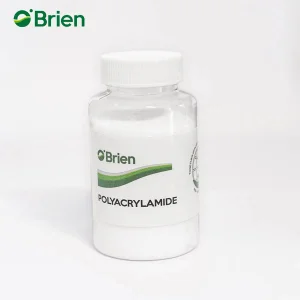
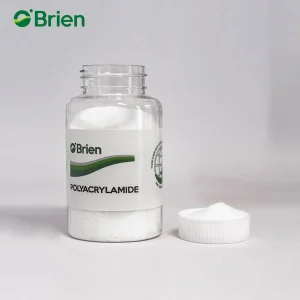
Established in 2011 within the Qingdao Free Trade Zone, China, Qingdao Oubo Chemical Co., Ltd (operating globally under the flagship brand O'brien) stands at the international forefront of synthetic polymer synthesis. Combining continuous bio-catalytic innovation with modern supply-chain logistics, Oubo Chemical delivers high-purity Polyacrylamide (PAM) solutions engineered for demanding global operations. Over the past decade, Oubo has maintained a consistent annual business growth rate of over 10%, reflecting our deep technical authority and commitment to global environmental compliance.
Our state-of-the-art manufacturing facilities reached a benchmark annual capacity exceeding 50,000 Metric Tons in 2018. Integrated under strict ISO 9001:2008 quality control protocols, Oubo operates patented biological synthesis lines for monomer preparation, resulting in polyacrylamide powders with minimal toxic acrylamide monomer (AM) residuals, exceptional thermal stability, and precise charge distribution.
In-depth chemistry analysis, molecular charge customization, and biological enzymatic synthesis mechanisms.
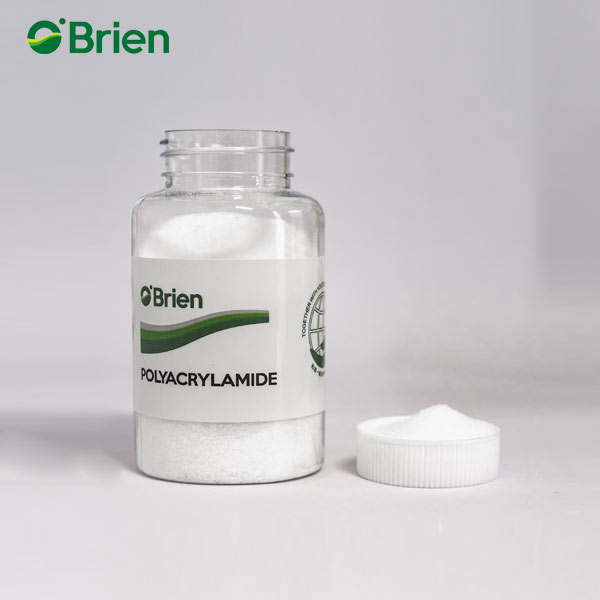
Polyacrylamide (CAS 9003-05-8) is a linear synthetic polymer composed of acrylamide monomer subunits ($-\text{CH}_2\text{CHCONH}_2-$). As a highly versatile water-soluble polymer, its operational efficiency across liquid-solid separation processes depends on three core physical-chemical parameters: Molecular Weight (MW), Charge Density (Ionicity), and Polymer Architecture.
By copolymerizing acrylamide with targeted functional monomers, Oubo Chemical produces four specialized ionic classifications designed to neutralize particle surface charges and form robust micro-flocs:
| Polymer Category | Chemical Structure & Monomers | Molecular Weight (Da) | Charge Density | Primary Industrial Mechanism |
|---|---|---|---|---|
| Anionic PAM (APAM) | Copolymer of Acrylamide & Sodium Acrylate | 5 Million - 25 Million | 10% - 60% (Hydrolysis) | Charge neutralization & bridging for positively charged inorganic suspensions. |
| Cationic PAM (CPAM) | Copolymer of Acrylamide & DAC/DMC (Quaternary Ammonium) | 6 Million - 15 Million | 5% - 80% (Ionicity) | Electrical double-layer compression on negatively charged organic sludge particles. |
| Nonionic PAM (NPAM) | Pure Acrylamide Homopolymer | 3 Million - 12 Million | Neutral (<1% Hydrolysis) | Hydrogen bonding formation with silica, minerals, and acidic aqueous systems. |
| Mannich PAM | Formaldehyde & Secondary Amine Modified PAM | 8 Million - 14 Million | 30% - 70% Cationic | High-density micro-flocculation in challenging organic municipal digestates. |
Unlike traditional chemical synthesis relying on copper catalysts (which leaves trace heavy metal contaminants and residual acrylamide monomers), Oubo Chemical employs cutting-edge microbial enzymatic bio-catalysis (Nitrile Hydratase pathway). This patented technology converts Acrylonitrile to Acrylamide monomer at high rates of efficiency under mild temperature conditions.
The resulting bio-monomer possesses ultra-high purity (>99.9%), enabling the synthesis of ultra-high molecular weight polymers (up to 25 Million Da) with near-zero heavy metal content, making Oubo PAM highly safe for municipal drinking water treatment and sensitive environmental applications.
Tailored polyacrylamide dosage regimes designed for heavy industrial operations, municipal infrastructure, and resource extraction.
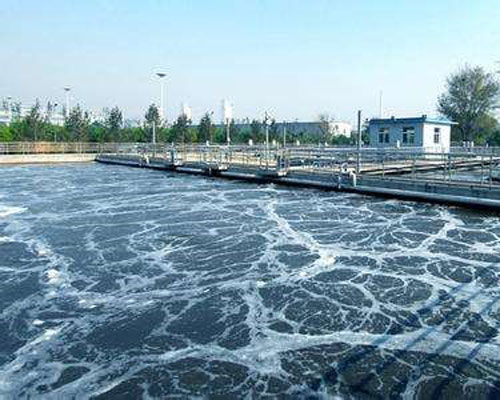
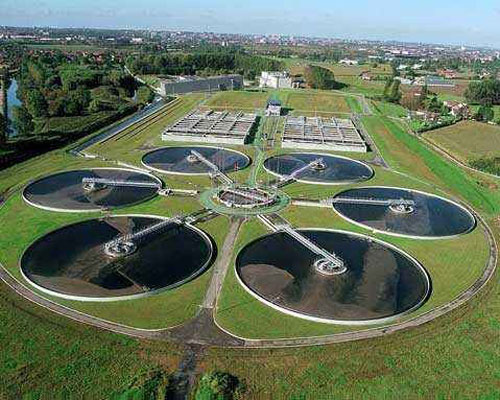
Optimized for mechanical dewatering equipment including decanter centrifuges, belt filter presses, and plate-and-frame filter presses. High-charge CPAM accelerates solid-liquid separation, forming shear-resistant flocs that leave clean supernatant water and cake dryness exceeding 25-30%.
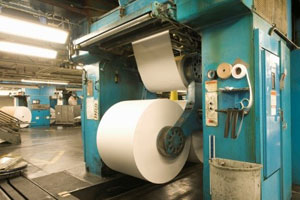
Functions as wet-end retention and drainage aids, anionic trash catchers, and dry-strength additives. Enhances fine fiber retention, speeds up wire dewatering, reduces furnish costs, and improves sheet burst and tensile strength properties across high-speed paper machines.

Used in Enhanced Oil Recovery (EOR) as mobility control thickeners, hydraulic fracturing friction reducers, and shale inhibitors. Maintains high viscosity stability under elevated temperature and salinity conditions (HPAM grade), improving sweep efficiency in mature reservoirs.

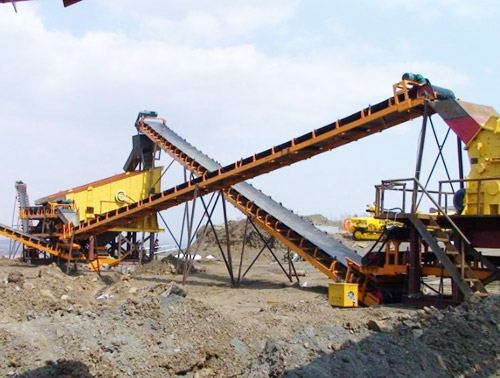
Essential for coal washing tailings, copper flotation tailings, gold leach residue, and alumina processing (Bayer Process). Facilitates rapid sedimentation in thickeners, reduces turbidity of recycled process water, and streamlines tailings filtration management.
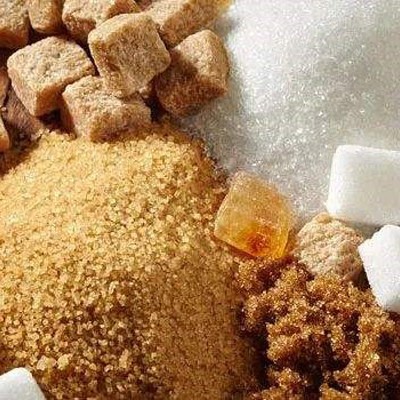
Food-grade APAM polymers accelerate sugarcane juice clarification and syrup flotation. Efficiently removes suspended solids, color precursors, and insoluble non-sugars, yielding higher purity juice with minimal polymer residence time in evaporators.
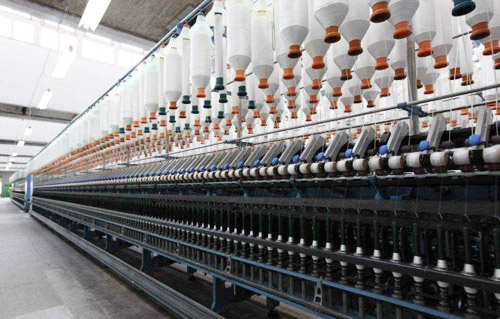
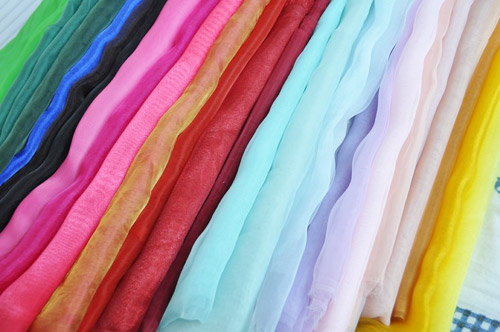
Serves as a warp sizing agent to increase yarn strength and reduce breakage during weaving. In textile wastewater treatment plants, it efficiently decolorizes dye-rich effluent by destabilizing colloidal colorants in combination with coagulants.
Global raw material partnerships, patented bioprocesses, and unmatched technical service infrastructure.
Utilizes proprietary biological enzymatic technologies for acrylamide synthesis. Supported by €200M in cumulative R&D investments, ensuring stable polymer chains with exceptional performance consistency.
Upstream strategic sourcing directly from world-class petrochemical leaders such as SINOPEC and Eni. Guaranteed batch-to-batch polymer purity and resilient supply chain stability under volatile market conditions.
Every single production batch undergoes 3 separate quality inspection protocols by our dedicated QC laboratory prior to dispatch, verifying dissolution rate, viscosity, ionicity, and monomer residual levels.
Our senior polymer application engineers assist clients through pre-sales lab Jar Testing, site-specific product selection, automated dosing equipment calibration, and after-sales process optimization.
Standardized moisture-proof packaging configurations engineered for long-distance international maritime shipping.
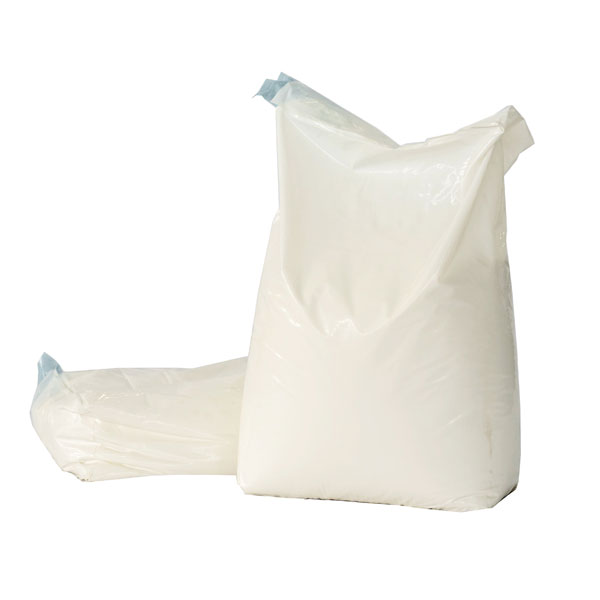
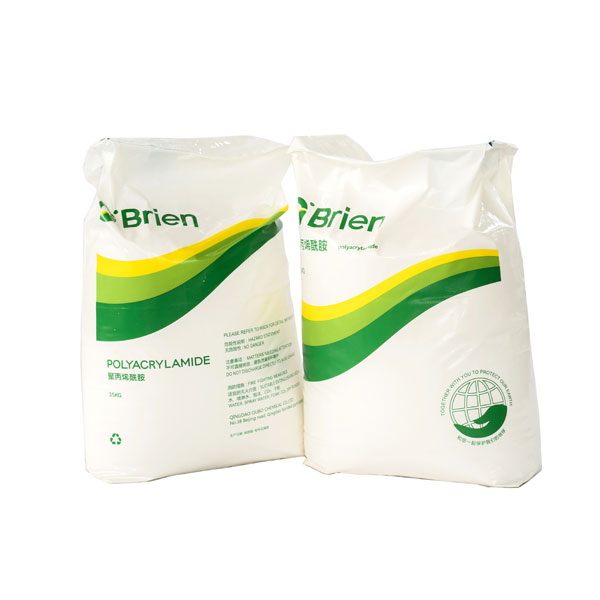
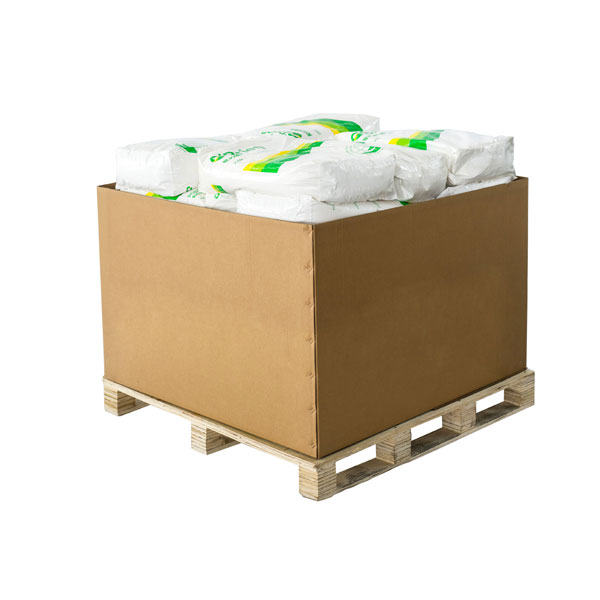
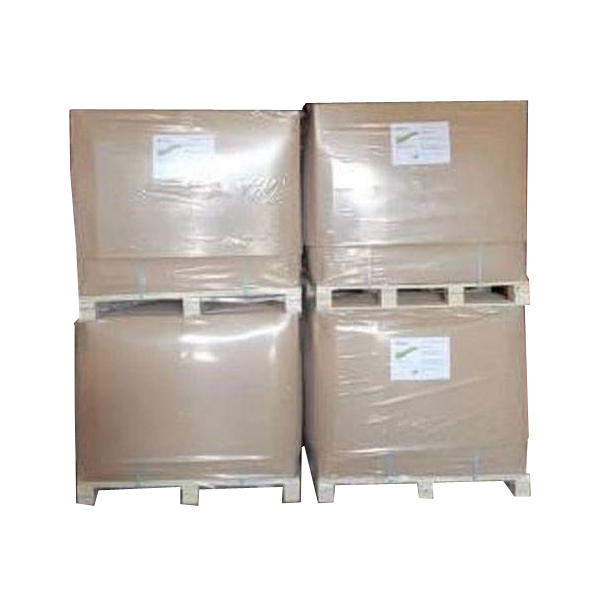
As global environmental regulations tighten—such as the European Union's updated Water Framework Directive and US EPA stringent effluent guidelines—the demand for high-efficiency, low-toxicity water-soluble polymers has expanded dramatically. Global enterprise procurement managers must evaluate chemical vendors not merely on unit pricing per metric ton, but on Total Cost of Ownership (TCO), dosage efficiency, regulatory compliance, and environmental footprint.
Acrylamide monomer (AM) is a known neurotoxin and potential carcinogen. Consequently, regulatory bodies restrict free residual AM levels in water treatment chemicals. Standard commercial PAM products often retain up to 1,000 ppm (0.1%) of unreacted monomer. Oubo Chemical's advanced bio-catalytic synthesis and thermal drying technology lower residual acrylamide levels to below 500 ppm (0.05%) for industrial grades and below 200 ppm (0.02%) for potable water applications, fully complying with NSF/ANSI Standard 60 guidelines.
Polyacrylamide powder is highly hygroscopic and tends to form agglomerates ("fish eyes") if improperly dispersed in water. Efficient dissolution requires automated polymer preparation units featuring high-shear dispersion cones, aged aging tanks, and progressive cavity metering pumps. Oubo's granular polyacrylamide products feature uniform particle sizing (20 - 80 mesh), allowing complete dissolution within 40 to 60 minutes, saving operational energy and reducing pump clogging downtime.
Located in the Qingdao Free Trade Zone, Oubo Chemical benefits from direct access to Qingdao Port—one of the largest deep-water shipping hubs in the world. With seamless access to major ocean carriers, automated warehouse storage, and customs-bonded facilities, Oubo guarantees uninterrupted international lead times and containerized shipping fulfillment even during peak freight seasons.
Expert answers to critical procurement, chemical selection, and application troubleshooting questions.
Selection depends primarily on the Zeta potential and particle composition of the suspended solids. Inorganic solids (such as clay, mineral tailings, or sand) generally possess positive surface charges and respond best to Anionic Polyacrylamide (APAM). Organic sludge (such as municipal primary digestate or biological wastewater) carries negative charges, requiring Cationic Polyacrylamide (CPAM). Neutral or highly acidic mineral slurries often require Nonionic Polyacrylamide (NPAM). Laboratory Jar Testing is strongly recommended prior to full-scale deployment.
Standard solid PAM powders should typically be dissolved to a stock solution concentration of 0.1% to 0.3% (w/v) using clean, non-potable or potable water at temperatures between 20°C and 40°C. Water temperatures above 60°C will cause thermal degradation of the polymer backbone chain, reducing performance.
Dry Polyacrylamide powder sealed in original moisture-proof bags has a shelf life of 24 months when stored in a cool, dry, ventilated warehouse. Once dissolved into aqueous solution, stock solutions should be consumed within 24 to 48 hours for CPAM, and within 3 to 5 days for APAM/NPAM, as aqueous polymer chains gradually hydrolyze and lose viscosity over time.
Yes. Oubo Chemical is certified under ISO 9001:2008 Quality Management Systems. Our products comply with international environmental standards, REACH registration requirements for European trade, and NSF/ANSI Standard 60 protocols for potable water safety.
Absolutely. With an annual R&D investment exceeding €200M, Oubo's engineering team routinely synthesizes customized polymer grades tailored to specific customer operational parameters, including varying molecular weights (3 Million to 25 Million Da) and precise ionicity levels (5% to 80%).
Browse our extensive chemical catalog designed for specialized industrial operations and global bulk orders.
 Oubo Chemical