Direct Factory Supply of High-Purity Super Absorbent Polymer Powder & Polyacrylamide Derivatives with ISO9001:2008 Certified Quality System
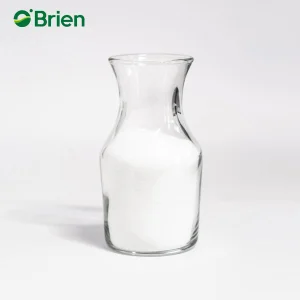
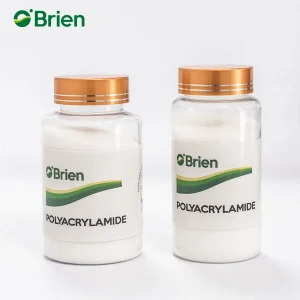
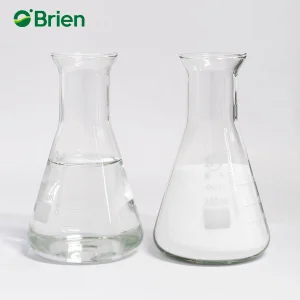
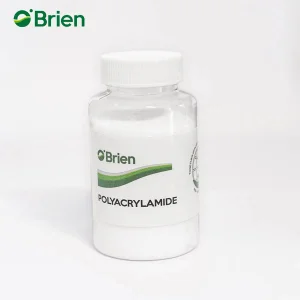
An Industry Whitepaper on High-Molecular Absorbent & Flocculant Powders Manufactured in China
The global demand for high-performance Super Absorbent Polymer (SAP) powder and cross-linked Polyacrylamide (PAM) derivatives has undergone a structural paradigm shift over the past decade. Driven by tightening international environmental regulations, complex industrial wastewater mandates, advanced shale oil/gas extraction techniques, and sustainable agricultural water management, modern industries require precise molecular engineering. China has emerged as the premier manufacturing epicenter for these advanced macromolecular compounds, capitalizing on integrated raw material supply chains, advanced biological monomer synthesis, and massive scale economies.
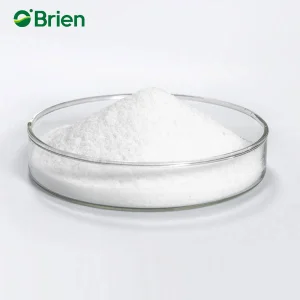
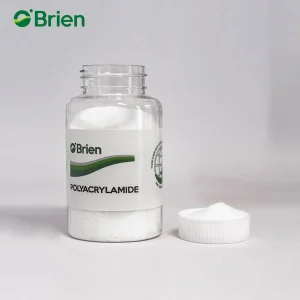
Polyacrylamide (PAM), represented chemically as (C3H5NO)n, is a linear polymer formed from acrylamide subunits. Depending on the chemical functional groups grafted onto the backbone, polymers are classified into four main ionic variants: Anionic (APAM), Cationic (CPAM), Nonionic (NPAM), and Amphoteric (Mannich). Furthermore, specialized SAP cross-linking protocols allow these hydrogels to absorb and retain water up to hundreds of times their dry weight, making them indispensable across hygienic, agricultural, and civil engineering sectors.
Selecting the optimal polymer powder requires a comprehensive analysis of substrate charge density, molecular weight distribution, and medium pH. The table below delineates the core operational parameters of our primary product lines:
| Polymer Variant | Molecular Weight (Million) | Ionic Degree (%) | Primary Industrial Mechanism | Core Application Domains |
|---|---|---|---|---|
| Anionic PAM (APAM) | 6 - 25 Million | 10% - 60% (Anionic Charge) | Bridging Flocculation, Electrostatic Charge Neutralization | Municipal Wastewater, Mineral Processing, Coal Washing, Paper Retention |
| Cationic PAM (CPAM) | 8 - 15 Million | 5% - 80% (Cationic Charge) | Organic Charge Neutralization, Sludge Cake Dewatering | Sludge Centrifugation, Tannery/Dyeing Effluent, Bio-solids Separation |
| Nonionic PAM (NPAM) | 3 - 12 Million | < 3% Neutral Structure | Hydrogen Bonding Flocculation in Acidic/High Salt Media | Acidic Industrial Effluent, Metal Extraction, Soil Stabilization, Oilfield Fluids |
| Super Absorbent Hydrogel | Cross-linked Network | Tailored Carboxylate Density | Osmotic Pressure Swelling & Matrix Water Retention | Agriculture Soil Moisture Conservation, Cable Water-blocking, Spill Containment |
Enterprise Credentials, Patent-Backed Biological Synthesis, and Global Supply Chain Rigor
Oubo Chemical Co., Ltd was established in 2011, strategically located within the Free Trade Zone of Qingdao, China. Over more than a decade of dedicated operational excellence, Oubo has maintained a steady business growth rate exceeding 10% per year. Our corporate commitment spans not only technical synthesis precision, but also environmental responsibility during polymer production and global end-use deployment.
By 2018, Qingdao Oubo Chemical Co., Ltd achieved a major industrial milestone, breaking through an annual polyacrylamide capacity of 50,000 Metric Tons. Operating under a fully certified ISO9001:2008 Quality Management System, our brand O'brien has earned global trust across North America, Europe, Southeast Asia, and the Middle East.
As a world-leading manufacturer, Qingdao OUBO Chemical utilizes patented biological enzymatic methods for monomer preparation. We allocate substantial capital into annual technological accumulation to refine polymer performance continuously.
We source premium raw materials through global supply chains partnering with world-class chemical leaders such as SINOPEC and Eni. Automated production lines paired with 3-stage pre-shipment QC testing guarantee absolute batch consistency.
Specializing exclusively in Polyacrylamide synthesis, our technical engineers oversee pre-sales chemical selection, lab jar testing, plant trial runs, and post-sales optimization to deliver maximum cost-efficiency.
Our dedicated chemical engineering group supports custom dosage optimization, charge density tailoring, and site-specific flocculation troubleshooting for industrial plants worldwide.
Engineered Polyacrylamide Solutions Tailored for Specific Operational Workflows
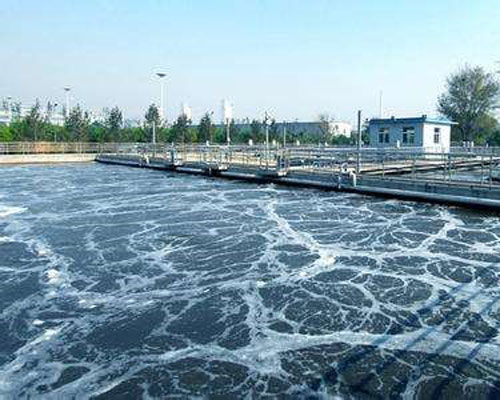
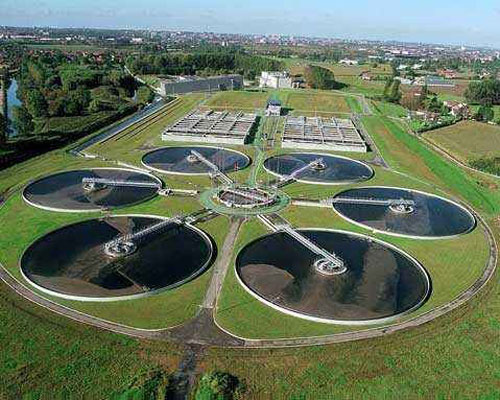
In solid-liquid separation processes, our PAM formulations accelerate sedimentation, clarification, and sludge dewatering. Highly effective in belt filter presses, centrifuge decanters, and screw presses across municipal sewage, leather, paper, citric acid, dyeing, and pharmaceutical plants.
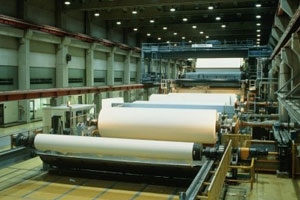
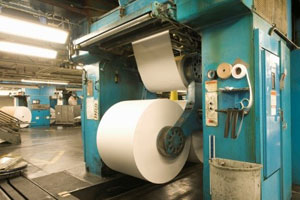
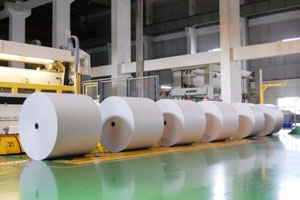
Acts as retention agents, drainage aids, dry/wet strength fortifiers, and anionic trash catchers. Improves fine fiber retention, enhances physical sheet strength, optimizes white water clarification, and drastically reduces raw material fiber loss.
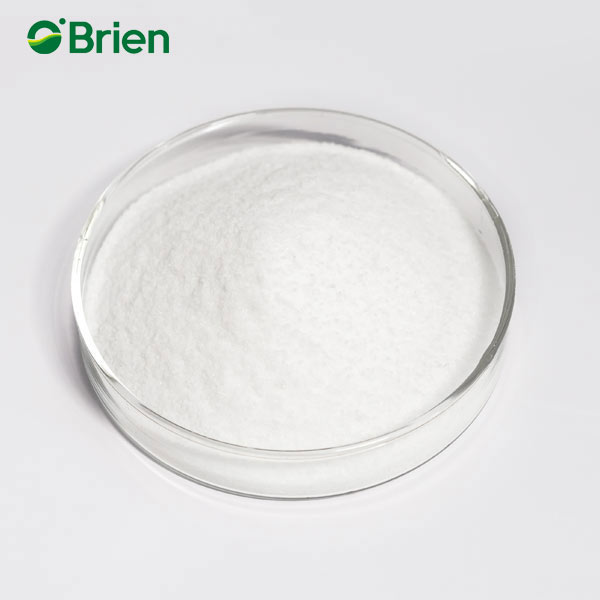


Widely deployed in Enhanced Oil Recovery (EOR) polymer flooding, fluid loss control, shale inhibition, profile modification, and hydraulic fracturing fluids. Provides superior viscosity retention under high temperature and shear stress.

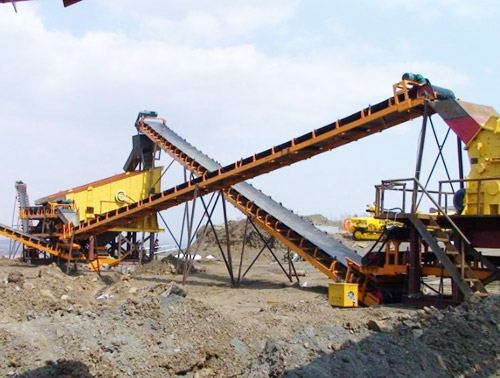

Facilitates rapid settling and filtration in coal washing tailings, copper, iron, gold, silver, and nickel ore processing. Ensures fast water recycling and clean tailing slurry clarification.
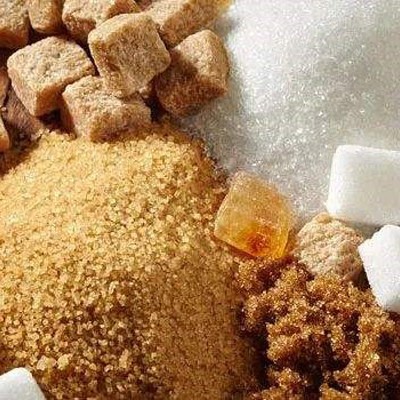
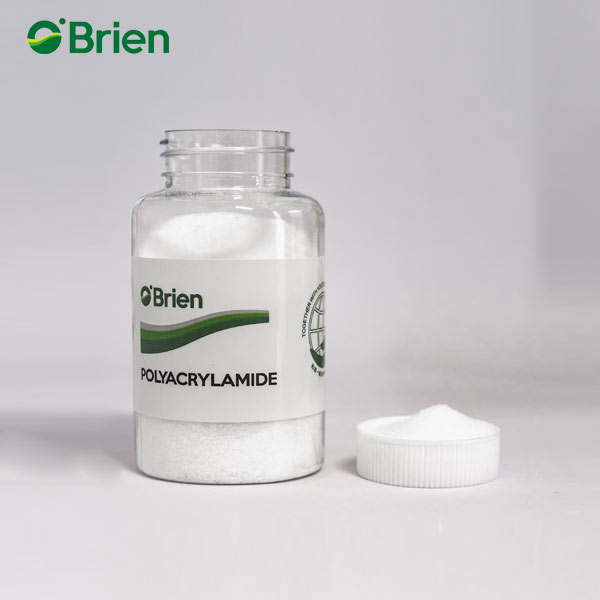
Specifically formulated food-grade APAM speeds up the flocculation and clarification of cane and beet juice syrup, enhancing sugar recovery yield while maintaining ultra-low impurity levels.
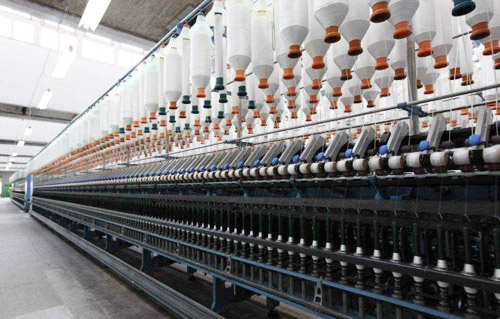

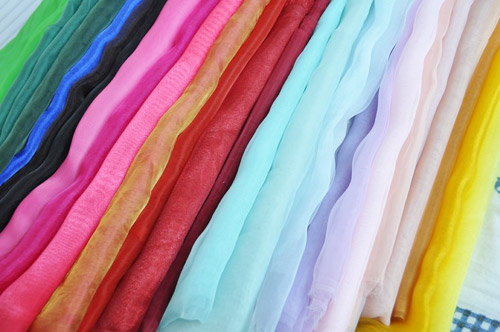
Serves as a robust warp sizing agent, fabric finishing enhancer, and effective decolorizing flocculant for complex dyeing wastewater streams.
Standardized Moisture-Proof Packaging Designed for Ocean Freight & Extended Storage Life
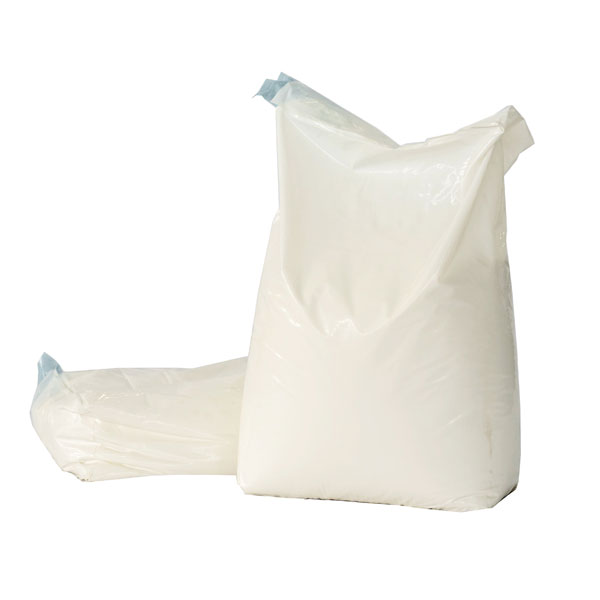
25kg multi-wall Kraft paper bag with PE inner liner for white-label distributor requirements.
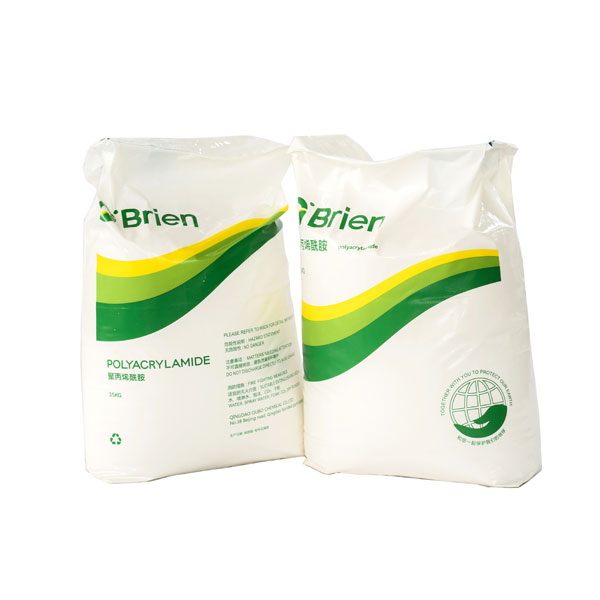
Standardized brand packaging featuring lot tracking, grade code, and safety handling instructions.
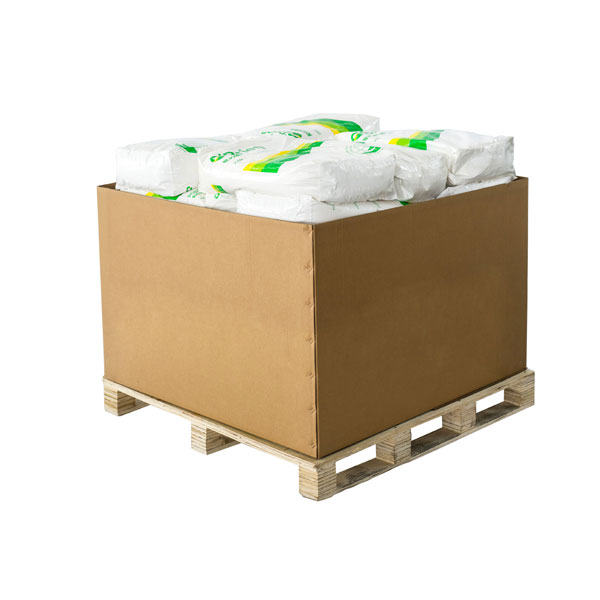
Heavy-duty ton bags with top spout loading and bottom discharge for high-volume automated chemical dosing units.
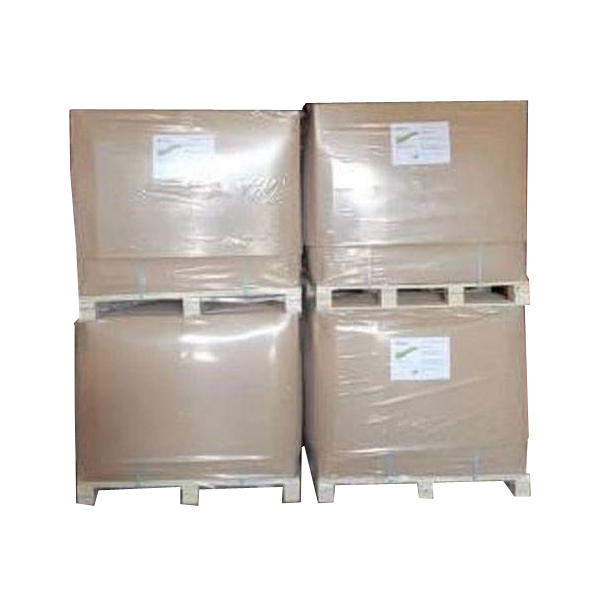
ISPM-15 compliant wooden/plastic pallets secured with shrink-wrap and corner protectors for container transport.
Advancing Next-Generation Eco-Friendly Hydrogels & Bio-Based Polymer Architectures
As the global chemical industry aligns with carbon-neutral mandates and zero-liquid-discharge (ZLD) environmental benchmarks, Oubo Chemical continues to pioneer sustainable innovation in hydrogel polymer chemistry:
Replacing fossil-fuel derived acrylamide with bio-monomers fermented from renewable agricultural biomass. Reduces cradle-to-gate carbon footprint by up to 35% while retaining high molecular weight integrity.
Developing AMPS-modified copolymer structures designed for deep oil reservoirs and hypersaline industrial effluent where standard polymers suffer thermal degradation and viscosity loss.
Engineering environmental breakdown mechanisms into super absorbent soil conditioners, allowing polymers to safely decompose into water, carbon dioxide, and nitrogen compounds after multi-season crop use.
Explore Extended Formulations Designed for Mineral Dressing, Acidic Effluent & High Molecular Weight Tailings Dewatering
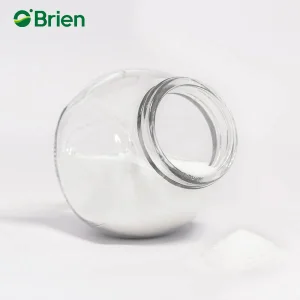
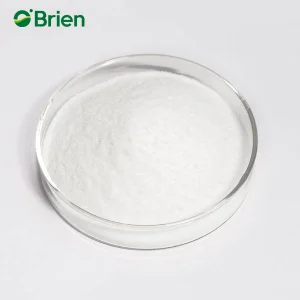
Expert Engineering Solutions to Common Questions Regarding Super Absorbent Polymer Selection, Dissolution & Plant Operations
 Oubo Chemical