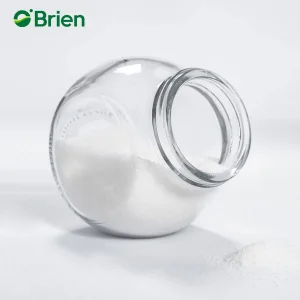
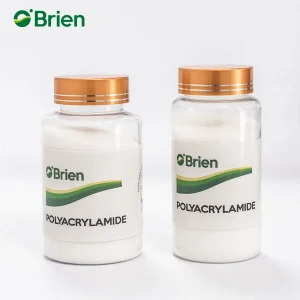
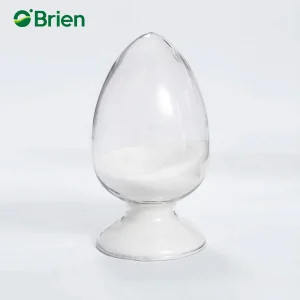
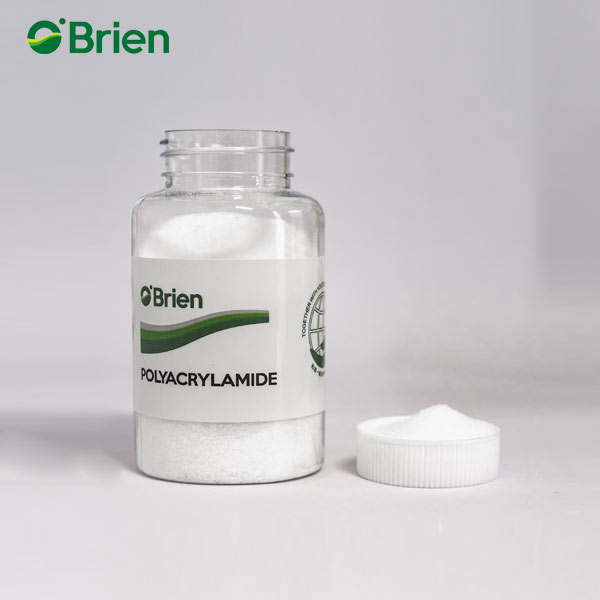
Precision-engineered water-soluble polymers formulated for dry/wet paper strength enhancement, acid-resistant flocculation, and high-efficiency solid-liquid separation.
In modern chemical processing, pulp manufacturing, environmental engineering, and hydrocarbon recovery, the deployment of synthetic water-soluble polymers—predominantly Polyacrylamide (PAM) and its ionic derivatives—represents a cornerstone of modern industrial optimization. As global industries face stricter environmental mandates, intensifying resource conservation requirements, and higher performance standards for end-products, China has established itself as the primary hub for advanced strength additives manufacturing.
Strength additives act as molecular architects within aqueous slurries and cellulosic fiber matrices. By controlling electrokinetic surface charges, establishing intra-molecular hydrogen bonding, and promoting polymer chain entanglements, high-molecular-weight polyacrylamides drastically increase internal bond strength, burst index, tensile resistance, and mechanical resilience across paperboard, specialized tissues, and recycled packaging materials. Beyond papermaking, these multi-functional macromolecules operate as robust flocculants, rheology modifiers, and dewatering accelerators across complex municipal and industrial liquid-solid interfaces.
Pioneering eco-friendly enzymatic polymerization, automated production architectures, and global distribution from the Qingdao Free Trade Zone.
Established in 2011 within the Qingdao Free Trade Zone, China, Oubo Chemical Co., Ltd. operates a world-class manufacturing complex. Our strategic location facilitates seamless raw material intake and rapid international maritime logistics, backed by a consistent 10% annual business expansion rate over the past decade.
Moving beyond traditional chemical synthesis, Oubo utilizes patented biological enzymatic methods to synthesize acrylamide monomers. This low-carbon, low-byproduct process yields ultra-high molecular weight polymers with pristine linearity, lower residual monomer content (<0.05%), and superior performance profiles.
To maintain uncompromised chemical purity, our raw materials are ethically sourced from industry leaders including SINOPEC and Eni. Operating fully automated production lines, each production batch undergoes rigorous triple-testing protocols by our dedicated Quality Control (QC) team under ISO9001:2008 standards.
The structural effectiveness of Polyacrylamide (PAM) as a strength additive relies on its controllable charge density, precise molecular weight distribution, and functional monomer composition. Polyacrylamide is a water-soluble polymer prepared by polymerizing acrylamide monomers ($CH_2=CHCONH_2$). When applied in paper pulp slurries or industrial liquid suspensions, it functions via distinct chemical mechanisms:
Cellulosic fibers and colloidal particles in water carry natural negative zeta potentials. Cationic Polyacrylamide (CPAM) introduces quaternary ammonium groups ($-\text{N}^+(\text{CH}_3)_3$) that neutralize negative surface charges. This collapses the electrical double layer, enabling rapid micro-flocculation and promoting uniform chemical deposition across fiber lattices.
The high density of primary amide groups ($-CONH_2$) along the polymer backbone forms strong hydrogen bonds with the hydroxyl groups ($-OH$) of cellulose fibers during web formation and drying. In wet-strength formulations, cross-linking reactions create permanent covalent networks that resist moisture degradation.
Ultra-high molecular weight chains (exceeding 20 million Daltons) extend beyond the electrostatic boundary layers of individual suspended solids. By adsorbing onto multiple particles simultaneously, long-chain PAM creates robust polymer bridges that survive high-shear industrial hydrodynamic forces.
| PAM Ionic Type | Charge Density Range | Molecular Weight (MW) | Primary Strength & Industrial Function | Key Target Applications |
|---|---|---|---|---|
| Cationic (CPAM) | 5% – 80% (Mole %) | 5 Million – 15 Million | Dry/Wet Strength, Drainage Aid, Retention Agent | Paper manufacturing, Sludge Dewatering, Acidic Wastewater |
| Anionic (APAM) | 10% – 60% (Mole %) | 8 Million – 25 Million | Dry Strength Agent, Viscosity Modifier, Flocculant | Recycled Paperboard, Municipal Sewage, EOR Oil Drilling |
| Nonionic (NPAM) | Near Zero (< 2%) | 3 Million – 12 Million | Selective Flocculation, Matrix Filler Retention | Acidic Waste Systems, Mineral Tailings, Soil Stabilization |
| Mannich Base | 20% – 50% High Charge | 4 Million – 10 Million | High Shear Flocculation, Anionic Trash Scavenger | Heavy Industrial Effluent, De-inking Paper Slurries |
Delivering customized polymer formulations to enhance mechanical properties, accelerate processing cycles, and optimize resource efficiency across major industrial sectors.
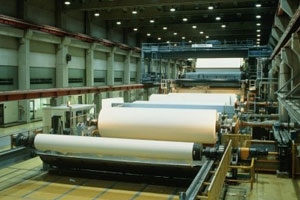
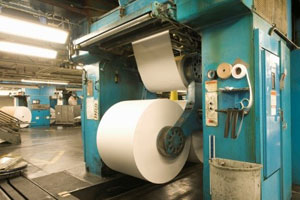
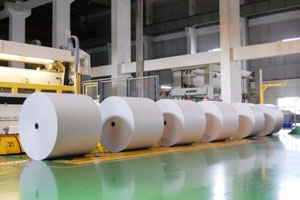
In the paper and paperboard industry, Oubo’s specialized Polyacrylamide additives serve four distinct functions across wet-end systems:
By forming direct hydrogen bonds and ionic linkages with fiber hydroxyl groups, our strength agents enhance Mullen burst strength, Ring Crush Test (RCT) values, tensile energy absorption, and surface pick resistance in linerboard and tissue grades.
Significantly increases the retention rate of fine fibers, titanium dioxide ($TiO_2$), calcium carbonate ($CaCO_3$), and clay fillers. This minimizes raw material loss, lowers white water turbidity, and improves overall sheet formation.
Neutralizes dissolved organic anionic contaminants and pitch present in mechanical pulps and recycled furnish. This stabilizes wet-end chemistry and prevents deposition on machine felts and drying cylinders.
Promotes uniform fiber dispersion in long-fiber specialty paper grades, enhancing sheet aesthetics while accelerating ink particle flotation during secondary fiber de-inking cycles.
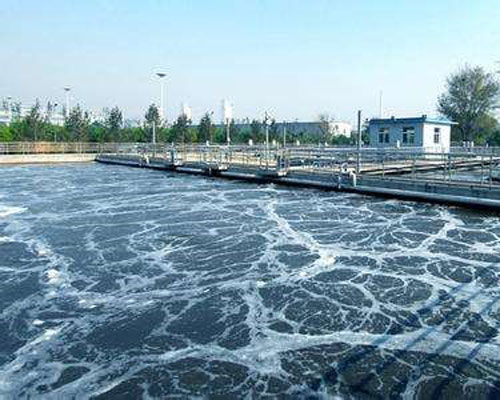
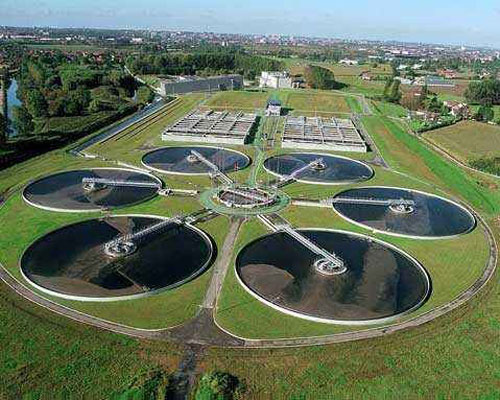
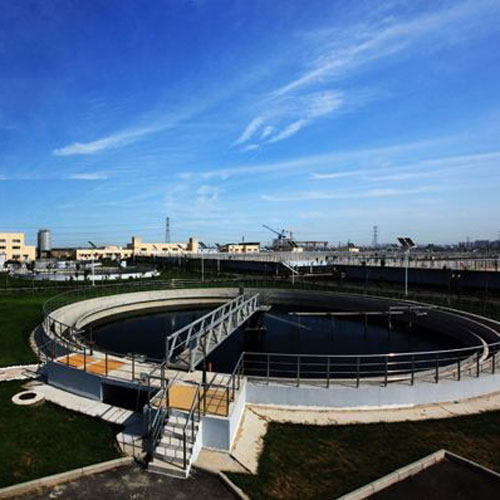
Rapid industrialization and stringent environmental regulations demand high-efficiency flocculants for liquid-solid separation. Oubo Polyacrylamide accelerates settling velocities, reduces chemical sludge volumes, and maximizes cake dryness across belt filter presses, centrifuges, and screw presses.
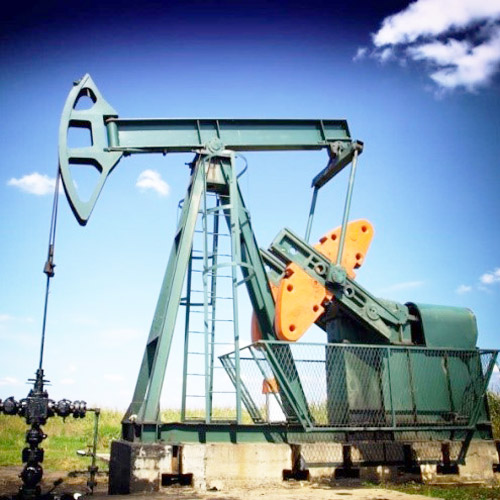
In energy recovery, Oubo PAM serves as a mobility control agent for Enhanced Oil Recovery (EOR), viscosity modifier, and shale stabilizer. It maintains structural integrity under extreme shear rates, high temperatures, and elevated formation salinity.
Increases injected water viscosity to optimize sweep efficiency, minimize viscous fingering, and displace trapped crude from subterranean rock pores.
Functions as a fluid-loss reducer, shale hydration inhibitor, and proppant transport vehicle in hydraulic fracturing operations.
Accelerates the consolidation of fine mature tailings (MFT) in oil sands processing, enabling rapid water recycling.

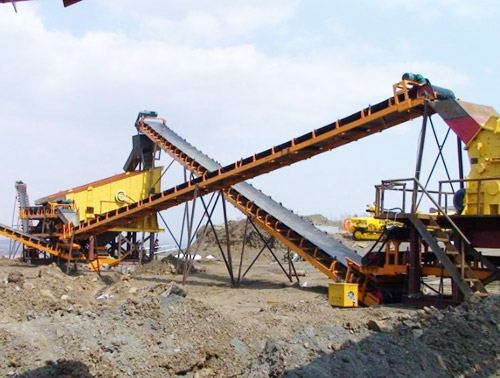
In mineral extraction, selective separation of valuable mineral solids from gangue tailings relies heavily on polymer ionic charge and molecular weight customization. Oubo PAM solutions deliver high performance in:


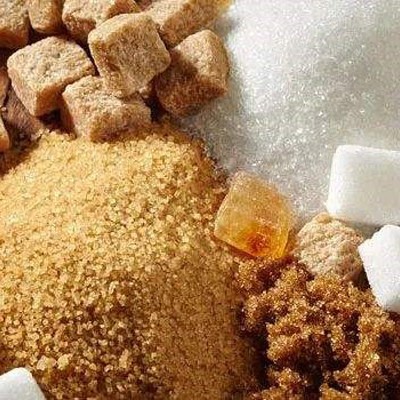
In sugarcane and sugar beet processing, high-purity food-grade Anionic PAM accelerates the juice clarification and flotation process, precipitating non-sugar impurities while maximizing juice clarity and sucrose yield.
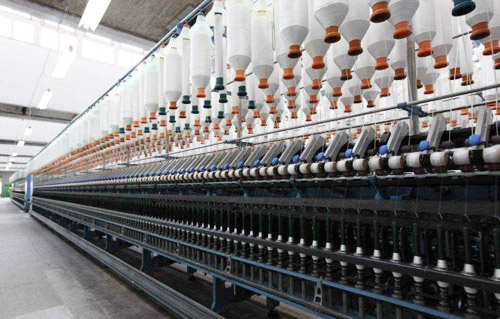
Functions as an efficient warp chemical sizing agent to increase yarn tensile strength and smooth surface texture. Furthermore, CPAM rapidly decolorizes and treats high-COD textile dyeing effluent.

Qingdao OUBO Chemical Co., Ltd. stands as a premier world leader in Polyacrylamide production. Our bio-enzymatic synthesis is supported by patented technologies and a continuous €200M R&D investment for chemical innovation.
With an end-to-end automated manufacturing supply chain, raw materials are sourced globally from tier-one providers like SINOPEC and Eni. Fully certified under ISO9001, every production lot is subjected to a 3-tier QC testing sequence prior to dispatch.
Over 8+ years of deep PAM specialization guarantees superior chemical performance at factory-direct pricing. Our engineering team joins pre-sales, bench testing, site trials, and post-sales optimization to ensure correct product selection.
Our dedicated technical service group assists clients with tailor-made polymer dosage calculations, Jar testing, chemical compatibility checks, and plant-scale implementation to maximize operational ROI.
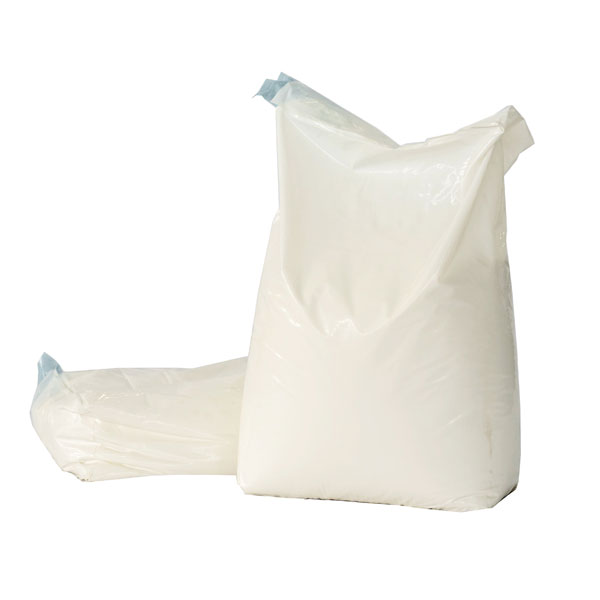
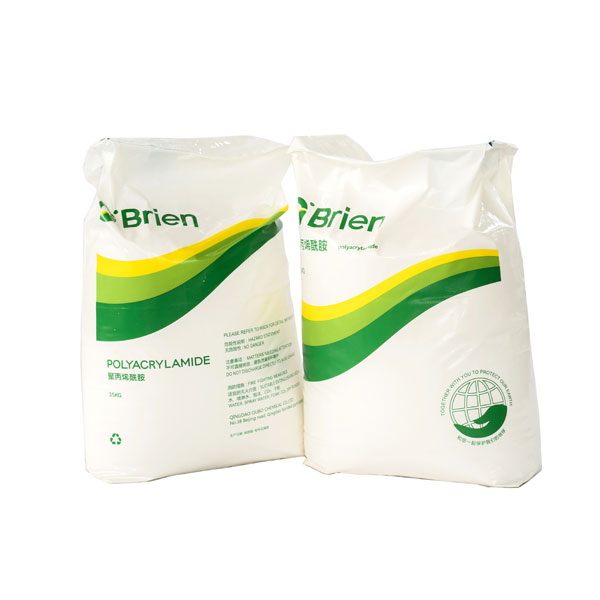
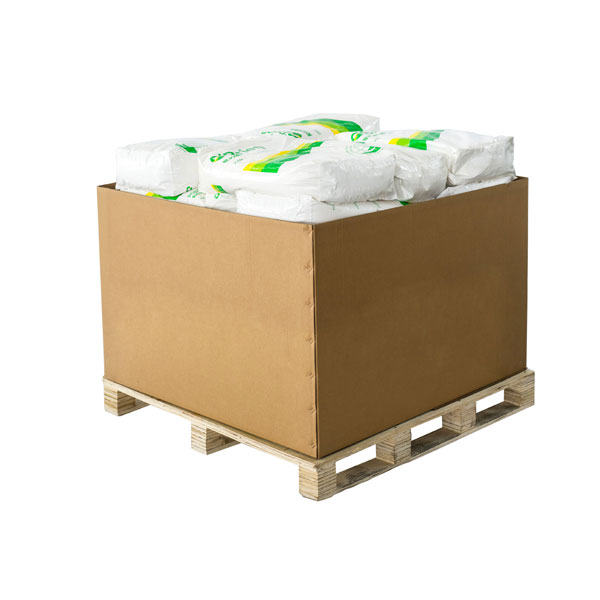
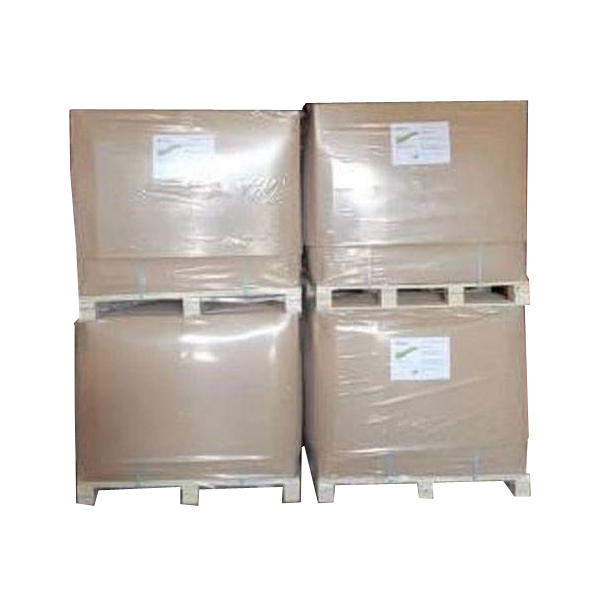
Standardized moisture-proof, high-durability industrial packaging solutions for worldwide maritime and overland transport.
As global industrial manufacturing transitions toward carbon neutrality and zero-liquid-discharge (ZLD) operational models, Oubo Chemical is advancing the frontier of polymer science through three strategic technology initiatives:
Replacing petroleum-derived precursors with renewable bio-based agricultural feedstocks, lowering the cradle-to-gate carbon footprint of polyacrylamide polymers by over 35% without compromising molecular weight or charge density.
Partnering with automated processing equipment manufacturers to develop IoT-enabled optical sensors and streaming turbidity meters that adjust polymer dosing dynamically based on real-time charge demand and slurry solids variations.
Developing modified terpolymers utilizing ATBS (2-Acrylamido-2-Methylpropanesulfonic Acid) monomers engineered to withstand reservoir salinities up to 250,000 ppm TDS and continuous operating temperatures up to 120°C in ultradeep EOR applications.
Expert answers to common engineering questions regarding polymer selection, dosage, dissolution, and application mechanics.
Polyacrylamide (PAM) introduces extensive primary amide groups ($-CONH_2$) along its polymer backbone. When added to paper pulp wet-end systems, these functional groups adsorb onto cellulose fibers, forming a high density of inter-fiber hydrogen bonds as the web dries. Additionally, cationic variants (CPAM) interact electrostatically with negatively charged fibers, creating ionic cross-links that significantly boost Mullen burst pressure, tensile index, and surface pick resistance.
Traditional acrylamide synthesis relies on chemical copper-catalyzed hydration, which often leaves residual heavy metals, acrylic acid byproducts, and broad molecular weight distributions. Oubo’s patented biological enzymatic synthesis utilizes biocatalysts to convert acrylonitrile into acrylamide at ambient temperatures. This process yields monomer purity exceeding 99.9%, lowers carbon emissions, prevents heavy metal contamination, and enables synthesis of ultra-high molecular weight polymers (>20 Million Daltons).
Selection depends primarily on the electrical charge of the suspended solids in the effluent and the operating pH environment. Organic sludges (such as municipal biological sewage or food processing waste) generally carry high negative charges and require Cationic PAM (CPAM). Inorganic suspended solids (such as mineral tailings, sand washing, or metallurgical effluents) respond best to Anionic PAM (APAM). Highly acidic effluent streams or complex multi-ionic matrices require Nonionic PAM (NPAM) or specialized low-charge formulations.
Polyacrylamide powders must be dissolved in clean water at concentrations between 0.1% and 0.3% (w/v). Powders should be dispersed gradually using a mechanical feeder into a well-agitated vortex to prevent "fish-eye" agglomerations. Avoid high-shear mechanical pumps (such as high-speed centrifugal pumps) during transfer, as high shear forces cleave high-molecular-weight polymer chains, reducing flocculation effectiveness by up to 50%.
Oubo Chemical operates under a fully certified ISO 9001:2008 Quality Management System. Raw materials are sourced from accredited global suppliers (including SINOPEC and Eni). Every manufacturing lot undergoes a 3-tier quality inspection protocol measuring active content, degree of hydrolysis/cationicity, viscosity, and residual monomer levels prior to dispatch. Products comply with international REACH standards and eco-toxicity guidelines for industrial water discharge.
Explore our full array of retention aids, drainage accelerators, and heavy-duty industrial sludge dewatering polymers.
 Oubo Chemical