High-purity Pam formulations custom-engineered for global wastewater, papermaking, and mining applications.
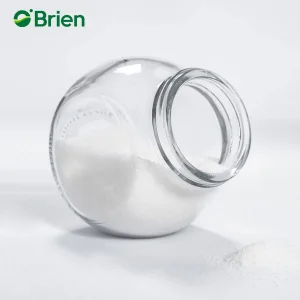
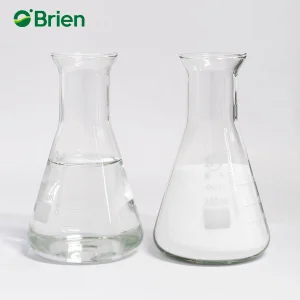
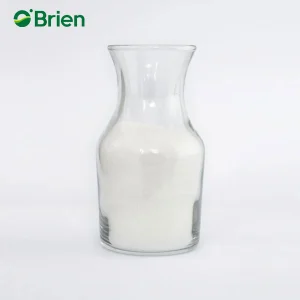
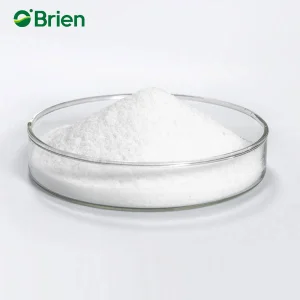
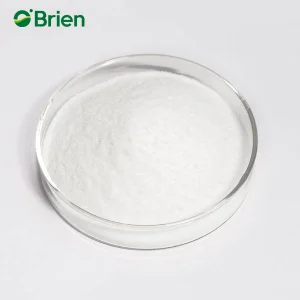
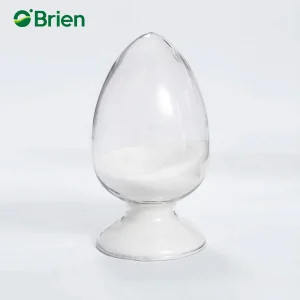
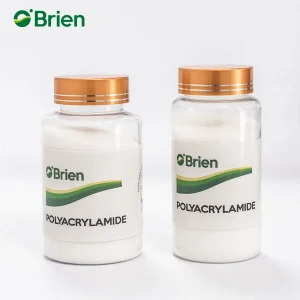
Shandong Province stands as the epicenter of China’s advanced chemical industrial cluster, commanding unparalleled advantages in upstream raw material integration, refining infrastructure, and global maritime logistics. As a premier focal point in this ecosystem, Oubo Chemical Co., Ltd. (established in 2011) operates directly out of the Free Trade Zone of Qingdao, Shandong, providing global industrial sectors with world-class polymer technologies.
Over the past decade, Oubo Chemical has achieved a consistent annual business growth rate exceeding 10%, breaking through an annual polyacrylamide (PAM) production capacity of 50,000 Metric Tons in 2018. Fully certified under the ISO9001:2008 Quality Management System, Oubo maintains a rigorous, 3-tier Quality Control (QC) matrix across all automated synthesis lines.
Our commitment extends beyond sheer output capacity. Through strategic feedstock partnerships with petrochemical giants such as SINOPEC and Eni, and continuous R&D expenditure exceeding €2 million annually, we deliver high-purity cationic, anionic, and nonionic polyacrylamide solutions that drive global operational efficiency while minimizing environmental impact.
End-to-end expertise, raw material security, and technological innovation backing your chemical supply chain.
Leading global manufacturer utilizing patented biological enzymatic methods for monomer synthesis. Investing €2M+ annually into technical accumulation and bio-polymer innovation.
Sourcing from world-class suppliers like SINOPEC and Eni on automated lines. ISO9001 certified, with each batch subjected to 3 strict quality tests by our QC team before dispatch.
8+ years of dedicated Polyacrylamide manufacturing excellence. We offer competitive pricing, high batch-to-batch repeatability, and rapid delivery directly from Qingdao port.
Our dedicated chemical engineers provide pre-sales polymer selection, lab-scale jar testing, dosage optimization, and full after-sales technical field support.
Polyacrylamide (CAS 9003-05-8) is a synthetic, water-soluble linear polymer formed through the free-radical polymerization of acrylamide ($CH_2=CH-CONH_2$) monomers. Its functional versatility stems from the high reactivity of its amide side groups, which can be chemically modified to yield varying ionic charges (Anionic, Cationic, Nonionic, and Amphoteric) and tailored molecular weights ranging from 3 Million to over 30 Million Daltons.
Mechanism: Synthesized by copolymerizing acrylamide with acrylic acid or sodium acrylate. APAM introduces negatively charged carboxylate groups ($-\text{COO}^-$) along the polymer backbone.
Primary Function: Operates primarily through bridging flocculation. The extended polymer chains adsorb onto positively charged suspension particles, linking them into large, rapidly settling flocs.
Target Applications: Mineral processing, inorganic effluent clarification, paper dry-strength enhancement, and tertiary Enhanced Oil Recovery (EOR).
Mechanism: Produced by copolymerizing acrylamide with cationic monomers such as DAC (Dimethylaminoethyl Acrylate Methyl Chloride) or ADAM.
Primary Function: Governed by charge neutralization followed by bridging. It neutralizes the negative zeta-potential on organic suspensions, collapsing electrostatic repulsion barriers.
Target Applications: Municipal sewage sludge dewatering, belt filter press/centrifuge operations, oily wastewater separation, and textile dyeing effluent treatment.
Mechanism: Homopolymerized pure acrylamide featuring neutral amide functional groups ($-\text{CONH}_2$) without ionic charge sites.
Primary Function: Relies on hydrogen bonding between the amide groups and suspended organic/inorganic substrates under acidic or high-salinity conditions.
Target Applications: Acidic industrial wastewater flocculation, mineral tailings leaching, soil conditioning, and oilfield drilling fluid viscosification.
Customized polymer formulations tailored for maximum solid-liquid separation kinetics across key industries.
As environmental regulations tighten globally, effective sludge dewatering and effluent clarification are critical. In municipal sludge handling, our high charge-density Cationic Polyacrylamide (CPAM) achieves superior cake dryness (>25% solid content) on belt presses and decanter centrifuges, while drastically lowering chemical dosage requirements.
In mature oil fields, ultra-high molecular weight APAM acts as a mobility control agent during polymer flooding, increasing sweep efficiency. In drilling operations, Oubo PAM formulations serve as shale inhibitors, viscosifiers, and fluid-loss additives capable of withstanding high shear stress and geothermal temperatures.
Oubo’s specialized PAM series acts as dry/wet strength agents, retention aids, and drainage accelerators. By neutralizing anionic trash in the wet-end process and forming ionic bonds with cellulose fibers, our polymers improve paper sheet formation while retaining fine fillers and fibers.
In hydrometallurgy and coal washing, efficient liquid-solid separation is key to water recycle circuits. Oubo’s APAM and NPAM lines accelerate tailings thickening, clarifying process water for immediate reuse and enabling fast centrifuge dewatering of gold, copper, iron, and coal slurry.
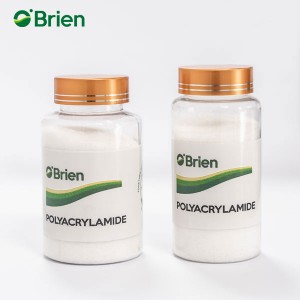
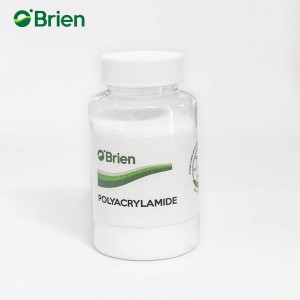
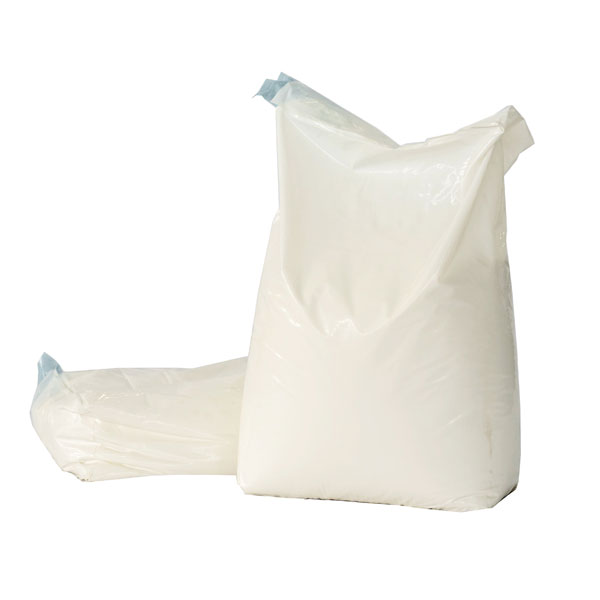
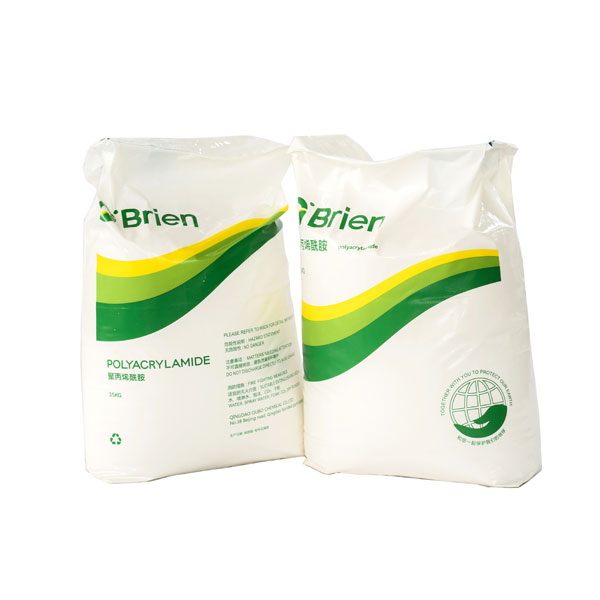
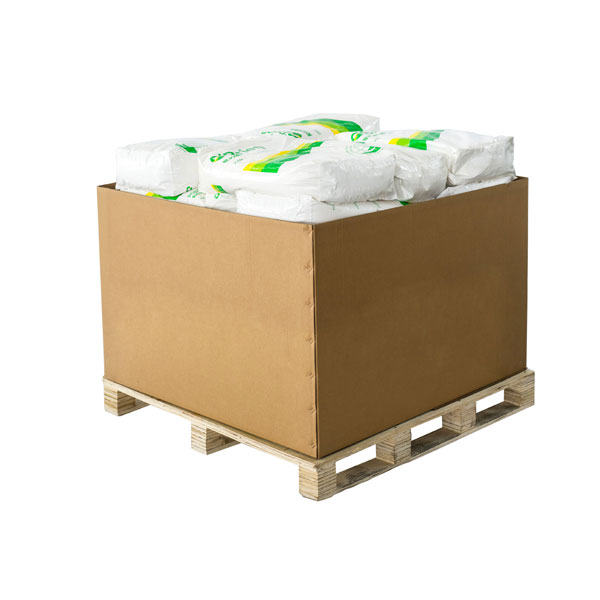
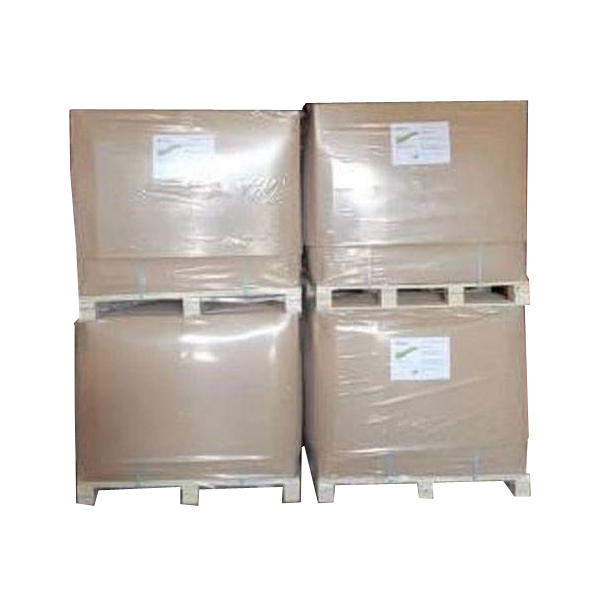
Engineered to global shipping standards with customized OEM/ODM packaging options.
Pioneering bio-catalytic synthesis pathways and micro-emulsion technologies for carbon-neutral industrial chemistry.
Replacing traditional copper-catalyzed nitrile hydration with microbiological nitrile hydratase enzymes. Yields 99.9% pure monomer with zero copper residue and 40% reduced carbon emissions.
Developing stable polyacrylamide polymers exceeding 30 Million Daltons for deep-well fracturing and ultra-low dosage mine tailings thickening.
Formulating rapid-dissolving liquid emulsions that invert within seconds upon water addition, eliminating powder dust hazard and shortening hydration aging times by 80%.
Integrating bio-based feedstocks (starch and cellulose backbones) to create fully eco-friendly flocculants designed for sensitive agricultural and potable water uses.
Supply chain reliability is paramount for continuous industrial operations. Located in the Free Trade Zone of Qingdao, Oubo Chemical leverages direct port-side advantages, drastically paring transport turnaround times and ocean freight lead times.
Our strategic alignment with premier Chinese feedstock suppliers like SINOPEC ensures an uninterrupted supply of raw Acrylamide monomers, protecting our global partners from upstream pricing volatility and raw material deficits.
Oubo Chemical manufactures products adhering strictly to international environmental and safety standards. Our QA protocols ensure compliance across multiple target markets:
Expert answers regarding Polyacrylamide selection, dissolution, dosing, and supply chain terms.
Explore specialized formulations for oilfields, textile effluents, paper mills, and mineral processing.
 Oubo Chemical