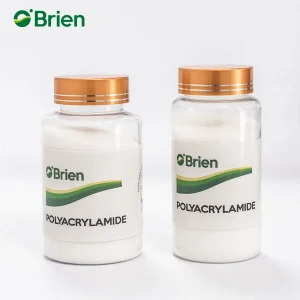
China Drying and Strengthening Agent Manufacturers & Factories

Comprehensive Whitepaper on Advanced Polyacrylamide (PAM) Chemistry, Wet & Dry Strength Agents, Industrial Flocculants, and Global Supply Chain Excellence from Qingdao Oubo Chemical Co., Ltd.

Featured Polyacrylamide & Strength Solutions

High-performance chemical agents engineered for municipal water treatment, papermaking, oil gas recovery, and industrial solid-liquid separation.
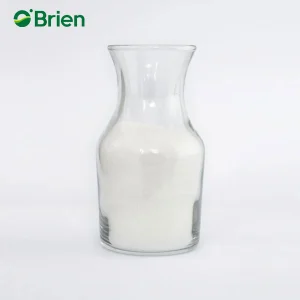
China Nonionic Polyacrylamide Manufacturers
China Nonionic Polyacrylamide Manufacturers, Supplier
View Product Details
Wholesale Anionic Polyacrylamide for Sewage Treatment
Wholesale Anionic Polyacrylamide (APAM) for Municipal Sewage Treatment & Sludge Dewatering
View Product Details
High Molecular Weight Anionic Polyacrylamide
High Molecular Weight Anionic Polyacrylamide for Petrochemical & Metallurgical Wastewater
View Product Details
Nonionic Polyacrylamide for Coal Washing
Nonionic Polyacrylamide for Coal Washing & Tailings Dewatering Manufacturers
View Product Details
Cationic Polyacrylamide Retention & Drainage Aid
China Cationic Polyacrylamide Retention & Drainage Aid for Paper Making Industry
View Product Details
China Cationic Polyacrylamide Manufacturer
China Cationic Polyacrylamide (CPAM) High Purity Grade Manufacturer & Supplier
View Product Details
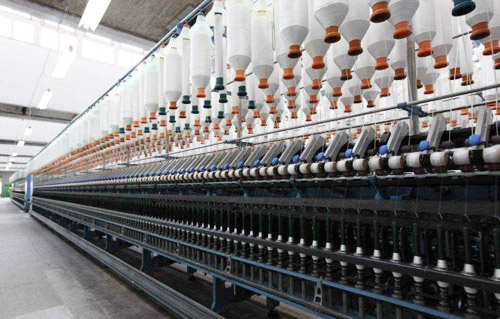
Cationic Polyacrylamide Flocculant for Textile
Cationic Polyacrylamide (CAS 9003-05-8) Flocculant for Textile & Dyeing Wastewater
View Product Details
Wholesale Anionic Polyacrylamide Manufacturers
Wholesale Anionic Polyacrylamide Industrial Grade Manufacturers & Suppliers
View Product Details
50,000+
Metric Tons Annual Capacity
€2.0M
Annual R&D Investment
10%
Consistent YoY Business Growth
ISO 9001
Certified Quality Management

Executive Summary: The Evolution of Drying & Strengthening Agents in Industrial Applications

Polyacrylamide (PAM) and its derivative functional polymers represent the core chemical backbone for modern solid-liquid separation, wet-end papermaking chemistry, enhanced oil recovery (EOR), and mineral slurry clarification. As global industrial regulatory standards tighten around water recycling efficiency, fiber conservation, and zero-liquid discharge (ZLD), selecting a qualified manufacturer for paper drying and strengthening agents—alongside tailored ionic flocculants—has become a mission-critical purchasing decision for global enterprises.

Qingdao Oubo Chemical Co., Ltd. (O'brien), established in 2011 within the Qingdao Free Trade Zone, China, stands at the technological forefront of this chemical synthesis revolution. Utilizing patented biological enzymatic polymerization methods and operating state-of-the-art automated synthesis lines, Oubo provides low-acrylamide-monomer, high-efficiency Polyacrylamide polymers tailored to exact operational specifications. This comprehensive technical whitepaper details the chemical mechanisms, processing advantages, procurement strategies, and global compliance frameworks governing China's leading dry/wet strengthening agents and polyacrylamide solutions.

Chemical Architecture & Working Mechanism of Polyacrylamide Dry & Wet Strength Agents

Polyacrylamide ($\text{-[CH}_2\text{-CH(CONH}_2\text{)]-}_n$) is a water-soluble linear synthetic polymer synthesized through the free-radical polymerization of acrylamide monomer. Its versatility stems from the high reactivity of its amide side-groups, which can be modified into Cationic, Anionic, or Nonionic forms, or functionalized into specialized dry and wet strength additives.

1. Mechanism of Dry Strength Enhancement in Paper Manufacturing

Paper strength relies predominantly on inter-fiber hydrogen bonding. When recycled fibers or high-yield mechanical pulps are utilized, the intrinsic fiber length and surface hydroxyl (-OH) availability decrease significantly. Anionic Polyacrylamide (APAM) and Amphoteric PAM act as dry strength agents through dual actions:

  • Hydrogen Bonding Amplification: The abundant amide functional groups ($\text{-CONH}_2$) form strong inter-polymer hydrogen bonds with the cellulose hydroxyl groups across fiber interfaces.
  • Ionic Linkage Formation: Cationic or amphoteric polymers adsorb directly onto negatively charged pulp fibers, creating electrostatic bridges and ionic bonds that survive wet-end shear forces.
  • Covalent Cross-Linking: Modified strength agents react during the paper machine drying section ($80^\circ\text{C}-120^\circ\text{C}$), forming irreversible covalent networks that boost burst index, tensile strength, ring crush test (RCT) values, and surface pick resistance.

2. Mechanism of Flocculation & Dewatering (APAM / CPAM / NPAM)

For wastewater and mineral tailings, PAM operates via charge neutralization and polymeric bridging:

  • Charge Neutralization: Cationic polymers (CPAM with monomer trimethylaminoethyl methacrylate chloride - METAC) neutralize negative double-layer charges surrounding organic colloids or sludge particles, allowing micro-floc aggregation.
  • Polymeric Bridging: High Molecular Weight Anionic (APAM) or Nonionic (NPAM) polymers with molecular weights ranging from 12 Million to 22 Million Daltons adsorb onto multiple solid particles simultaneously, building large, fast-settling macroscopic flocs capable of enduring mechanical shear in centrifuge decanters and belt filter presses.
PAM Ionic Category Molecular Weight (Mw) Range Charge Density / Hydrolysis Degree Primary Industrial Application
Anionic PAM (APAM) 12.0 – 22.0 Million Daltons 10% – 60% Hydrolysis Coal washing tailings, municipal sewage clarification, paper dry strength agent, mineral ore dressing.
Cationic PAM (CPAM) 6.0 – 14.0 Million Daltons 5% – 80% Ionicity Sludge dewatering, textile dyeing wastewater, paper retention & drainage aid, wet strength agent.
Nonionic PAM (NPAM) 8.0 – 16.0 Million Daltons < 5% Hydrolysis Acidic wastewater flocculation, soil stabilization, oilfield drilling fluid loss additive.
Amphoteric PAM 8.0 – 15.0 Million Daltons Balanced (+) / (-) Charge High-speed paper machine wet-end strength, complex industrial effluent clarification with variable pH.

China Supply Chain Advantages & Oubo Chemical Manufacturing Superiority

China has established itself as the global capital for Polyacrylamide production due to vertical integration across the petrochemical value chain, access to key raw materials (Acrylonitrile / Acrylamide monomer), and advanced manufacturing infrastructure. Qingdao Oubo Chemical Co., Ltd. capitalizes on these macro-structural advantages to offer unparalleled consistency and cost efficiencies to international buyers.

1. Biological Enzymatic Monomer Synthesis (Patented Process)

Unlike traditional chemical hydration methods using copper catalysts—which leave hazardous residual copper ions and trace monomer impurities—Oubo employs a patented biological enzymatic synthesis process. Nitrile hydratase enzymes convert Acrylonitrile (AN) to Acrylamide (AM) at ambient temperatures with near 100% conversion efficiency.

  • Ultra-High Purity: Free of copper contaminants, preventing side-reactions during polymerization and maximizing ultimate molecular weight achievable.
  • Low Residual Monomer: Residual free monomer concentrations remain strictly below 0.05% (500 ppm), satisfying stringent food contact (FDA) and environmental discharge rules.
  • Energy & Carbon Footprint Reduction: Bio-catalysis operates without high-pressure steam, reducing carbon emissions by up to 35% compared to legacy synthesis.

2. Qingdao Free Trade Zone Logistics & Raw Material Sourcing

Located strategically in the Free Trade Zone of Qingdao Port—one of the world's largest shipping hubs—Oubo enjoys continuous pipeline and bulk carrier raw material supply from global chemical giants including SINOPEC and Eni. Export shipments avoid internal domestic transport bottlenecks, allowing rapid container stuffing, streamlined customs clearance, and direct maritime shipping routes to North America, Europe, Southeast Asia, and the Middle East.

3. Quality Assurance & Triple-Batch QC Testing

Certified under ISO 9001:2008, Oubo operates continuous automated DCS (Distributed Control Systems) across its polymerization and drying towers. Every manufactured production lot undergoes a mandatory 3-stage QC protocol:

  1. Monomer Purity & Viscosity Pre-Screening: Real-time liquid chromatograph analysis of feed streams.
  2. Polymerization Gel Testing: Insolubles test, dissolution rate verification, and charge density titration.
  3. Pre-Shipment Performance Simulation: Standardized jar testing on simulated customer substrate samples to verify filtration and clarification speeds prior to container release.

Patented Bio-Method Producer

Qingdao Oubo Chemical invests over €2.0 Million annually in chemical research and polymer synthesis refinement. Our proprietary biological enzymatic method yields higher purity polymers with maximum molecular weight scaling.

Global Supply Chain & Logistics

Directly integrated into the Qingdao FTZ port system with automated packaging lines and robust alliances with raw material vendors like SINOPEC and Eni, guaranteeing fast lead times and competitive FOB/CIF terms.

Localized Industry Application Scenarios & Engineering Performance

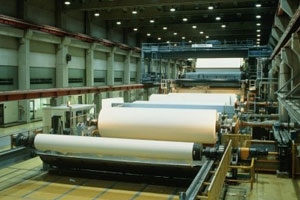
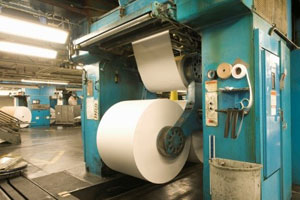
1. Paper & Pulp Manufacturing (Dry/Wet Strength, Retention & Drainage)

Modern papermaking demands maximum machine speed (>1,200 m/min) and high ash filler content (precipitated calcium carbonate, PCC) without sacrificing sheet strength.

  • Paper Strength Agents: Oubo PAM anionic dry strength agents form robust internal hydrogen bond networks, elevating Ring Crush Index (RCI) by 15-25% and burst strength by 20% in packaging linerboard and fluting paper.
  • Anionic Trash Capture Agents: High-charge Cationic Polyacrylamides react with dissolved anionic trash (pitch, stickies, lignosulfonates) in closed-loop white water systems, neutralizing interference before dry strength polymers are introduced.
  • Retention & Drainage Aids: Micro-particle dual systems (CPAM + Bentonite / Silica sol) enhance fine fiber retention to >90%, reducing white water suspended solids and lowering steam consumption in dryer sections.

2. Municipal Sewage & Industrial Wastewater Treatment

Sludge dewatering represents a major operational cost for municipal wastewater treatment plants (WWTP) and industrial manufacturing operations.

  • Municipal Sludge Dewatering: Medium-to-high charge Cationic Polyacrylamide powders produce compact, free-draining flocs when subjected to high shear forces in decanter centrifuges, high-pressure belt filter presses, and screw presses. Dry cake solids increase to 22%-28%, drastically lowering municipal disposal transport costs.
  • Industrial Effluent Clarification: In textile dyeing, tannery, pharmaceutical, and food processing effluents, customized Anionic or Nonionic PAMs promote rapid sedimentation of colloidal suspended solids, achieving clear supernatant turbidity under 10 NTU.

3. Oilfield Exploration & Enhanced Oil Recovery (EOR)

In secondary and tertiary oil recovery, high molecular weight PAM polymers act as mobility control agents and drilling fluid modifiers:

  • Polymer Flooding (EOR): Ultra-high molecular weight APAM (up to 25 Million Daltons) increases swept reservoir volume by increasing the viscosity of injected water, displacing trapped crude oil from porous rock formations.
  • Drilling Fluid Additives: Nonionic PAM stabilizes shale formations, prevents clay hydration expansion, lubricates drill bits, and controls fluid loss under high-temperature high-pressure (HTHP) subterranean conditions.

4. Mining & Metallurgical Ore Dressing

Mining operations rely on high-volume solid-liquid separation to recover valuable metals and recycle process water:
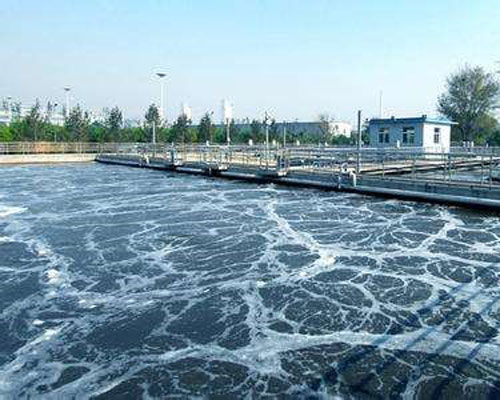
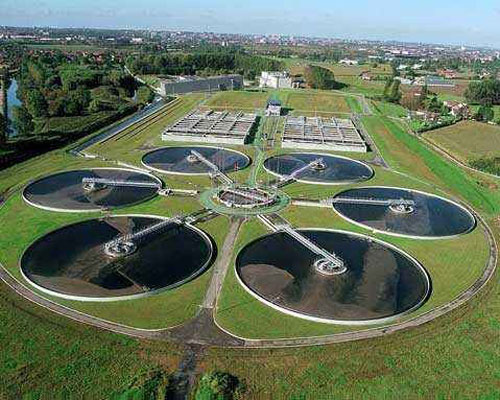
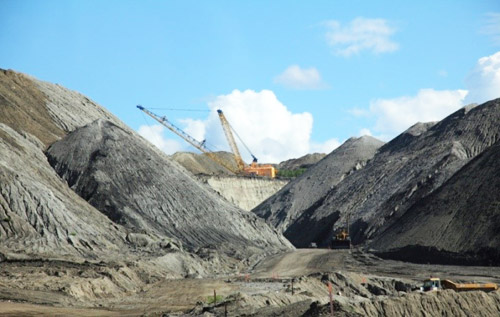
  • Coal Washing & Tailings Dewatering: Specialized APAM flocculants accelerate coal slurry clarification in thickeners, recovering clean wash water.
  • Base & Precious Metal Processing: Optimized non-ionic and anionic flocculants accelerate liquid separation in counter-current decantation (CCD) circuits for gold, silver, copper, nickel, and iron ore extraction.

Global Enterprise Sourcing, Localization Support & Regulatory Compliance

Procuring industrial chemical specialty polymers requires strict alignment with local regulatory bodies, regional logistics frameworks, and specific plant engineering setups.

1. Technical Selection & Laboratory Jar Testing Support

No two industrial wastewater streams or pulp furnish matrices are identical. Oubo Chemical supports global buyers through dedicated pre-sales laboratory trial services:

  • Substrate Analysis: Customers ship slurry, wastewater, or paper stock samples directly to our Qingdao R&D center.
  • Jar Test Protocol: Engineers determine optimal polymer charge density, molecular weight, dissolution time, and active dosage rates (ppm).
  • Customized Blending: Tailored formulations are produced to directly drop into existing automatic dosing systems without requiring equipment redesign.

2. Compliance Frameworks & Eco-Certifications

Oubo's polyacrylamide series products comply with international chemical management safety norms:

  • EU REACH Compliance: Full registration covering imported chemical tonnage into the European Union.
  • ISO 9001:2008 Quality Management: Documented batch traceability from raw monomer arrival to final container sealing.
  • FDA 21 CFR 176.170 Alignment: Select dry/wet strength agents and retention aids certified for paper and paperboard coming into contact with dry, aqueous, and fatty food products.

3. Customized Export Packaging & Private Label Solutions

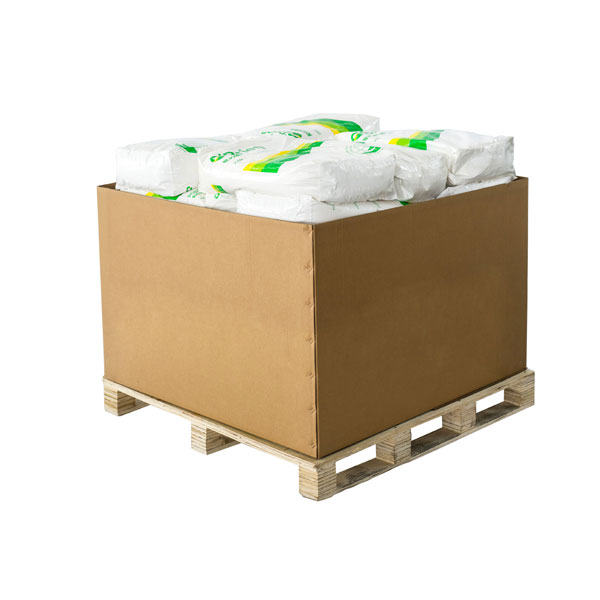
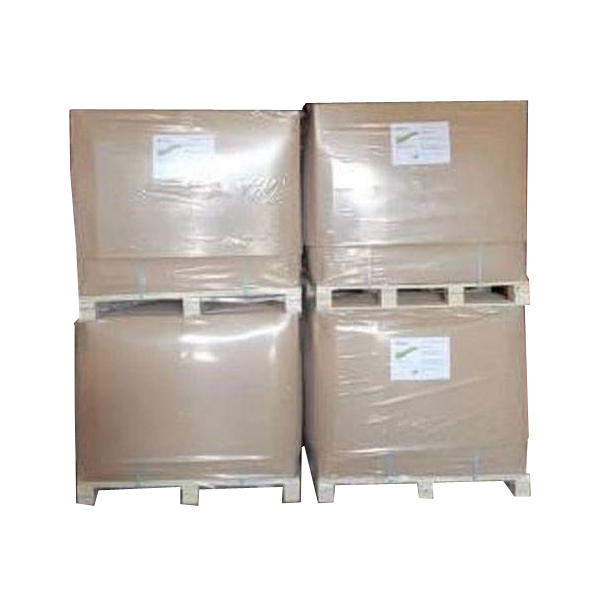
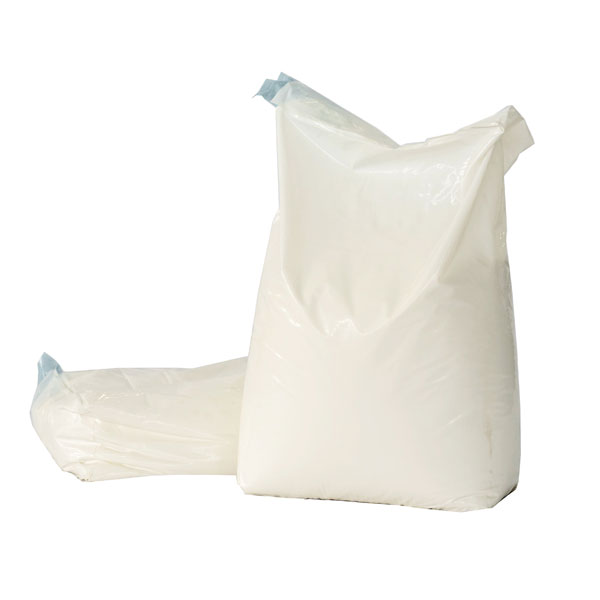
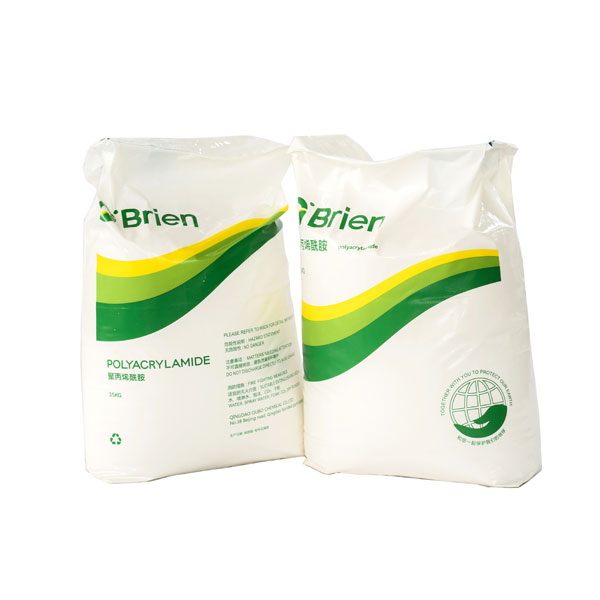
To protect product integrity during long maritime voyages, Oubo provides robust moisture-proof packaging options tailored to regional buyer storage configurations:
Future Industry Trends: Next-Generation Water-Soluble Polymers

The global polyacrylamide industry is rapidly shifting toward higher sustainability, biological compatibility, and smart automated dosing integration:

  • Bio-Based Polyacrylamide Monomers: Research into replacing petroleum-derived Acrylonitrile with plant-derived bio-based feedstocks is actively under development to lower net life-cycle carbon emissions.
  • Micro-Particle Smart Dual Systems: Combining ultra-high charge cationic PAM emulsions with nanostructured silica or organoclays to enable instant shear-reversibility in ultra-high-speed paper machines.
  • AI-Driven Dosing Optimization: Modern wastewater treatment plants are deploying real-time optical clarity sensors and AI charge titration systems that dynamically adjust PAM dosage, preventing costly over-dosing while maintaining effluent compliance.

Frequently Asked Questions (FAQ)

Expert insights addressing key procurement, application engineering, and technical handling inquiries.

What is the main difference between dry strength agents and wet strength agents in papermaking?
Dry strength agents (typically Anionic or Amphoteric Polyacrylamide) enhance fiber-to-fiber hydrogen bonding when the paper sheet is fully dry, boosting tensile strength, burst strength, and ring crush index. Wet strength agents (such as polyamide-epichlorohydrin PAE or specialized CPAM complexes) form permanent or temporary water-insoluble covalent networks that preserve at least 15-30% of the paper's dry strength when re-wetted, essential for tissue, towel, and outdoor packaging grades.
How do I select the correct ionic charge and molecular weight of Polyacrylamide for wastewater treatment?
Polyacrylamide selection depends on sludge charge characteristics and dewatering equipment type. Organic municipal sludges generally require Cationic Polyacrylamide (CPAM) with medium-to-high charge density (20%-60% ionicity). Inorganic mineral effluents and coal tailings respond best to High Molecular Weight (16-22 Million Mw) Anionic Polyacrylamide (APAM). Laboratory jar testing is strongly recommended to determine optimal polymer performance prior to commercial ordering.
Why is bio-enzymatic synthesis superior to chemical synthesis for Polyacrylamide?
Bio-enzymatic synthesis utilizes natural biocatalysts to convert acrylonitrile into acrylamide monomer without copper ions or high temperatures. This produces ultra-pure monomer solutions, eliminating heavy metal contamination, yielding higher molecular weights, reducing residual toxic monomer levels below 0.05%, and lowering manufacturing energy consumption.
What is the recommended dissolution concentration and shelf life for dry powder PAM?
Dry Polyacrylamide powder should be dissolved in clean water at concentrations between 0.1% and 0.3% (w/v) using continuous low-shear mechanical agitation for 45-60 minutes. Standard dry powder packaging has a shelf life of 24 months when stored in original, unopened moisture-proof packaging in a cool, dry place. Stock solution efficacy degrades within 24-48 hours after liquid preparation.

Explore Full Polyacrylamide Product Line

Order directly from Qingdao Oubo Chemical Co., Ltd. for factory-direct wholesale pricing, global shipping, and certified quality assurance.
Anionic Polyacrylamide Powder Flocculant
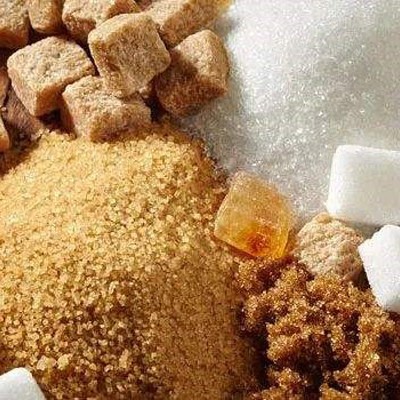
Anionic Polyacrylamide Powder Flocculant for Food Processing & Sugar Refining
View Product Details
China PAM Anionic Paper Strength Agent
China PAM Anionic Polyacrylamide Dry & Wet Strength Agent for Paper Industry
View Product Details
Wholesale PAM Anionic Polyacrylamide
Wholesale PAM Anionic Polyacrylamide Polymer Manufacturer & Suppliers
View Product Details
Nonionic Polyacrylamide for Mineral Processing
Nonionic Polyacrylamide (NPAM) for Mineral Processing & Ore Dressing
View Product Details
Cationic Polyacrylamide for Sludge Dewatering
Cationic Polyacrylamide (CPAM) for Sludge Dewatering & Industrial Flocculation
View Product Details
Nonionic Polyacrylamide Thickener for Oilfield
Nonionic Polyacrylamide (PAM) Thickener for Oilfield Drilling Fluid
View Product Details
Nonionic Polyacrylamide Acidic Wastewater
Nonionic Polyacrylamide Flocculant for Acidic Industrial Wastewater Treatment
View Product Details
Cationic Polyacrylamide Powder Wastewater
Cationic Polyacrylamide Powder for Municipal & Industrial Wastewater Treatment
View Product Details