Explore our primary chemical series engineered for industrial water clarification, latex coagulation, oilfield rheology control, and paper processing strength enhancement.
In modern chemical manufacturing, the role of Rubber Auxiliary Agents and Specialty Polyacrylamide (PAM) Formulations has transitioned from mere process additives to essential drivers of performance, sustainability, and operational profitability. As global environmental standards tighten and synthetic rubber compounding demands higher precise molecular behavior, top-tier Chinese manufacturing hubs—led by Qingdao Oubo Chemical Co., Ltd.—have pioneered advanced biological enzymatic synthesis and continuous polymerization technologies.
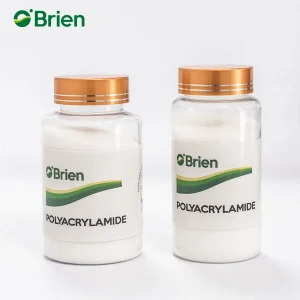
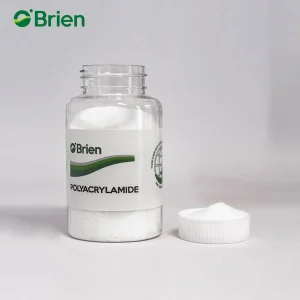
Established in 2011 inside the strategic Free Trade Zone of Qingdao, China, Oubo Chemical Co., Ltd. (brand O'brien) stands as a premier global manufacturer of Polyacrylamide and specialty chemical polymers. Operating under a rigorous, 3-tier Quality Control (QC) system, Oubo delivers unmatched consistency across Cationic (CPAM), Anionic (APAM), Nonionic (NPAM), and Mannich-modified polyacrylamide variants.
By utilizing patented biological enzymatic monomer conversion, Oubo minimizes environmental impact while maximizing chain length and molecular weight purity. Backed by strategic feedstock partnerships with international energy giants like SINOPEC and Eni, Oubo's fully automated production lines guarantee batch-to-batch reliability for rubber processing plants, municipal wastewater operations, paper mills, and mining complexes across 60+ countries.
Polyacrylamide ($\text{C}_3\text{H}_5\text{NO}$)$_n$ (CAS 9003-05-8) is a synthetic resin prepared by polymerizing acrylamide monomers. Its function in rubber compounding, emulsion stabilization, latex coagulation, and solid-liquid separation depends heavily on ionic charge density, molecular weight (MW), and polymer chain conformation.
Synthesized via copolymerization of acrylamide with cationic monomers such as DAC (Acryloyloxyethyltrimethyl ammonium chloride) or DMC. CPAM possesses positively charged functional groups that neutralize negatively charged colloidal particles found in natural and synthetic latex emulsions, organic sludge, and textile dye effluents.
Produced by copolymerizing acrylamide with acrylic acid or sodium acrylate. The resultant negatively charged carboxylate carboxyl groups stretch the polymer chain in aqueous solutions, providing ultra-high bridge-flocculation performance across suspended mineral fines and inorganic particulate systems.
Homopolymerized acrylamide with minimal ionic charge functionality. NPAM relies on hydrogen bonding through its abundant amide groups (-CONH2) to adsorb onto solid particle surfaces, performing exceptionally well in acidic conditions where charge neutralization is ineffective.
| Polymer Variant | Appearance | Solid Content (%) | Molecular Weight (Million) | Dissolution Time | Effective pH Range | Primary Industrial Role |
|---|---|---|---|---|---|---|
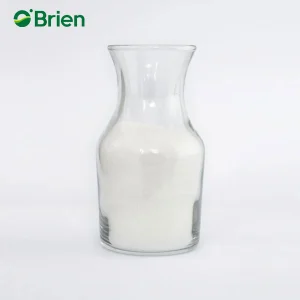
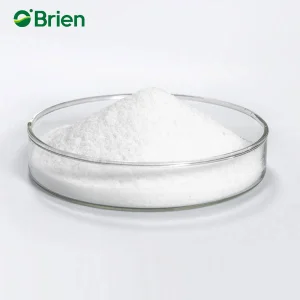
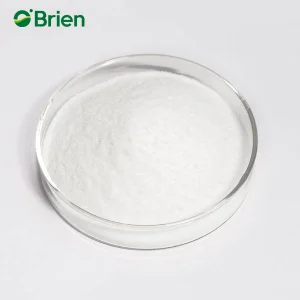
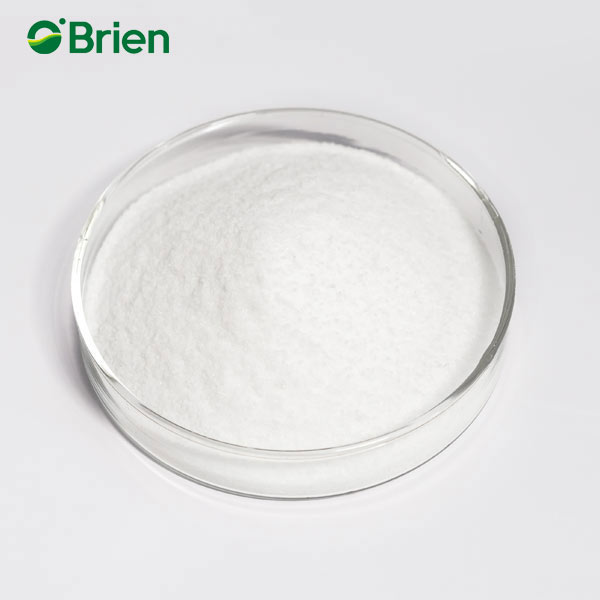
| Cationic PAM (CPAM) | White Fine Powder | ≥ 88% | 8.0 - 14.0 | ≤ 60 mins | 3.0 - 10.0 | Rubber Latex Coagulation & Sludge Dewatering |
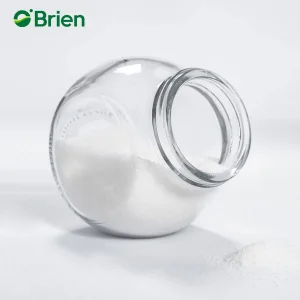
| Anionic PAM (APAM) | White Granules | ≥ 89% | 14.0 - 22.0 | ≤ 50 mins | 7.0 - 14.0 | High-Turbidity Effluents, Paper Strength, Mining |
| Nonionic PAM (NPAM) | White Powder | ≥ 88% | 8.0 - 12.0 | ≤ 90 mins | 1.0 - 8.0 | Acidic Effluents, Phosphoric Acid Clarification |
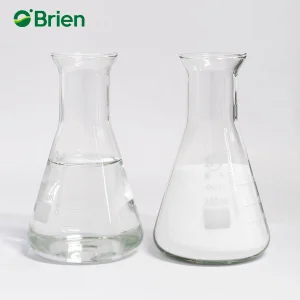
| Mannich PAM Liquid | Viscous Emulsion | 30% - 40% | 5.0 - 10.0 | Instant Dissolve | 4.0 - 9.0 | Specialty Micro-flocculation & Paper Drainage |
From specialized rubber compounding to heavy industrial effluent reclamation, Oubo's chemical solutions provide targeted flocculation, rheological control, and dry strength optimization.
In synthetic rubber manufacturing (SBR, NBR, EPDM) and natural latex compounding, precise control of particle aggregation is mandatory. Cationic Polyacrylamide (CPAM) and specialized nonionic auxiliaries serve as high-efficiency coagulants during the serum separation phase.
By neutralizing the negative electrical double-layer charge on latex droplets, Oubo's PAM polymers allow uniform rubber crumb formation, reducing coagulant consumption (such as calcium chloride or sulfuric acid) by up to 35%. Furthermore, in tire manufacturing plant wastewater treatment, high-molecular APAM flocculates fine vulcanization carbon black and zinc oxide residues, ensuring compliance with strict environmental discharge limits.
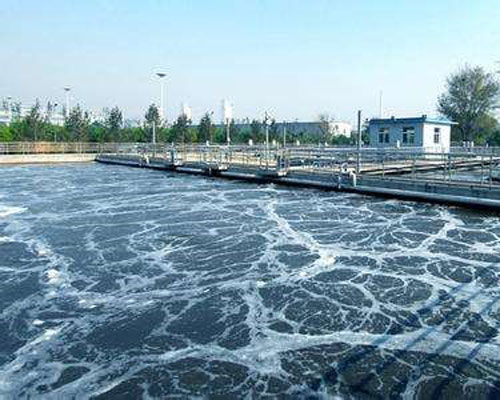
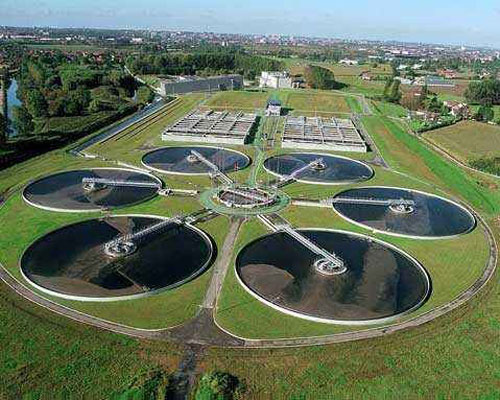
Act as primary flocculating agents in municipal and industrial solid-liquid separation. Essential for belt presses, decanter centrifuges, and screw press sludge dewatering in leather, dyeing, citric acid, and pharmaceutical industries.
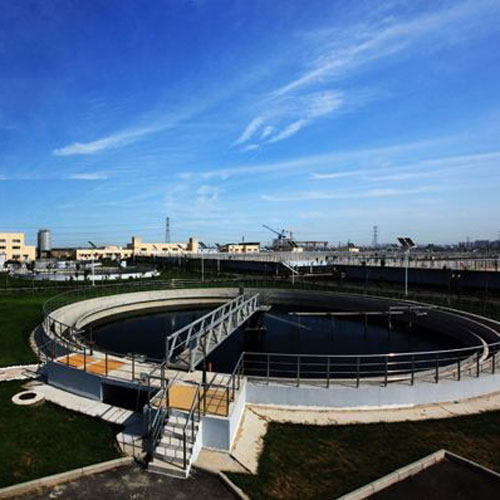
Engineered for high-salinity and complex organic oils. Oubo's anionic polymers accelerate sedimentation velocity in primary clarifiers, stripping heavy metals and suspended solids to allow zero-liquid discharge (ZLD) recycling.
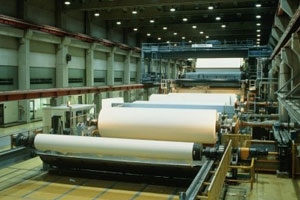
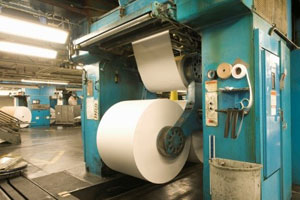
Utilized as retention agents, filter aids, anionic trash catchers, and paper strength modifiers. Improves short fiber and filler retention, enhances burst strength, and significantly clarifies white water during deinking processes.

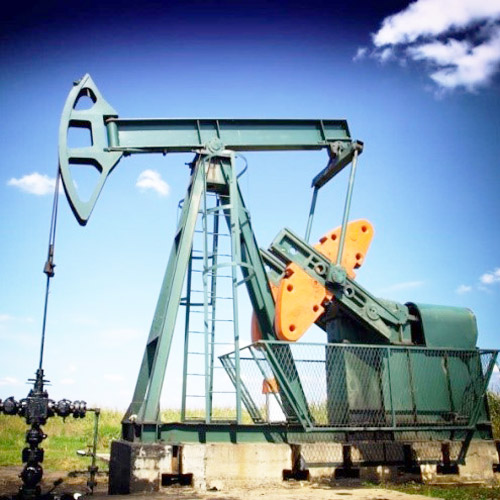
Provides profile control, plugging, fluid loss reduction, shale inhibition, drill string lubrication, and viscosity modification for Enhanced Oil Recovery (EOR) slickwater hydraulic fracturing operations.

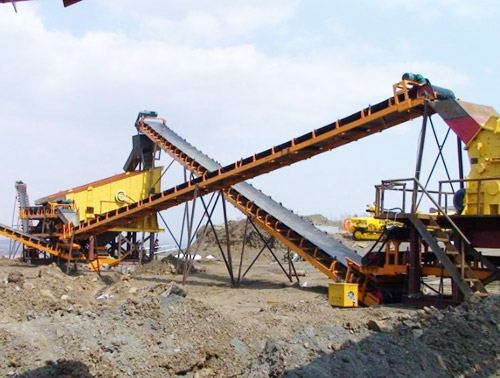
Crucial for coal washing, tailings dewatering, and filtration of gold, silver, iron, copper, and nickel slurries. Ensures rapid solid-liquid separation and clean water recovery for mining circuits.
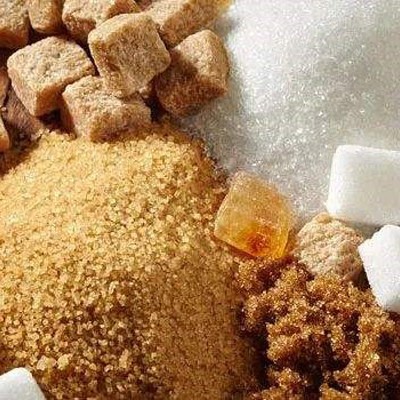
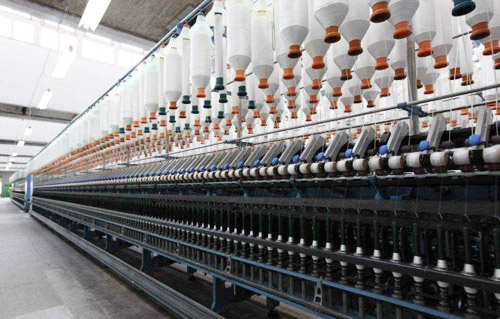
Applied in sugar juice clarification and flotation, textile warp sizing, fabric finishing, and agricultural soil stabilization for erosion control and moisture retention enhancement.
Oubo Chemical invests heavily in continuous technical innovation, dedicating substantial financial resources annually toward process optimization, eco-friendly synthesis, and smart factory integration.
Unlike traditional chemical hydration methods using copper catalysts that leave residual toxic heavy metals, Oubo utilizes microbiological enzymatic hydration to convert acrylonitrile to acrylamide monomer. This results in >99.9% monomer purity with zero trace metal contamination, critical for medical, rubber, and food contact applications.
By using low-temperature initiation technologies combined with adiabatic continuous polymerization, Oubo precise-controls the hyper-branched structure of PAM molecules. This guarantees linear high molecular weights up to 25 Million Daltons while maintaining complete solubility without insoluble gels.
All production lines in our Qingdao facility feature automated PLC control systems. Raw materials are sourced directly from tier-1 global chemical suppliers like SINOPEC and Eni. Every individual batch undergoes 3 rigorous quality tests (monomer content, viscosity, charge density) prior to dispatch.
Located inside the Free Trade Zone of Qingdao, China, Oubo Chemical leverages direct port accessibility, bonded warehousing advantages, and streamlined international customs clearing to ensure prompt worldwide shipping.
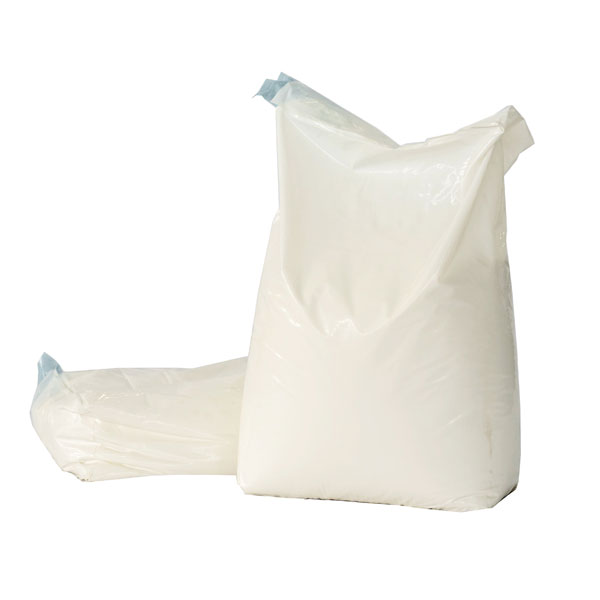
Unbranded, moisture-proof 25kg PE/PP bags designed for private label distributors and international OEM clients needing custom branding.
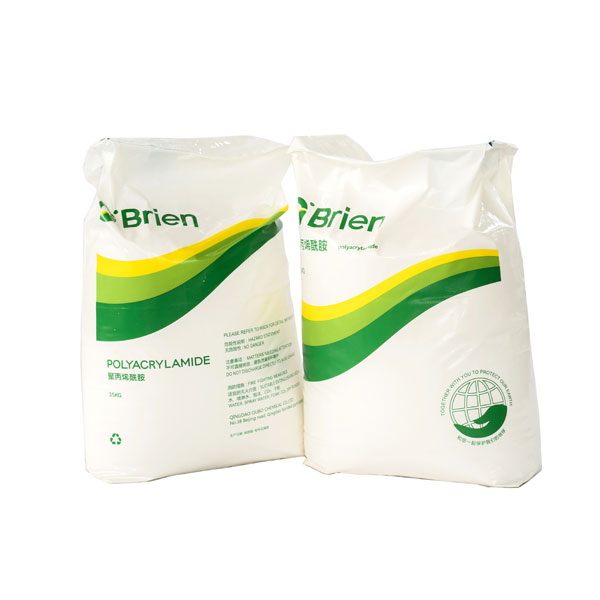
High-tensile 25kg multi-layer kraft paper bags equipped with internal PE liner to prevent moisture ingress during ocean transit.
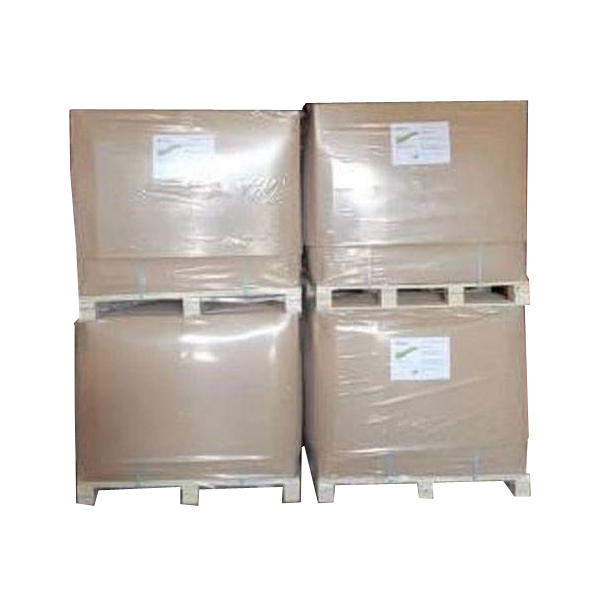
Fumigated wooden/plastic pallets wrapped in shrink film or 750kg/1000kg Jumbo ton-bags for mechanized forklift handling at ports.
Expert insights into product selection, jar testing protocols, dissolution kinetics, and rubber auxiliary compatibility.
Explore additional high-grade anionic, cationic, and paper auxiliary products manufactured by Oubo Chemical.
 Oubo Chemical