High-performance anionic, cationic, and nonionic polymers engineered for heavy industrial wastewater, municipal sludge dewatering, mining, and enhanced oil recovery.
An In-Depth Whitepaper on Strategic Supply Chain Synergies, Biological Enzymatic Synthesis, and Global Regulatory Compliance in Polymer Manufacturing.
Established in 2011 inside the prestigious Free Trade Zone (FTZ) of Qingdao, China, Oubo Chemical Co., Ltd. has scaled into one of the premier chemical manufacturing powerhouses in Asia. Qingdao serves as China's primary maritime chemical gateway, offering direct access to major ocean freight lanes, ultra-modern port infrastructure, and zero-tariff raw material processing corridors.
Over the past decade, Oubo Chemical has maintained a consistent annual business expansion rate exceeding 10%, driven by rigorous Quality Control (QC) protocols, continuous biological synthesis innovation, and unwavering commitment to environmental stewardship during polymer synthesis and application.
Unlike traditional chemical synthesis routes that leave residual monomers and toxic byproducts, Oubo utilizes proprietary microbial biological methods for acrylamide monomer synthesis. This breakthrough patented technology operates under mild reaction conditions, yielding ultra-high molecular weight polyacrylamide with minimal residual monomer content (<0.05%), superior water solubility, and enhanced thermal stability.
In 2018, our total annual polyacrylamide capacity shattered the 50,000-metric-ton milestone. Operating under ISO9001:2008 certified management systems, Oubo integrates raw materials from premier global chemical partners including SINOPEC and Eni to guarantee uncompromising purity.
Combining cutting-edge chemical engineering with end-to-end technical pre-sales and post-sales field support for industrial buyers worldwide.
Qingdao OUBO Chemical Co., Ltd. stands as a world leader in Polyacrylamide synthesis. Reinvesting over €2 million annually into R&D, our biological synthesis process holds multiple global patents, ensuring industry-leading molecular weight control and structural uniformity.
Integrated with a global raw material supply chain including SINOPEC and Eni. Our fully automated, computer-controlled production lines strictly abide by ISO9001 protocols. Every single production lot undergoes 3-stage QC testing before export approval.
With over a decade of concentrated focus on PAM production, we offer tier-1 direct factory pricing with exceptional batch-to-batch consistency. Our streamlined logistics in Qingdao FTZ guarantee fast dispatch and zero shipping friction.
Our specialized chemical engineering team participates directly in pre-sales analysis, jar testing, on-site trial optimization, and post-sales technical auditing. We assist clients in selecting the exact molecular weight and ionic charge for maximum ROI.
Understanding Polyacrylamide (CAS 9003-05-8): Ionic Classifications, Flocculation Kinetics, and Technical Specifications.
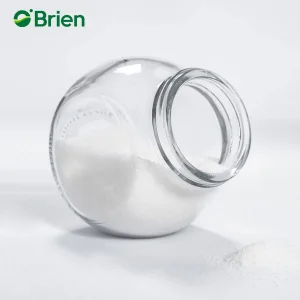
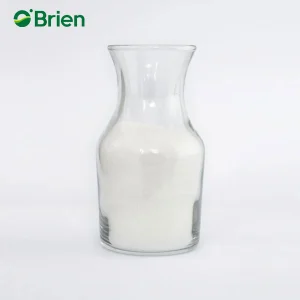
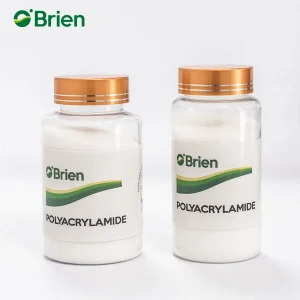
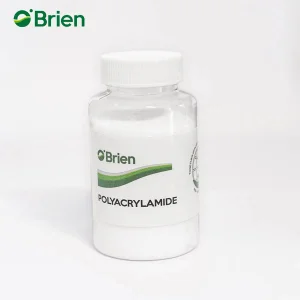
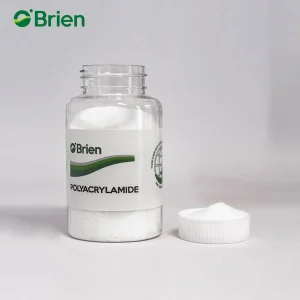
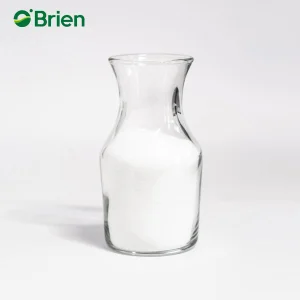
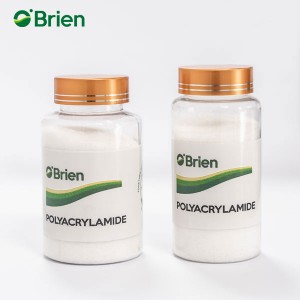
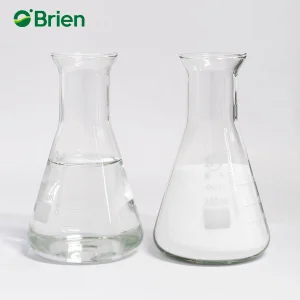
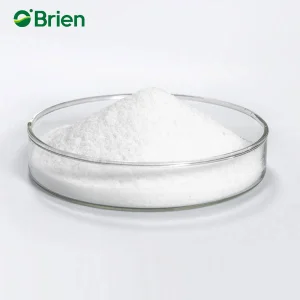
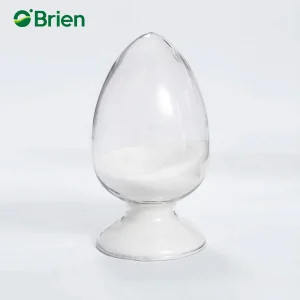
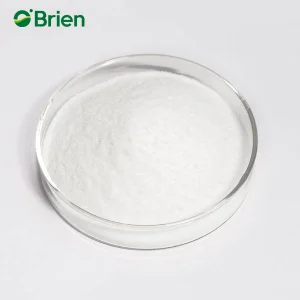
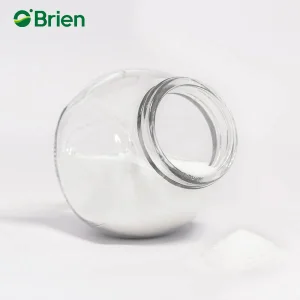
Polyacrylamide (PAM) is a water-soluble synthetic resin prepared via the polymerization of acrylamide monomers. Appearing as a white, free-flowing crystalline powder, PAM acts as a powerful flocculant, coagulant aid, friction reducer, and rheology modifier across municipal and heavy industrial processes. Its operational efficacy is dictated by its physical form, molecular weight (ranging from 3 Million to 30 Million Daltons), and ionic charge density (Anionic, Cationic, and Nonionic).
| Polymer Class | Ionicity Range (%) | Molecular Weight (Million Daltons) | Solid Content (%) | Dissolution Time | Primary Technical Function |
|---|---|---|---|---|---|
| Anionic PAM (APAM) | 10% - 60% (Hydrolysis) | 8.0 - 28.0 | ≥ 88% | ≤ 60 Mins | Flocculation of negatively charged inorganic suspensions, sediment clarification, EOR. |
| Cationic PAM (CPAM) | 5% - 80% (Charge) | 6.0 - 15.0 | ≥ 88% | ≤ 45 Mins | Sludge dewatering, organic wastewater treatment, retention aid in papermaking. |
| Nonionic PAM (NPAM) | 0% - 5% | 3.0 - 15.0 | ≥ 88% | ≤ 90 Mins | Acidic wastewater clarification, mineral leaching, soil conservation, textile sizing. |
Optimized for organic-rich sludge centrifugation, belt press filter, and textile effluent.
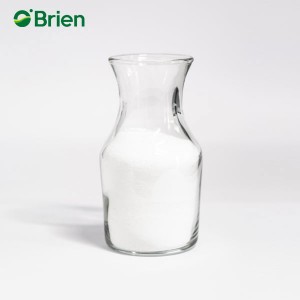
Superior bridging performance in mineral tailings, sand washing, and red mud settling.
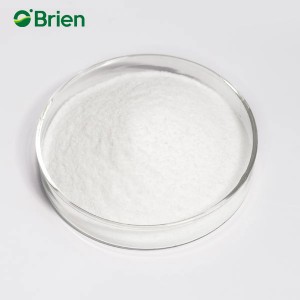
Highly resilient under high-salinity and low-pH (acidic) aqueous environments.
Tailored chemical dosing strategies designed to optimize solid-liquid separation, reduce operational expense, and strictly comply with environmental regulations.
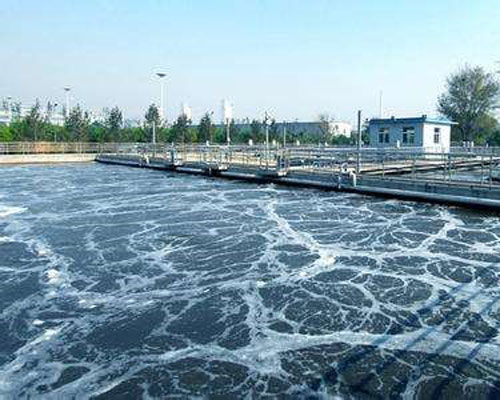
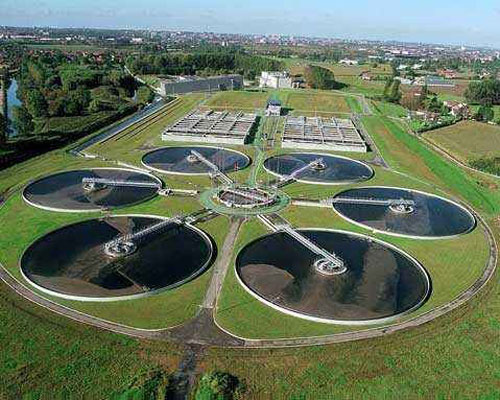
Used extensively as a primary flocculant in industrial solid-liquid separation including sedimentation, clarification, and mechanical sludge dewatering (belt presses, decanter centrifuges, screw presses). As global discharge standards tighten, Oubo PAM enables rapid flocs formation with tight cake dryness.
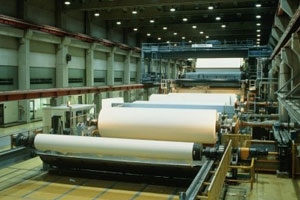
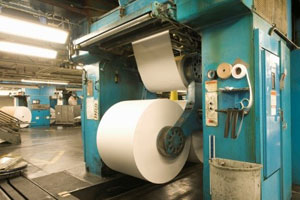
Oubo wet-end chemical additives drastically improve paper quality, sheet formation, and machine runnability while capturing fine fibers and fillers in white water recovery circuits.
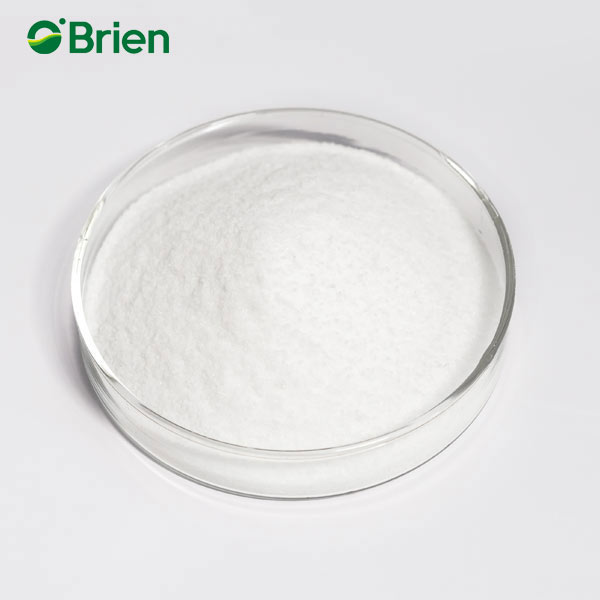

Polyacrylamide serves as a vital mobility control agent in EOR polymer flooding, shale inhibition, well profile modification, and drilling fluid rheology control.

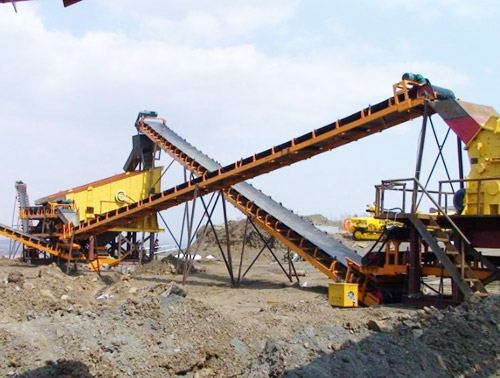
In mineral extraction, solid-liquid separation efficiency determines throughput. Oubo specialized polymers enable fast slurry settling, thickener underflow clarification, and tailings filtration.
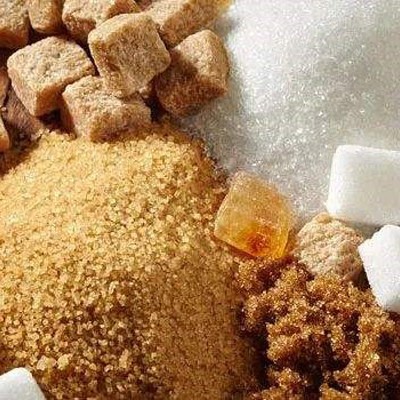
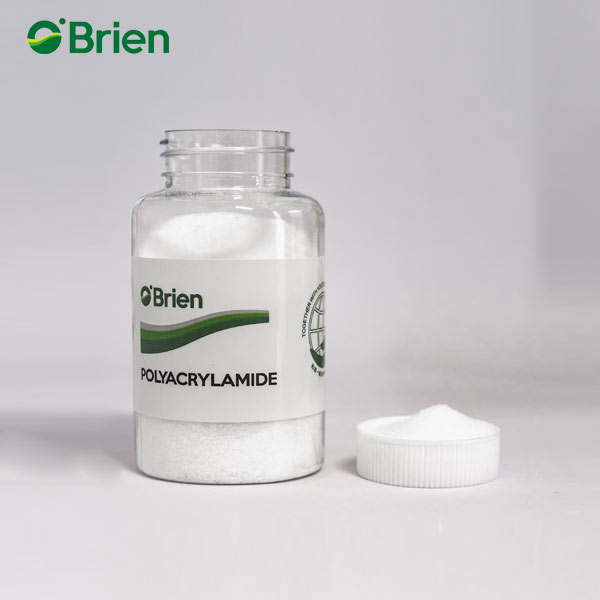
Specially synthesized food-grade anionic polyacrylamide polymers are used in sugar juice clarification and syrup flotation. They bind organic suspended solids and mud particles for rapid settling, improving juice clarity and crystallization yields in cane and beet sugar mills.
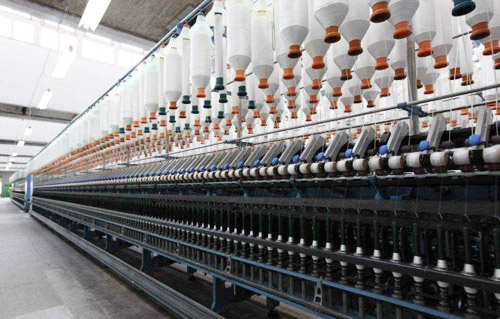
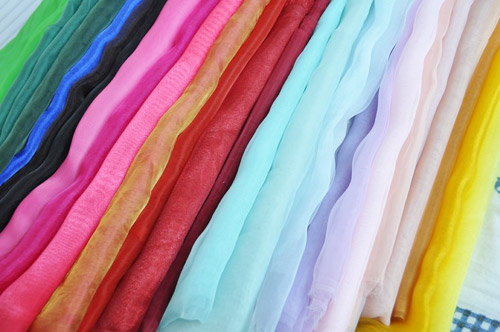
Functions as a sizing agent, fabric finishing thickener, and anti-static protective agent. Furthermore, cationic PAM formulations remove color COD and suspended solids from difficult dye-house wastewater streams with maximum efficiency.
Moisture-Proof Packaging Options Engineered for Long-Distance Ocean Freight and Extended Warehouse Shelf Storage.
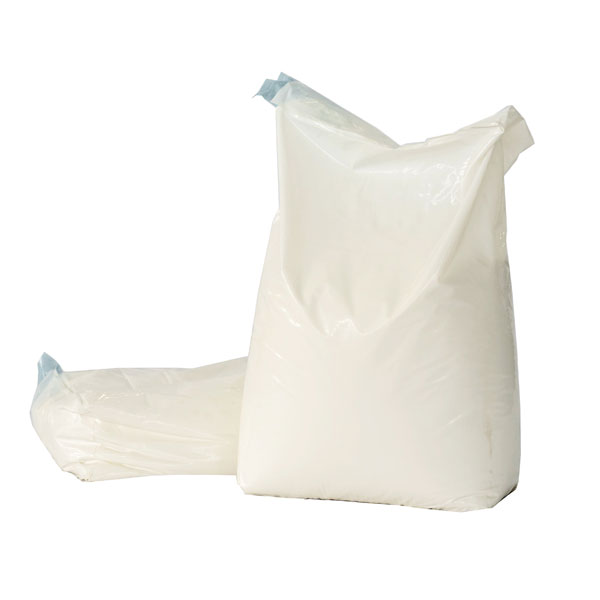
25kg multi-wall paper-plastic composite bag with inner PE liner. Ideal for private-label distributors.
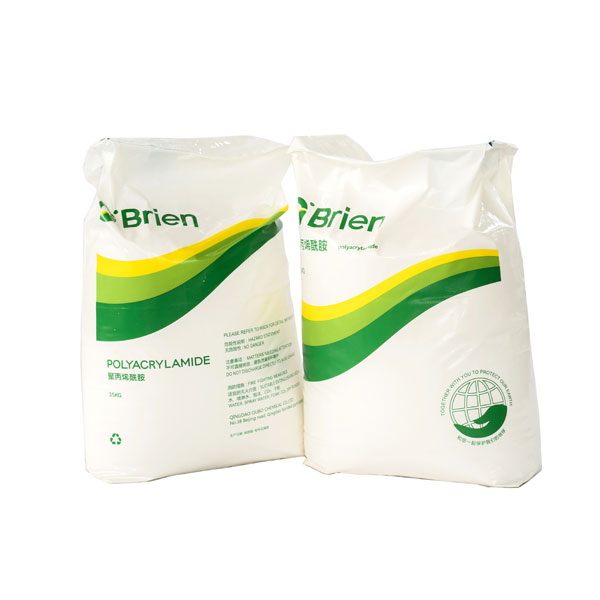
Standard enterprise printed 25kg moisture-proof bag complete with batch numbering and COA specifications.
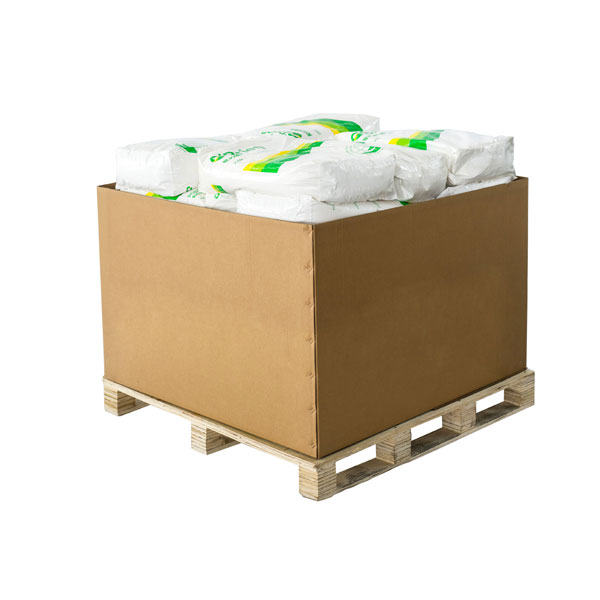
750kg - 1000kg heavy-duty super sacks with top discharge spout for high-volume automated plant dosing.
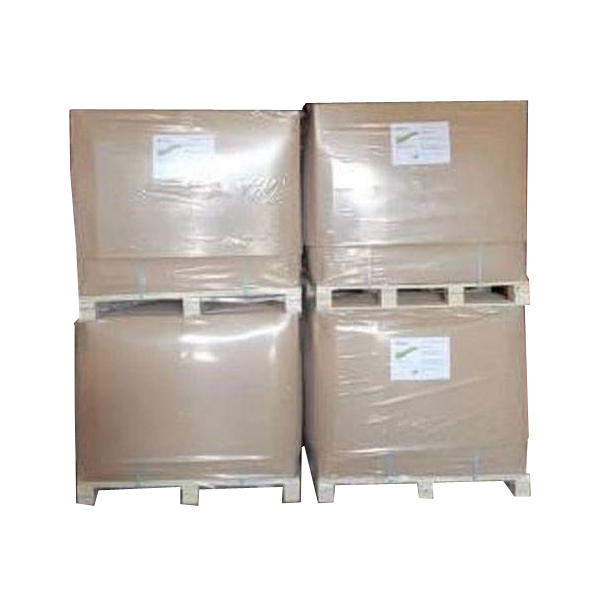
Fumigated wooden or plastic pallets, shrink-wrapped with edge protectors for zero transit damage.
Navigating Global ESG Mandates, EU REACH Standards, and Next-Generation Green Water Chemistry.
Governments across Europe, North America, and Asia are enforcing stringent Zero Liquid Discharge (ZLD) mandates. Industrial plants are forced to recycle over 95% of process water. High-molecular weight polyacrylamides act as key drivers to clarify hypersaline recycle streams rapidly.
Traditional chemical catalysts generate toxic copper trace impurities in monomer synthesis. Oubo's patented bio-catalytic enzymatic process operates at ambient temperatures, eliminating heavy metals and lowering global carbon footprint (Scope 1 & 2 emissions).
Oubo Polyacrylamide products comply fully with EU REACH regulations, ISO9001:2008 quality systems, and global municipal potable water standard limits (residual acrylamide monomer strictly capped below 0.05% or 500ppm).
Answers to common chemical procurement, product selection, dissolution protocols, and export logistics queries.
Selection depends primarily on the electrical charge of the suspended solids in your wastewater. As a general industry standard: Anionic Polyacrylamide (APAM) works best on inorganic, positively charged mineral suspensions (such as sand washing, coal tailings, iron ore, and heavy metal precipitation). Cationic Polyacrylamide (CPAM) is required for negatively charged organic solids, biological sludge, and municipal wastewater. Nonionic Polyacrylamide (NPAM) is ideal for acidic media, complex multi-mineral tailings, or high-salinity process water where ionic charges are screened. We strongly recommend sending a water sample to Oubo's lab for jar testing optimization.
Dry polymer powder should be dissolved to a stock solution concentration of 0.1% to 0.3% (w/v) using clean water (pH 6-8, temperature below 40°C). Powder must be added slowly through a dry powder disperser into the vortex of a well-agitated tank to prevent the formation of undissolved "fish eyes." Minimum aging (mixing) time is 45–60 minutes for Cationic and Anionic PAM, and up to 90 minutes for Nonionic PAM to ensure full molecular chain extension.
When stored in original unopened moisture-proof packaging in a cool, dry, ventilated warehouse away from direct sunlight and moisture, dry PAM powder has a shelf life of 24 months (2 years). Once dissolved into aqueous solution, stock solutions should be consumed within 24 to 48 hours to prevent enzymatic degradation and shear chain scission.
Located in the Qingdao Free Trade Zone, Oubo Chemical benefits from streamlined customs processing, duty-free raw material importation, and direct proximity to Qingdao Port—one of the top 5 largest chemical sea hubs globally. This results in 10-15% lower freight costs, faster container booking turnaround, flexible OEM bag branding, and lower direct factory pricing without intermediary trading markup.
Yes. Oubo's R&D team can custom-tailor Polyacrylamide molecular weight (from 3 Million up to 30 Million Daltons) and charge density (from 5% to 80% cationicity or anionicity) to match the exact shear stress, filter press pressure, or chemical salinity requirements of your industrial plant. Free lab sample kits (500g - 1kg) are available upon request.
Explore our full spectrum of specialized flocculant powders, paper retention aids, and oilfield thickeners direct from our Qingdao manufacturing base.
 Oubo Chemical