Oubo Chemical • Whitepaper & Technical Guide

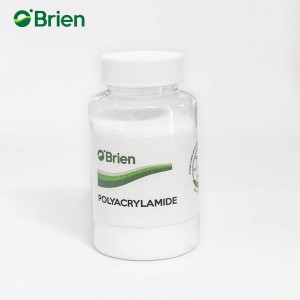
China Pure Polyacrylamide For Thickener & Stabilizer Manufacturer & Factories

Next-Generation Bio-Catalytic Synthesis • High Molecular Weight Rheology Modifiers • Custom Ionic Charge Optimization

Featured Polyacrylamide Solutions (Top Portfolio)

Industrial grade Nonionic, Anionic, and Cationic PAM engineered for high-performance thickening, stabilization, and flocculation.
China Nonionic Polyacrylamide Manufacturers, Supplier
View Product Details
Wholesale Anionic Polyacrylamide Powder Flocculant
Wholesale Anionic Polyacrylamide Powder Flocculant for Food Processing & Sugar Refining Wastewater Manufacturer, Factories
View Product Details
China Nonionic Polyacrylamide Thickener
China Nonionic Polyacrylamide (PAM) Thickener for Oilfield Drilling Fluid Manufacturers, Suppliers
View Product Details
Nonionic Polyacrylamide for Mineral Processing
Wholesale Nonionic Polyacrylamide (NPAM) for Mineral Processing & Metallurgical Ore Dressing Suppliers, Factories
View Product Details
Wholesale PAM Anionic Polyacrylamide
Wholesale PAM Anionic Polyacrylamide Manufacturer, Suppliers
View Product Details
Anionic Polyacrylamide APAM for Municipal Sewage
Wholesale Anionic Polyacrylamide (APAM) for Municipal Sewage Treatment & Sludge Dewatering Manufacturers, Suppliers
View Product Details
China Cationic polyacrylamide Manufacturer
China Cationic polyacrylamide Manufacturer, Supplier
View Product Details
High Molecular Weight Anionic Polyacrylamide
Wholesale High Molecular Weight Anionic Polyacrylamide for Petrochemical & Metallurgical Wastewater Suppliers, Factories
View Product Details

Technical Whitepaper: Pure Polyacrylamide Rheology & Stabilization Mechanics

An in-depth chemical and industrial synthesis perspective on high-purity water-soluble polymers.

Polyacrylamide (PAM) is a linear synthetic macromolecule polymer synthesized through the free-radical polymerization of acrylamide monomers ($CH_2=CH-CONH_2$). In modern industrial chemistry, pure polyacrylamide functions as a premier thickener, rheology modifier, suspension stabilizer, and flocculant. Operating across diverse liquid systems, its high molecular weight chain structure (ranging from 3 Million to over 30 Million Daltons) grants exceptional viscosity-building capabilities and particle-bridging dynamics.

Core Rheological Mechanism: When dissolved in water, pure polyacrylamide's long polymer chains stretch out due to molecular solvation. The amide groups ($-CONH_2$) interact with solvent molecules via hydrogen bonding, restricting fluid movement and generating extreme pseudo-plastic shear-thinning viscosity. In suspension systems, PAM chains adsorb onto multiple suspended particles simultaneously, forming dense aggregates (flocs) while stabilizing the aqueous continuous phase.

The industrial versatility of Polyacrylamide is determined by its ionic charge modification, molecular weight density, and hydrolysis degree. As leading China Polyacrylamide Manufacturers & Factories, chemical synthesis processes have evolved from traditional thermal initiation to advanced biological enzymatic catalysis, yielding polymers with ultra-low residual monomers (< 0.05%) and highly controlled molecular weight distribution curves.

50,000+
Annual Capacity (Tons)
€2.0M+
Annual R&D Investment
10+ Yrs
Global Export Track Record
ISO9001
Certified Quality System

Why Source Pure PAM from China & Oubo Chemical Co., Ltd.

Unmatched supply chain resilience, advanced bio-catalytic technology, and world-class quality assurance.

Patented Biological Production

Oubo utilizes patented biological enzymatic methods for monomer synthesis. This eco-friendly process prevents side-reaction impurities, ensures superior chain linearity, and achieves high purity ideal for sensitive thickener applications.

Triple-Stage QC & Transparency

Operating under ISO9001:2008 certifications, all raw materials are directly procured from global petrochemical leaders like SINOPEC and Eni. Every batch undergoes 3 rigorous quality control tests prior to shipment.

Strategic Port Logistics

Located in the Free Trade Zone of Qingdao, China, Oubo leverages direct maritime transport routes, ensuring optimized shipping lead times, customized container loading, and seamless international trade logistics.

Custom Polymer Tailoring

From charge density (cationic degree 5%-80%, anionic degree 5%-60%) to target molecular weight selection (3M to 26M), our chemical engineers customize PAM solutions for precise customer viscosity targets.

About Oubo Chemical Co., Ltd: Established in 2011 inside the Qingdao Free Trade Zone, Oubo Chemical (O'brien) has achieved a steady annual growth rate of over 10%. With annual polyacrylamide output exceeding 50,000 metric tons in 2018, Oubo stands as one of China's most trusted manufacturers. Our technical team works alongside global industrial buyers from pre-sales technical selection and lab jar testing to post-sales field dosing optimization, driving environmental sustainability across global industries.

Polyacrylamide Ionic Classification Matrix

Understanding ionic types to optimize thickening, stabilizing, and solids-liquid separation efficiency.

Nonionic Polyacrylamide (NPAM)

Formulated without ionic functional groups on the polymer backbone. Highly effective as a rheology modifier and neutral thickener in acidic liquid environments, mineral leaching processes, and oilfield drilling muds.

Anionic Polyacrylamide (APAM)

Copolymerized with acrylamide and acrylate monomers carrying negative carboxylate charges ($-COO^-$). Delivers extremely high viscosity, rapid water solubility, and superior flocculation for inorganic suspensions, mineral tailings, and paper dry strength.

Cationic Polyacrylamide (CPAM)

Copolymerized with cationic monomers (DAC/ADAME/METAC) containing positive quaternary ammonium groups. Crucial for organic sludge dewatering, municipal sewage treatment, and wet-end retention in paper manufacturing.
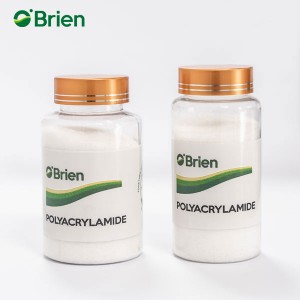
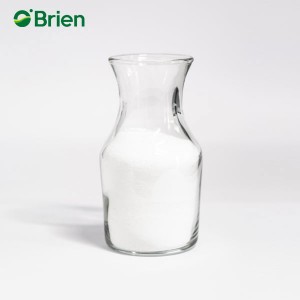
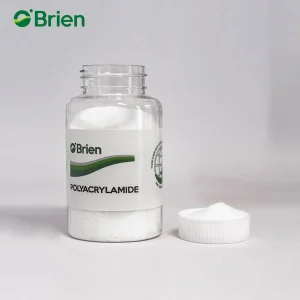
Polymer Product Gallery

Cationic polyacrylamide

Cationic polyacrylamide

Anionic Polyacrylamide

Anionic Polyacrylamide

Nonionic Polyacrylamide

Nonionic Polyacrylamide

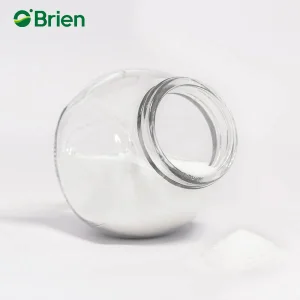
Cationic polyacrylamide Granules

Cationic polyacrylamide

Anionic Polyacrylamide Powder

Anionic Polyacrylamide

Nonionic Polyacrylamide Fine Powder

Nonionic Polyacrylamide

Macro Industry Solutions & Application Scenarios

Pure Polyacrylamide serves as a vital functional chemical across global heavy industries and environmental projects.
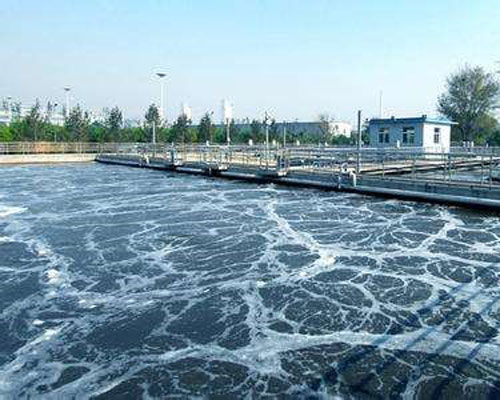
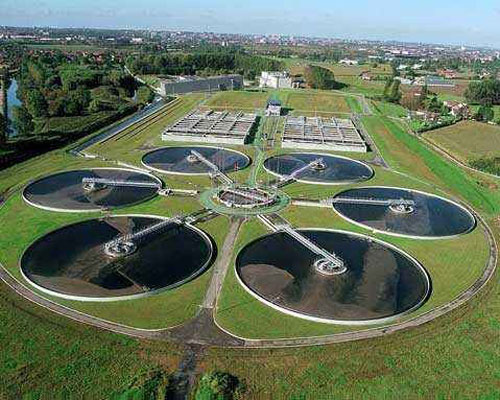
Water Treatment 1 Water Treatment 2 Water Treatment 3 Water Treatment 4

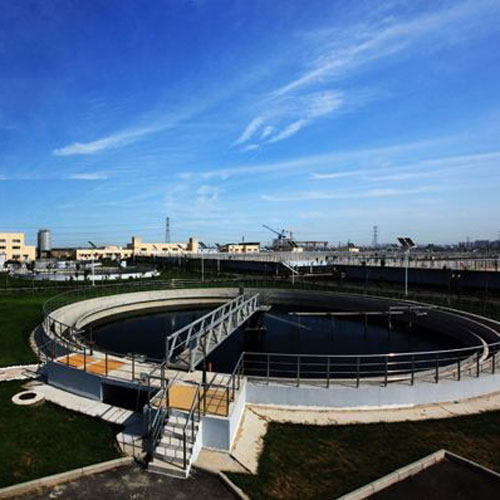
Municipal Sewage & Industrial Water Treatment

Polyacrylamide acts as an indispensable primary coagulant aid and sludge dewatering polymer. It accelerates solid-liquid clarification in settlement tanks, centrifugation, and belt filter presses. Widely specified for wastewater treatment in municipal plants, leather tanneries, paper mills, food processing, citric acid extraction, vegetable protein recovery, dyeing, and pharmaceutical plants.
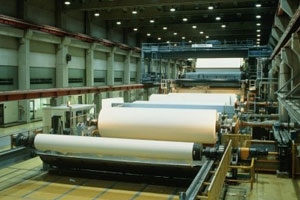
Paper Industry 1 Paper Industry 2 Paper Industry 3

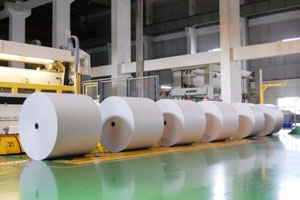
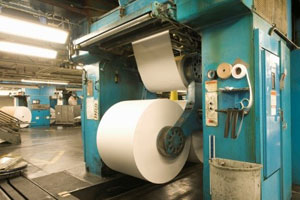
Pulp & Paper Manufacturing

Functions across wet-end paper engineering as retention agents, drainage aids, and paper strength modifiers:

  • Paper Retention Agent: Improves fine fiber and mineral filler retention, reducing pulp loss and raw material costs.
  • Anionic Trash Catcher: Neutralizes charge interferences in recirculated white water systems.
  • Dry/Wet Strength Agent: Forms hydrogen and covalent bonds across cellulose fibers to elevate tensile and burst resistance.
  • Dispersant: Ensures uniform fiber distribution for smooth sheet formation.
Oilfield 1 Oilfield 2 Oilfield 3

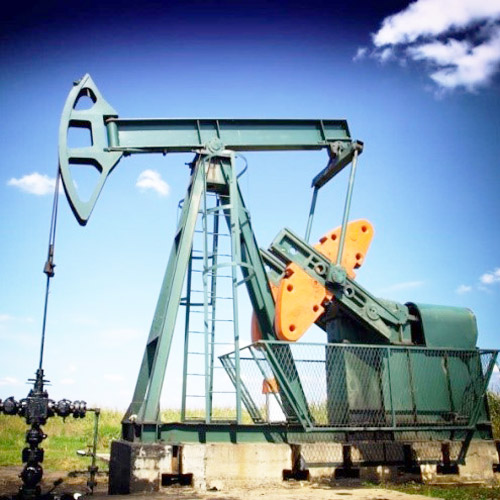
Oil & Gas Extraction (EOR & Drilling Fluids)

In tertiary oil recovery (Enhanced Oil Recovery - EOR), pure PAM increases water drive viscosity to improve sweep efficiency in subterranean reservoirs. In drilling operations, it functions as a primary drilling fluid thickener, shale inhibitor, fluid loss control agent, and drill bit lubricant under extreme temperature and shear conditions.

Mining 1 Mining 2 Mining 3

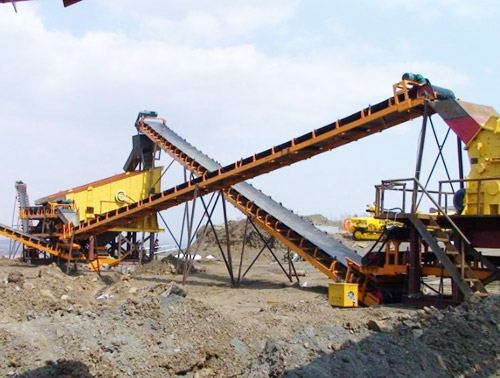
Mining & Mineral Processing

Essential for coal washing, tailings thickeners, and metal extraction centrifuges. Accelerates solid-liquid separation in mineral leaching circuits for Gold, Silver, Iron, Copper, Nickel, and Aluminum ores, promoting clean water recycle streams and tight tailings pond management.
Sugar Processing 1 Sugar Processing 2

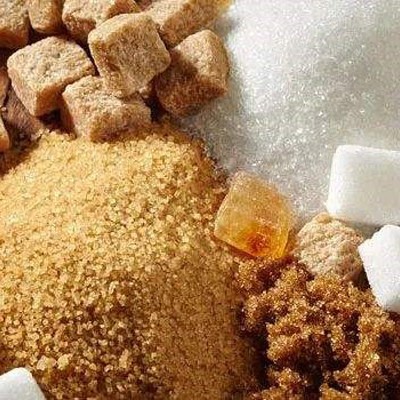
Sugar & Food Refining

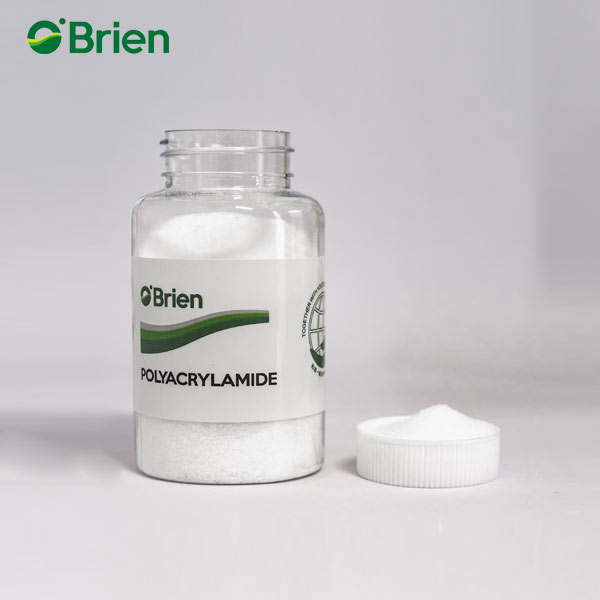
Utilized during sugarcane and sugar beet juice clarification and syrup flotation processes. Pure, food-grade compliant PAM flocculates plant impurities quickly without leaving toxic residues, improving sucrose purity and crystallization yield.
Textile 1 Textile 2 Textile 3

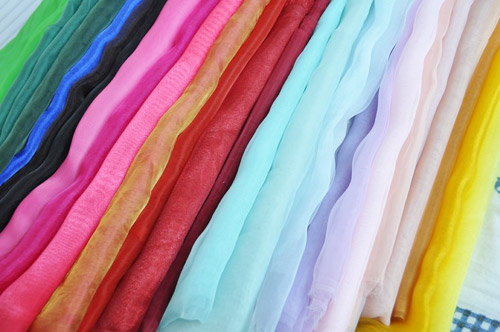
Textile Sizing & Dyeing Wastewater

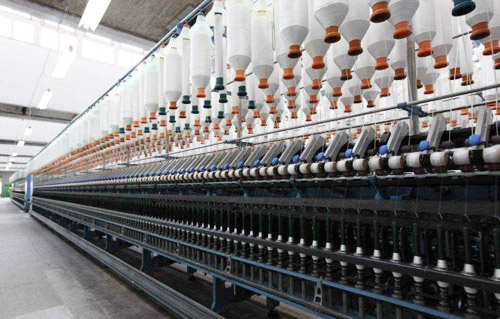
Functions as a reliable textile sizing agent, fabric finishing thickener, and anti-static processing chemical. In wastewater treatment, CPAM and APAM treat complex dye effluent, removing color, chemical oxygen demand (COD), and suspended solids.

Packaging Options & Export Standardization

Moisture-proof, robust packaging designed for overseas maritime shipping and long-term storage safety.
Blank Bag Packaging

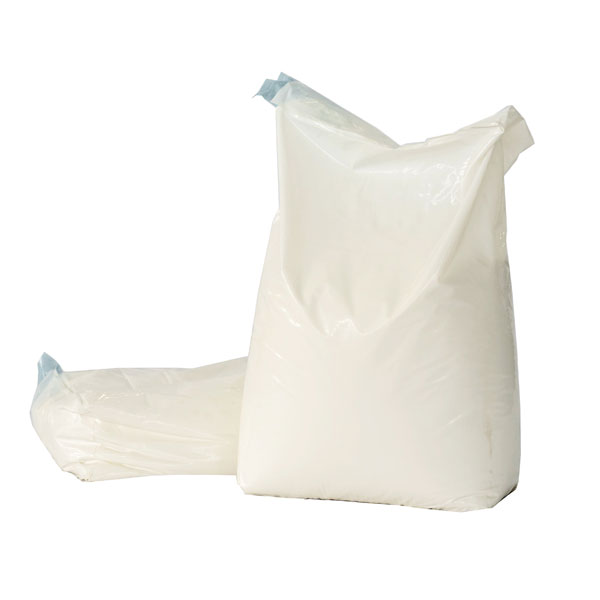
Blank Bag (Neutral)

25kg Kraft / PE woven bag with inner plastic liner for white-label distribution.
Normal Printed Bag

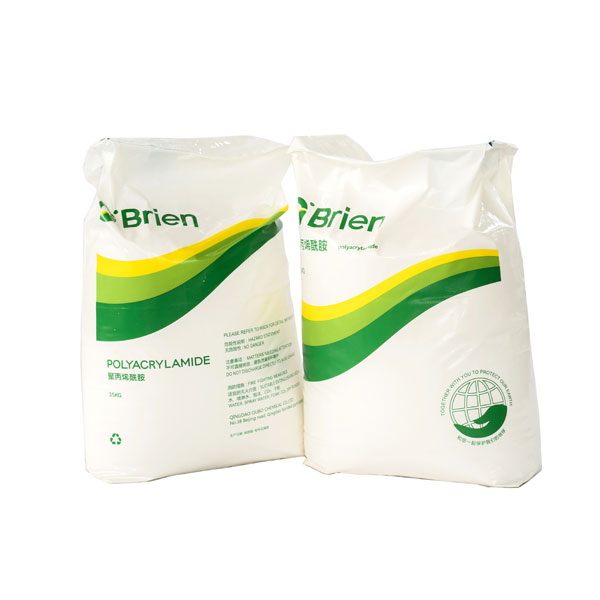
Normal Printed Bag

Standard Oubo brand printed bags with multi-lingual safety and technical specs.
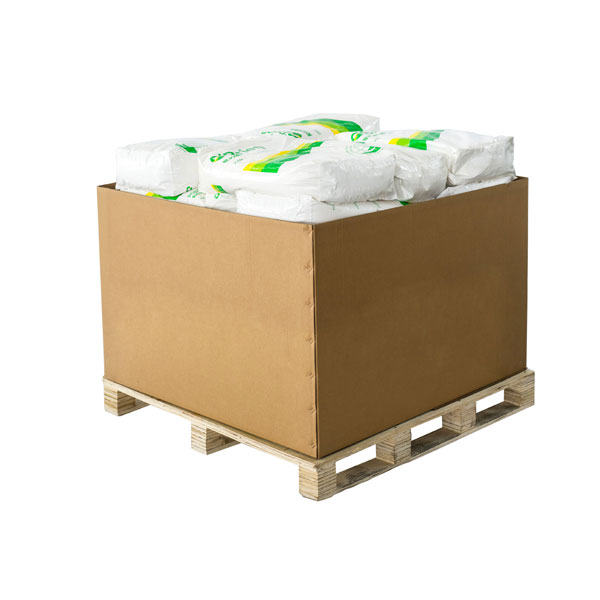
Custom Bulk Package

Jumbo Package (Ton Bag)

750kg - 1000kg FIBC jumbo bags optimized for heavy industrial automation systems.
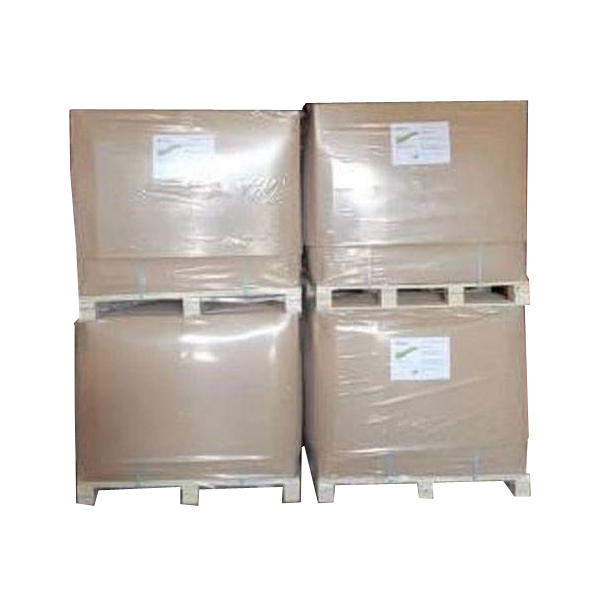
Palletized Cargo

Export Pallet Cargo

ISPM 15 heat-treated fumigation-free wooden or plastic pallets wrapped tightly in stretch film.

Global Procurement Metrics & Industry Trends

Key quality parameters, lab evaluations, and future development directions for industrial polymers.

Critical Lab Quality Metrics

  • Active Solid Content: ≥ 88% - 90% dry powder concentration.
  • Dissolution Time: ≤ 40–60 minutes in ambient deionized water.
  • Insoluble Residue: ≤ 0.2% ensuring clear solution preparation.
  • Monomeric Acrylamide (AM): ≤ 0.05% (500 ppm max) for strict regulatory compliance.

2025–2030 Polyacrylamide Industry Trends

Driven by global Zero Liquid Discharge (ZLD) regulations and stringent ESG compliance, polyacrylamide manufacturing is undergoing a green transition:

  • Ultra-High Molecular Weight (UHMW): Synthesizing polymers > 25M Daltons for extreme EOR viscosity targets.
  • Enzymatic Low-Carbon Production: Reducing thermal energy consumption by 40% using biological biocatalysts.
  • Salt-Resistant Rheology Modifiers: Tailored monomers capable of maintaining thickener stability under high-salinity brine conditions.

Frequently Asked Questions (Technical FAQ)

Expert answers addressing chemical selection, preparation, dosing, and operational troubleshooting.

Q1: How does Pure Polyacrylamide act as both a Thickener and a Stabilizer?
Polyacrylamide works as a thickener by unwinding its long-chain hydrophilic polymer backbone in water, trapping water molecules and raising the solution's kinematic viscosity. As a stabilizer, its macromolecular chains adsorb onto suspended particulate surfaces, providing steric hindrance and electrostatic charge repulsion that prevents particle agglomeration or rapid phase separation in emulsions and suspensions.
Q2: What is the optimal dissolution procedure to prevent "Fish Eyes" or undissolved gel lumps?
To avoid clump formation (fish eyes), PAM dry powder must be slowly sieved into a fast-stirring vortex of clean water (stirring speed 200–400 RPM). Maintain water temperature between 20°C and 40°C. Continue mixing for 40 to 60 minutes until the solution becomes completely clear and homogeneous before pumping into application lines.
Q3: How do I choose between Anionic (APAM), Cationic (CPAM), and Nonionic (NPAM) Polyacrylamide?
Selection depends primarily on the electrical charge of the target suspended solids and water pH:
• Use Anionic (APAM) for inorganic suspensions, mineral tailings, neutral to alkaline wastewater, and paper dry strength enhancement.
• Use Cationic (CPAM) for organic-rich sludge dewatering, municipal wastewater, and paper wet-end retention.
• Use Nonionic (NPAM) for complex acidic solutions, low-pH mineral leaching, or neutral thickeners where ionic interference must be minimized.
Q4: Why does Polyacrylamide solution lose viscosity over prolonged storage?
Polyacrylamide aqueous solutions naturally undergo shear degradation, biological degradation, and molecular chain degradation over time. High temperatures (> 50°C), strong shear forces (high-speed pumps), direct UV sunlight exposure, and dissolved iron ions ($Fe^{3+}$) accelerate chain scission. It is recommended to use prepared PAM stock solutions within 24 to 48 hours.
Q5: What advantages does Oubo Chemical's biological enzymatic monomer process offer over traditional chemical synthesis?
Our patented biological enzymatic method operates under mild reaction conditions without severe chemical catalysts. This yields monomer solutions with significantly higher purity, ultra-low residual acrylamide toxicity (< 0.05%), superior polymer chain linearity, and more consistent batch-to-batch molecular weight distribution compared to traditional copper-catalyzed chemical methods.
Q6: How does water salinity or ionic strength affect PAM thickening performance?
High ionic strength or divalent/trivalent metal ions ($Ca^{2+}, Mg^{2+}, Al^{3+}$) shield the electrostatic charges along anionic polymer chains (Debye-Hückel screening effect), causing polymer chains to curl up and reduce intrinsic viscosity. For high-salinity brines or hard water, Oubo offers specialized salt-tolerant and high-degree nonionic or modified anionic PAM grades designed to maintain hydrodynamic radius under saline conditions.
Q7: Is pure polyacrylamide toxic, and what safety precautions are required?
Polyacrylamide polymer itself is non-toxic and environmentally safe. However, unreacted monomeric acrylamide (AM) is a known neurotoxin. Oubo strictly controls residual acrylamide levels to ≤ 0.05%, making our products safe for industrial municipal wastewater and paper applications. Standard personal protective equipment (dust mask, safety goggles, gloves) should be worn during dry powder handling to avoid dust inhalation.
Q8: What is the shelf life and proper storage condition for dry PAM powder?
Dry Polyacrylamide powder has a shelf life of 24 months when stored in unopened original packaging. Store in a cool, dry, well-ventilated warehouse away from direct sunlight, moisture, and heat sources. Ensure bags are tightly re-sealed after opening to prevent moisture absorption and caking.

Explore Full Polyacrylamide Product Range (Bottom Portfolio)

Complete product offerings for specialized applications in coal washing, textile, paper strength, and sludge dewatering.
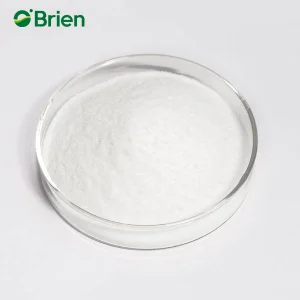
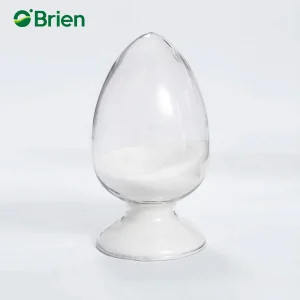
Nonionic Polyacrylamide for Coal Washing
Wholesale High Molecular Weight Nonionic Polyacrylamide for Coal Washing & Tailings Dewatering Manufacturers, Suppliers
View Product Details
Cationic Polyacrylamide Powder Wastewater
Wholesale Cationic Polyacrylamide Powder for Municipal & Industrial Wastewater Treatment Supplier, Suppliers
View Product Details
Nonionic Polyacrylamide Flocculant Acidic
China Nonionic Polyacrylamide Flocculant for Acidic Industrial Wastewater Treatment Manufacturers, Factories
View Product Details
Wholesale Anionic Polyacrylamide
Wholesale Anionic Polyacrylamide Manufacturers, Supplier
View Product Details
Cationic Polyacrylamide Retention Paper Making
China Cationic Polyacrylamide Retention & Drainage Aid for Paper Making Industry Supplier, Factories
View Product Details
PAM Anionic Polyacrylamide Strength Agent
China PAM Anionic Polyacrylamide Dry & Wet Strength Agent for Paper Industry Manufacturers, Factories
View Product Details
Cationic Polyacrylamide Textile Wastewater
Wholesale Cationic Polyacrylamide (CAS 9003-05-8) Flocculant for Textile & Dyeing Wastewater Manufacturer, Supplier
View Product Details
Cationic Polyacrylamide CPAM Sludge Dewatering
Wholesale Cationic Polyacrylamide (CPAM) for Sludge Dewatering & Industrial Wastewater Flocculation Supplier, Factories
View Product Details