Explore our flagship high-performance anionic, cationic, and nonionic polyacrylamide formulations engineered for stringent solid-liquid separation and fluid modification.
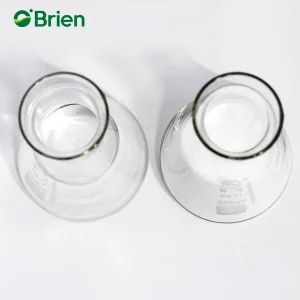
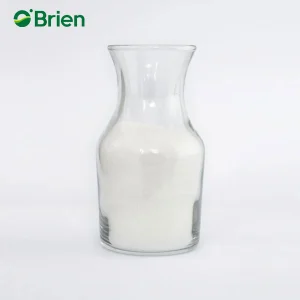
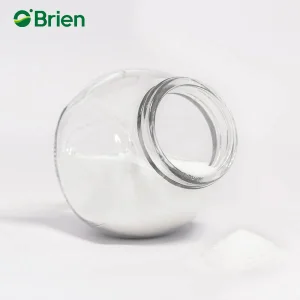
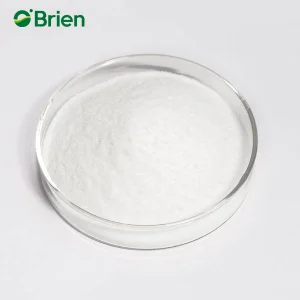
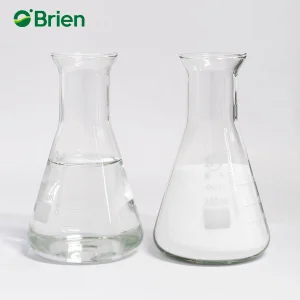
Analyzing global supply chain trends, ESG compliance imperatives, and chemical technology shifts driving high-molecular-weight polymer adoption.
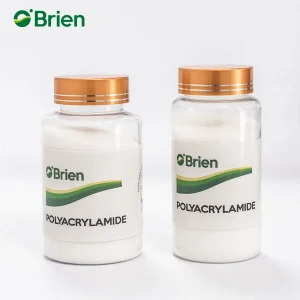
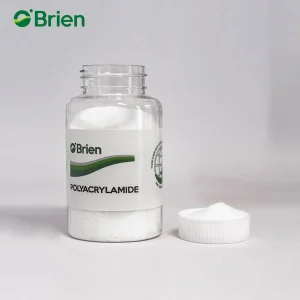
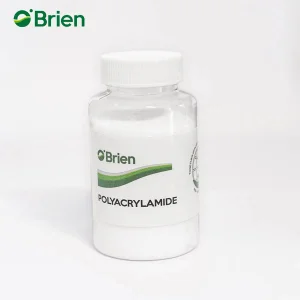
Polyacrylamide (CAS 9003-05-8) represents the backbone of modern industrial solid-liquid separation and rheology control. As global environmental regulations under ESG (Environmental, Social, and Governance) frameworks tighten, industrial enterprises require highly efficient, low-dosage water-soluble polymers. Polyacrylamide powder—classified into Anionic (APAM), Cationic (CPAM), and Nonionic (NPAM) matrix variants—delivers superior performance per kilogram compared to liquid emulsion counterparts, significantly reducing international freight costs, carbon footprints, and operational expenditures.
As a prominent enterprise operating within the Qingdao Free Trade Zone, China, Qingdao Oubo Chemical Co., Ltd. has spearheaded high-purity polymer synthesis since 2011. Driven by macro-industrial shifts, global procurement managers are increasingly bypassing trading intermediaries to partner directly with advanced Chinese polymer chemical manufacturers capable of delivering consistent charge density, tailored molecular weight distributions, and rigid batch-to-batch quality control.
Scientific breakdown of synthesis routes, ionic charge density dynamics, and flocculation kinetic mechanics.
Polyacrylamide (PAM) is a linear synthetic water-soluble polymer synthesized from acrylamide monomers ($CH_2=CH-CONH_2$). The functional performance of powder PAM is strictly governed by two critical macro-parameters: Molecular Weight (MW), measured in Millions of Daltons (MDa), and Charge Density (CD), measured as a mole percentage (mol %).
Unlike traditional chemical synthesis routes that rely on sulfuric acid catalysis or copper-based catalysts—which leave hazardous residual copper ions and organic impurities—Oubo Chemical employs advanced biological enzymatic conversion processes. Microbially synthesized nitrile hydratase converts acrylonitrile directly into high-purity acrylamide monomer at room temperature. This green technology yields monomers with ultra-high purity, enabling the polymerization of chain lengths yielding molecular weights reaching up to 25 Million Daltons without premature chain termination.
| Polymer Ionic Type | Charge Density Range (mol %) | Molecular Weight Range (Million Daltons) | Primary Flocculation & Bridging Mechanism |
|---|---|---|---|
| Anionic Polyacrylamide (APAM) | 5% - 80% | 6.0 - 25.0 MDa | Electrostatic repulsion reduction & polymer bridging on positively charged inorganic solids. |
| Cationic Polyacrylamide (CPAM) | 5% - 80% | 3.0 - 15.0 MDa | Charge neutralization of negatively charged organic colloidal sludge and biomass. |
| Nonionic Polyacrylamide (NPAM) | < 5% | 5.0 - 18.0 MDa | Hydrogen bonding and particle entrapment within acidic or high-salinity suspensions. |
When dissolved in an aqueous medium, powder PAM uncoils its macromolecular chains. Solid-liquid separation occurs via three distinct physical chemical pathways:
Tailored chemical engineering formulations across energy, infrastructure, agricultural, and process industries.
High-efficiency sludge dewatering using high-cationic CPAM for belt filter presses, screw presses, and centrifuges. Accelerates solid-liquid separation, reduces cake moisture content, and yields clear supernatant in municipal sewage and industrial wastewater effluent.
Viscosifying agents for Enhanced Oil Recovery (EOR) capable of withstanding reservoir shear stresses, high thermal gradients, and saline formations. Friction reducers and fluid-loss control agents for water-based drilling muds and slickwater fracturing.
Rapid clarification and tailings thickener polymers engineered for coal washing slurry, alumina red mud separation, copper/gold leaching circuit filtration, and solid-liquid separation of mineral flotation tailings under extreme pH conditions.
Dual-action wet-end retention and drainage aids. Significantly enhances fiber and filler retention rates, reduces raw material loss, neutralizes anionic trash, improves sheet strength parameters (dry/wet tensile index), and clarifies white water systems.
Food-grade anionic flocculants engineered for sugarcane and sugar beet juice clarification. Accelerates sediment separation of insoluble impurities, improves syrup clarity, and meets international food safety purity standards.
Versatile warp sizing additives and wastewater decolorizing flocculants. Effectively precipitates complex synthetic dyes, organic pigments, heavy metals, and suspended solids from high-COD textile processing effluent streams.
Verified manufacturing capacity, stringent triple-stage QC protocols, and direct port supply-chain advantages.
Established in 2011 within the Free Trade Zone of Qingdao, China, Qingdao Oubo Chemical Co., Ltd. has developed into a premier global manufacturer of synthetic water-soluble polymers. Operating in close proximity to Qingdao Port—one of the largest deep-water logistics hubs in Asia—we deliver unparalleled shipping efficiency and supply chain security for international enterprise buyers.
Oubo Chemical utilizes patented biological enzymatic polymerization methods. Supported by over €2 Million in annual R&D investment, our technology ensures precise molecular weight control and ultra-low unreacted monomer content (<0.05%).
Quality begins at monomer synthesis. We source top-grade raw materials from global industry leaders, including SINOPEC, Eni, and other world-class petrochemical providers, guaranteeing exceptional baseline chemical stability.
Fully automated production lines backed by ISO 9001:2008 certified quality management. Every batch undergoes 3 rigorous laboratory testing protocols (dissolution rate, viscosity index, monomer conversion) prior to dispatch.
Our dedicated chemical engineers provide comprehensive pre-sales laboratory Jar Testing, chemical selection mapping, plant-level dosing system optimization, and on-site troubleshooting for global clients.
Moisture-proof, export-grade packaging configurations tailored for sea freight durability and automated plant handling.
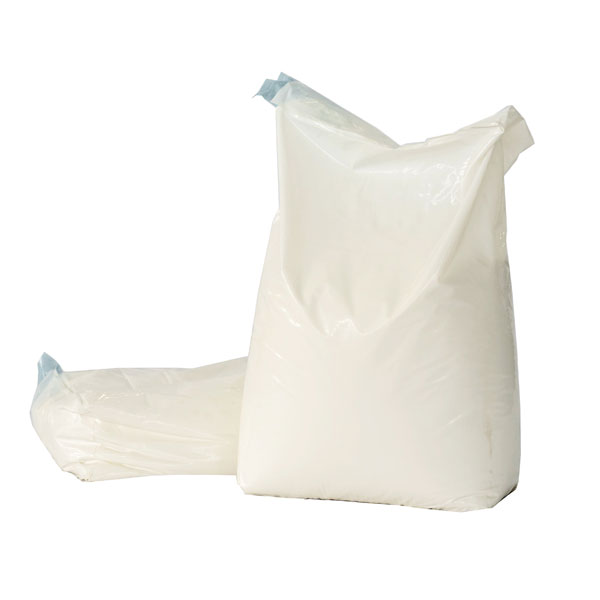
Neutral 25kg PE multi-wall kraft paper bags for distributor rebranding.
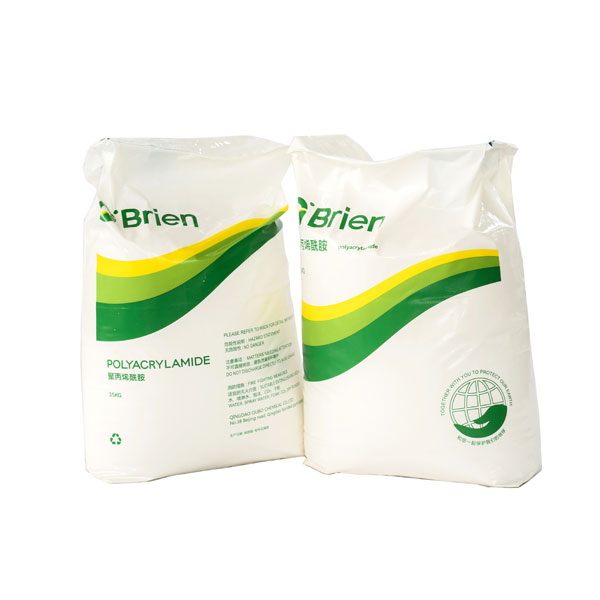
Factory standard 25kg moisture-proof woven PE inner-lined sacks.
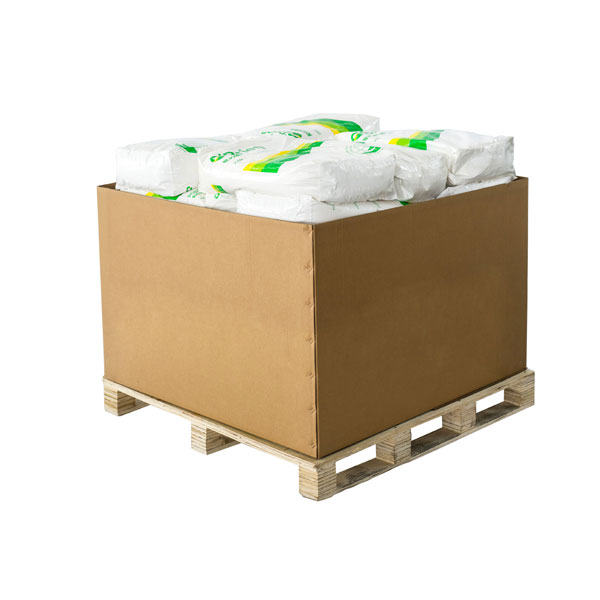
750kg / 1000kg Big Bags designed for large-scale continuous dosing units.
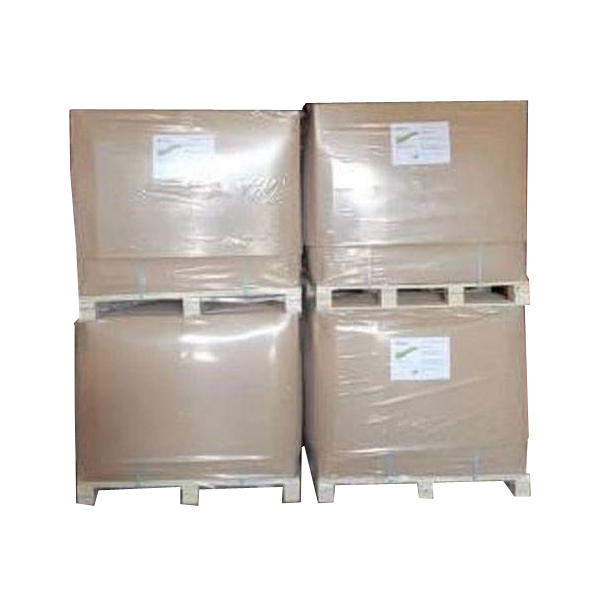
Shrink-wrapped, ISPM-15 compliant wooden/plastic pallets (1.0-1.2 MT per pallet).
Expert insights addressing key procurement, polymer dissolution chemistry, and field operation queries.
Direct supply options for specialized industrial manufacturing, paper wet-end systems, mining separation, and municipal sludge dewatering.
 Oubo Chemical