Explore our high-performance anionic, cationic, non-ionic, and potassium-stabilized polyacrylamide grades designed for global industrial applications.
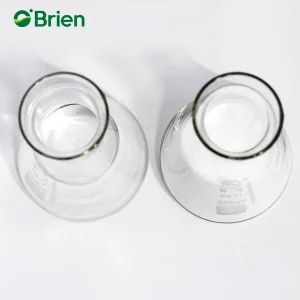
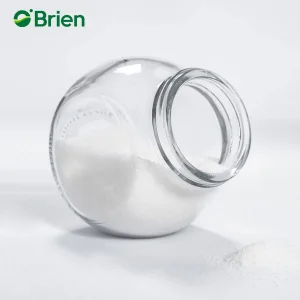
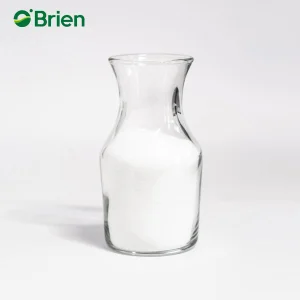
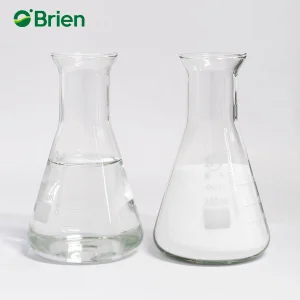
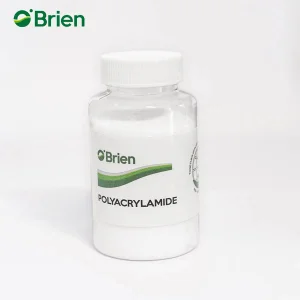
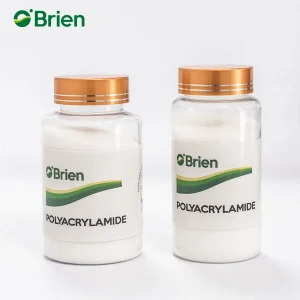
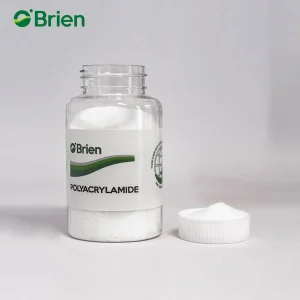
Operating from the Qingdao Free Trade Zone, Oubo Chemical leads China's polymer manufacturing through advanced biological synthesis, continuous quality management, and global supply chain integration.
Oubo Chemical Co., Ltd was established in 2011 in the Free Trade Zone of Qingdao, China. We leverage proprietary biological enzymatic methods for monomer synthesis, drastically reducing environmental impact while yielding high-purity acrylamide. Annual polyacrylamide capacity breached 50,000 Metric Tons in 2018 under strict ISO9001:2008 standards.
Over €2 Million is re-invested annually into technical research and molecular tailoring, creating advanced polymers for complex chemical environments.
Our operational strategic action depends on continuous performance metrics. All raw chemical feedstocks are sourced from world-class global suppliers, including SINOPEC, Eni, and top-tier chemical conglomerates. Production lines are fully automated, and every single batch undergoes rigorous 3-stage laboratory verification by specialized QC chemical engineers prior to dispatch.
Understanding the molecular dynamics, hydration inhibition mechanisms, and structural classification of K-PAM relative to conventional PAM variants.
Potassium Polyacrylamide (K-PAM) is a specialized partially hydrolyzed copolymer containing potassium ions ($K^+$) integrated along its carboxylate polymer backbone. Unlike standard Sodium-based Anionic Polyacrylamide (APAM), K-PAM provides a dual-action mechanism in geological and soil systems: the high-molecular-weight polymer chain bridges suspended solids and coats clay particles, while the dissociated potassium ions ($K^+$) exchange into the inter-layer spaces of swelling clays (such as montmorillonite and smectite).
Ion-Exchange Clay Stabilization Mechanism: The potassium ion has a lower hydration energy and an ionic radius (1.33 Å) that perfectly matches the hexagonal cavities in the silica sheets of reactive shale. This enables $K^+$ to fit tightly into clay crystal lattices, displacing hydrated sodium ($Na^+$) ions, suppressing lattice expansion, and preventing bit balling, bore-hole collapse, and soil dispersion.
| Polymer Type | Ionic Charge | Molecular Weight (Million) | Primary Dynamic Mechanism | Key Industrial Sectors |
|---|---|---|---|---|
| Potassium Polyacrylamide (K-PAM) | Potassium Anionic | 12.0 - 18.0 | Shale hydration inhibition, clay collapse protection, salt-tolerant rheology | Oil & Gas Drilling, Geological Exploration, Hydro-Seeding, Agriculture |
| Anionic Polyacrylamide (APAM) | Anionic (-COO⁻) | 8.0 - 22.0 | Flocculation via charge neutralization & long-chain bridging | Mineral Dressing, Petrochemical Wastewater, Industrial Clarification |
| Cationic Polyacrylamide (CPAM) | Cationic (-N⁺R₃) | 6.0 - 12.0 | High-density charge neutralization on negatively charged organic sludge | Municipal Sludge Dewatering, Paper Retention Aid, Dyeing Wastewater |
| Nonionic Polyacrylamide (NPAM) | Neutral / Hydrophilic | 5.0 - 15.0 | Hydrogen bonding flocculation in acidic or high-salt aqueous media | Acidic Wastewater, Phosphoric Acid Refining, Tailings Dewatering |
Key drivers transforming global demand for high-grade K-PAM and polyacrylamide water-soluble polymers across energy, environmental, and agricultural verticals.
Expansion in deep directional drilling and hydraulic fracturing requires fluid additives capable of handling high temperatures and shear rates while maintaining shale stability. K-PAM minimizes formation damage and wellbore enlargement in reactive mudstone formations.
Climate variability is driving adoption of K-PAM as an eco-compatible hydro-gel soil conditioner. Unlike sodium salts which cause soil salinization and crusting, potassium ions supply essential crop nutrients while maintaining soil aeration and water retention.
Global environmental regulations mandate strict solid-liquid separation in industrial effluents. Polyacrylamide flocculants accelerate settling velocities in sedimentation tanks, lowering chemical oxygen demand (COD) and enabling total water recycling.
Tailored polymer formulations solving critical process bottlenecks in energy, paper, mining, municipal, and agricultural operations.
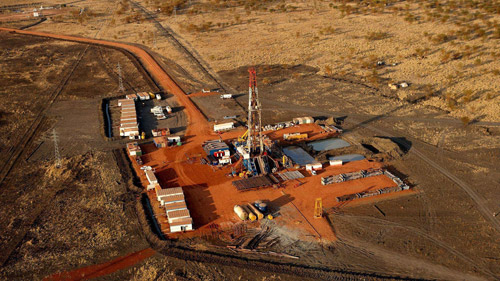
In oilfield drilling, K-PAM acts as a high-performance shale inhibitor and fluid-loss control agent. It coats drill cuttings to prevent mud ring formation and bit balling, maintaining viscosity under high saline conditions.
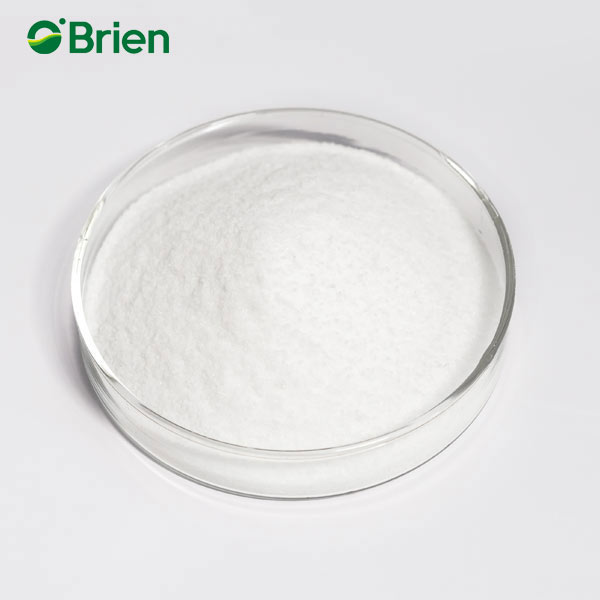

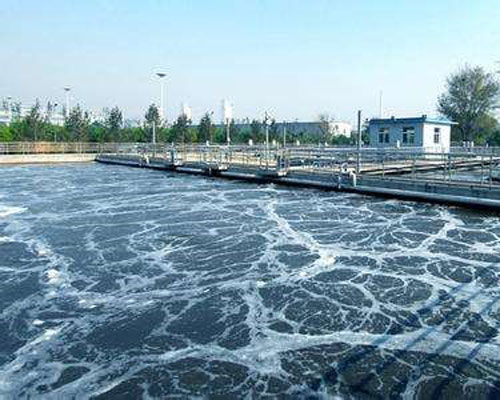
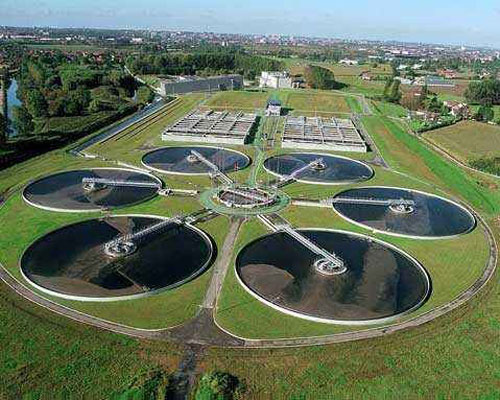
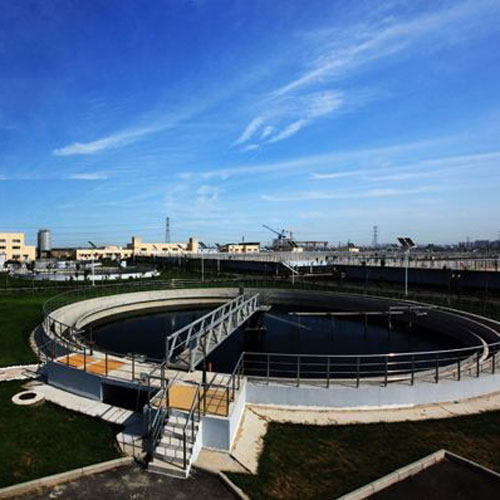
Acts as an ultra-efficient flocculant for rapid solid-liquid separation. Ideal for municipal sewage, petrochemical effluent, leather tannery, and pharmaceutical wastewater treatment.
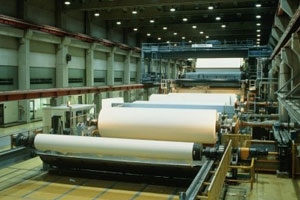
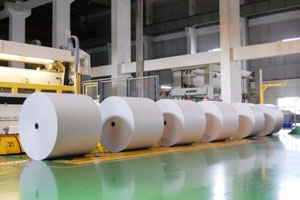
Functions as a retention aid, filter aid, and strength agent. Polyacrylamide binds fine fibers and fillers, boosting paper web integrity and accelerating wet-end dewatering.

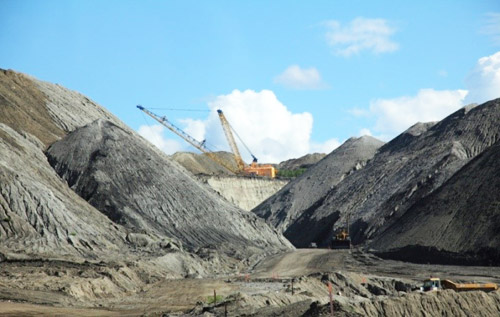
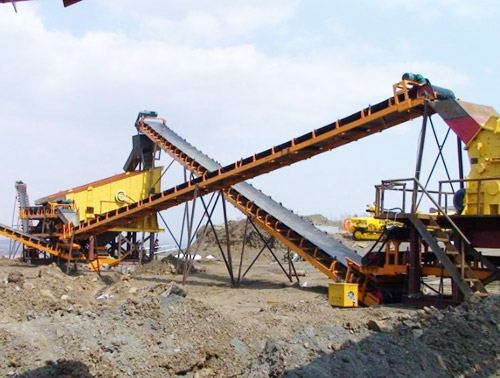
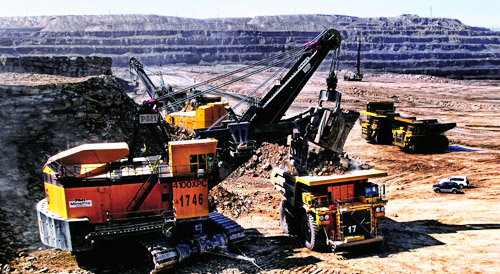
Crucial for solid-liquid separation in coal washing, mineral thickeners, and tailings management. Enables efficient recovery of precious metals while recycling process water.
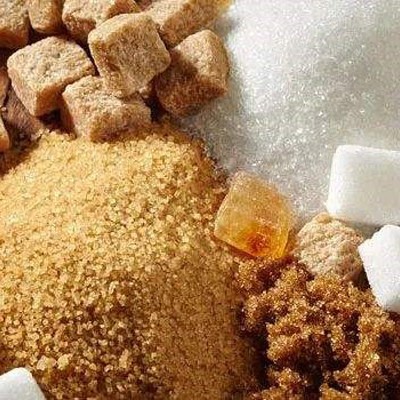
Specifically purified PAM grades speed up sugar cane and sugar beet juice clarification, removing turbidity without leaving toxic residues in the refined sugar stream.
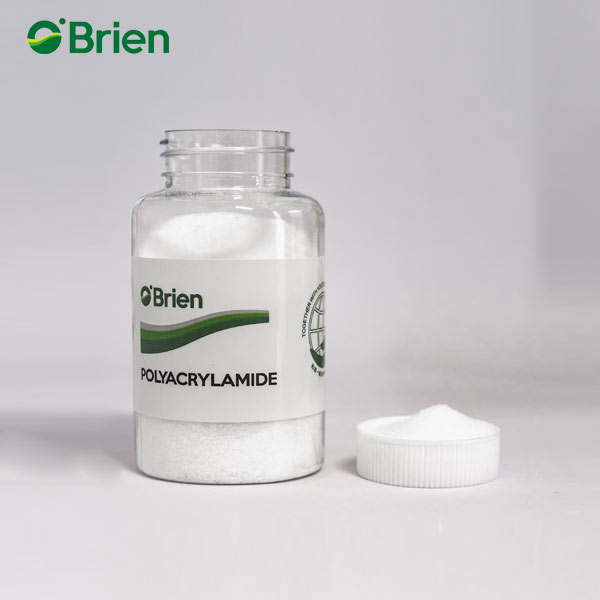
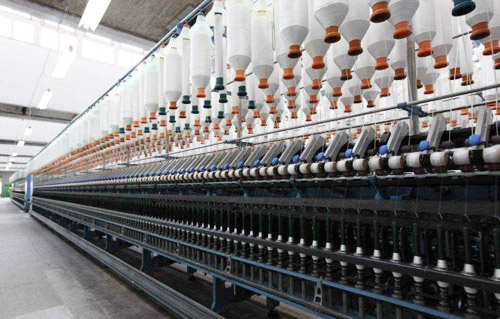
Utilized as a textile sizing agent for smoother weaving yarn, and as a primary flocculant for decolorizing complex dyehouse wastewater streams.

Customized packaging solutions engineered to prevent moisture degradation and ensure shelf-life stability during transoceanic shipping.
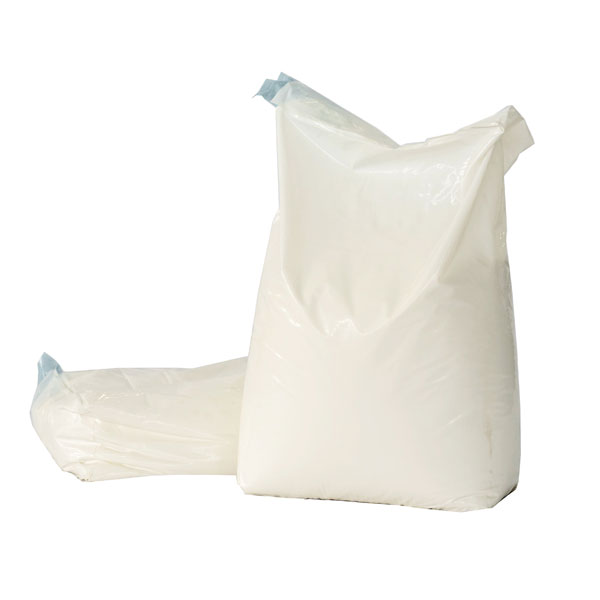
25kg multi-wall paper-plastic composite bags without print for OEM re-branding.
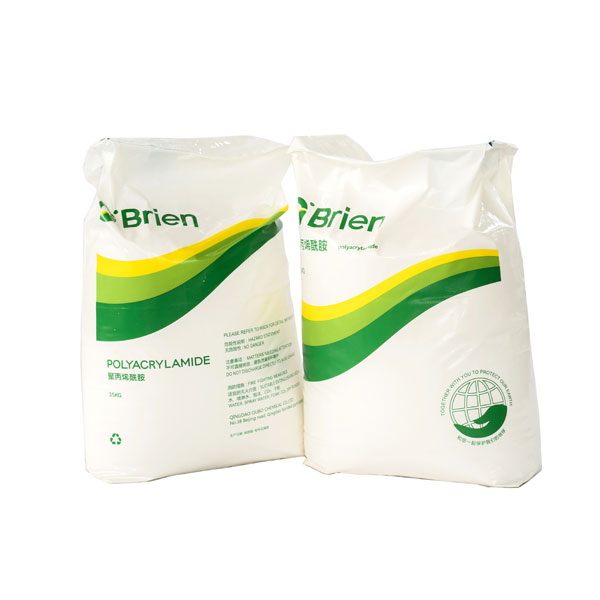
Standard branded 25kg export bags equipped with internal PE moisture barrier lining.
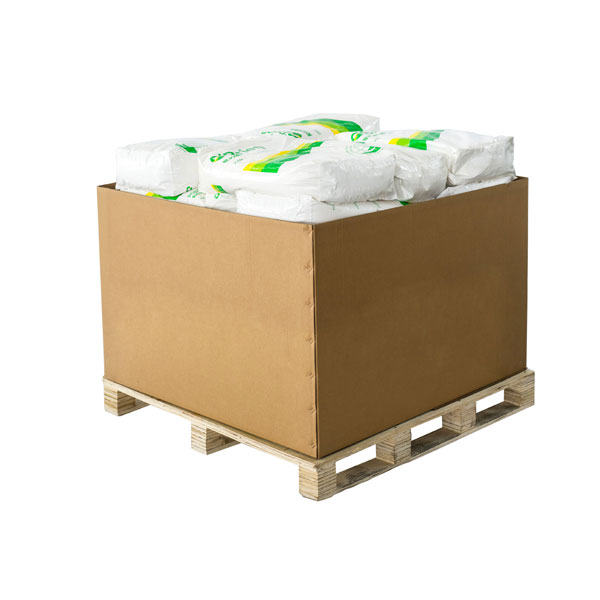
750kg - 1000kg ton bags fitted with bottom discharge spouts for mining operations.
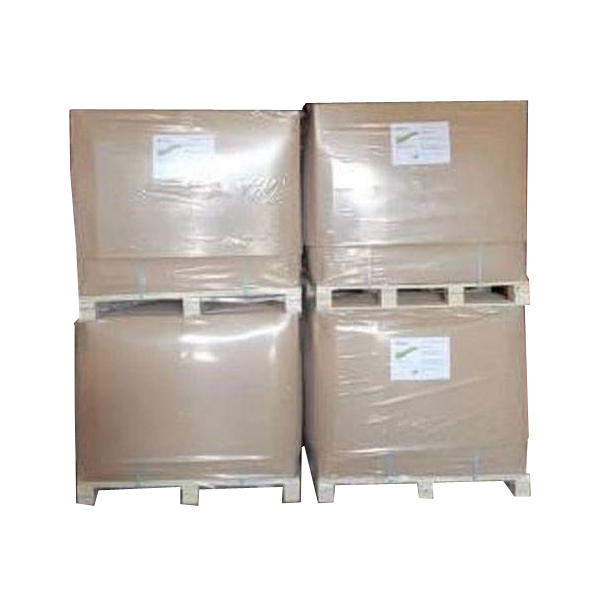
ISPM 15 compliant fumigated wooden or plastic pallets wrapped tightly for sea freight safety.
Pioneering the next generation of eco-friendly, ultra-high temperature salt-tolerant polymers.
Transitioning to 3rd generation enzymatic bio-catalysts that minimize carbon output by 35% while yielding monomer purity over 99.9%.
Synthesizing hydrophobic associative monomers designed to retain viscosity up to 150°C and 200,000 ppm TDS in ultradeep well drilling.
Developing micro-bead polymer granules that reduce hydration dissolving times from 60 minutes down to under 15 minutes.
Expert guidance on Potassium Polyacrylamide chemistry, application parameters, and sourcing.
Access engineered PAM formulations for high-salinity oilfield fluids, mining tailings dewatering, acidic effluent treatment, and textile wastewater.
 Oubo Chemical