Industry White Paper & Global Supply Guide

China Polymer Flocculant Supplier & Factories

Technical Analysis of High-Molecular Polyacrylamide (PAM) Manufacturing, Enzymatic Monomer Synthesis, Global Procurement Strategies, and Advanced Solid-Liquid Separation Engineering.

50,000+ MT
Annual Capacity (2018 Breakthrough)
€200M
Accumulated Technical R&D
10% / Year
Consistent Decade Growth Rate
ISO9001:2008
Certified Quality Management
Product Catalog

High-Performance Polymer Flocculants

Explore our flagship portfolio of Anionic, Cationic, and Nonionic Polyacrylamide formulations engineered for extreme industrial demands.
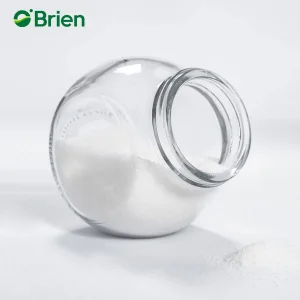
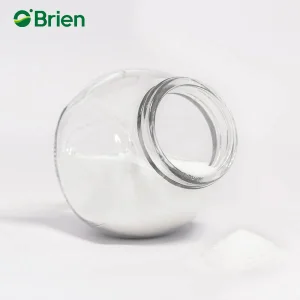
Wholesale PAM Anionic Polyacrylamide Manufacturer

Wholesale PAM Anionic Polyacrylamide Manufacturer, Suppliers

View Product Details
China Nonionic Polyacrylamide Flocculant Acidic Wastewater

China Nonionic Polyacrylamide Flocculant for Acidic Industrial Wastewater Treatment Manufacturers, Factories

View Product Details
Wholesale Cationic Polyacrylamide Textile Wastewater

Wholesale Cationic Polyacrylamide (CAS 9003-05-8) Flocculant for Textile & Dyeing Wastewater Manufacturer, Supplier

View Product Details
High Molecular Weight Nonionic Polyacrylamide Coal Washing

Wholesale High Molecular Weight Nonionic Polyacrylamide for Coal Washing & Tailings Dewatering Manufacturers, Suppliers

View Product Details
China PAM Anionic Polyacrylamide Paper Strength Agent

China PAM Anionic Polyacrylamide Dry & Wet Strength Agent for Paper Industry Manufacturers, Factories

View Product Details
China Cationic polyacrylamide Manufacturer Supplier

China Cationic polyacrylamide Manufacturer, Supplier

View Product Details
China Cationic Polyacrylamide Paper Making Retention Aid

China Cationic Polyacrylamide Retention & Drainage Aid for Paper Making Industry Supplier, Factories

View Product Details
Wholesale Cationic Polyacrylamide Powder Wastewater

Wholesale Cationic Polyacrylamide Powder for Municipal & Industrial Wastewater Treatment Supplier, Suppliers

View Product Details

Executive Technical Synthesis: Polyacrylamide (PAM) Architecture

Polyacrylamide (PAM), designated under CAS registry numbers (such as CAS 9003-05-8 for cationic and homopolymer derivatives), is a synthetic linear resin synthesized through the free-radical polymerization of acrylamide monomers. As an indispensable high-molecular-weight water-soluble polymer, its functional mechanics rely on extended macromolecular chains that adsorb onto suspended colloidal solids, forming bridging networks that aggregate micro-flocs into rapidly settling macro-flocs.

Depending on ionic functionalization, molecular weight distribution (ranging from 3 Million to over 25 Million Daltons), and physical morphology (dry powder, emulsion, micro-bead), PAM operates across four main ionic configurations: Anionic (APAM), Cationic (CPAM), Nonionic (NPAM), and Amphoteric (MPAM). Each chemistry addresses specific zeta potential thresholds, solution pH parameters, and solids characteristics in industrial liquid-solid separation processes.

Core Functional Polymer Formulations

Standardized chemical grade classifications utilized across global water management and industrial processing infrastructure.
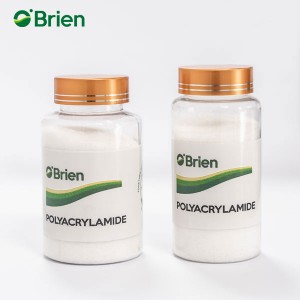
Cationic Polyacrylamide (CPAM)

Cationic Polyacrylamide (CPAM)

Synthesized via copolymerization of acrylamide and DAC/DMC monomers. Crucial for negatively charged organic sludge dewatering in municipal and biological WWTPs.
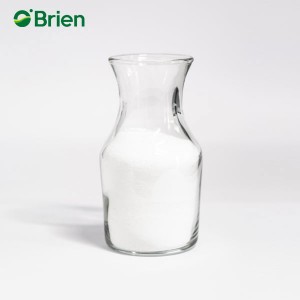
Anionic Polyacrylamide (APAM)

Anionic Polyacrylamide (APAM)

Carboxyl-functionalized polymers featuring high-to-ultra-high molecular weights. Ideal for inorganic suspended solids, mineral tailing clarification, and EOR.
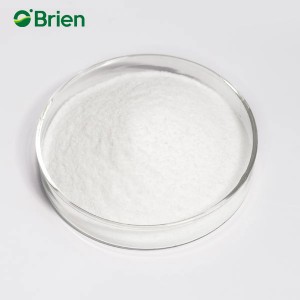
Nonionic Polyacrylamide (NPAM)

Nonionic Polyacrylamide (NPAM)

Pure acrylamide homopolymers offering neutral charge performance. Exceptionally stable under strong acidic wastewater conditions and mineral leaching baths.
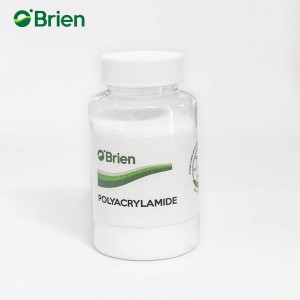
Cationic Polyacrylamide Granules

Cationic Powder (High Charge Density)

Tailored charge densities (10% - 80% mole ratio) designed for high-shear centrifuge and belt filter press dewatering operations.
Anionic Polyacrylamide Granules

Ultra-High MW Anionic Granules

Extreme chain length polymers delivering high tensile floc resilience for drag reduction and Enhanced Oil Recovery (EOR) sweep efficiency.
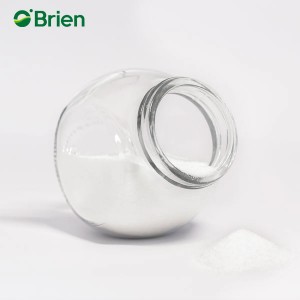
Nonionic Polyacrylamide Fine Powder

Specialty Acid-Resistant Nonionic

Engineered to maintain chain elasticity in low pH (<3.0) processing streams, including acidic metal extraction and pickling liquors.

Manufacturing Excellence

China's Polymer Supply Chain Advantage

Inside Qingdao Oubo Chemical's world-class chemical synthesis hub located within the Qingdao Free Trade Zone.

Biological Monomer Synthesis

Oubo Chemical utilizes advanced biological enzymatic technology to produce Acrylamide monomer—a patented bio-catalytic process that eliminates copper and byproduct impurities, yielding ultra-pure polymers with minimal environmental impact and exceptional chain integrity.

Upstream Chemical Integration

Strategic partnerships with global raw material giants such as SINOPEC and Eni ensure uninterrupted supplies of high-purity chemical feeds. Fully automated continuous polymerization lines guarantee strict batch-to-batch consistency and competitive cost structure.

Port & Free Trade Logistics

Situated directly inside the Qingdao Free Trade Zone, Oubo leverages premier deep-water port infrastructure, customs clearance channels, and multimodal shipping routes, enabling fast international dispatches and reduced total landed cost for overseas enterprises.

Comprehensive Polymer Flocculant Selection Matrix

Selecting the optimal polyacrylamide grade requires aligning chemical characteristics with stream parameters such as suspension pH, ionic strength, particle charge density, solids content, and mechanical dewatering equipment type. The technical table below outlines standard operational parameters:

Polymer Type Ionicity Range (%) Molecular Weight (M Daltons) Optimal pH Range Primary Industrial Application
Anionic PAM (APAM) 5% – 60% 8.0 – 25.0 6.0 – 14.0 Mining Tailings, Sand Washing, Municipal Sewage, Paper Retention
Cationic PAM (CPAM) 5% – 80% 6.0 – 15.0 1.0 – 8.0 Municipal Sludge Dewatering, Textile Dyeing, Food Processing WWTP
Nonionic PAM (NPAM) 0% – 5% 3.0 – 12.0 1.0 – 8.0 Acidic Industrial Effluent, Soil Stabilization, Mineral Extraction
Amphoteric PAM (MPAM) Variable (+/-) 4.0 – 10.0 2.0 – 12.0 Complex Oily Wastewater, Refined Paper Sludge, High Salinity Water

Note: Customized molecular weight and ionicity tailoring are available upon technical request following comprehensive laboratory jar testing.

Procurement Insights

Optimizing Total Cost of Ownership (TCO)

Strategic purchasing guidelines for procurement executives, EPC contract managers, and municipal utility directors.

Active Polymer Content vs. Unit Price

Evaluating commercial flocculants purely on cost per metric ton often leads to inflated operational budgets. Higher-grade polymers with optimized molecular chain lengths achieve target clarity and cake dryness at up to 30% lower dosing rates (ppm), dramatically lowering overall chemical consumption costs.

Rigorous Jar Testing Protocol

Before purchasing bulk orders, enterprise buyers should conduct standard jar tests to evaluate floc settling speed, supernatant turbidity (NTU), cake moisture percentage, and shear resistance under dynamic agitation (such as high-speed centrifuge feed conditions).

Packaging & Moisture Mitigation

Polyacrylamide powder is highly hygroscopic. Oubo enforces multi-layer moisture-proof packaging options—including palletized 25kg Kraft paper bags with PE inner liners and 750kg jumbo sacks—guaranteeing 24-month stability during long sea voyages and tropical warehouse storage.

Industrial Applications

Localized Application Scenarios & Engineering Practices

Providing specialized polyacrylamide chemistries across critical heavy industries and environmental utility operations.

1. Municipal Sewage & Industrial Wastewater Treatment

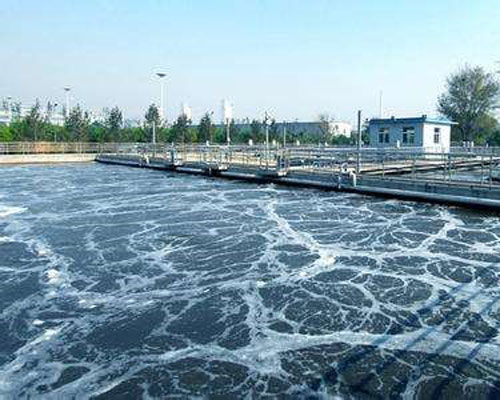
In solid-liquid separation processes, municipal WWTPs face fluctuating influent BOD/COD loading and variable sludge ratios. Oubo's Cationic Polyacrylamide (CPAM) delivers quick charge neutralization on negatively charged biological sludge particles.
  • Centrifuge Dewatering: High-solids decanter centrifuges demand high molecular shear resistance.
  • Belt Filter Press: Fast free-drainage performance reducing filter cloth blinding.
  • Dissolved Air Flotation (DAF): Rapid micro-floc formation for oil-water separation.
Wastewater Treatment Plant
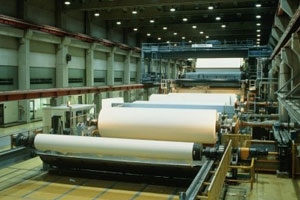
Pulp and Paper Manufacturing

2. Pulp & Paper Manufacturing Optimizations

Our wet-end paper additives maximize raw material utilization, improve machine speed, and lower effluent fiber loads:

  • Retention & Drainage Aids: Enhances fine fiber and filler retention, lowering chemical costs.
  • Anionic Garbage Trash Catchers: Neutralizes interfering organic charge in closed-loop water circuits.
  • Dry & Wet Strength Agents: Forms strong ionic links between cellulose fibers, boosting tensile indices.
  • Paper Fiber Dispersant: Ensures uniform sheet formation for specialty tissue and fine paper grades.

3. Mining Operations & Tailings Dewatering

Extractive metallurgy consumes massive volumes of process water. Oubo's Ultra-High Molecular Weight Anionic Polyacrylamide accelerates mineral thickener settling rates:

  • Coal Washing Tailings: Ultra-fast clarification of fine coal blackwater slurry.
  • Base & Precious Metals: High efficiency in Copper, Gold, Iron, Silver, and Nickel thickener overflow systems.
  • Tailings Dry Stacking: High-viscosity polymers enable mechanical filtration for environmental land reclamation.
Mining Tailings Dewatering
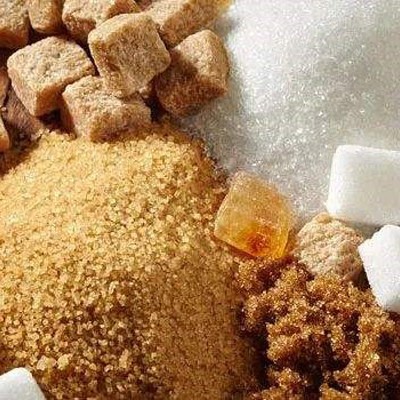
Sugar & Textile Industry Applications

4. Oilfield EOR, Textile Dyeing & Sugar Refining

Beyond traditional water treatment, Oubo formulations serve specialized oilfield and process chemical roles:

  • Enhanced Oil Recovery (EOR): High-viscosity mobility control agents resistant to high shear and temperature.
  • Drilling Mud Additives: Viscosifiers, shale inhibitors, friction reducers, and fluid loss agents.
  • Textile Dyeing Effluent: CPAM/APAM decolorization and heavy metal complex sedimentation.
  • Sugar Juice Clarification: Food-grade anionic flocculation accelerating cane juice settling.
Authoritative QA/QC

Why Enterprise Procurement Trusts Oubo Chemical

Built upon a decade of continuous performance improvements and customer-centric chemical engineering.

Triple Batch Testing Protocol

Every single production batch undergoes 3 rigorous quality inspection cycles by dedicated QC teams prior to release: monitoring residual monomer content (<0.05%), dissolution rate, filterability index, and dynamic viscosity stability.

ISO9001:2008 & Regulatory Compliance

Fully compliant with ISO9001:2008 quality standards. SDS, REACH compliance documentation, non-hazardous transport certifications, and COAs are issued for every shipment to streamline international customs.

Full Lifecycle Field Support

Oubo's specialized chemical engineers assist global clients throughout selection, on-site dosing equipment calibration, jar testing, and troubleshooting to achieve optimal solid-liquid separation results.

Global Industry Trends & Next-Generation Flocculant Development

The global polymer flocculant industry is undergoing a significant transformation driven by stringent global environmental regulations, net-zero water goals, and technological advancements in synthetic chemistry:

Bio-Based & Low-Carbon Monomers

Transitioning from traditional petroleum catalytic acrylamide to bio-enzymatic conversion routes significantly reduces manufacturing carbon footprints and hazardous chemical residuals.

High-Temperature & Salt Tolerance

Deep-reservoir EOR and harsh industrial brine treatment require modified PAM chains incorporating hydrophobic monomers and AMPS co-polymer structures to resist thermal degradation.

Automated Smart Dosing Integration

Modern WWTP facilities combine automated dry-powder preparation units with online turbidity and streaming current sensors to adjust PAM dosing in real time, reducing chemical waste.

Expanded Catalog

Specialized Polyacrylamide Formulations

Select specialized polyacrylamide grades tailored for municipal, industrial, mining, and oilfield operations.
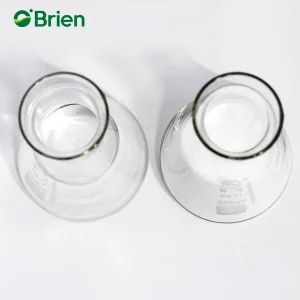
Wholesale Anionic Polyacrylamide Powder Flocculant Food Processing

Wholesale Anionic Polyacrylamide Powder Flocculant for Food Processing & Sugar Refining Wastewater Manufacturer, Factories

View Product Details
Wholesale High Molecular Weight Anionic Polyacrylamide Petrochemical

Wholesale High Molecular Weight Anionic Polyacrylamide for Petrochemical & Metallurgical Wastewater Suppliers, Factories

View Product Details
Wholesale Anionic Polyacrylamide APAM Municipal Sewage

Wholesale Anionic Polyacrylamide (APAM) for Municipal Sewage Treatment & Sludge Dewatering Manufacturers, Suppliers

View Product Details
China Nonionic Polyacrylamide Manufacturers Supplier

China Nonionic Polyacrylamide Manufacturers, Supplier

View Product Details
Wholesale Anionic Polyacrylamide Manufacturers Supplier

Wholesale Anionic Polyacrylamide Manufacturers, Supplier

View Product Details
Wholesale Nonionic Polyacrylamide NPAM Mineral Processing

Wholesale Nonionic Polyacrylamide (NPAM) for Mineral Processing & Metallurgical Ore Dressing Suppliers, Factories

View Product Details
Wholesale Cationic Polyacrylamide CPAM Sludge Dewatering

Wholesale Cationic Polyacrylamide (CPAM) for Sludge Dewatering & Industrial Wastewater Flocculation Supplier, Factories

View Product Details
China Nonionic Polyacrylamide Thickener Oilfield Drilling Fluid

China Nonionic Polyacrylamide (PAM) Thickener for Oilfield Drilling Fluid Manufacturers, Suppliers

View Product Details
Standardized Packaging

Packaging & Export Logistics Options

Robust export-grade packaging solutions designed to safeguard polymer purity and prevent moisture absorption during global transport.
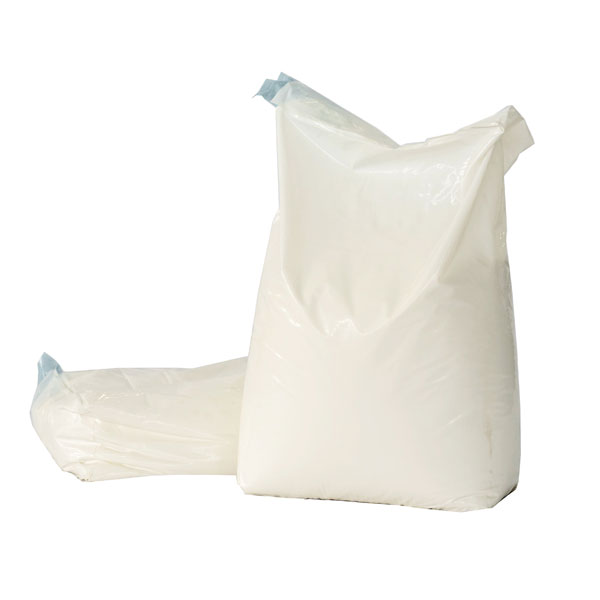
Blank-bag packaging

Blank Packaging Bag

Neutral unbranded 25kg Kraft paper / PE bags tailored for regional chemical distributors and private label re-sellers.
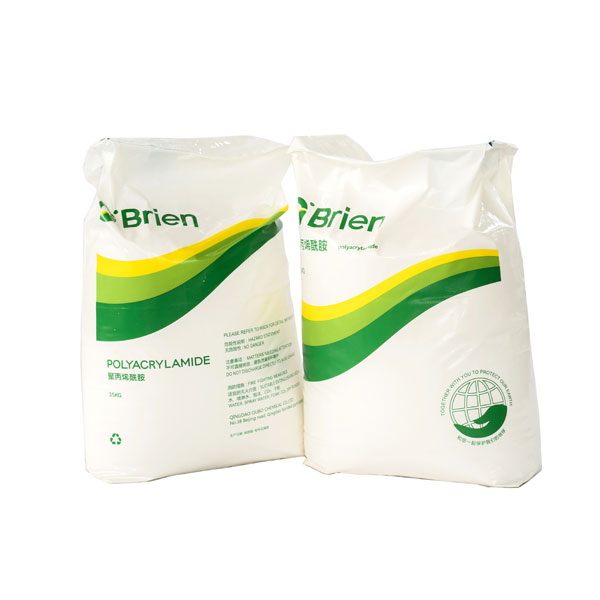
Normal-bag packaging

Standard Factory Bag

Standardized Oubo brand multi-wall paper bags with double internal polyethylene moisture barriers.
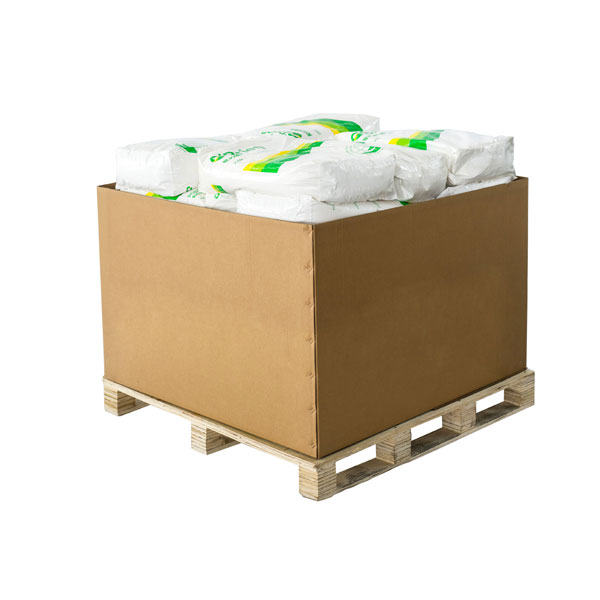
Package jumbo bags

Bulk Super-Sacks (Jumbo)

750kg and 1000kg heavy-duty woven polypropylene ton-bags designed for automated dosing hoppers in mining & oilfield sites.
Palletized packaging

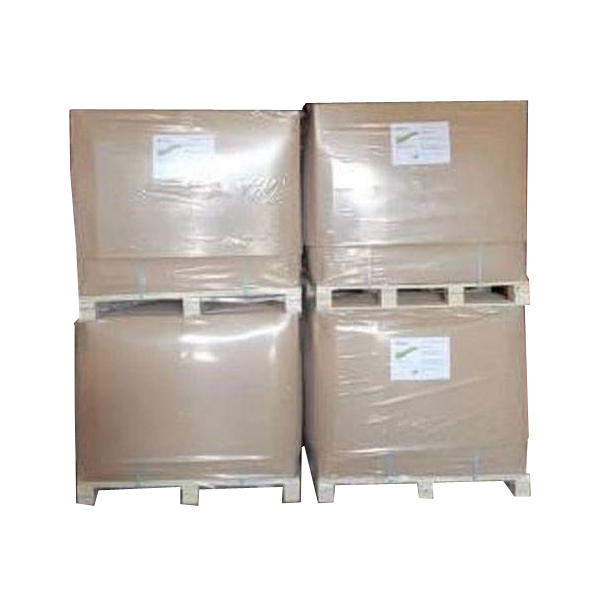
Palletized & Shrink-Wrapped

ISPM-15 compliant fumigated wooden or plastic pallets, shrink-wrapped for maximum load stability during container shipping.

Technical Knowledge Hub

Frequently Asked Questions (FAQ)

Expert engineering answers regarding polymer selection, field dosing, and storage management.
What is the difference between Anionic (APAM) and Cationic (CPAM) Polyacrylamide?
Anionic Polyacrylamide (APAM) carries a negative molecular charge and is typically utilized for inorganic solids suspension (such as mineral tailings, sand washing, and clay clays). Cationic Polyacrylamide (CPAM) carries a positive charge and is essential for dewatering organic biological sludge (such as municipal sewage sludge, food processing waste, and textile sludge).
How do I determine the optimal polymer dosage rate for my facility?
Optimal dosage rates should always be verified through standard laboratory Jar Testing followed by pilot-scale calibration. Factors including water pH, solids concentration (g/L), slurry temperature, agitation shear level, and zeta potential dictate whether a dosage of 1 ppm or 50 ppm is required.
What is the standard dissolve time and solution shelf-life of PAM powder?
Dry polyacrylamide powder typically requires 45 to 60 minutes of low-shear continuous agitation to fully uncoil polymer chains. Once fully dissolved, stock solutions (0.1% - 0.3% concentration) should be consumed within 24 to 48 hours for CPAM, and 3 to 5 days for APAM to prevent microbial hydrolysis and viscosity loss.
Why is Oubo Chemical's bio-catalytic acrylamide synthesis superior?
Traditional chemical synthesis uses copper catalysts which leave residual heavy metal ions and unwanted monomer degradation products. Oubo's patented bio-catalytic enzymatic process produces ultra-pure acrylamide at lower temperatures, preserving ultra-high molecular weights and ensuring residual acrylamide monomer (AM) levels remain well under stringent environmental safety limits (<0.05%).