Direct Factory Sourcing for Anionic, Cationic, and Nonionic Polyacrylamide Polymers
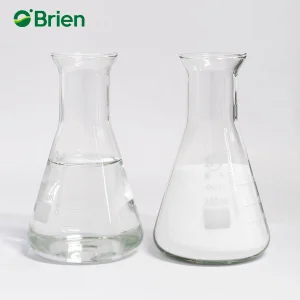
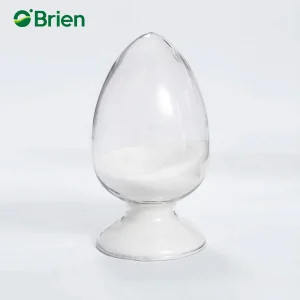
Polyacrylamide (PAM, CAS 9003-05-8) represents the cornerstone of modern industrial solid-liquid separation, water treatment, enhanced oil recovery (EOR), and papermaking wet-end chemistry. Synthesized through the polymerization of acrylamide monomers, PAM is a versatile, water-soluble linear synthetic resin engineered into distinct ionic charge configurations: Anionic (APAM), Cationic (CPAM), and Nonionic (NPAM).
As global environmental mandates tighten under ESG frameworks, industrial enterprises require flocculants with higher molecular weights, precise charge densities, minimal monomer residuals, and ultra-fast dissolution rates. As a premier hub for chemical engineering innovation, China's polymer flocculant manufacturing ecosystem has transitioned from high-volume output to precision biocatalytic synthesis and Industry 4.0 smart manufacturing.
Key drivers behind the global procurement shift toward Chinese high-molecular flocculant manufacturers
Governments across North America, Europe, and Asia-Pacific are enacting strict wastewater recycling standards. ZLD technologies rely heavily on high-charge Anionic and Cationic polymers to optimize mechanical dewatering via decanter centrifuges and belt filter presses, drastically reducing dewatering energy penalties.
Traditional chemical synthesis utilizing acrylonitrile generates high trace impurities. Premier Chinese suppliers have pioneered 3rd-generation microbial enzymatic biocatalysis. This eco-friendly process produces ultra-pure acrylamide monomers with low residual levels (<0.05%), suitable for potable water applications.
With diminishing ore grades worldwide, hydrometallurgical processing demands specialized high-molecular-weight nonionic and anionic flocculants. Rapid sedimentation of fine tailings—especially in lithium, copper, gold, and coal operations—is critical for process water recovery.
Global supply chains require uncompromised stability, rapid lead times, and stringent quality control. Chinese polyacrylamide production leverages unique vertical integration advantages, placing suppliers at the forefront of the chemical processing market.
Established in 2011 within the Free Trade Zone of Qingdao, China, Oubo Chemical Co., Ltd. (Brand: O'brien) stands as a worldwide innovator in Polyacrylamide production. Operating under strict ISO9001:2008 quality management certification, Oubo has sustained an annual business growth rate of over 10%.
By 2018, Oubo's annual production capacity exceeded 50,000 Metric Tons. The enterprise utilizes proprietary, patented biological production processes to engineer premium Cationic, Anionic, and Nonionic PAM formulations. Reinvesting significant capital into scientific research annually, Oubo is dedicated to delivering optimal solid-liquid separation solutions while reducing environmental impact across the globe.
Selecting the optimal molecular structure, charge density, and ionic form for your specific application
| Polymer Type | Ionic Charge Degree | Molecular Weight (Million) | Primary Flocculation Mechanism | Typical Industrial Applications |
|---|---|---|---|---|
| Anionic PAM (APAM) | Low to High (10% - 60%) | 6.0 - 25.0 Million | Charge neutralization & polymeric bridging with positively charged mineral particles. | Industrial wastewater, mineral processing, tailings dewatering, paper dry strength, oilfield EOR. |
| Cationic PAM (CPAM) | Low to Ultra-High (5% - 80%) | 5.0 - 15.0 Million | Neutralization of negatively charged organic colloidal matter and cellular sludge structures. | Municipal sewage treatment, organic sludge dewatering (centrifuge/belt press), textile dyeing wastewater, paper retention. |
| Nonionic PAM (NPAM) | Neutral (< 2%) | 8.0 - 16.0 Million | Hydrogen bonding & adsorption bridging under highly acidic or complex ionic conditions. | Acidic industrial effluent, soil stabilization, mining leach liquor clarification, oilfield drilling fluid thickening. |
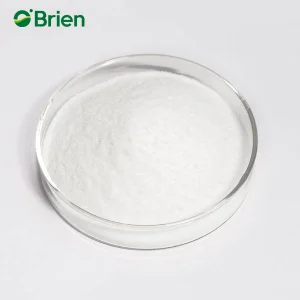
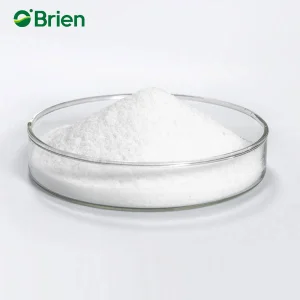
Synthesized via copolymerization of acrylamide and acrylic acid monomers. Ideal for inorganic suspended solids in neutral-to-alkaline streams. High molecular weights allow large flocs to form rapidly, speeding settling velocities in clarifiers.
Copolymers of acrylamide and cationic monomers (such as DAC or DMC). Essential for organic-rich waste streams. CPAM destabilizes colloidal suspensions, releasing bound water from biological sludges during dewatering.
Homopolymer matrix with extremely low ionic character. Demonstrates exceptional stability in acidic media and high-salinity brine solutions where charged polymers would otherwise collapse or lose efficacy.
Tailored Polyacrylamide formulations for diverse global industrial sectors
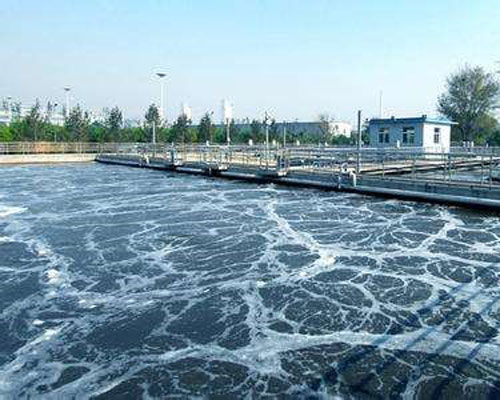
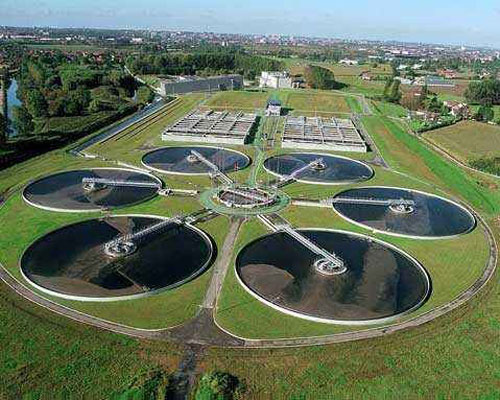
In solid-liquid separation processes, Polyacrylamide serves as a primary coagulant aid and sludge dewatering flocculant. Increasingly stringent environmental discharge standards require rapid sedimentation, clear supernatant overflow, and high cake solids content.
Sub-Sector Solutions: Municipal municipal plants, tannery effluent, papermaking wastewater, citric acid recovery, vegetable protein extraction, pharmaceutical waste, and incense manufacturing. CPAM and APAM grades maximize dewatering efficiency across centrifuges, belt filter presses, and plate-and-frame units.
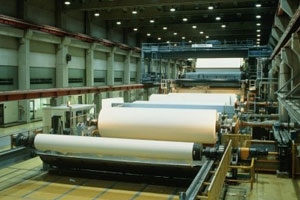
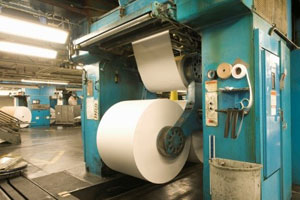
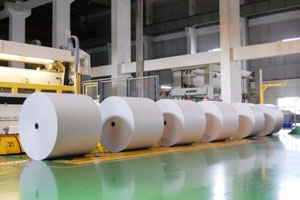
Polymer powders perform multifunctional roles in high-speed paper machinery wet-end chemistry:
In upstream petroleum operations, Polyacrylamide functions as an essential rheology modifier and fluid-loss control agent. It exhibits shear stability and thermal resistance under challenging downhole parameters.
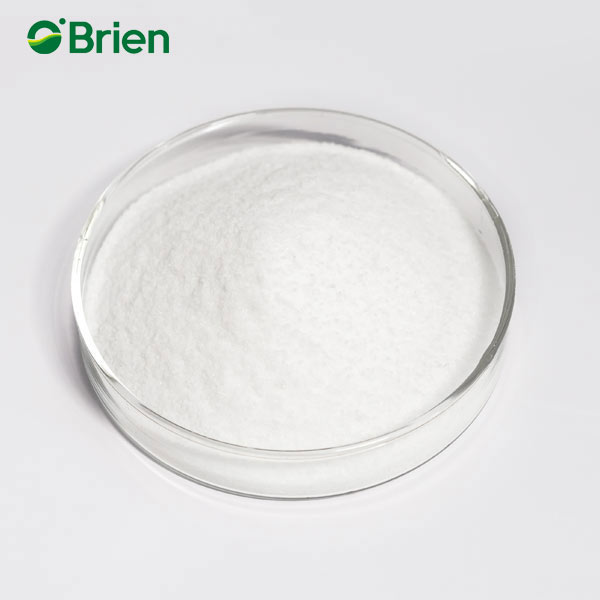

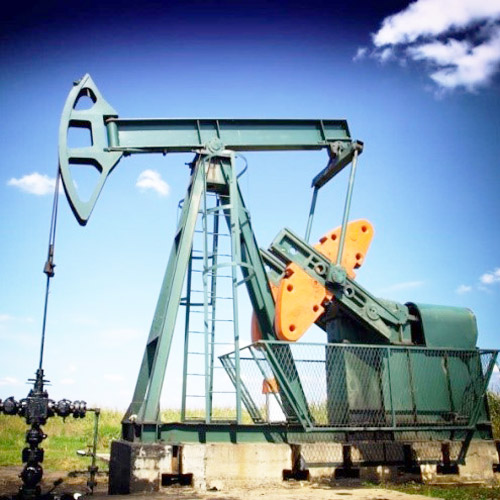

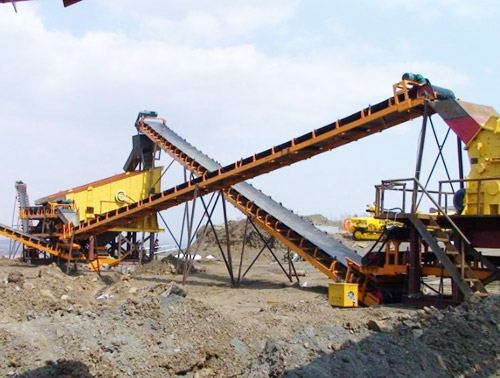

Our complete series of Nonionic, Anionic, and Cationic polymers provides engineered solutions across diverse hydrometallurgical operations:
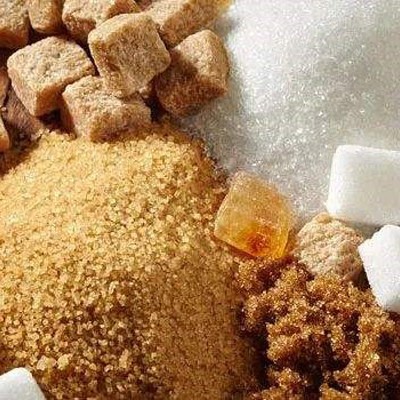
Sugar Refining Industry: Food-grade PAM assists in the clarification and juice flotation stages of sugarcane and sugar beet processing, removing suspended solids without leaving hazardous residues.
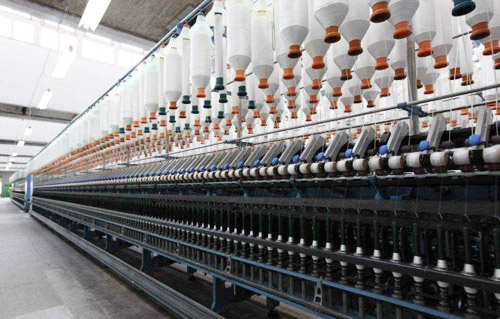
Textile & Dyeing Industry: Used as a warp sizing agent, fabric finishing enhancer, and treatment aid for color removal in highly concentrated dye effluent stream decolorization units.
Dedicated to technical excellence, global compliance, and client satisfaction
A leading worldwide Polyacrylamide manufacturer utilizing patented biological production processes. Reinvesting continuous R&D capital annually to drive technical innovation.
Global supply chain integration sourcing raw materials from top producers like SINOPEC and Eni. Automated lines comply with ISO9001, featuring 3-stage QA batch testing before dispatch.
Decades of focused manufacturing expertise delivering cost-competitive solutions. Dedicated technical teams assist in product selection, lab jar testing, and process optimization.
Our chemical engineering support spans pre-sales consulting, baseline jar testing, plant trial support, and post-sales optimization to ensure ideal polymer performance.
Moisture-proof, durable packaging configuration designed for international sea freight and long-term storage
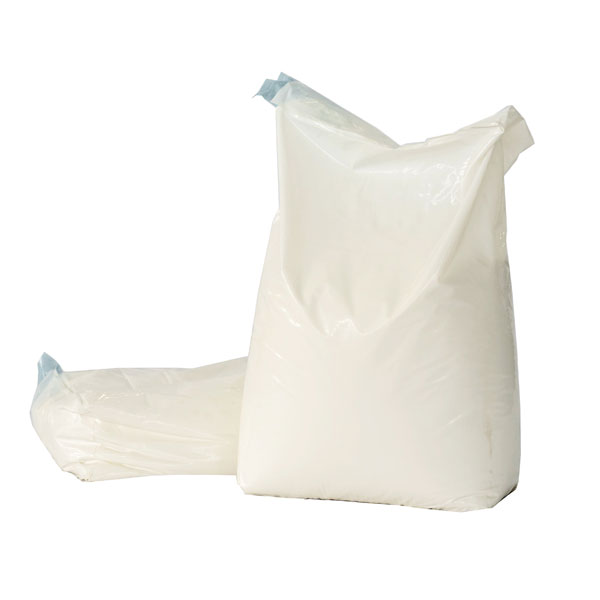
Neutral 25kg PE/PP woven bags with moisture-proof inner plastic liner.
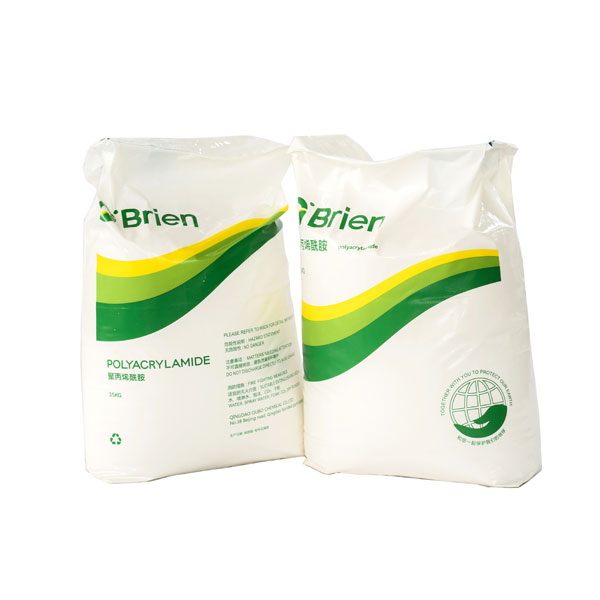
Standard English printed export packaging customized with specification labels.
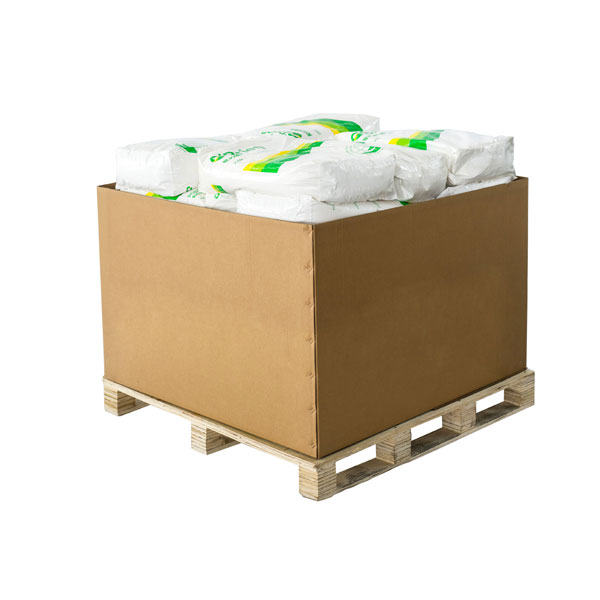
750kg – 1000kg Jumbo ton bags for high-volume mining and industrial consumers.
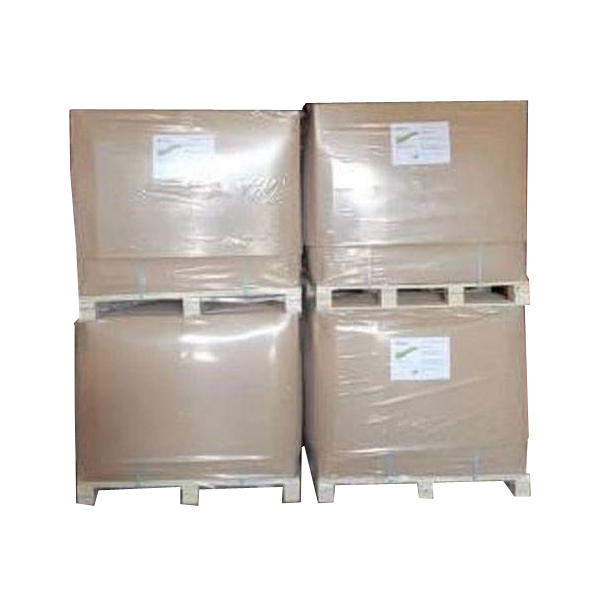
ISPM-15 compliant fumigated or plastic pallets wrapped with protective stretch film.
Direct supply options for specialized waste streams and industrial processing applications
Expert insights on polyacrylamide selection, storage, preparation, and application performance
Product selection depends on the zeta potential and surface charge of the suspended solids. Inorganic suspensions (clay, silica, metal oxides) generally respond best to Anionic PAM. Organic sludge (municipal sewage, food processing, biological biomass) carries a negative charge and requires Cationic PAM. Nonionic PAM is suited for complex acidic media or high-salinity brines.
Biocatalytic enzymatic synthesis operates under mild reaction conditions without copper catalysts. This produces higher molecular weight distributions and reduces hazardous residual acrylamide monomer (AMD) down to below 0.05% (500 ppm), which is essential for municipal water safety standards.
Polymer dry powders must be dispersed evenly into water under low-shear mechanical agitation at concentrations between 0.1% and 0.3%. Dissolution water temperature should ideally range between 20°C and 40°C. Avoid high-shear impellers or centrifugal transfer pumps, as high shear can break the polymer molecular chain and reduce flocculation strength.
In original sealed moisture-proof packaging stored in a dry, cool warehouse, powdered PAM remains stable for 24 months. Once dissolved into an aqueous solution, Anionic and Nonionic PAM maintain effectiveness for 5 to 7 days, whereas Cationic PAM solutions degrade faster and should be consumed within 24 to 48 hours for optimal performance.
If the cationic charge density is too low, flocs will remain soft and bind excessive water, resulting in low cake dryness. Conversely, an over-charged polymer can lead to charge reversal and re-dispersion of the sludge. Our technical team conducts laboratory jar testing to pinpoint the precise charge density (5% to 80%) for your sludge matrix.
Yes. Oubo Chemical provides neutral blank-bag packaging, custom client-branded 25kg bags, and 750kg/1000kg jumbo ton bags. As an ISO9001 certified manufacturer with a 50,000 MT annual capacity, we offer custom molecular weight targeting and tailor-made ionic charge specifications.
 Oubo Chemical