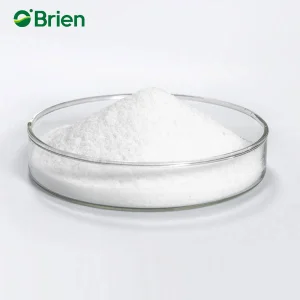
High cationicity polymer engineered for rapid sludge dewatering, organic wastewater clarification, and industrial liquid-solid separation.
View Product Details & MSDS
Ultra-high molecular weight anionic polyacrylamide formulated specifically for complex petrochemical and mineral effluents.
View Product Details & MSDS
Industrial-grade APAM powder offering superior flocculation efficiency in high-turbidity water systems and soil stabilization.
View Product Details & MSDS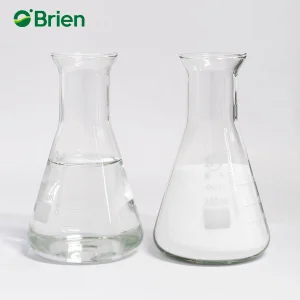
Food-contact compliant grade PAM flocculant designed for juice clarification, sugar refining, and food plant wastewater.
View Product Details & MSDS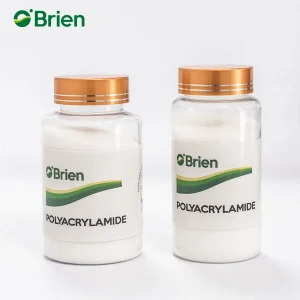
Optimized charge density CPAM for centrifuge, belt filter press, and screw press dewatering in municipal and industrial plants.
View Product Details & MSDS
Pure non-ionic polymer matrix featuring exceptional stability across acidic and neutral pH media for specialized industrial separation.
View Product Details & MSDS
Specifically synthesized to maintain high viscosity and bridging efficacy in harsh acidic effluents and electroplating waste.
View Product Details & MSDS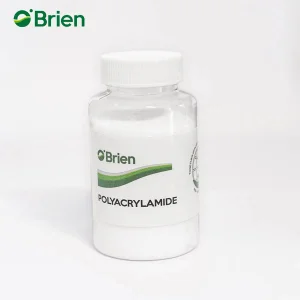
Advanced retention and drainage additive for paper mills, enhancing fiber binding, sheet strength, and machine speed efficiency.
View Product Details & MSDSFounded in 2011 within the Qingdao Free Trade Zone, China, Qingdao Oubo Chemical Co., Ltd. has established itself as an authoritative global leader in the synthesis, application development, and export of water-soluble polymers. Operating under strict ISO9001:2008 quality management frameworks, Oubo Chemical maintains a continuous annual growth rate exceeding 10%, with annual production capacity breaking through 50,000 Metric Tons.
Our commitment extends beyond polymer chemistry; we prioritize environmental stewardship and safety standard compliance across every stage of synthesis. Utilizing patented biological enzymatic synthesis techniques, Oubo produces high-purity Polyacrylamide (PAM, CAS 9003-05-8) with ultra-low residual acrylamide monomer (AM) levels, serving clients in over 60 countries across municipal water treatment, enhanced oil recovery, mining, paper manufacturing, and textiles.
Our global supply chain partners include chemical giants such as SINOPEC and Eni. Every manufacturing line is fully automated, with strict 3-stage QC verification for batch consistency, purity, and dissolution rate.
Polyacrylamide (PAM) is a high-molecular-weight linear polymer formed by the polymerization of acrylamide monomers. While pure high-molecular-weight polyacrylamide is chemically non-toxic and environmentally benign, understanding the chemical Safety Data Sheet (MSDS / SDS) under GHS standards is vital for workplace safety, handling, storage, and residual monomer control.
| Parameter / Parameter Category | Anionic PAM (APAM) | Cationic PAM (CPAM) | Nonionic PAM (NPAM) |
|---|---|---|---|
| CAS Registration Number | 9003-05-8 / 25085-02-3 | 69418-26-5 / 35429-19-7 | 9003-05-8 |
| Molecular Weight (Million Daltons) | 6.0 - 25.0 Million | 5.0 - 12.0 Million | 3.0 - 15.0 Million |
| Ionic Degree / Charge Density | 5% - 60% (Hydrolysis) | 10% - 80% (Cationicity) | 0% - 5% (Neutral) |
| Solid Content (%) | ≥ 88% Min | ≥ 88% Min | ≥ 88% Min |
| Residual Acrylamide Monomer | ≤ 0.05% (500 ppm max) | ≤ 0.05% (500 ppm max) | ≤ 0.05% (500 ppm max) |
| Dissolution Time (Minutes) | ≤ 60 Mins (in water) | ≤ 60 Mins (in water) | ≤ 90 Mins (in water) |
| Insoluble Matter | ≤ 0.2% Max | ≤ 0.2% Max | ≤ 0.2% Max |
| Appearance & Form | White Fine Granule / Powder | White / Off-White Granule | White Fine Granule / Powder |
Polyacrylamide powder is classified as a non-hazardous solid under GHS standards. It causes no systemic toxic reaction upon skin contact. However, fine powder dust can cause mild mechanical eye irritation and respiratory tract irritation. Slurries dissolved in water create extremely slippery floor hazards.
Store in cool, dry, well-ventilated conditions between 0°C and 35°C. Polymer granules are hygroscopic and must be sealed against moisture. Avoid dust generation. Local exhaust ventilation is recommended during bulk dissolving operations to comply with industrial dust limits.
DO NOT flush spills directly with water, as PAM creates a highly slippery hydrogel. Vacuum or sweep dry powder into labeled containers. Clean remaining residues by applying sand, absorbent clay, or spraying dilute bleach solution prior to high-pressure washing.
Traditional chemical nitrile hydration methods for producing acrylamide monomer rely on copper catalysts, leaving trace heavy metal impurities and high energy overheads. Oubo Chemical utilizes patented biological microbial catalyst technology (Rhodococcus rhodochrous enzymes). This method achieves a monomer conversion rate exceeding 99.9%, drastically lowering toxic residuals and eliminating heavy metals—enabling safer MSDS profiles and eco-friendly manufacturing.
As oilfields reach mature recovery phases worldwide, Enhanced Oil Recovery (EOR) requires polymers capable of maintaining structural stability under high temperature, high salinity, and high shear forces. Our technical roadmap has yielded hyper-branched, salt-resistant APAM with molecular weights reaching 25 Million Daltons, delivering enhanced sweep efficiency in offshore and deep reservoir extractions.
Municipal wastewater discharge norms across North America, Europe, and Asia-Pacific have tightened sludge moisture content mandates (requiring cake moisture < 75-80%). This structural shift has accelerated demand for high-charge Cationic Polyacrylamide (CPAM) dry powders and emulsions that deliver dense flocs and fast dewatering dynamics.
Oubo Chemical actively invests over €2 million per year into low-carbon synthesis processes, reducing energy consumption per ton by 18% and advancing bio-based monomer research.
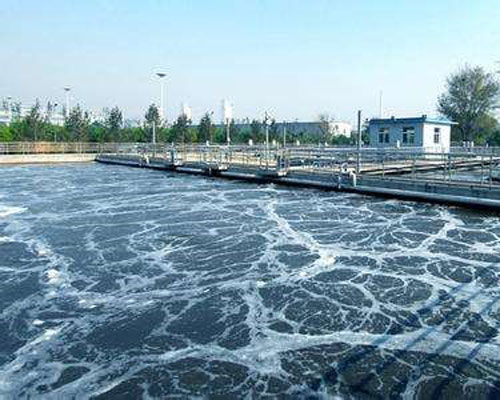
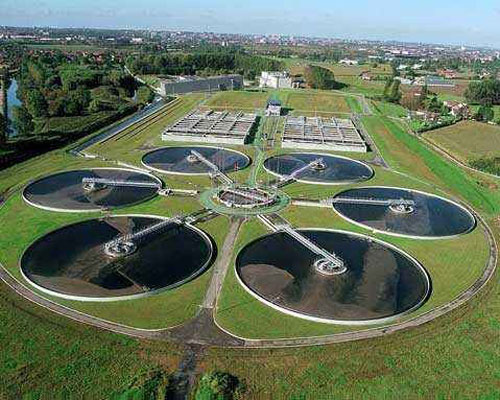
Polyacrylamide acts as a primary coagulant aid and flocculant for solid-liquid separation. In municipal plants, CPAM neutralizes negatively charged organic sludge particles, promoting rapid aggregation during centrifuge or belt-press dewatering. APAM effectively clarifies mineral suspension in heavy industry.
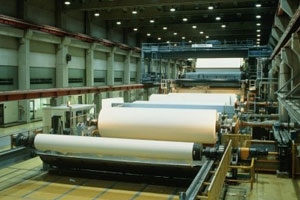
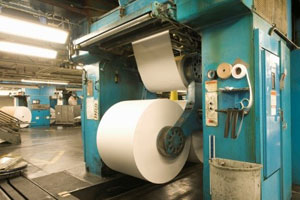
In the paper industry, cationic and anionic PAM perform as retention aids, drainage accelerators, and dry-strength additives. CPAM captures fine fibers and fillers (titanium dioxide, calcium carbonate), while APAM binds fiber hydroxyl groups to improve burst and tensile strength.
Polyacrylamide serves as a rheology modifier, shale inhibitor, and friction reducer in oilfield drilling muds and hydraulic fracturing fluids. In Tertiary Enhanced Oil Recovery (EOR), high molecular weight APAM increases water phase viscosity, improving sweep mobility ratios.

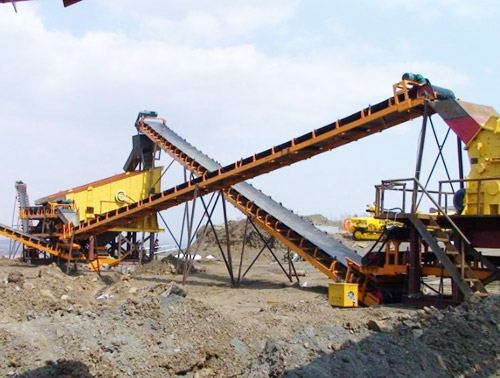
Essential for coal washing tailings, alumina red mud settling, gold, silver, iron, and copper ore dressing. APAM accelerates settling rates in thickener tanks, recycling clean overflow water back into processing circuits while consolidating tailings.

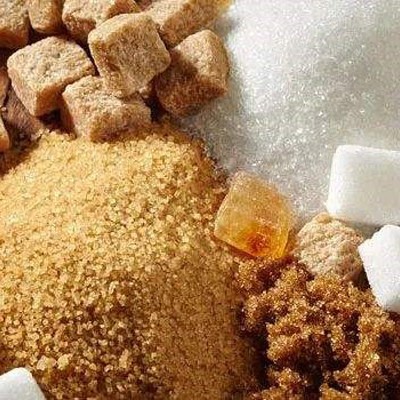
In sugarcane and sugar beet juice clarification, food-grade Anionic PAM precipitates non-sugar impurities, insoluble suspended matter, and heavy muds quickly, yielding clear syrup and boosting sugar extraction yields.
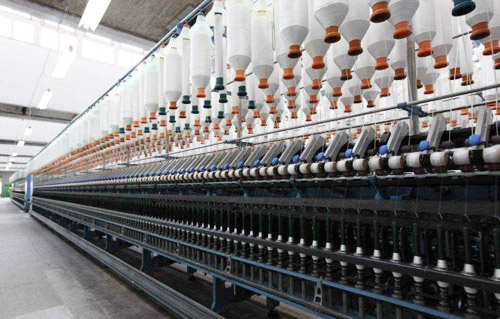
Polyacrylamide acts as a warp sizing agent, preventing fabric fluff and yarn breakage during high-speed weaving. Furthermore, specialized CPAM decolorizes intense textile dye wastewater by flocculating dissolved dyestuffs.

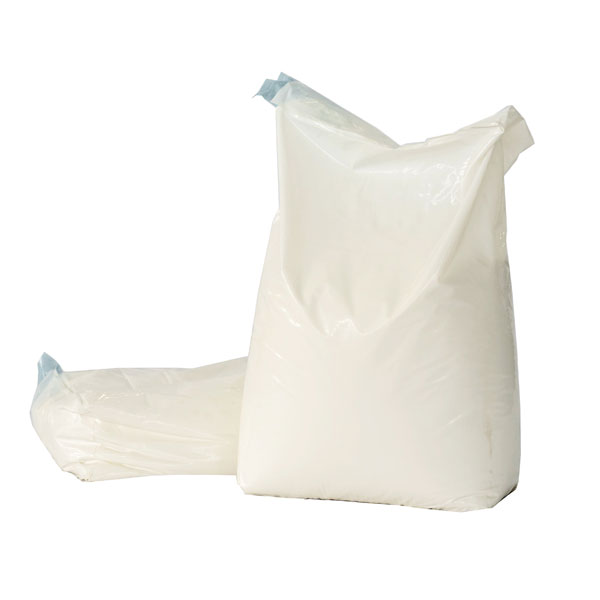
25kg multi-wall kraft paper or PE bags with inner plastic liner, ideal for private label distributors.
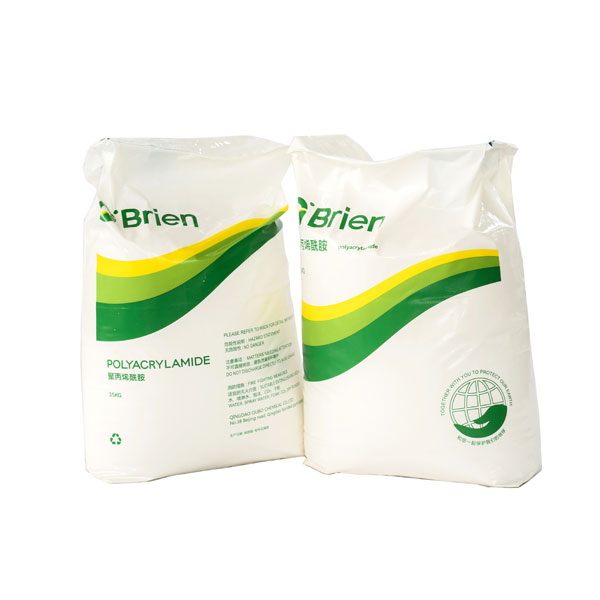
Standard export bags printed with O'Brien brand specifications, lot number, and GHS compliance data.
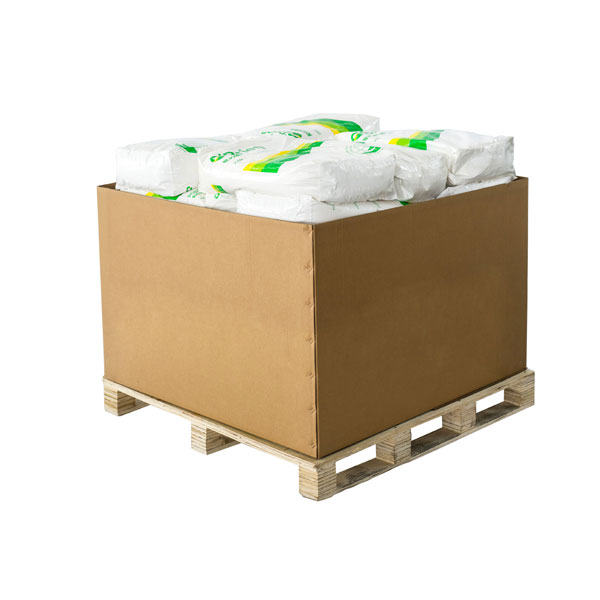
Heavy-duty bulk bags equipped with bottom discharge spouts for high-volume mining and oilfield operations.
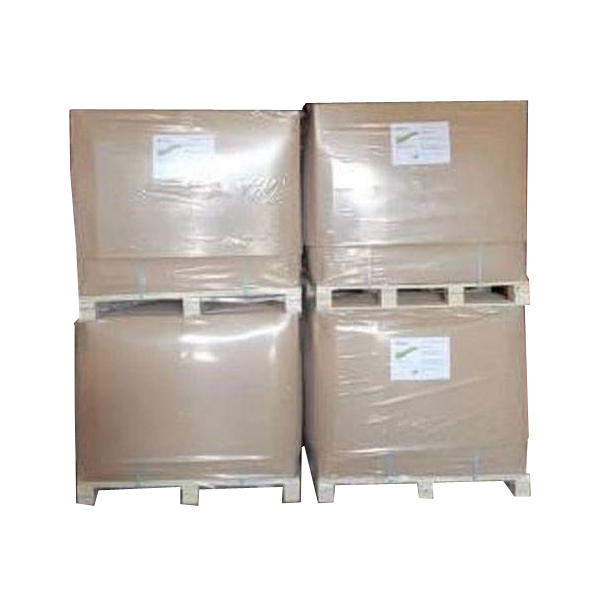
Fumigated wooden or plastic pallets, shrink-wrapped with corner boards to ensure 100% moisture barrier during ocean transport.
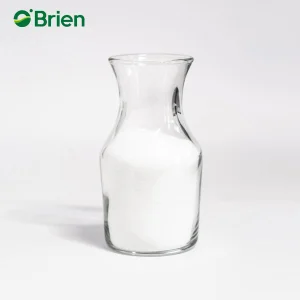
High performance anionic flocculant designed for primary clarification and inorganic solids sedimentation.
View Product Details & MSDS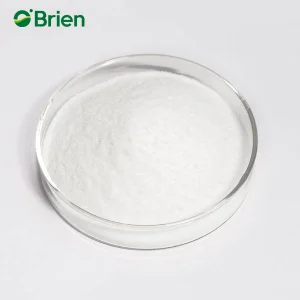
Specially synthesized nonionic polymer for fast coal slurry settling and tailing filtration.
View Product Details & MSDS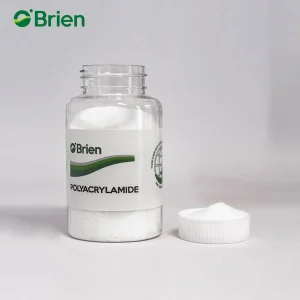
Uncharged polyacrylamide matrix optimized for acidic copper, gold, and alumina leach liquor flocculation.
View Product Details & MSDS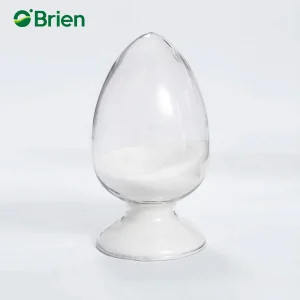
Versatile cationic powder flocculant offering quick bridging and micro-floc formation in biological sludge.
View Product Details & MSDS
High charge cationic polyacrylamide formulated for reactive dye coagulation and textile effluent clarification.
View Product Details & MSDS
High-viscosity non-ionic drilling fluid additive providing superior shear stability and fluid loss control.
View Product Details & MSDS
Dual-action paper additive strengthening inter-fiber hydrogen bonding and improving burst indices.
View Product Details & MSDS
Bulk supply of anionic PAM polymers synthesized via eco-friendly biological methods with guaranteed quality metrics.
View Product Details & MSDS Oubo Chemical