Industrial grade anionic, cationic, and nonionic polyacrylamide solutions engineered for superior solids-liquid separation performance.
An authoritative analysis of chemical syntheses, global consumption trends, and polymer engineering breakthroughs.
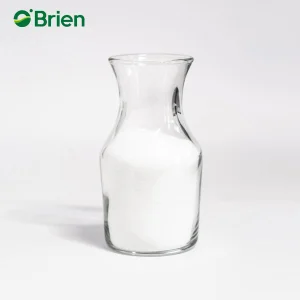
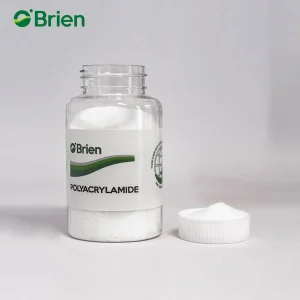
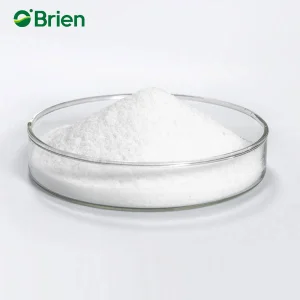
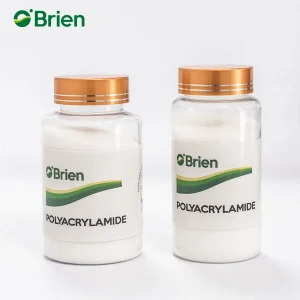
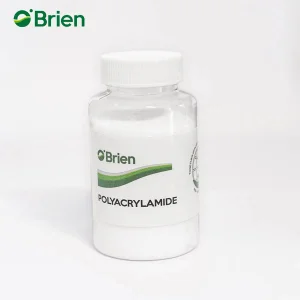
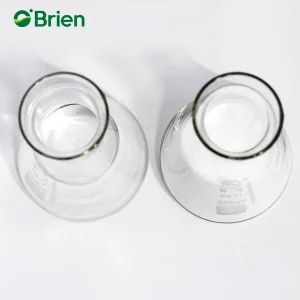
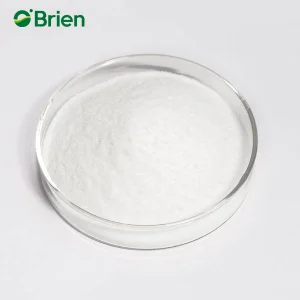
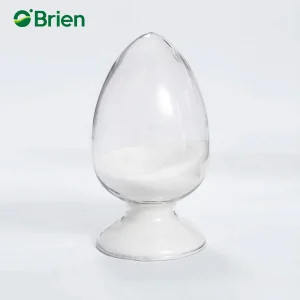
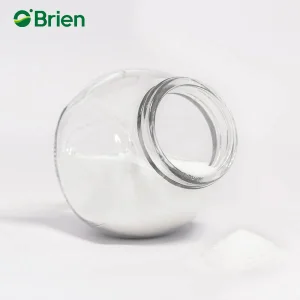
Polyacrylamide (CAS 9003-05-8) is a synthetic, high-molecular-weight water-soluble polymer composed of acrylamide subunits. Available globally as a high-purity white powder, granular chemical, or concentrated emulsion, Polyacrylamide (PAM) serves as an irreplaceable functional additive across modern heavy industries. Its supreme capability to alter liquid viscosity, facilitate rapid flocculation of suspended solids, reduce fluid friction, and modify surface charges makes it a cornerstone chemical in municipal water purification, industrial effluent remediation, oilfield enhanced recovery (EOR), mineral refining, and papermaking processes.
The global Polyacrylamide market is expanding exponentially, driven by stringent environmental regulations worldwide regarding industrial wastewater discharge, rising clean water scarcity, and the intensification of deep-well oil production. Valued at over USD 5.8 Billion globally, China stands as the premier hub for high-capacity, technological-grade Polyacrylamide manufacturing. Leading chemical producers like Qingdao Oubo Chemical Co., Ltd. leverage advanced bio-catalytic polymerization techniques to deliver ultra-high molecular weight PAM powders with minimal monomer residuals (<500 ppm), setting worldwide benchmarks for chemical purity, consistency, and cost-efficiency.
Leading the world in biological polyacrylamide synthesis, precision quality assurance, and global chemical logistics.
Qingdao OUBO Chemical Co., Ltd. is a global leader in Polyacrylamide manufacturing. We utilize patented biological enzymatic synthesis to produce high-purity acrylamide monomers, reinvesting €2 million annually into R&D for cutting-edge technical advancement.
Supported by a robust global supply chain with raw materials sourced from Tier-1 producers such as SINOPEC and Eni. Operating automated production lines certified under ISO9001:2008, where every batch undergoes rigorous 3-stage QC testing prior to shipment.
With over a decade of dedicated polymer production experience, our technical teams integrate seamlessly into your pre-sales, sales, and post-sales processes—assisting in product selection, lab jar testing, and field optimization.
We provide full-spectrum dosage engineering and chemical adaptation consulting. Our chemists ensure you select the precise ionic type and molecular weight optimal for your specific sludge matrix or fluid system.
Understanding the structural mechanics of Anionic, Cationic, and Nonionic Polyacrylamide white powders.
| Polymer Type | Ionic Charge Range | Molecular Weight (Million) | Primary Industrial Function | Key Application Sectors |
|---|---|---|---|---|
| Anionic PAM (APAM) | 5% - 60% Hydrolysis | 6 - 25 Million | Bridging Flocculation, Charge Neutralization, Drag Reduction | Municipal Wastewater, Coal Washing, Paper Dry Strength, EOR |
| Cationic PAM (CPAM) | 5% - 80% Ionicity | 3 - 12 Million | Bio-sludge Dewatering, Charge Neutralization of Negatively Charged Colloids | Urban Sewage Dewatering, Textile Dyeing, Tannery & Paper Retention |
| Nonionic PAM (NPAM) | < 3% (Neutral) | 5 - 15 Million | Selective Flocculation in Acidic Mediums, Thickening, Stabilizing | Acidic Industrial Wastewater, Tailings Dewatering, Soil Stabilization |
The performance of white powder polyacrylamide hinges upon two vital physical properties: Molecular Weight (MW) and Charge Density (Degree of Hydrolysis or Cationicity).
When dissolved in water, the polymer chains uncoil, exposing active functional groups (acrylamide, acrylate, or cationic monomers such as DAC or DMC). In suspended solids, these long-chain molecules absorb onto the surface of multiple micro-particles simultaneously through hydrogen bonding or charge attraction, creating massive agglomerations known as flocs. These flocs rapidly precipitate out of solution, facilitating crystal-clear liquid separation and dense sludge cake formation during filtration or centrifugation.
Comprehensive polymer applications across primary global industrial vertical markets.
Essential flocculant for municipal sewage treatment, industrial effluent clarification, and sludge dewatering. Speeds up sedimentation rates in primary and secondary clarifiers, while producing drier filter cakes in belt presses, screw presses, and centrifuges for leather, paper, citric acid, and pharmaceutical plants.
Acts as an advanced retention agent, drainage aid, and dry/wet strength enhancer. Neutralizes anionic trash in the wet end, improves short-fiber retention, reduces raw material loss, enhances sheet uniformity, and optimizes white water closed-loop recycling systems.
Crucial additive for Enhanced Oil Recovery (EOR), profile modification, water-shutoff treatments, slickwater fracturing fluid friction reduction, and drilling mud viscosity control. Improves sweep efficiency under high-temperature and high-salinity reservoir conditions.
Enables ultra-fast liquid-solid separation in coal washing, mineral tailing thickening, and slurry filtration. Optimized for gold, silver, iron, copper, alumina, and nickel refining, ensuring high water recovery and environmentally safe dry-stack tailings disposal.
Functions as a sizing agent, finishing auxiliary, and color de-flocculant for textile dye wastewater. Rapidly precipitates complex organic dyes, reduces Chemical Oxygen Demand (COD), and clarifies process water for reuse.
Applied in sugarcane and sugar beet juice clarification and flotation. Food-grade low-residual acrylamide formulations accelerate juice settling, enhance sugar yield, and meet international food chemical safety standards.
Leading the shift toward sustainable chemistry, bio-based monomers, and smart auto-dosing systems.
The polymer synthesis industry is undergoing a structural evolution driven by decarbonization, energy efficiency, and digital dose automation. Qingdao Oubo Chemical Co., Ltd. remains at the forefront of these global technological shifts:
Transitioning from traditional chemical hydration to 3rd-generation bio-catalytic acrylamide production. This process operates at ambient temperatures without copper catalysts, drastically lowering carbon emissions and yielding zero toxic chemical byproducts.
Advanced post-polymerization technologies reduce residual acrylamide monomer (AMD) levels to under 100 ppm, enabling safe application in sensitive potable water treatment and direct food-contact paper manufacturing.
Partnering with global engineering firms to integrate real-time turbidity, zeta potential, and sludge mass sensors with automated dry powder dissolvers, reducing chemical consumption by up to 25% while stabilizing discharge quality.
Export-ready packaging formats engineered to prevent moisture ingress and preserve powder solubility.
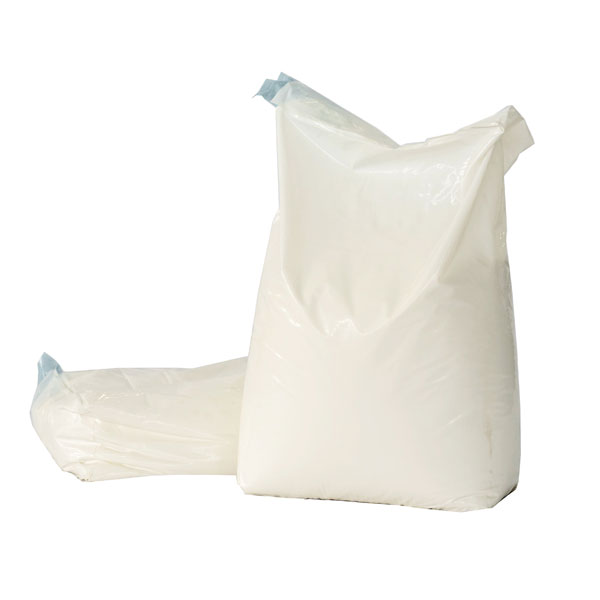
25kg craft paper or PE bags without logo, ideal for local distributors and private labeling OEM orders.
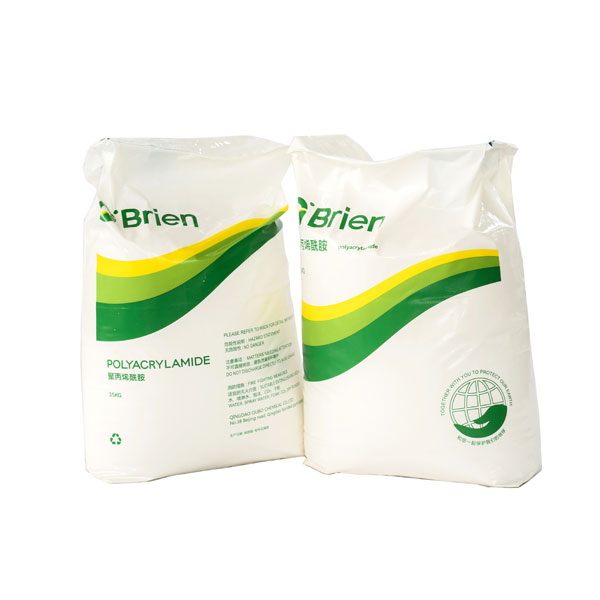
Heavy-duty multi-wall moisture-proof 25kg bags with PE inner liner, ensuring 24-month shelf life stability.
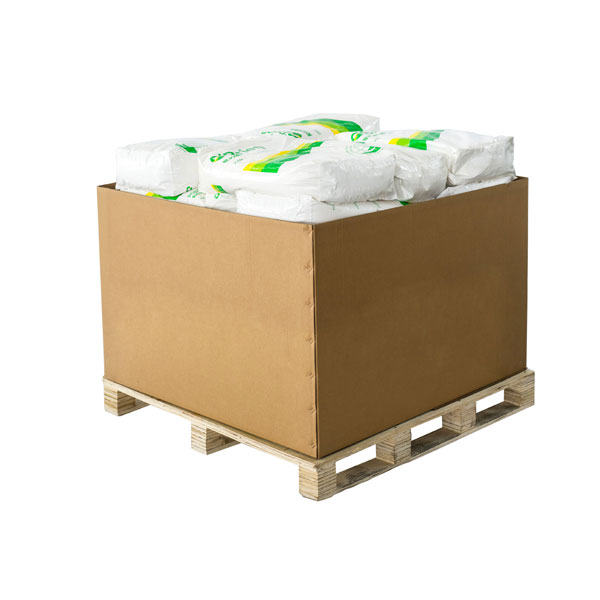
High-capacity woven super sacks with bottom discharge spouts, designed for automated industrial dissolution plants.
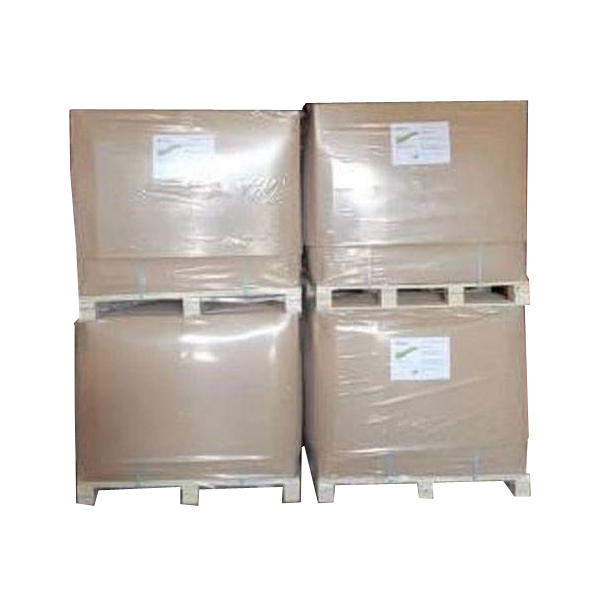
ISPM-15 compliant fumigated pallets, cross-strapped and stretch-wrapped for sea container freight protection.
Expert insights on polymer preparation, dosage optimization, and storage management.
Polyacrylamide powder must be slowly sprinkled into a agitated water vortex (concentration between 0.1% to 0.3%). Use clean tap water at neutral pH (15°C to 40°C). Avoid intense high-speed shear mixers after dissolving to prevent molecular chain scission. Dissolution typically requires 45 to 60 minutes of continuous mechanical stirring at 200–400 RPM.
Anionic Polyacrylamide (APAM) carries a negative electrical charge and excels in flocculating inorganic suspended solids (e.g., mineral tailings, clay, sand, metallic salts). Cationic Polyacrylamide (CPAM) carries a positive charge, making it ideal for dewatering organic bio-sludge (e.g., municipal sewage, food processing waste) by neutralizing the natural negative surface charge of organic cells.
Dry powder polyacrylamide has a shelf life of 24 months when stored in original unopened, air-tight packaging in a cool, dry, well-ventilated warehouse below 35°C. Keep away from direct sunlight, moisture, and heat. Liquid stock solutions, once prepared, should be consumed within 24 to 48 hours for optimal viscosity retention.
The biological enzymatic synthesis method utilizes nitrile hydratase enzymes to convert acrylonitrile to acrylamide. Unlike traditional copper-catalyzed hydration, the bio-method produces ultra-pure monomers with zero copper ions, lower organic impurities, narrower molecular weight distribution, and vastly improved polymer water-solubility.
Select specialized polyacrylamide grades engineered for your specific industrial application demands.
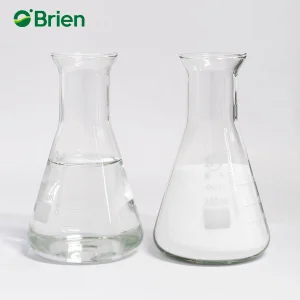
 Oubo Chemical