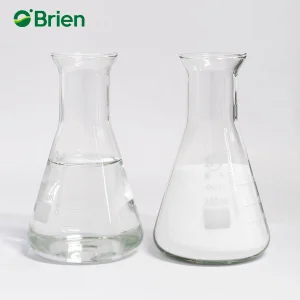
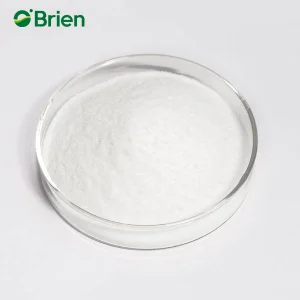
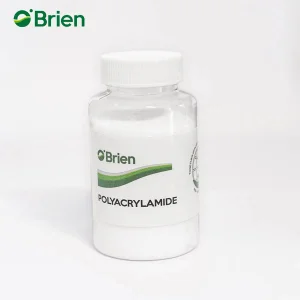
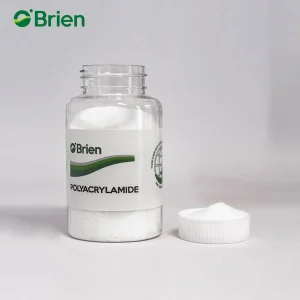
Premium grade Cationic, Anionic, and Nonionic Polyacrylamide formulations engineered for high-performance drilling fluids, wastewater treatment, and industrial processes.
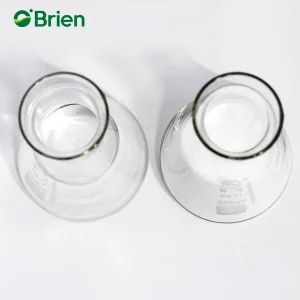
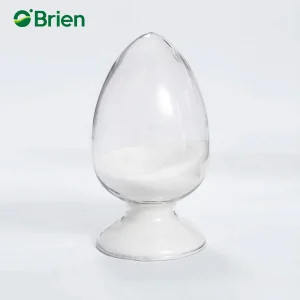
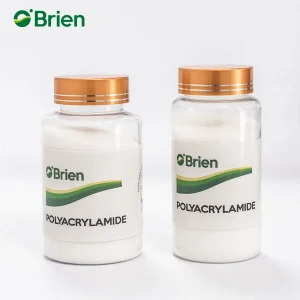
An in-depth technical analysis of chemical rheology, fluid loss control mechanisms, and market dynamics shaping modern drilling chemistry.
Polyacrylamide (PAM), particularly Hydrolyzed Polyacrylamide (HPAM) and specialized copolymers, serves as the operational backbone of modern drilling mud formulations, Enhanced Oil Recovery (EOR) floods, and hydraulic fracturing fluids. As oil and gas exploration pushes into deeper geological formations, high-temperature high-pressure (HTHP) reservoirs, and complex unconventional shale plays, the rheological stability of drilling fluids becomes paramount.
In drilling mud systems, PAM operates primarily as a high-efficiency viscosifier, shale hydration inhibitor, friction reducer, and fluid loss control agent. By forming a sophisticated polymer network within the drilling fluid, PAM encapsulates drill cuttings, prevents clay swelling in reactive shale formations, lubricates the drill string, and reduces dynamic fluid filtration into permeable oil-bearing zones.
Polyacrylamide (PAM) is a synthetic, water-soluble linear polymer produced through the polymerization of acrylamide monomers. Depending on chemical modifications and co-monomer incorporation, PAM manifests in four distinct ionic variations: Anionic (APAM), Cationic (CPAM), Nonionic (NPAM), and Mannich PAM. Its molecular weight ranges from 3 million to over 25 million Daltons, offering customizable shear resistance and hydrodynamic volume expansion.
Global leader in biological polyacrylamide synthesis, operating state-of-the-art automated production facilities in the Qingdao Free Trade Zone.
Oubo Chemical Co., Ltd was established in 2011, strategically located in the Free Trade Zone of Qingdao, China. Over the past decade, Oubo has maintained a consistent annual business growth rate of over 10%. Highly committed to product quality, technical innovation, and environmental sustainability, Oubo oversees polymer synthesis with stringent controls aimed at reducing ecological footprints during chemical production and field application.
The annual production capacity of Oubo Polyacrylamide broke through 50,000 Metric Tons in 2018. Our complete quality management framework is fully certified under ISO 9001:2008, ensuring every batch meets international petroleum engineering standards.
Qingdao Oubo Chemical utilizes cutting-edge biological methods (enzymatic polymerization) to synthesize acrylamide monomers and polyacrylamide polymers, backed by proprietary patented technologies. To maintain technical dominance, Oubo invests €2 hundred million annually into research and technical accumulation.
Our raw material supply chain is globally integrated, partnering exclusively with top-tier international chemical enterprises such as SINOPEC and Eni. All manufacturing lines are fully automated, and every production lot undergoes rigorous 3-stage quality control testing before release.
Leading global PAM manufacturer employing eco-friendly biological synthesis methods. Supported by €200M annual R&D investment for technical accumulation.
Fully automated production lines sourcing premium raw materials from SINOPEC and Eni. ISO 9001 certified with 3x batch testing by internal QC specialists.
Over a decade of dedicated PAM chemical engineering. Dedicated technical teams assist customers through pre-sales lab testing and field selection.
End-to-end technical backup across pre-sales evaluation, sample analytical testing, mud system formulation optimization, and site-level guidance.
Comprehensive technical metrics of Oubo Polyacrylamide polymers tailored for water-based drilling muds, EOR, and completion fluids.
| Polymer Type | Ionic Charge | Molecular Weight (Million) | Degree of Hydrolysis / Charge | Solid Content (%) | Primary Oilfield Function |
|---|---|---|---|---|---|
| Anionic PAM (APAM / HPAM) | Anionic (-) | 12.0 - 25.0 Million | 20% - 30% Hydrolyzed | ≥ 88% Powder | Viscosifier, EOR Polymer Flooding, Fluid Loss Reduction |
| Nonionic PAM (NPAM) | Non-ionic (Neutral) | 5.0 - 12.0 Million | 0% - 5% Hydrolyzed | ≥ 89% Powder | Shale Stabilizer, Salt-tolerant Fluid Loss Reducer |
| Cationic PAM (CPAM) | Cationic (+) | 8.0 - 15.0 Million | 10% - 60% Charge Density | ≥ 89% Powder | Clay Flocculant, Oily Wastewater & Dewatering Agent |
| AMPS Modified PAM | Anionic / Amphoteric | 8.0 - 18.0 Million | Custom Co-polymerized | ≥ 88% Powder | Ultra HTHP Resistance (≤160°C), High-Salinity EOR |
Explore how Oubo's chemical innovation powers critical industrial sectors worldwide—from deep-well oil exploration to municipal environmental engineering.
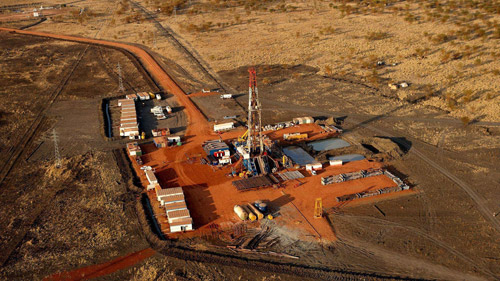
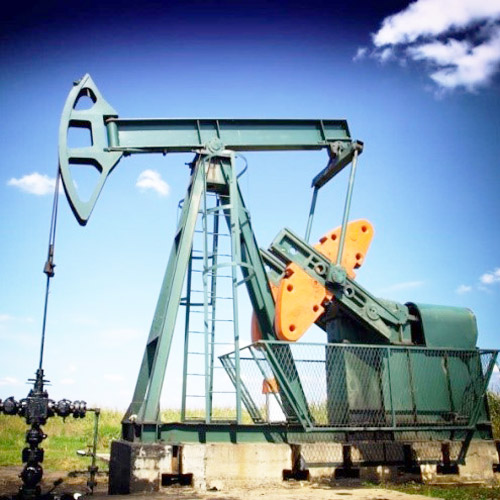
Polyacrylamide is widely used in oil exploration, profile control, plugging agent, drilling fluids, and fracturing fluids additives. For drop in drilling fluid loss, flocculation, shale inhibition, dilution, plugging, cooling and lubricating the drill bit and drill string, carrying debris, and cementing wells, it plays an indispensable role.
The major areas of application of Oubo products are:
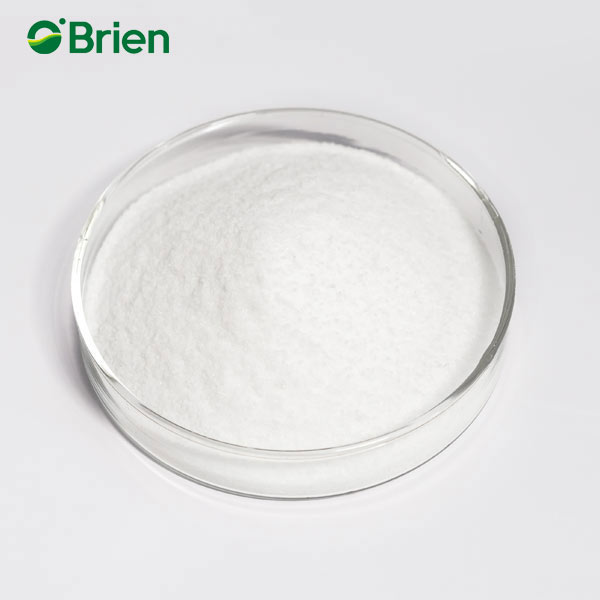
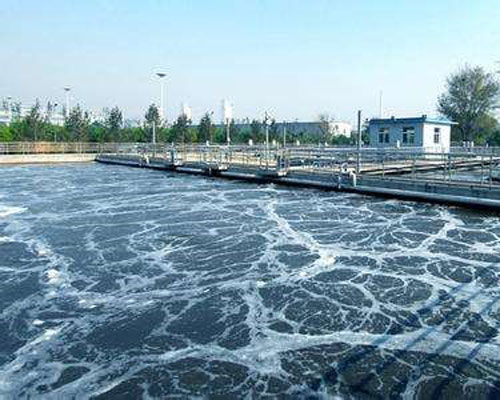
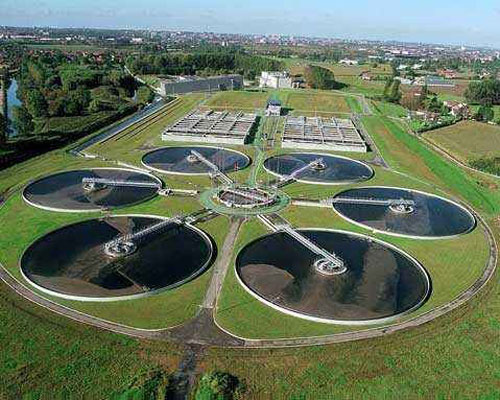
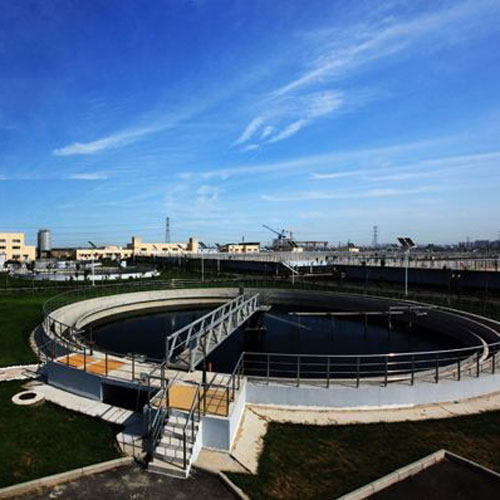
As a high-performance flocculating agent, PAM is mainly used in industrial solid-liquid separation processes, including settlement, clarification, concentration, and sludge dewatering processes. Polyacrylamide plays a pivotal role in municipal sewage treatment and industrial wastewater treatment. Increasingly stringent global environmental regulations promote the continuous adoption of advanced water treatment polymers.
For the municipal sewage treatment industry, Oubo polymers are also widely used in leather, paper making, citric acid, vegetable protein extract, dyeing, pharmaceutical, and incense industries. Major application sectors include Urban Sewage Treatment, Paper, Food Processing, Petrochemical, Metallurgical Processing, Dyeing, and Sugar refining.
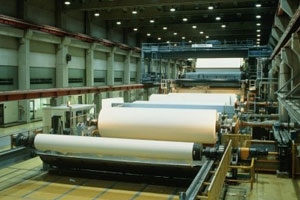
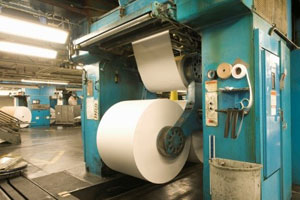
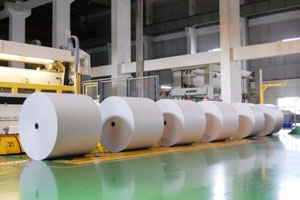
In the paper industry, Oubo Polyacrylamide functions as a dry strength agent, retention agent, and filter aid. PAM greatly improves paper quality, enhances physical sheet strength, and reduces fiber loss. Simultaneously, it is employed in white water treatment and deinking processes where it delivers superior flocculation performance.
Significantly improves the retention rate of short fibers, fillers, and additives, speeding up dewatering rates, enhancing paper quality, and lowering raw material consumption costs.
Neutralizes anionic charges on organic trash and tiny fibers, balancing wet-end chemistry and maximizing the efficiency of functional paper additives.
Fully ionized across the pH spectrum. Adsorbs directly onto pulp fibers to form ionic and covalent bonds between amide and hydroxyl groups, boosting sheet strength.
Promotes fiber dispersion at low dosages, perfecting paper appearance, pulp evenness, softness, and structural toughness.
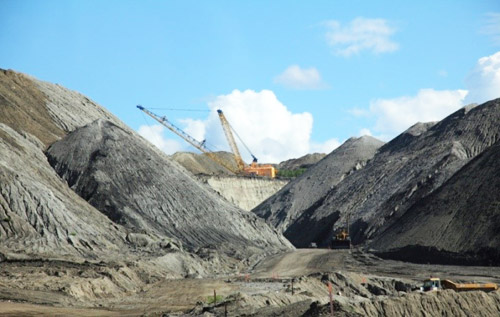
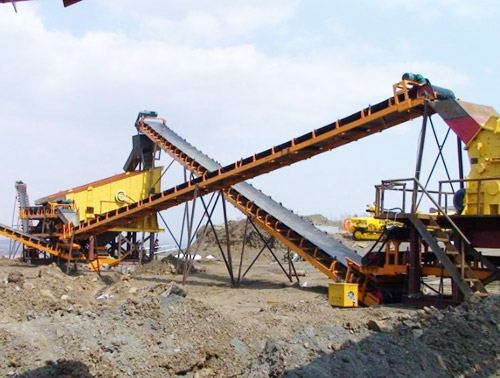
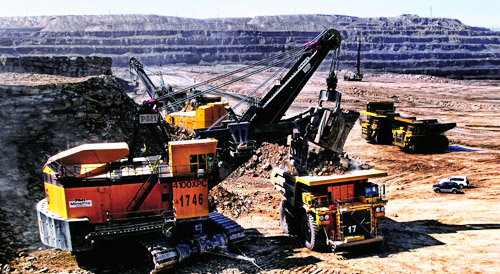
Polyacrylamide is extensively utilized across the mining sector. Beyond separating valuable minerals from gangue ore, PAM serves as a primary flocculant for tailing wastewater treatment and sealing underground mining conduits. Our full range of Non-ionic, Anionic, and Cationic polymers at varying molecular weights caters to diverse mineral operations:
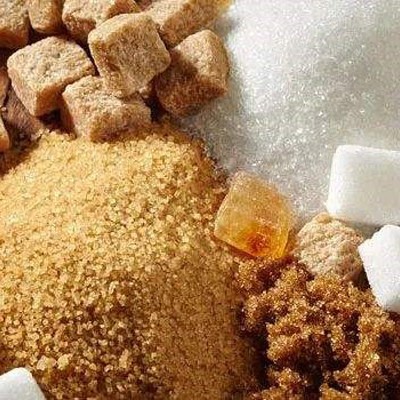
Polyacrylamide is utilized in juice clarification and flotation processes during sugar beet and sugarcane processing, efficiently removing impurities to yield high-clarity syrup.
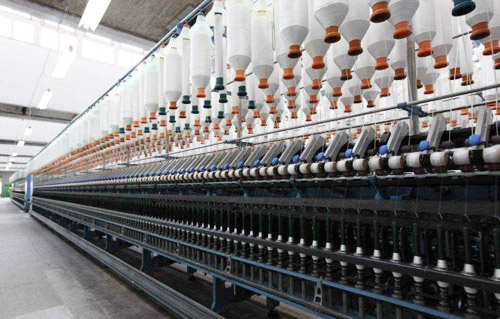
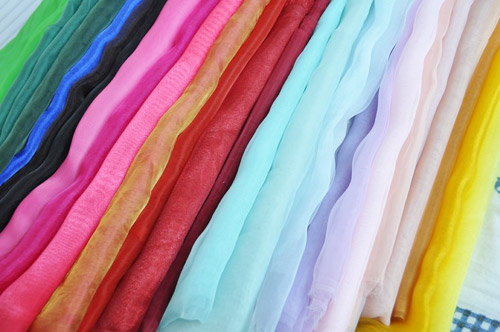
PAM serves as a high-grade textile sizing agent, finishing agent, and fabric treatment chemical, imparting anti-static properties, smooth sizing films, and superior fabric strength.

Understanding how molecular weight, carboxylate functional groups, and charge density govern drilling mud performance under geological stress.
Non-ionic and partially hydrolyzed polyacrylamide molecules adsorb onto exposed shale formations through hydrogen bonding and electrostatic attraction. By forming a protective polymeric film over reactive clay minerals (such as smectite and illite), PAM prevents water molecules from invading shale pore networks, effectively eliminating wellbore sloughing, bit balling, and hole collapse.
Ultra-high molecular weight HPAM expands into long-chain coiled polymers in aqueous solution. This structural chain entanglement dramatically raises low-shear-rate viscosity (LSRV), allowing drilling fluid to suspend high-density weighting agents like Barite ($BaSO_4$) and efficiently transport drilled cuttings up the annulus to the surface vibrating shakers.
PAM molecules interact with bentonite particles to establish a low-permeability, tough, thin filter cake along the wellbore wall. This prevents drilling fluid filtrate from invading pay zones, minimizing formation damage, protecting oil reservoirs, and stabilizing differential pressure across permeable formations.
Tailored chemical formulations designed for regional geographical challenges, reservoir salinity, and thermal gradients.
Challenge: Ultra-high formation salinity (up to 200,000 ppm TDS) and high temperature reservoir profiles (>130°C).
Solution: Oubo AMPS-modified polyacrylamide copolymers providing extreme thermal resistance and ion-tolerant viscosity stability.
Challenge: Rapid horizontal drilling requirements, complex hydraulic fracturing, and friction reduction in slickwater systems.
Solution: Fast-dissolving High-Molecular Weight APAM friction reducers delivering up to 75% drag reduction at lower dosages.
Challenge: Strict environmental marine discharge guidelines combined with reactive gumbo clay swelling.
Solution: Environmentally safe Nonionic and low-toxicity Cationic PAM systems for instant clay encapsulation and zero toxicity impact.
Robust moisture-proof packaging options ensuring chemical integrity during transoceanic shipping and remote oilfield storage.
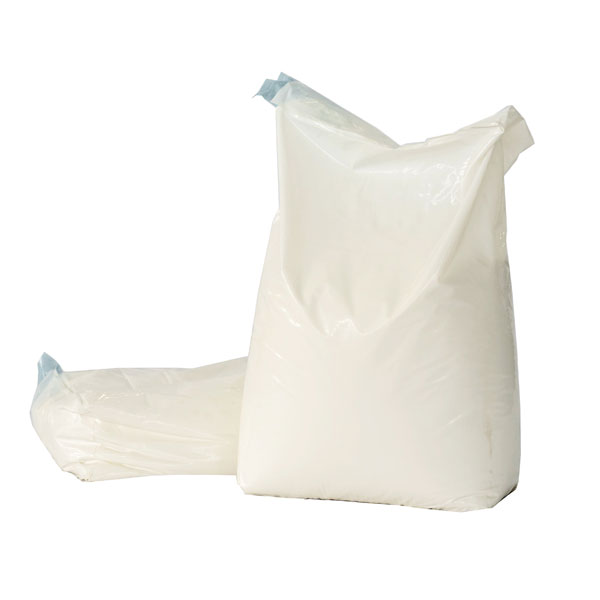
25kg multi-wall paper-plastic composite bags without print, suitable for OEM distribution.
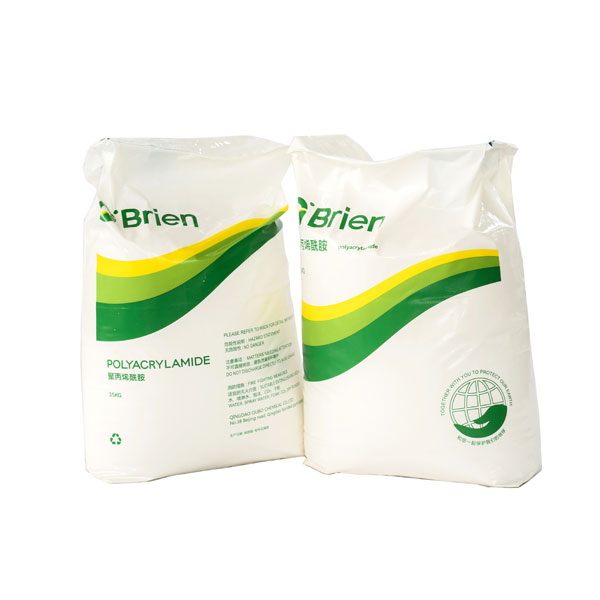
Standard O'brien branded 25kg PE lined moisture-barrier bags designed for export durability.
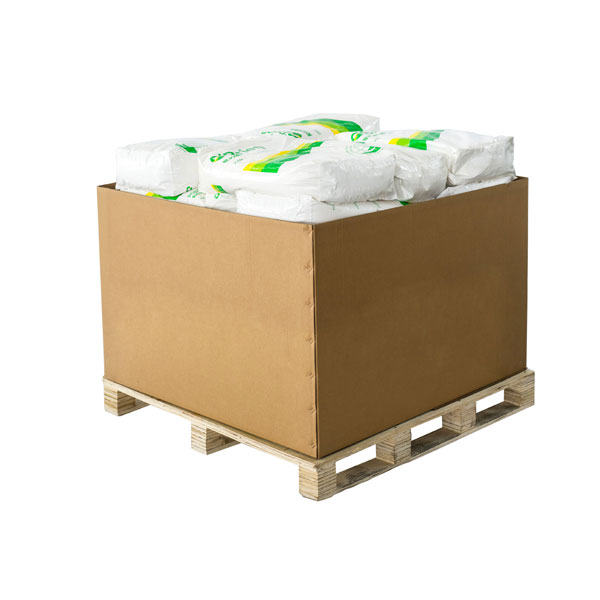
750kg - 1000kg Big Bags (FIBC) with bottom discharge spouts for high-volume automated mixing units.
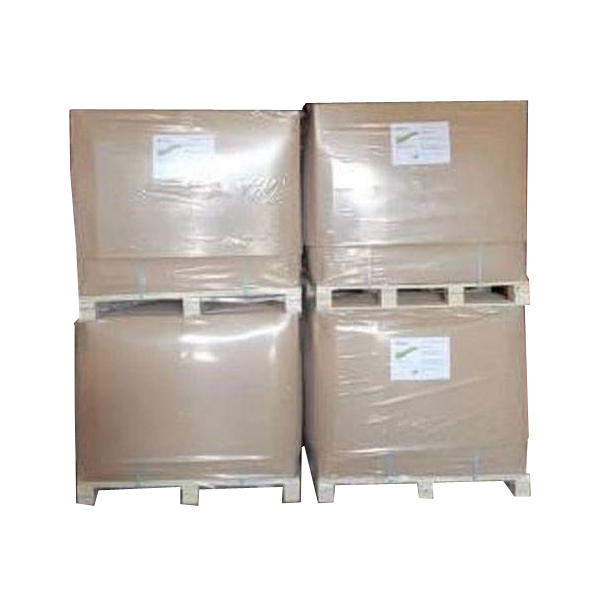
Fumigated wooden or plastic pallets fully shrink-wrapped for maximum stability during maritime transport.
Continuous chemical advancement driving eco-friendly, ultra-high temperature, and salt-resistant oilfield polymers.
Oubo Chemical is expanding its patented enzymatic biological production lines to lower carbon emissions during acrylamide monomer conversion. By eliminating high-temperature copper catalytic processes, biological routes yield purer monomers with zero toxic byproducts, aligning with global green energy objectives.
Next-generation HAPAM incorporates hydrophobic side chains into the polymer backbone. In aqueous solution, these hydrophobic groups aggregate into intra- and inter-molecular junctions, generating dynamic physical networks that provide superior thermal stability up to 150°C and strong shear recovery capability.
Direct answers from Oubo chemical engineers regarding product selection, mud preparation, storage, and order logistics.
Explore our full line of specialized APAM, CPAM, and NPAM products manufactured for oilfield exploration, sludge dewatering, paper making, and mineral processing.
 Oubo Chemical