Explore our core industrial grade Anionic, Cationic, and Nonionic Polyacrylamide solutions tailored for challenging solid-liquid separation and rheology control.
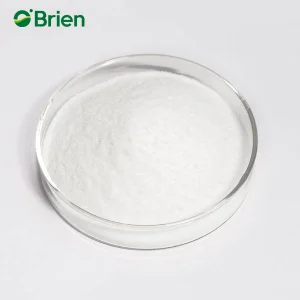
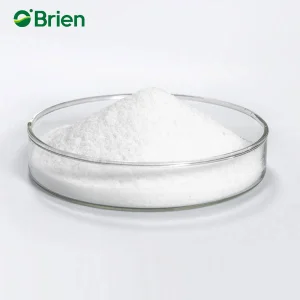
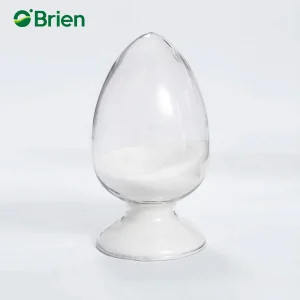
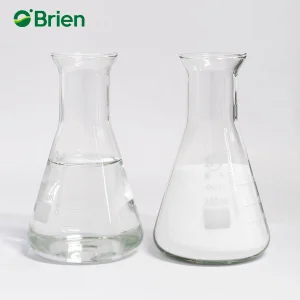
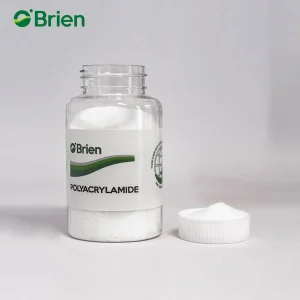
Leveraging strategic free trade logistics, advanced enzymatic monomer synthesis, and strict ISO-certified quality assurance to power global heavy industries.
Qingdao Oubo Chemical Co., Ltd. was established in 2011 and is strategically headquartered within the Free Trade Zone of Qingdao, China. Operating at the intersection of advanced chemical synthesis and international maritime logistics, Oubo Chemical has grown at a dynamic rate of 10% per year, emerging as a paramount manufacturer and global supplier of synthetic water-soluble polymers under our flag brand O'brien. In 2018, our annualized production capacity for Polyacrylamide surpassed the milestone of 50,000 Metric Tons, backed by rigorous ISO9001:2008 quality management system certifications.
As a technology-driven polyacrylamide production supplier, Oubo Chemical prioritizes environmental sustainability alongside molecular engineering. We commit upwards of €200 million towards ongoing research, polymer micro-structure optimization, and green manufacturing accumulation. By utilizing raw materials sourced directly from global petrochemical leaders such as SINOPEC and Eni, we ensure complete supply chain traceability, ultra-low monomer impurity levels, and unrivaled batch-to-batch polymer consistency.
Understanding the molecular dynamics, polymerization chemistry, and technical superiority of bio-catalytic acrylamide synthesis.
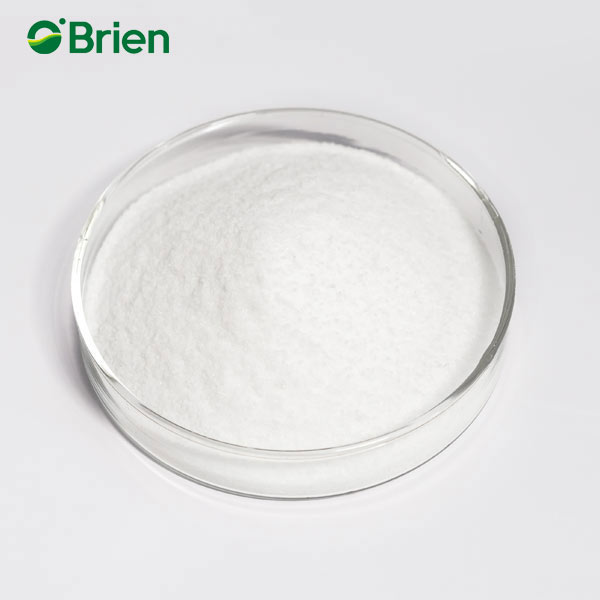
Polyacrylamide (PAM, CAS 9003-05-8) is a linear synthetic resin formed via the polymerization of acrylamide ($C_3H_5NO$) monomers. Historically, industrial acrylamide was produced via sulfuric acid hydration or copper-catalyzed hydration of acrylonitrile. However, copper-catalyzed methods yield residual heavy metal ions and unwanted side-products that act as free-radical chain terminators during subsequent polymerization, strictly limiting the achievable ultra-high molecular weight (UHMW).
Oubo Chemical utilizes proprietary, state-of-the-art biological methods (Enzymatic Hydration) using Rhodococcus rhodochrous nitrile hydratase biocatalysts. This modern technological route presents critical engineering advantages:
Synthesized by copolymerizing acrylamide with acrylic acid or sodium acrylate. Characterized by negative carboxylate groups ($-\text{COO}^-$). Ideal for positively charged mineral suspensions, kaolin, metal ions, and municipal primary clarification.
Formed by copolymerizing acrylamide with cationic monomers such as DAC (Acryloyloxyethyltrimethyl ammonium chloride) or DMC. Carries quaternary ammonium positive charges, making it unmatched for organic sludge dewatering and municipal wastewater.
Pure homopolymer of acrylamide featuring high chemical neutrality. Demonstrates excellent bridging capabilities across broad pH ranges (pH 1–10), making it essential for acidic industrial wastewater and specialized mineral leaching.
| Polymer Type | Ionic Degree (%) | Molecular Weight (Million Daltons) | Dissolution Time | Primary Industrial Sector |
|---|---|---|---|---|
| Anionic (APAM) | 5% – 80% Low to High Hydrolysis | 6.0 – 25.0 Million | 40 – 60 Mins | Mining Tailings, EOR Oilfield, Water Clarification |
| Cationic (CPAM) | 10% – 80% Charge Density | 3.0 – 15.0 Million | 45 – 60 Mins | Municipal Sludge Dewatering, Paper Retention Aid |
| Nonionic (NPAM) | < 5% (Neutral) | 5.0 – 18.0 Million | 60 – 90 Mins | Acidic Effluents, Ore Leaching, Textile Sizing |
| Amphoteric (MAPAM) | Balanced Dual Charge | 4.0 – 12.0 Million | 45 – 60 Mins | Complex Industrial Sludge, High-Salinity Processing |
From deep-well oil recovery to high-volume tailings management: how Oubo Polyacrylamide accelerates solid-liquid separation and fluid rheology control.
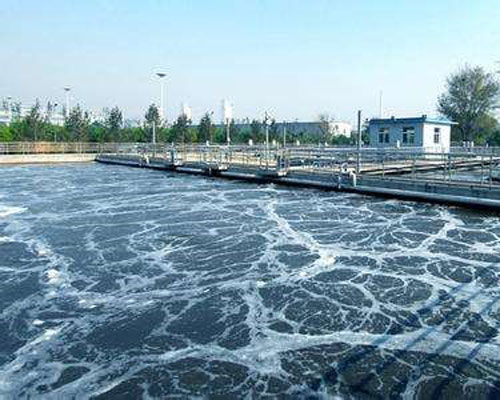
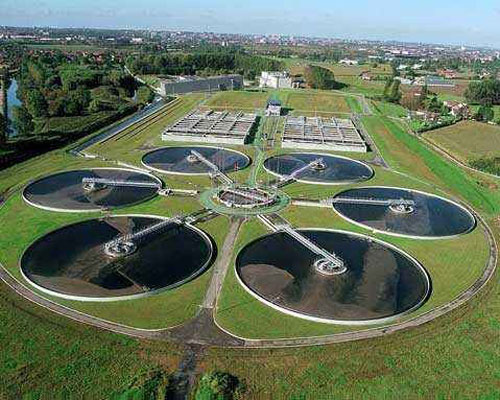
In municipal sewage treatment and industrial wastewater purification, solid-liquid separation relies on the electrostatic attraction and polymer bridging action of Polyacrylamide. CPAM neutralizes the negative surface charge of organic sludge flocs, destabilizing colloidal suspensions and forming dense micro-flocs. As molecular chains bind across micro-flocs, robust macro-flocs are formed, drastically enhancing settling velocities in primary clarifiers and maximizing cake solids during belt press, screw press, or decanter centrifuge dewatering.
Within upstream energy exploration, high-molecular-weight APAM serves as a fundamental viscosifier for Polymer Flooding in Enhanced Oil Recovery (EOR). By increasing the viscosity of injected water, APAM reduces the water-to-oil mobility ratio, effectively sweeping trapped crude oil out of low-permeability rock pores. Additionally, in hydraulic fracturing and drilling fluids, Oubo PAM functions as a friction reducer, shale inhibitor, and fluid-loss control agent under extreme downhole high-temperature, high-salinity (HT/HS) environments.
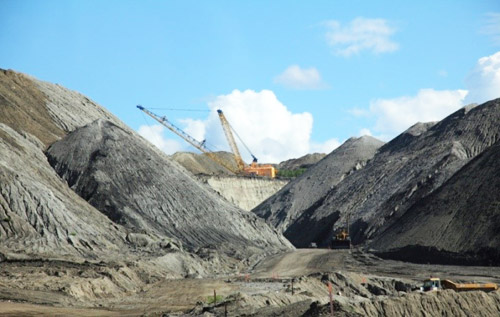
Mineral dressing processes—including coal washing, alumina red mud thickening, copper solvent extraction, and gold leach tailings treatment—generate vast volumes of fine suspended solids. Oubo's specialized APAM and NPAM formulations accelerate settling rates in high-rate thickeners, achieving rapid clear-water overflow reuse while concentrating thickener underflow for paste backfill or dry stacking operations.
In wet-end paper machine operations, Polyacrylamide functions as a retention and drainage aid, anionic trash catcher, and dry/wet strength enhancer. Cationic PAM binds fine pulp fibers and inorganic fillers (such as calcium carbonate or titanium dioxide) to larger cellulosic fibers, significantly increasing filler retention rates, reducing white water turbidity, speeding up wire-section drainage, and lowering steam consumption during drying.
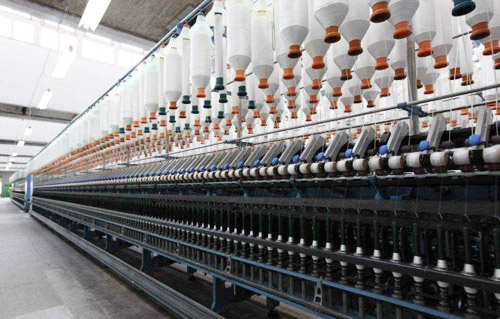

Combining automated continuous polymerization, port-adjacent FTZ warehousing, and strategic raw material procurement to guarantee uninterrupted global deliveries.
Our plant integrates automated Distributed Control Systems (DCS) monitoring temperature, initiator injection speeds, and monomer conversion ratios in real time, delivering consistent molecular weight distributions across large production lots.
Located in the Free Trade Zone of Qingdao, Oubo Chemical benefits from direct access to one of the world's largest deep-water shipping hubs. Rapid customs clearance, duty-free raw material processing, and immediate vessel loading minimize transit lead times.
Every single batch undergoes three distinct quality assurance stages: raw material purity validation, in-line polymerization reaction tracking, and final finished-powder rheology testing via Brookfield viscometry.
Protecting polymer integrity during long-distance oceanic freight through anti-caking, moisture-barrier packaging configurations.
Polyacrylamide powder is highly hygroscopic; exposure to ambient humidity during long ocean transit leads to agglomeration and reduced active polymer dissolution rates. Oubo Chemical provides engineered, multi-layer moisture barrier packaging designed to withstand extreme thermal variations and marine humidity.
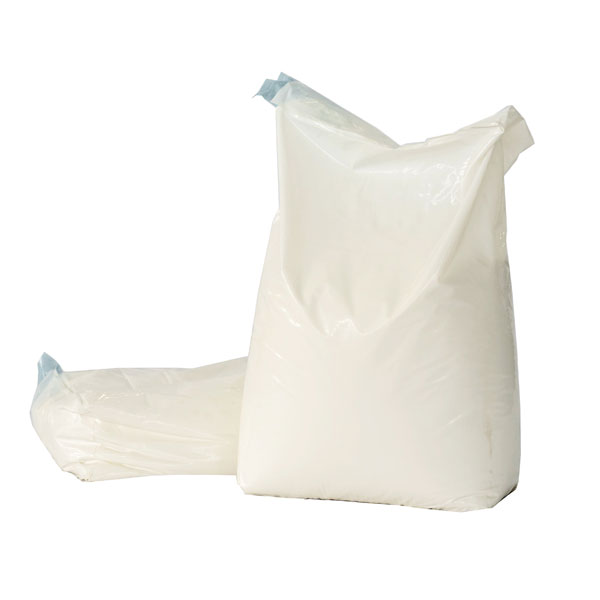
Unbranded kraft/PE 25kg bags for direct OEM re-labeling.
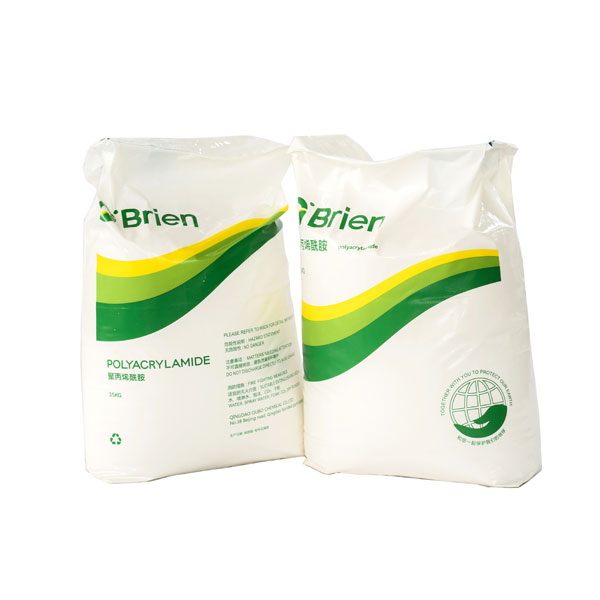
Standard O'brien branded multi-wall moisture-proof bag.
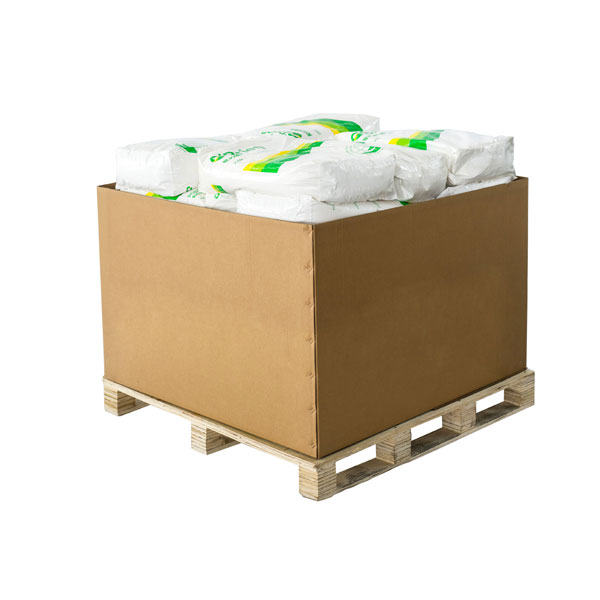
750kg / 1000kg bulk bags with bottom discharge spouts.
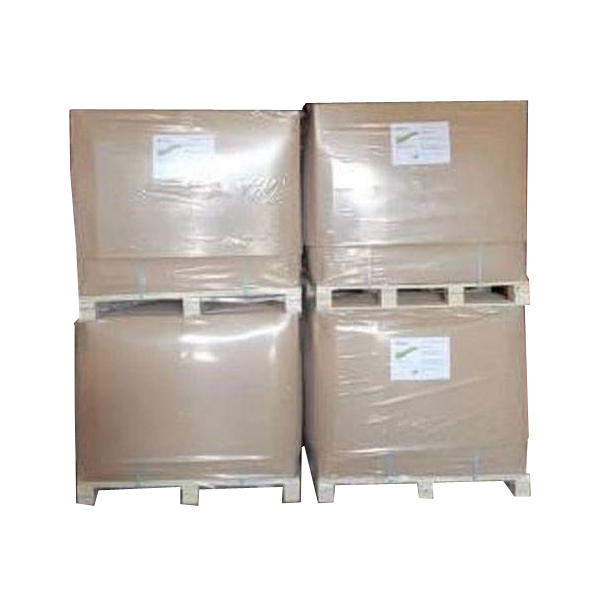
ISPM-15 compliant wooden/plastic pallets with shrink wrap.
Clear answers to engineering selection, polymer preparation, residual monomer controls, and bulk purchasing inquiries.
Tailored molecular formulations for papermaking wet-end, acid-resistant industrial clarifiers, and specialized oilfield drilling fluids.
 Oubo Chemical