High-purity flocculants, thickeners, and retention aids manufactured under ISO9001 certified biological polymerization processes.
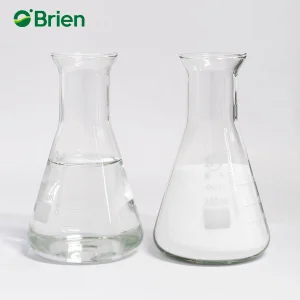
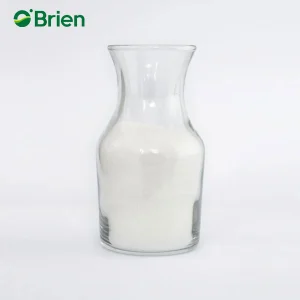
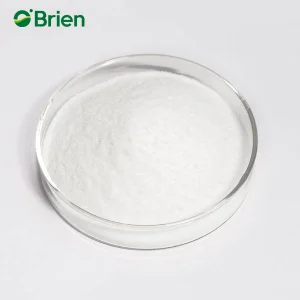
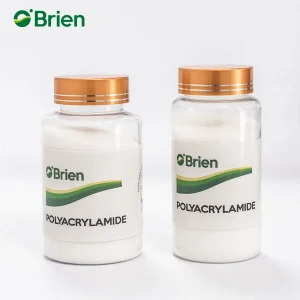
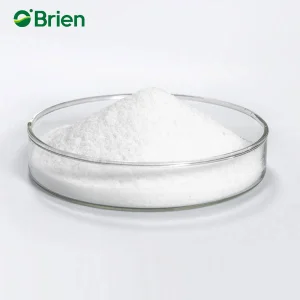
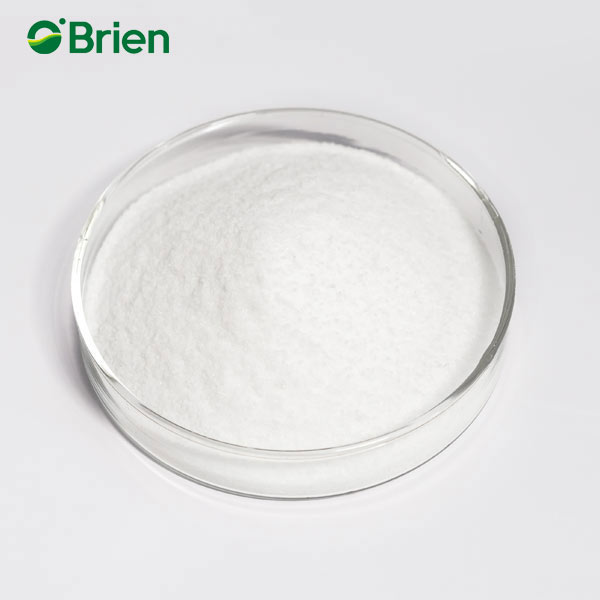
Polyacrylamide (CAS 9003-05-8) is a synthetic, linear water-soluble polymer composed of acrylamide monomer subunits (-CH2CHCONH2-). As one of the most versatile functional chemicals in modern industrial chemistry, PAM plays an indispensable role in solid-liquid separation, fluid rheology modification, enhanced oil recovery (EOR), and mineral liberation. Its exceptional capability to absorb water, form hydrogen bonds, and bridge suspended particulate matter stems from its ultra-high molecular weight chain architecture, which can range from 3 million to over 30 million Daltons.
In global industrial markets, Polyacrylamide is classified according to its ionic functionality into four primary categories: Anionic Polyacrylamide (APAM), Cationic Polyacrylamide (CPAM), Nonionic Polyacrylamide (NPAM), and Amphoteric Polyacrylamide. The selection of specific charge density, ionic degree, and molecular weight parameters dictates performance across municipal wastewater treatment, paper retention, oilfield fluid loss control, and heavy mining tailing management.
Technical Insight: The performance of Polyacrylamide in aqueous solutions is driven by charge neutralization and polymer bridging mechanisms. High molecular weight chains extend into the liquid medium, adsorbing onto solid particle surfaces to create dense flocs that rapidly settle out of suspension.
| Polymer Type | Ionicity Range (%) | Molecular Weight (Million) | Solid Content (%) | Primary Application Sectors |
|---|---|---|---|---|
| Anionic (APAM) | 10% - 60% Hydrolysis | 6 - 25 Million | ≥ 90% Powder | Mining Coal Washing, Sugar Clarification, EOR, Industrial Effluent |
| Cationic (CPAM) | 5% - 80% Charge Density | 8 - 12 Million | ≥ 90% Powder | Municipal Sludge Dewatering, Papermaking Retention, Organic Wastewater |
| Nonionic (NPAM) | 0% - 3% (Low Hydrolysis) | 5 - 15 Million | ≥ 90% Powder | Acidic Wastewater, Soil Stabilizer, Ore Dressing, Textiles |
| Amphoteric PAM | Dual Positive/Negative | 4 - 10 Million | ≥ 88% Powder | Complex Refractory Sludge Dewatering, Heavy Industrial Processing |
Qingdao Oubo Chemical Co., Ltd. integrates advanced biological synthesis with world-class supply chain integration.
Established in 2011 within the strategic Qingdao Free Trade Zone, China, Qingdao Oubo Chemical Co., Ltd. has grown to become a benchmark manufacturer in the global water-soluble polymer industry. Benefiting from deepwater port access and integrated chemical logistics, Oubo Chemical maintains a consistent annual business growth rate of over 10%, achieving a total annual capacity of over 50,000 Metric Tons in 2018.
Unlike traditional chemical synthesis routes that rely on copper-catalyzed hydration of acrylonitrile—which leaves residual heavy metals and unreacted monomer impurities—Oubo utilizes patented biological enzymatic conversion methods. This bio-catalytic process yields acrylamide monomer with ultra-high purity (>99.9%), drastically reducing energy consumption and greenhouse gas emissions while ensuring extremely low residual monomer content in the finished Polyacrylamide polymer.
Qingdao OUBO Chemical Co., Ltd is a leading manufacturer of Polyacrylamide in the world. We utilize patented biological methods to synthesize acrylamide, accumulating over €200 million in dedicated R&D technical reserves to drive continuous chemical innovation.
Global supply chain integration. All raw materials are procured from tier-1 global chemical leaders including SINOPEC and Eni. Operating automated production lines certified under ISO9001:2008, every product batch undergoes strict 3-tier QC testing prior to export shipment.
Specialized in manufacturing Polyacrylamide with superior quality stability and competitive cost efficiency. Our experienced engineering team assists clients throughout product selection, lab jar testing, and industrial process optimization.
Our dedicated technical engineers provide end-to-end support across pre-sales evaluation, sample testing, on-site dosing trial guidance, and post-sales optimization to ensure maximum operational efficiency for your facility.
Customized polymer formulations designed to optimize performance across specialized chemical processes worldwide.
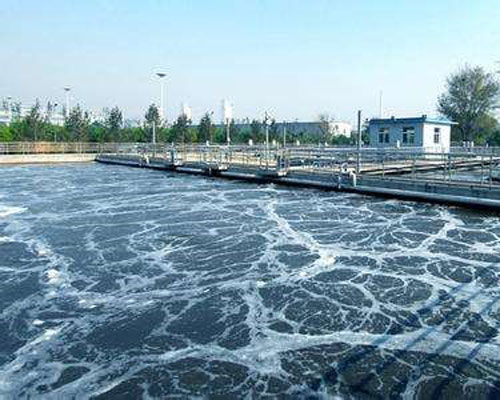
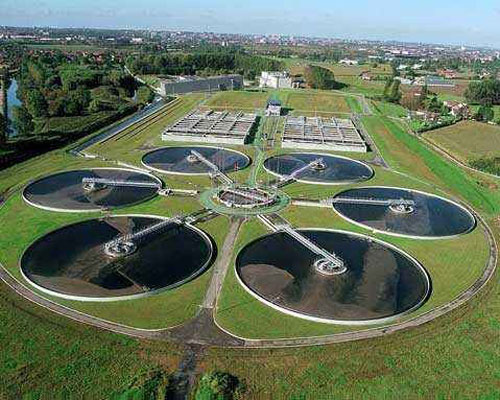
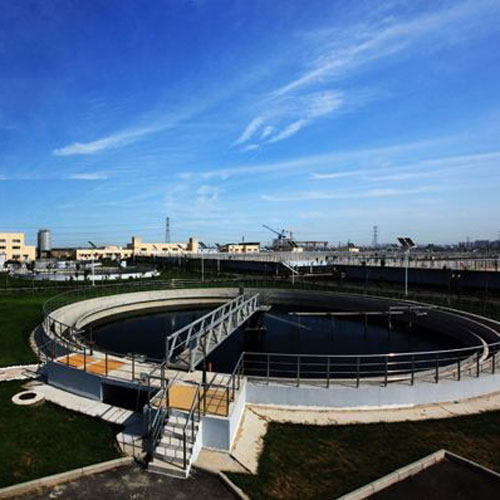
As a primary organic flocculant, Polyacrylamide is used extensively in industrial solid-liquid separation processes, including primary clarification, sedimentation, sludge thickening, and mechanical sludge dewatering. With increasingly stringent global wastewater discharge standards, high-performance PAM polymers enable zero liquid discharge (ZLD) systems across municipal wastewater, leather tanning, paper mill effluent, citric acid processing, vegetable protein extraction, dyeing, and pharmaceutical manufacturing.
In papermaking wet-end chemistry, Polyacrylamide polymers function as dry strength agents, retention aids, and drainage accelerators. By neutralizing anionic trash and binding short fibers to mineral fillers (such as calcium carbonate or titanium dioxide), cationic and amphoteric PAM grades dramatically increase physical sheet strength, minimize fiber loss in white water, and enhance paper machine speed while lowering overall pulp raw material costs.
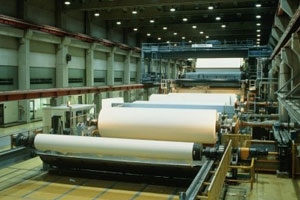
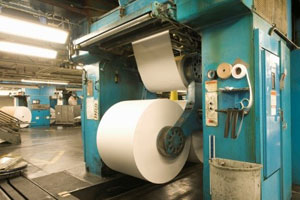
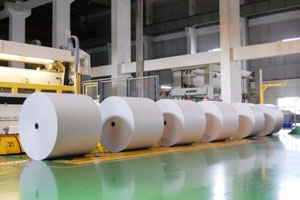
Papermaking Functional Mechanism:
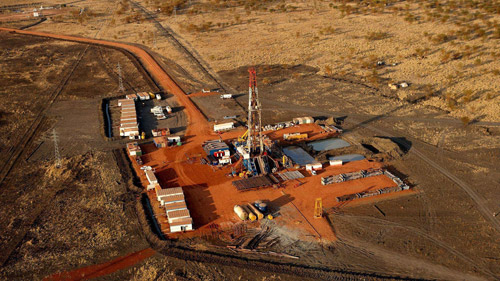
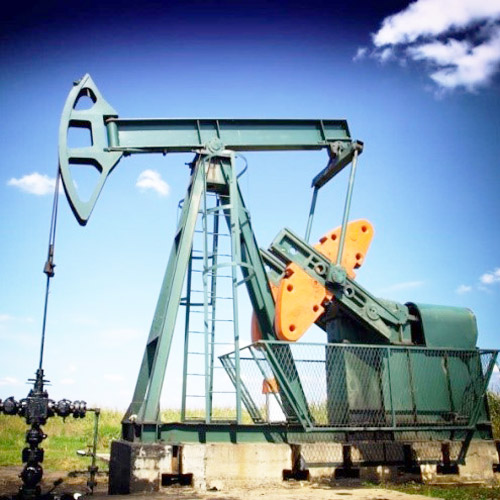
Polyacrylamide polymers are critical additives in tertiary oil recovery (EOR), profile control, well plugging, and hydraulic fracturing. High molecular weight APAM increases the viscosity of injected water, improving sweep efficiency across reservoir zones. In drilling muds, PAM acts as a shale inhibitor, fluid loss reducer, bit lubricant, and cuttings transport vehicle.
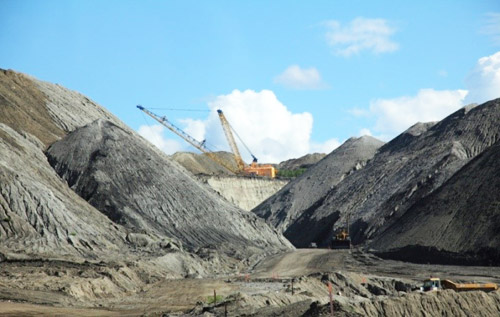
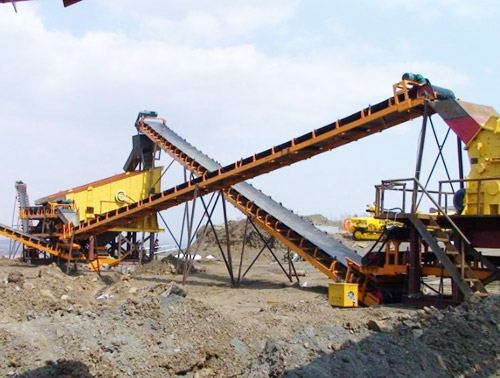
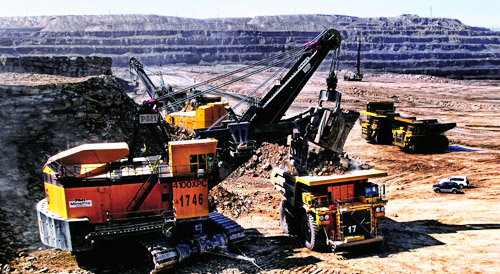
In mineral processing—including coal washing, iron ore beneficiation, gold, silver, copper, and alumina refining—Polyacrylamide accelerates solid-liquid separation during sedimentation, thickening, and filtration. It rapidly clarifies washing water for closed-loop recycling and ensures solid thickener overflow clarity.
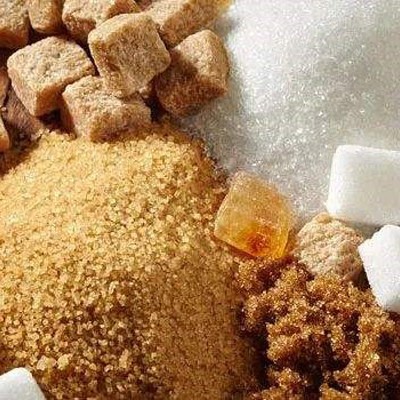
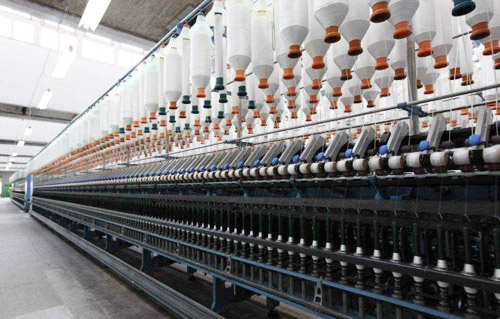
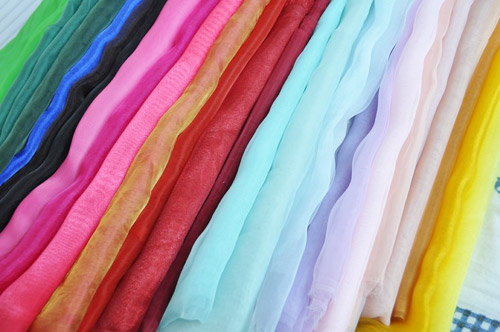
In sugar manufacturing, anionic PAM is applied during sugarcane and sugar beet juice clarification and flotation to remove colorants and suspended organic colloids. In textiles, nonionic and anionic PAM serve as warp sizing agents, fabric finishing agents, and dyestuff wastewater decolorizing flocculants.
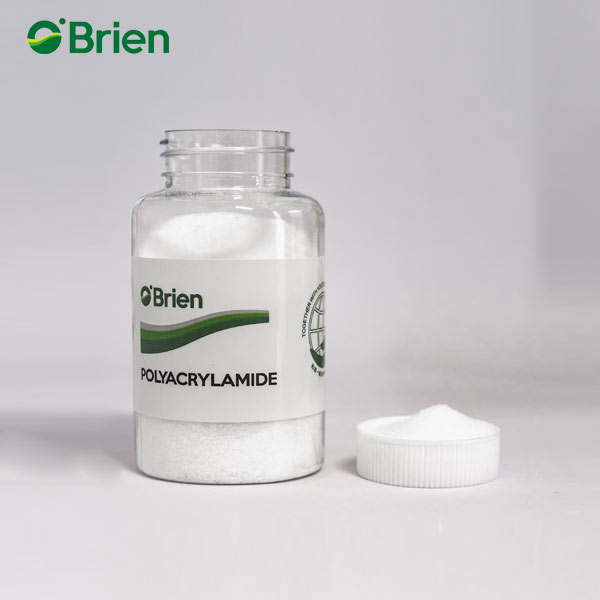

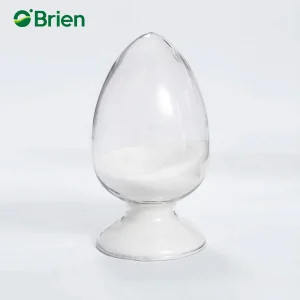
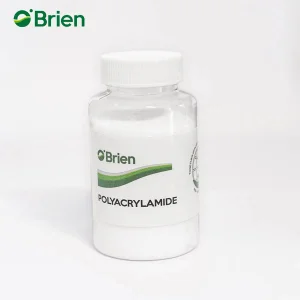
Comprehensive product spectrum engineered for specific operational parameters and ionic charge balances.
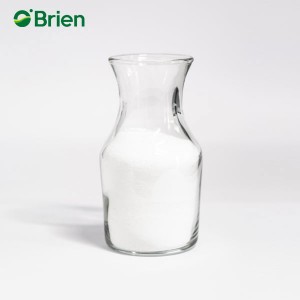
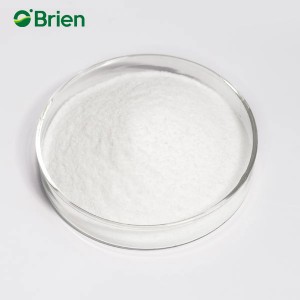
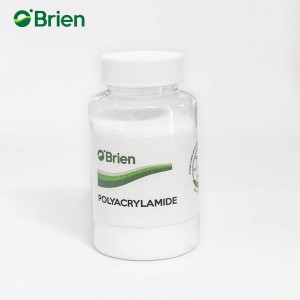
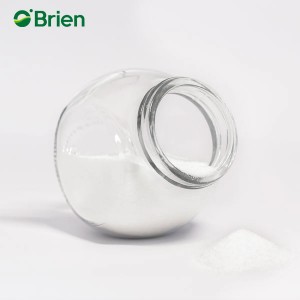
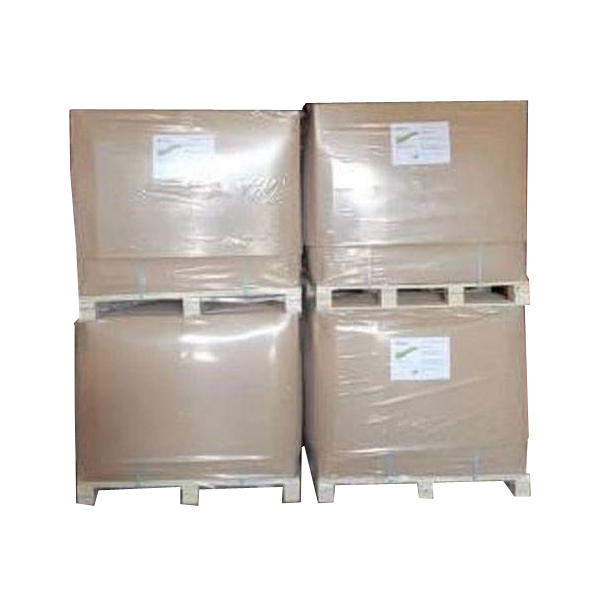
Heavy-duty moisture-proof packaging options customized for global long-distance ocean freight.
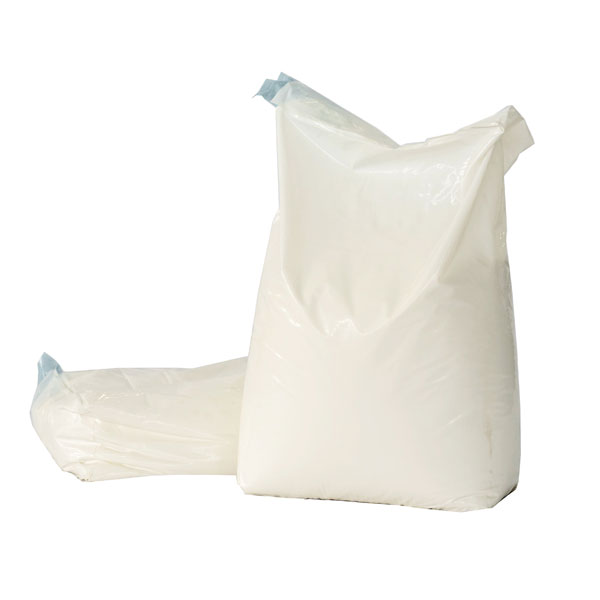
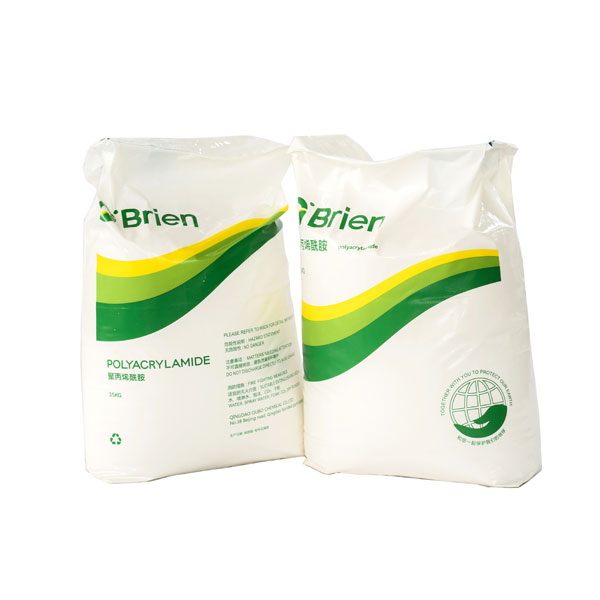
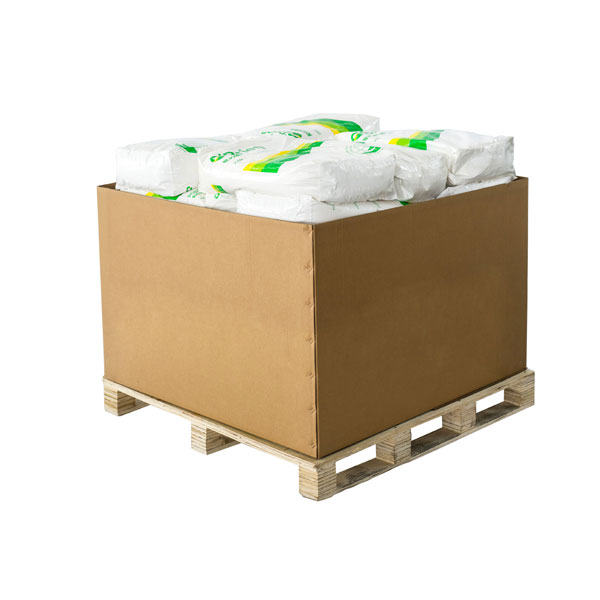
Purchasing enterprise Polyacrylamide requires evaluating critical physical-chemical properties beyond simple price per ton. International buyers and municipal procurement teams must consider the following technical variables to ensure optimal chemical performance:
Molecular weight directly correlates with polymer chain length. For high-shear applications such as centrifuges, excessively high MW polymers may undergo chain scission, while in thickeners and static clarifiers, ultra-high MW (18-25 Million) produces fast-settling flocs.
Cationic charge density ranges from 5% to 80%. Dewatering biological sludge from sewage plants typically requires medium to high cationic charge (30%-60%), whereas mineral slurries prefer anionic polymers with 20%-40% hydrolysis levels.
Powdered Polyacrylamide must be dissolved in clean water at concentrations between 0.1% and 0.3%. Mixing requires gentle mechanical agitation (200-400 RPM) to prevent polymer chain degradation. Standard dissolving time is 45 to 60 minutes for complete hydration.
Expert technical answers to common queries regarding PAM selection, handling, and supply chain terms.
Explore our full line of specialized cationic, anionic, and nonionic flocculants for industrial supply.
 Oubo Chemical