China Polyacrylamide Polymer MSDS Supplier & Global Manufacturers

Authoritative Material Safety Data Sheets (MSDS/SDS), Comprehensive Regulatory Compliance, and High-Performance APAM, CPAM, and NPAM Solutions from Qingdao Oubo Chemical Co., Ltd.

Featured Polyacrylamide Polymer Products

Explore our top-tier certified polyacrylamide formulations backed by rigorous Material Safety Data Sheets (MSDS), high intrinsic viscosity, and precise molecular weight control.
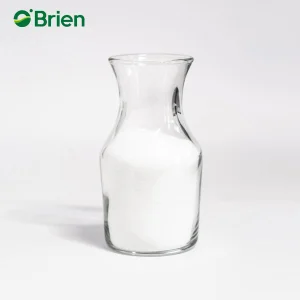
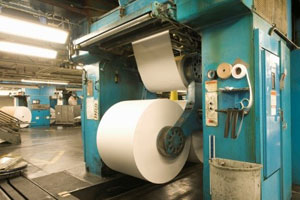
China PAM Anionic Polyacrylamide Paper Strength Agent
China PAM Anionic Polyacrylamide Dry & Wet Strength Agent for Paper Industry Manufacturers, Factories
View MSDS & Details
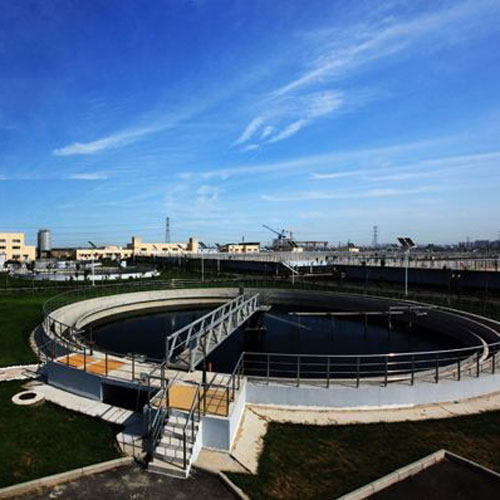
Anionic Polyacrylamide for Municipal Sewage Treatment
Wholesale Anionic Polyacrylamide (APAM) for Municipal Sewage Treatment & Sludge Dewatering Manufacturers, Suppliers
View MSDS & Details
Cationic Polyacrylamide Flocculant for Textile Wastewater
Wholesale Cationic Polyacrylamide (CAS 9003-05-8) Flocculant for Textile & Dyeing Wastewater Manufacturer, Supplier
View MSDS & Details
Wholesale PAM Anionic Polyacrylamide
Wholesale PAM Anionic Polyacrylamide Manufacturer, Suppliers
View MSDS & Details
High Molecular Weight Anionic Polyacrylamide for Petrochemical
Wholesale High Molecular Weight Anionic Polyacrylamide for Petrochemical & Metallurgical Wastewater Suppliers, Factories
View MSDS & Details
China Cationic Polyacrylamide Supplier
China Cationic Polyacrylamide Manufacturer, Supplier
View MSDS & Details
Anionic Polyacrylamide Powder Flocculant for Food Processing
Wholesale Anionic Polyacrylamide Powder Flocculant for Food Processing & Sugar Refining Wastewater Manufacturer, Factories
View MSDS & Details
Wholesale Anionic Polyacrylamide Manufacturers
Wholesale Anionic Polyacrylamide Manufacturers, Supplier
View MSDS & Details

Enterprise E-E-A-T Foundation: Qingdao Oubo Chemical Co., Ltd.

Established in 2011 within the Free Trade Zone of Qingdao, China, Qingdao Oubo Chemical Co., Ltd. (O'brien) has grown at a steady 10% annual rate to become a premier global manufacturer of synthetic polyacrylamide polymers.

Capacity & Certification

Annual polyacrylamide production capacity surpassed 50,000 Metric Tons in 2018. Fully certified under ISO 9001:2008 Quality Management System, guaranteeing robust batch-to-batch consistency and technical traceability.

Patented Bio-Catalysis

We utilize advanced biological enzymatic methods for monomer acrylamide production (with patent applications filed). We invest over €200 million annually in R&D to continuously lower energy consumption and control residual monomers.

Global Supply Network

Raw materials are strategically sourced from tier-one international partners including SINOPEC and Eni. Automated production lines conduct triple QC testing per batch prior to worldwide dispatch from Qingdao Port.

50,000+
Annual Tons Capacity
ISO 9001
Quality Certified
< 0.05%
Ultra-Low Residual Monomer
100+
Global Export Markets

Technical Deep Dive: Polyacrylamide MSDS & Regulatory Safety Parameters

Material Safety Data Sheets (MSDS) or Safety Data Sheets (SDS) compliant with GHS, OSHA HCS 2012, and EU Regulation (EC) No 1907/2006 (REACH) are critical for industrial procurement, environmental compliance, and safe handling.

1. Chemical Product Identification & Structural Classifications

Polyacrylamide (PAM) is a high-molecular-weight polymer (-[CH2-CH(CONH2)]n-) synthesized from acrylamide monomers. While the polymerized macromolecule is non-toxic and environmentally stable under recommended use conditions, safety evaluation heavily focuses on residual monomer limits, dust inhalation, and slip hazards during aqueous solution preparation.

Property Parameter Anionic Polyacrylamide (APAM) Cationic Polyacrylamide (CPAM) Nonionic Polyacrylamide (NPAM)
CAS Chemical Number 9003-05-8 / 25085-02-3 69418-26-5 / 35429-19-7 9003-05-8
Molecular Weight (Million Da) 6.0 - 25.0 5.0 - 15.0 3.0 - 12.0
Charge Density (%) 5 - 80 (Anionic) 5 - 80 (Cationic) < 1 (Nonionic)
GHS Hazard Status Non-Hazardous Solid Mild Eye Irritant (Powder) Non-Hazardous Solid
Residual Acrylamide Monomer < 0.05% (< 500 ppm standard; < 200 ppm drinking water) < 0.05% (< 500 ppm standard) < 0.05% (< 500 ppm standard)
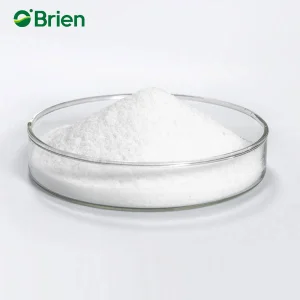
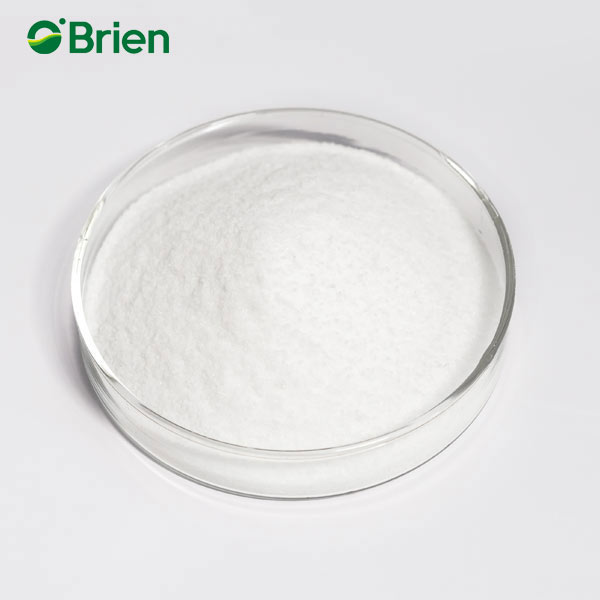
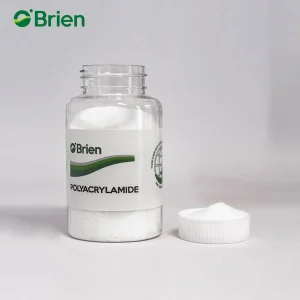
Physical Appearance White Granular Powder White / Off-White Granular Powder White Fine Granule

Toxicological & Ecotoxicological Profile

Acute Toxicity: Oral LD50 (Rat) > 5,000 mg/kg for fully polymerized PAM powder. Dermal LD50 (Rabbit) > 10,000 mg/kg.

Ecotoxicity: Non-toxic to aquatic organisms at operational standard dosages. LC50 (96h, Danio rerio) > 100 mg/L for APAM. Note: High charge CPAM requires precise dosing control to mitigate fish gill irritation in open surface water bodies.

Biodegradability: Polymer chains undergo slow physical and biological shear breakdown into carbon dioxide, water, and nitrogen oxides without bioaccumulation.

Handling, Storage & Spill Mitigation

Slip Hazard: Polyacrylamide solutions possess an exceptionally low friction coefficient. Spills exposed to moisture create extreme slipping conditions. Mitigation: Dry vacuum or absorb with sand before water flushing.

Personal Protective Equipment (PPE): Wear safety glasses with side shields, dust masks (N95/FFP2) during bulk dry powder transfer, and standard chemical-resistant nitrile gloves.

Storage Conditions: Store in sealed original packaging in a cool, dry, well-ventilated warehouse below 35°C to avoid moisture absorption and caking.

Localized Application Matrix & Industry Use Cases

Polyacrylamide functions as a primary flocculant, coagulant aid, rheology modifier, friction reducer, and binding agent across diverse global sectors.
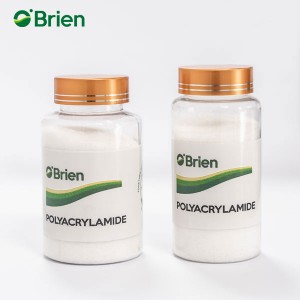
Cationic Polyacrylamide

Cationic Polyacrylamide (CPAM)

Primary Function: Neutralizes negatively charged organic colloids to form heavy flocs.

Key Applications: Municipal sludge dewatering (belt filter press, centrifuge, screw press), organic wastewater treatment (dyeing, textile, tanning, slaughterhouse, beer brewing), and wet-end paper retention aids.
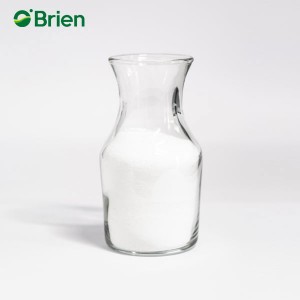
Anionic Polyacrylamide

Anionic Polyacrylamide (APAM)

Primary Function: Bridging flocculation with high tensile polymer chains for inorganic solids.

Key Applications: Mineral processing (coal washing, gold/copper tailings, alumina red mud), sand washing sedimentation, industrial water clarification, Enhanced Oil Recovery (EOR), and paper strength additives.
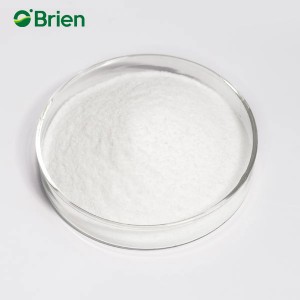
Nonionic Polyacrylamide

Nonionic Polyacrylamide (NPAM)

Primary Function: Hydrogen bonding mechanism effective under low pH / acidic environments.

Key Applications: Acidic industrial effluent sedimentation, soil stabilization, agricultural water retention, sugar juice clarification, and specialized textile warp sizing agents.

Engineering Application Performance & Sector Integration

1. Municipal Sewage & Industrial Water Treatment

In municipal and industrial solid-liquid separation, Polyacrylamide rapidly aggregates suspended solids into tight micro-flocs through charge neutralization and polymer bridging. This significantly accelerates sedimentation velocity in primary clarifiers and maximizes cake dryness during belt filter press, screw press, or decanter centrifuge sludge dewatering.
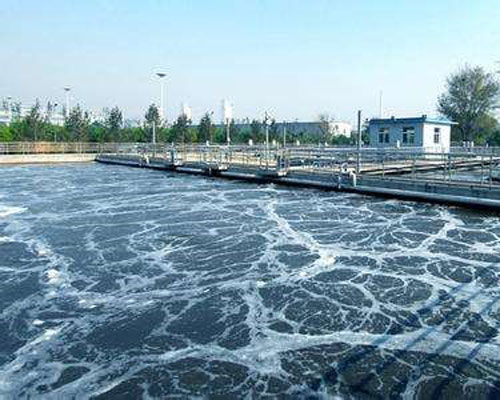
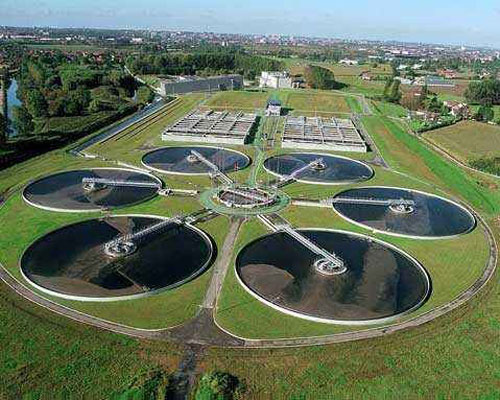
Sewage Settlement Clarification
Sludge Dewatering Centrifuge
Industrial Wastewater Flocculation
Effluent Clarifier Operation

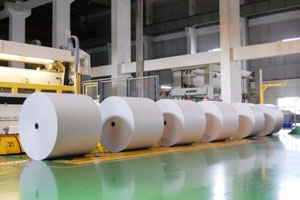
2. Pulp & Paper Manufacturing

Oubo Polyacrylamide plays a quad-action role in paper chemistry:
  • Retention & Drainage Aid: Increases first-pass retention of fine fibers and fillers (PCC/GCC), lowering energy consumption in drying sections.
  • Anionic Trash Catcher: Neutralizes interfering organic dissolved species in closed-loop water circuits.
  • Dry & Wet Strength Agent: Forms covalent and hydrogen bonds with pulp fibers, elevating burst index and tensile strength.
  • Dispersant Agent: Optimizes fiber uniformity and paper sheet formation in specialty tissue and packaging grades.
Paper Pulp Machine Retention
Paper Mill White Water Clarification
Specialty Paper Additives

3. Oilfield Extraction & Mineral Processing

In upstream petroleum engineering, high molecular weight APAM serves as a critical mobility control agent for Enhanced Oil Recovery (EOR), slickwater friction reducer for hydraulic fracturing, and fluid loss reducer for drilling muds. In mining, our polymers enable high-throughput coal tailings dewatering and solid-liquid separation for gold, copper, alumina, and iron ore extraction.


Oilfield Drilling Fluid Additive
Enhanced Oil Recovery EOR Polymer
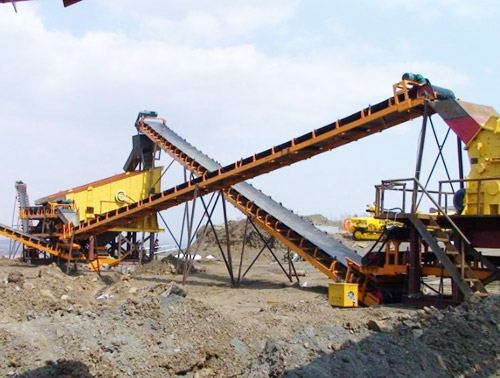
Mining Tailings Flocculation
Coal Washing Solid-Liquid Separation

4. Sugar Refining & Textile Processing

In sugarcane and sugar beet juice clarification, food-grade APAM ensures rapid sediment precipitation without leaving toxic residues. In textile production, PAM functions as a high-efficiency warp sizing binder to reduce yarn breakage and act as a decolorizing flocculant in dye effluent treatment.

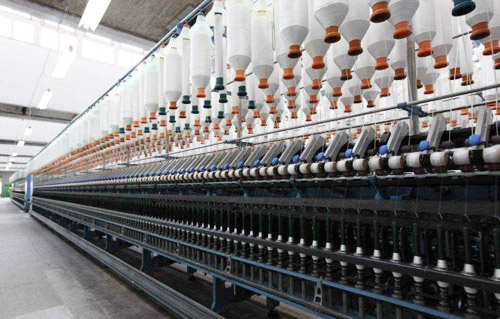
Sugar Juice Clarification
Textile Dyeing Effluent Dewatering
Textile Warp Sizing Agent

Technology Roadmap & China Supply Chain Resilience

Discover how Qingdao Oubo Chemical integrates raw material monomer synthesis, biological catalysis, and free-trade port logistics to guarantee global supply security.

Technology Innovation Roadmap

Third-Gen Bio-Enzyme Conversion: Transitioning to bio-catalysis for acrylamide monomer synthesis eliminates copper catalyst contamination and reduces carbon footprint by 35%.

Ultra-High Molecular Weight Control: Developing hyper-branched polymers reaching >25 million Daltons for extreme shear environments in deep-sea EOR.

Green Emulsion Polymerization: Next-generation invert micro-emulsion PAM offering instant dissolution (<5 minutes) without dust generation or toxic hydrocarbon carriers.

Supply Chain & Logistics Advantage

Upstream Integration: Direct raw material contracts with SINOPEC ensure uninterrupted supply of acrylonitrile feedstock regardless of market fluctuations.

Strategic Qingdao Port Hub: Located in Qingdao Free Trade Zone, enabling rapid container loading, expedited customs clearance, and reduced maritime transit times.

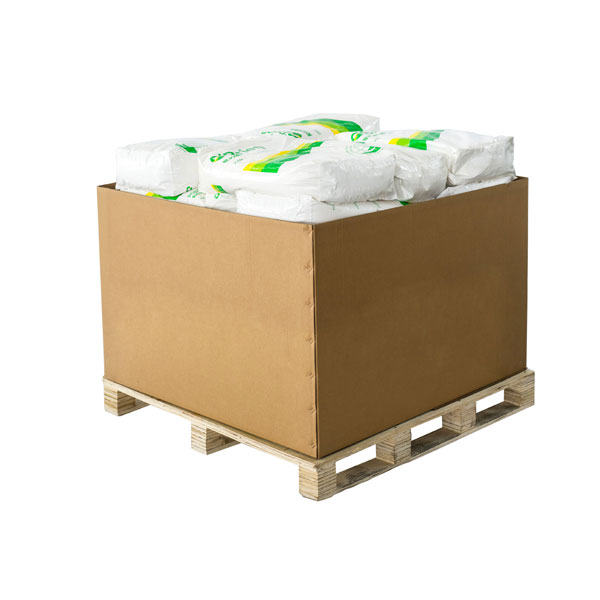
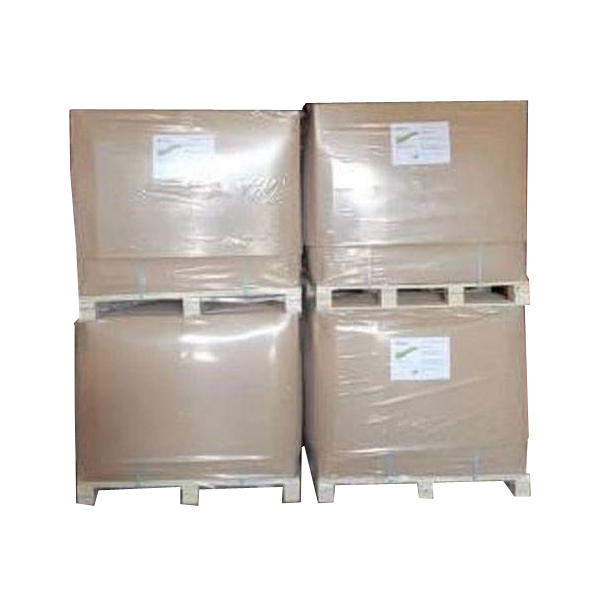
Comprehensive Packaging Options: 25kg paper-plastic composite bags, 750kg/1000kg jumbo bulk bags, palletized shrink-wrapping, and private label OEM configurations.
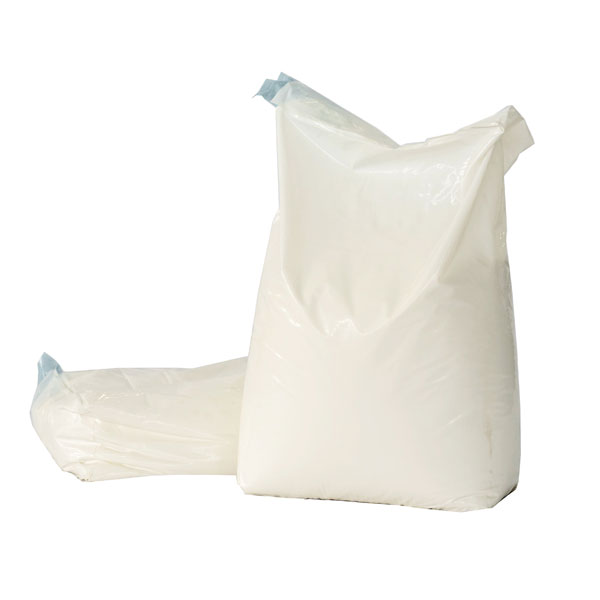
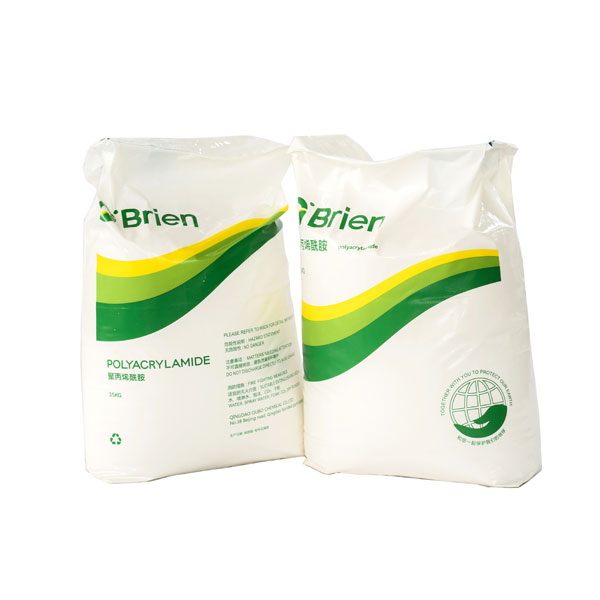
Standard Export Packaging Configurations

Blank Kraft Bag Packaging
Neutral / Blank Bags
Normal Printed Bag Packaging
Standard Printed 25kg Bags
Export Bulk Packaging
Jumbo Ton Bags
Palletized Export Container
Fumigated Pallet Wrapping

Industrial Grade Polyacrylamide Portfolio & Direct Orders

Select specific ionic types, molecular weight grades, and custom mesh sizes for your technical wastewater or chemical processing installation.
Wholesale Cationic Polyacrylamide Powder for Wastewater Treatment
Wholesale Cationic Polyacrylamide Powder for Municipal & Industrial Wastewater Treatment Supplier, Suppliers
View MSDS & Details
China Nonionic Polyacrylamide PAM Thickener Oilfield Drilling Fluid
China Nonionic Polyacrylamide (PAM) Thickener for Oilfield Drilling Fluid Manufacturers, Suppliers
View MSDS & Details
China Cationic Polyacrylamide Paper Making Supplier
China Cationic Polyacrylamide Retention & Drainage Aid for Paper Making Industry Supplier, Factories
View MSDS & Details
China Nonionic Polyacrylamide Suppliers
China Nonionic Polyacrylamide Manufacturers, Supplier
View MSDS & Details
Cationic Polyacrylamide for Sludge Dewatering
Wholesale Cationic Polyacrylamide (CPAM) for Sludge Dewatering & Industrial Wastewater Flocculation Supplier, Factories
View MSDS & Details
China Nonionic Polyacrylamide Flocculant Acidic Wastewater
China Nonionic Polyacrylamide Flocculant for Acidic Industrial Wastewater Treatment Manufacturers, Factories
View MSDS & Details
Nonionic Polyacrylamide for Mineral Processing
Wholesale Nonionic Polyacrylamide (NPAM) for Mineral Processing & Metallurgical Ore Dressing Suppliers, Factories
View MSDS & Details
High Molecular Weight Polyacrylamide Coal Washing Tailings Dewatering
Wholesale High Molecular Weight Nonionic Polyacrylamide for Coal Washing & Tailings Dewatering Manufacturers, Suppliers
View MSDS & Details

Frequently Asked Questions: Technical & Regulatory Safety (MSDS)

Expert responses regarding chemical compliance, safety protocols, dissolving mechanics, and optimal polymer grade selection.
Q1: How do I request an official MSDS / SDS for Oubo Polyacrylamide products?
Official GHS-compliant Material Safety Data Sheets (MSDS) in English, Spanish, French, Russian, or Chinese can be directly downloaded or requested via our technical sales team. Each document outlines chemical product identification, toxicity data, handling precautions, and transport safety classifications.
Q2: What is the regulatory residual monomer limit in Oubo Polyacrylamide?
Qingdao Oubo Chemical utilizes advanced bio-enzymatic polymerization to strictly maintain residual acrylamide monomer (AMD) below 0.05% (<500 ppm) for standard industrial grades, and under 0.02% (<200 ppm) for specialized drinking water treatment grades.
Q3: Are Polyacrylamide polymers classified as hazardous for sea transport (IMDG code)?
No. Dry polyacrylamide powder is classified as non-hazardous and non-dangerous goods under IMDG, IATA, and ADR international transport regulations. It does not require UN hazard labeling for maritime or air freight shipment.
Q4: How should a dry polymer spill be safely handled according to MSDS guidelines?
Dry polymer powder becomes extremely slippery when exposed to water. Never flush a dry spill directly with water. Scoop or vacuum up dry material into a clean container. If wet, apply absorbent materials such as sand, earth, or sawdust before final rinsing.
Q5: How do I choose between Anionic, Cationic, and Nonionic Polyacrylamide?
Selection depends on slurry charge: Cationic (CPAM) is required for organic sludges with negative surface charges (municipal sewage, food processing); Anionic (APAM) works best for mineral suspensions and neutral-to-alkaline inorganic solids; Nonionic (NPAM) is preferred in low pH / acidic mineral tailings and specialized paper wet-end applications.
Q6: What is the shelf life and correct storage condition for PAM powder?
When stored in unopened original packaging in a cool, dry, sealed environment below 35°C, Polyacrylamide powder maintains full chemical activity for 24 months. Prepared aqueous solutions should be utilized within 24 to 48 hours to prevent viscosity loss.
Q7: What is the optimal concentration for preparing Polyacrylamide solution?
Recommended stock solution concentration is 0.1% to 0.3% (w/v). Slowly sprinkle dry powder into turbulent water to ensure uniform dispersion and avoid agglomeration ("fish-eye" formation), followed by gentle mechanical stirring at 200–400 RPM for 45 to 60 minutes.
Q8: Does Oubo Chemical hold ISO and REACH registration for European exports?
Yes. Qingdao Oubo Chemical operates under ISO 9001:2008 quality control standards and maintains REACH compliance for continuous, friction-free export into European Union member states.