Explore our high-performance cationic, anionic, and nonionic polyacrylamide series tailored for extreme industrial environments.
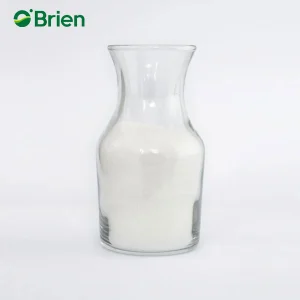
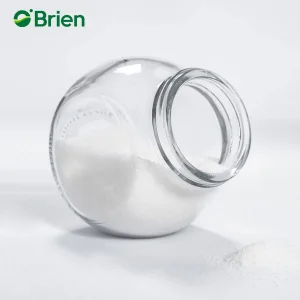
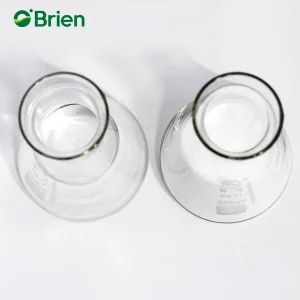
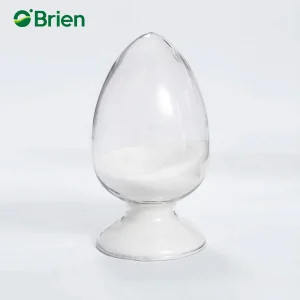
Macroeconomic shifts, environmental mandates, and technological innovations shaping China's leadership in water-soluble polymer manufacturing.
Polyacrylamide (PAM) represents one of the most chemically versatile classes of synthetic water-soluble polymers globally. Synthesized primarily through the chain-growth polymerization of acrylamide monomers ($CH_2=CH-CONH_2$), PAM serves as an indispensable macro-molecular agent across municipal wastewater purification, enhanced oil recovery (EOR), mineral processing, paper chemistry, and industrial effluent engineering. As environmental standards tighten worldwide under zero-liquid-discharge (ZLD) frameworks and resource recovery initiatives, the demand for precise, high-molecular-weight PAM formulations has escalated exponentially.
China has emerged as the global epicenter for Polyacrylamide polymer manufacturing, leveraging advanced enzymatic monomer synthesis, integrated petro-chemical supply chains, and large-scale automated continuous polymerization infrastructure. Chinese manufacturing facilities lead the industry by moving away from traditional chemical catalysis to third-generation microbial biocatalysis. This biotransformation process—utilizing nitrile hydratase enzymes—produces high-purity acrylamide monomer with minimal residual acrylic acid, zero organic byproducts, and significantly lower carbon intensity.
Modern industrial procurement requires more than just low-cost sourcing; it requires supply chain stability, tight control over molecular weight distribution ($M_w$), low monomer residual content (<0.05%), and certified compliance with international environmental directives. Premier Chinese factories like Qingdao Oubo Chemical Co., Ltd. represent the nexus of technical capability, regulatory reliability, and massive scalability.
A decade of technological accumulation, biological synthesis innovation, and worldwide customer dedication.
Established in 2011 and strategically operating within the Free Trade Zone of Qingdao, China, Qingdao Oubo Chemical Co., Ltd. (brand name O'brien) has evolved into a global leader in synthetic polymer manufacturing. Grounded in chemical rigors and technical foresight, Oubo Chemical operates under a strict and comprehensive Quality Control (QC) management infrastructure. Over the past decade, the organization has maintained an impressive annual business growth rate of over 10%, serving industrial sectors across North America, Europe, the Middle East, Southeast Asia, and South America.
In 2018, Oubo achieved a major industrial milestone as total annual polyacrylamide production capacity surpassed 50,000 Metric Tons. The factory operates state-of-the-art automatic production lines under the ISO9001:2008 Quality Management System certification. Oubo's operational philosophy balances industrial performance with ecological awareness, focusing on minimizing environmental impact during both polymer manufacturing and end-use application.
Qingdao Oubo utilizes advanced biological methods (enzymatic conversion) to produce acrylamide monomers. With patents applied for, this approach guarantees high purity, superior linear chain length, and ultra-high molecular weight consistency while significantly reducing thermal degradation risks.
Oubo sources raw materials from world-class petrochemical leaders such as SINOPEC and Eni. Fully automated production lines minimize human error, and every production batch undergoes mandatory triple-testing by our dedicated QC engineering lab prior to release.
Our specialized chemical engineering team participates across pre-sales evaluation, benchtop jar testing, plant trials, and post-sales optimization, ensuring clients select the precise ionic charge and molecular weight for maximum cost efficiency.
Understanding molecular architecture, charge density engineering, and solution rheology for optimum industrial performance.
Polyacrylamide (CAS Registry Number 9003-05-8) is a synthetic resin prepared by polymerizing acrylamide monomers. As a water-soluble polymer, its functional mechanics depend heavily on physical form (powder, emulsion, liquid solution) and charge type (nonionic, anionic, cationic, or amphoteric Mannich types). Below is an engineer's technical overview of PAM ionic varieties:
| Ionic Classification | Copolymerization Monomers | Charge Degree (%) | Molecular Weight ($M_w$) | Primary Industrial Functions |
|---|---|---|---|---|
| Anionic PAM (APAM) | Acrylamide + Sodium Acrylate (AAm/AA) | 5% - 80% (Low to Ultra-High) | 6 Million - 25 Million Da | Flocculation, EOR polymer flooding, mineral tailing settlement, dry paper strength. |
| Cationic PAM (CPAM) | Acrylamide + DAC / DMC / MAPTAC | 5% - 80% (Low to High Cationic) | 3 Million - 15 Million Da | Organic sludge dewatering, municipal sewage clarification, paper retention aid, textile dyeing effluent. |
| Nonionic PAM (NPAM) | Homopolymerized Acrylamide | 0% - 3% Hydrolysis | 5 Million - 18 Million Da | Acidic wastewater coagulation, soil consolidation, oilfield drilling fluid rheology, weak acid mining separation. |
| Amphoteric PAM (AmPAM) | Acrylamide + Cationic + Anionic Monomers | Dual Charge Dynamic balance | 4 Million - 12 Million Da | Complex industrial sludge dewatering, high-salinity paper mill water circuits, refractory wastewater treatment. |
The operational effectiveness of polyacrylamide rests on two core physicochemical mechanisms: charge neutralization and macromolecular bridging.
Targeted polyacrylamide deployment across municipal, petrochemical, mining, pulp & paper, and agricultural domains.
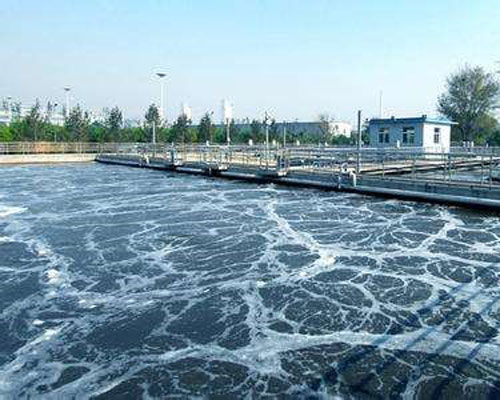
Polyacrylamide serves as a vital solid-liquid separation agent in sedimentation, clarification, concentration, and sludge dewatering processes. Cationic PAM powder (CPAM) excels in dewatering municipal biological sludge via belt filter presses, centrifuge decanters, and screw presses, increasing cake solids while leaving clear filtrate. Anionic PAM efficiently clarifies raw river intake water and high-turbidity industrial process streams.
In secondary and tertiary Enhanced Oil Recovery (EOR), ultra-high molecular weight APAM increases injected water viscosity, improving sweep efficiency across reservoir pore networks. For drilling fluids, nonionic and anionic PAM function as fluid-loss additives, shale inhibitors, friction reducers, and bit lubricants, helping transport drill cuttings under challenging high-temperature, high-salinity subterranean conditions.
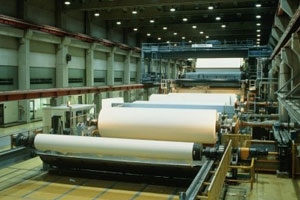
PAM serves as a dry/wet strength agent, retention aid, and filtration aid in modern paper machines. Cationic PAM retains fine fibers and mineral fillers (calcium carbonate, titanium dioxide), reducing raw material losses. Anionic garbage catchers neutralize interfering charge in closed white water systems, while specialized PAM dispersants promote uniform fiber distribution for superior sheet formation.

In coal preparation plants and mineral processing operations (gold, silver, iron, copper, nickel, alumina), PAM accelerates solid-liquid separation in thickeners and tailing ponds. High molecular weight APAM and NPAM clarify process water for immediate plant reuse, enabling closed-loop water systems and compliant tailings management.
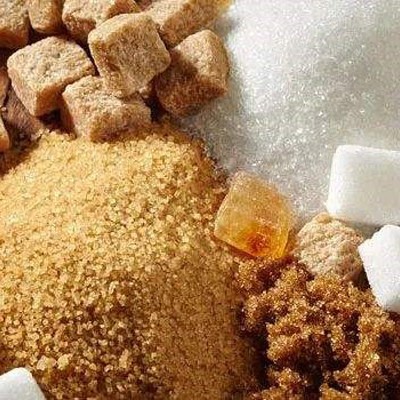
In sugar beet and sugarcane processing, food-grade APAM flocs insoluble impurities during juice clarification and flotation. Rapid mud settling yields clean juice, reduces scaling in evaporator tubes, and enhances sugar recovery yields while maintaining food safety standards.
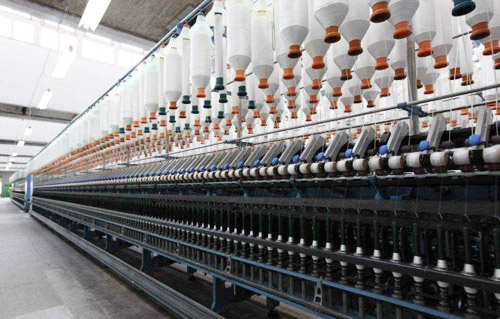
Textile printing and dyeing wastewater contains complex reactive dyes, sizing chemicals, and surfactants. Dual chemical treatment using inorganic coagulants alongside high-charge Cationic PAM effectively decolorizes waste streams, breaks emulsions, and removes chemical oxygen demand (COD).
Pioneering eco-friendly polymerization, temperature-resistant structures, and smart dosage controls.
As global environmental regulations shift toward lower carbon footprints and total circular economy compliance, the industrial polyacrylamide sector is undergoing rapid technical evolution. Factory R&D initiatives focus on three critical technology fronts:
Building on Oubo Chemical’s biological monomer production techniques, next-generation research focuses on genetic engineering of Rhodococcus rhodochrous strains. This aims to double nitrile hydratase conversion efficiency, eliminate residual unreacted monomer toxicity ($< 100 \text{ ppm}$), and achieve a near-zero carbon emission footprint during monomer synthesis.
Standard APAM chains tend to degrade under high-temperature, high-salinity (HTHS) subterranean conditions due to hydrolysis of amide groups and divalent cation precipitation ($Ca^{2+}, Mg^{2+}$). Next-generation Hydrophobically Associating Polyacrylamide (HAPAM) incorporates hydrophobic monomers into the hydrophilic backbone, creating self-assembling physical networks that maintain high viscosity even under severe reservoir conditions ($> 100^\circ\text{C}$ and $> 100,000 \text{ mg/L}$ TDS).
Modern wastewater plants are integrating IoT turbidity sensors, zeta-potential meters, and AI analytical algorithms with automated polymer dissolution feeders. Smart dosing adjustments dynamically respond to real-time changes in influent solids loading, reducing chemical waste by 15–25% while maintaining effluent compliance.
Secure moisture-barrier packaging formats engineered to maintain polymer stability across ocean transit.
Polyacrylamide powder is hygroscopic; exposure to atmospheric moisture leads to clumping, hydrolysis, and reduced active content. Qingdao Oubo Chemical provides standardized, reinforced multi-layer packaging solutions engineered for long-distance maritime transport and tropical humidity storage.
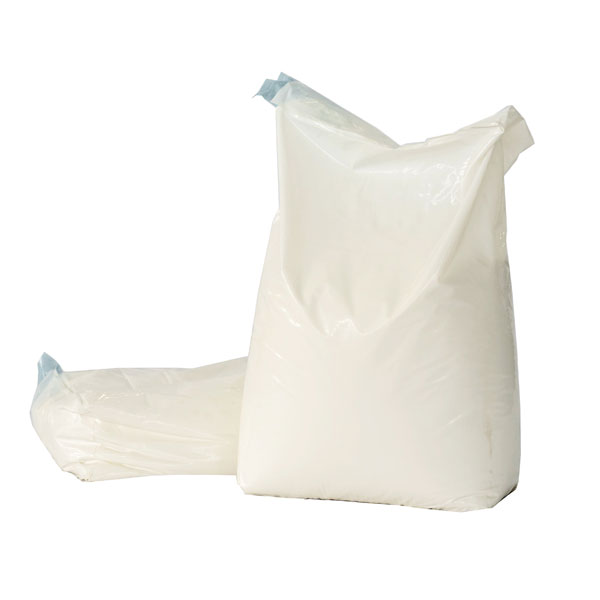
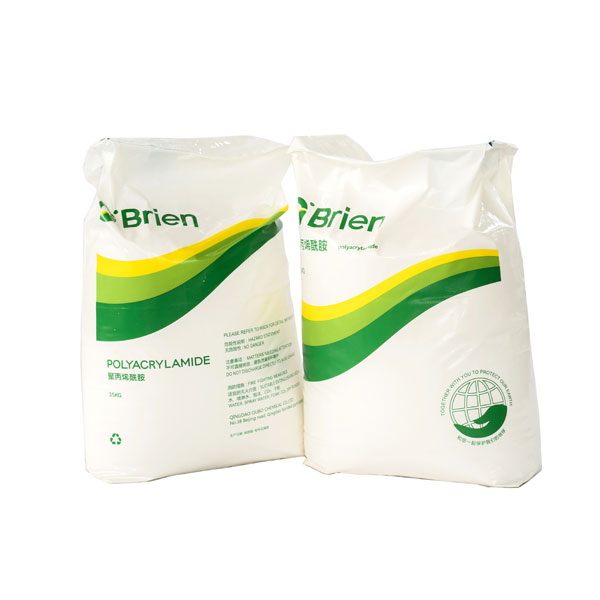
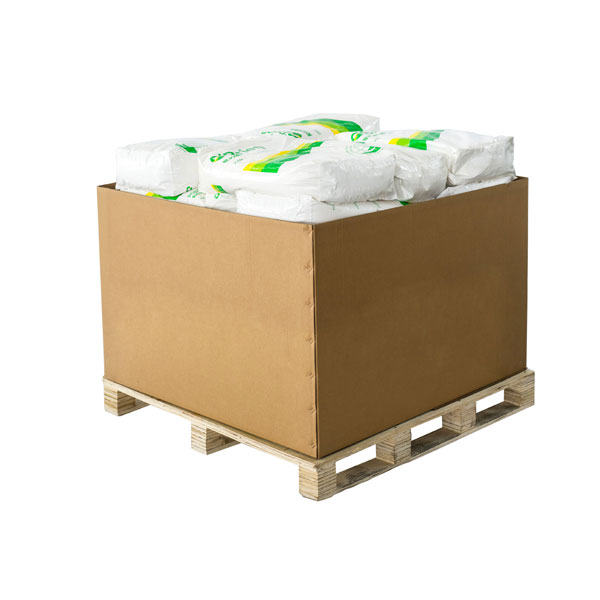
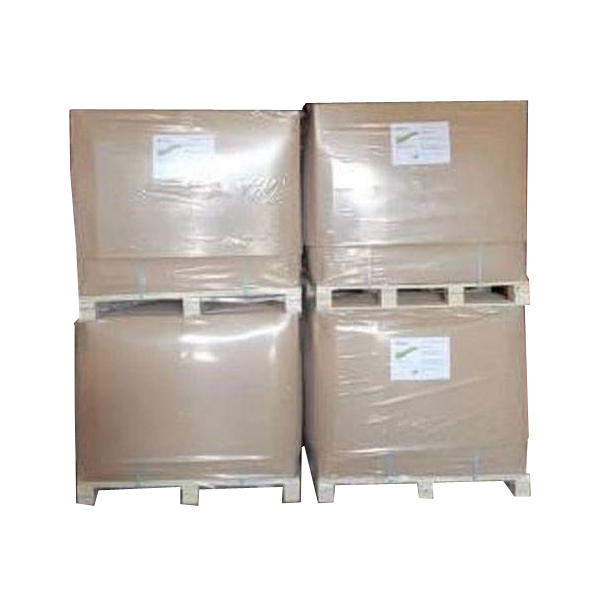
Store dry powder products in cool, dry, ventilated warehouses away from ignition sources, heat, and moisture. Unopened bags retain maximum efficacy for 24 months from the production date. Dissolved liquid solutions should ideally be used within 24–48 hours to avoid viscosity loss from polymer chain degradation.
Detailed chemical engineering answers covering selection criteria, dissolution procedures, chemical stability, and application troubleshooting.
Polyacrylamide selection depends primarily on the electrical surface charge (zeta potential) of suspended solids in your wastewater, system pH, and process machinery:
Standard dry PAM powder should be dissolved to a concentration of 0.1% to 0.3% (w/v) using clean, neutral tap water. Follow these key steps:
Dissolved aqueous PAM solutions degrade naturally over time due to chemical hydrolysis, shear cleavage, and biological consumption by micro-organisms. Anionic PAM solutions remain stable for 7 to 14 days, while Cationic PAM solutions degrade faster (typically within 24 to 48 hours) due to ester group hydrolysis. Keep solution tanks covered, avoid contact with rusty iron pipes, and prepare fresh batches daily for maximum cost efficiency.
Oubo Chemical operates an automated continuous production line certified under ISO9001:2008. Every production batch undergoes rigorous 3-stage testing before leaving our facility:
High-grade industry solutions engineered for specialized pulp & paper, mineral processing, and municipal wastewater applications.
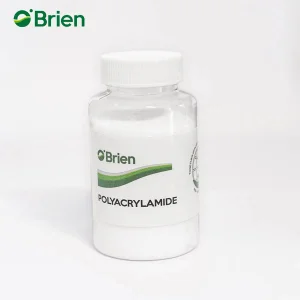
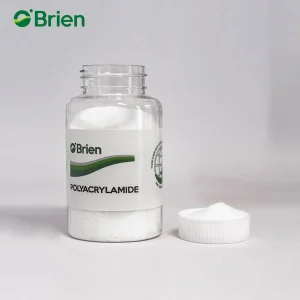
 Oubo Chemical