High-performance Cationic, Anionic, and Nonionic Polyacrylamide formulations synthesized for targeted liquid-solid separation, sludge dewatering, and enhanced industrial yield.
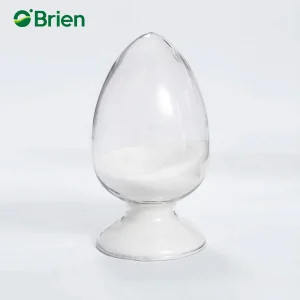
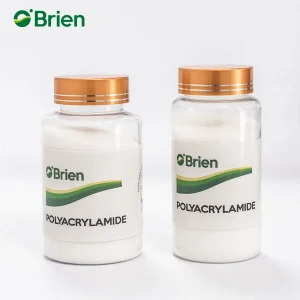
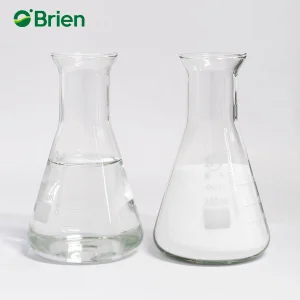
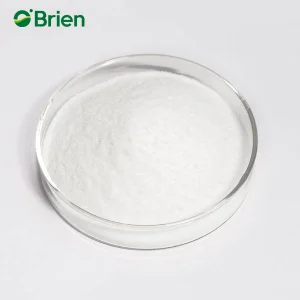
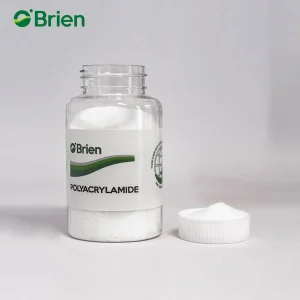
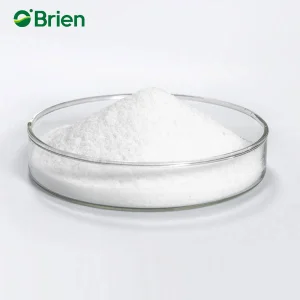
Qingdao Oubo Chemical Co., Ltd.: Driving innovation in synthetic water-soluble polymers with patented biological manufacturing technologies and world-class quality management.
Oubo Chemical Co., Ltd was established in 2011, strategically situated in the Free Trade Zone of Qingdao, China. Over the past decade, our commitment to technical precision and process optimization has propelled our business growth at an average rate exceeding 10% annually. The quality control system of O'brien is strict and comprehensive, ensuring every shipment conforms to stringent international standards.
Qingdao Oubo Chemical Co., Ltd is highly committed to quality, customer service, and pays paramount attention to environmental sustainability during polymer production and global industrial application. The annual capacity of polyacrylamide surpassed 50,000 Metric Tons in 2018, and the quality management system of Oubo has been officially certified by ISO9001:2008. We proudly stand behind our product line and global engineering support.
Oubo Chemical specializes in supplying high-grade Cationic Polyacrylamide (CPAM), Anionic Polyacrylamide (APAM), and Nonionic Polyacrylamide (NPAM). We utilize proprietary biological enzymatic methods to produce polyacrylamide monomers, a cutting-edge technique for which patents have been applied for.
Unlike traditional chemical synthesis, our bio-catalytic process yields acrylamide monomers with exceptionally high purity, free from toxic side-products, lower residual monomer content (<0.05%), and hyper-linear molecular weight distribution. We invest €2 hundred million into scientific research per year to maintain technical leadership and continuously develop specialized polymers tailored for complex industrial effluents.
Qingdao OUBO Chemical Co., Ltd is a world leading manufacturer of Polyacrylamide. Utilizing patented biological methods to synthesize acrylamide, backed by €200M annual R&D investment for technical excellence.
Integrated global supply chain sourcing raw materials from premier global partners like SINOPEC and Eni. Automated production lines with 3-tier batch testing by QC teams under ISO9001 compliance.
Over a decade of specialized PAM manufacturing offering unmatched cost-to-performance metrics. Our technical engineering team actively participates across pre-sales jar testing, formulation, and field execution.
Dedicated field chemical engineers support clients in dosage selection, polymer preparation unit design, and after-sales process optimization to achieve optimal solid-liquid separation.
Understanding molecular weight synthesis, ionic charge density, and structural morphology for optimal industrial performance.
Polyacrylamide (CAS 9003-05-8) is a synthetic, water-soluble linear polymer formed by the polymerization of acrylamide (AM) monomers. It is widely utilized across heavy industries as a primary flocculant, coagulant aid, rheology modifier, thickener, and drag reducer. The functional characteristics of PAM are governed by two fundamental parameter axes: Molecular Weight (MW) (ranging from 3 Million to over 22 Million Daltons) and Ionic Charge Types & Density (Cationic, Anionic, Nonionic, and Amphoteric).
| Polymer Type | Functional Monomers | Charge Degree (%) | Molecular Weight (Million) | Primary Industrial Applications |
|---|---|---|---|---|
| Cationic (CPAM) | Acrylamide + DAC / DMC / MAPTAC | 10% – 80% | 6 – 15 Million | Municipal Sludge Dewatering, Belt Press, Centrifuge, Dyeing Wastewater, Papermaking Retention. |
| Anionic (APAM) | Acrylamide + Acrylic Acid (AA) / NaAA | 5% – 60% | 8 – 22 Million | Mineral Processing, Coal Washing, EOR Oilfield Flooding, Neutral/Alkaline Industrial Effluent, Clay Settling. |
| Nonionic (NPAM) | Pure Acrylamide Homopolymer | 0% – 5% | 3 – 15 Million | Acidic Industrial Wastewater, Soil Stabilization, Metallurgy Leach Liquors, Textile Sizing. |
| Amphoteric (AMPAM) | AM + Cationic Monomer + Acrylic Acid | Variable Dual Charge | 5 – 12 Million | Complex Refractory Wastewater, Sludge with Fluctuating pH, High-Salinity Dewatering. |
Oubo Chemical provides engineered solutions optimized for distinct industrial wastewater, mining, paper, and energy sectors globally.
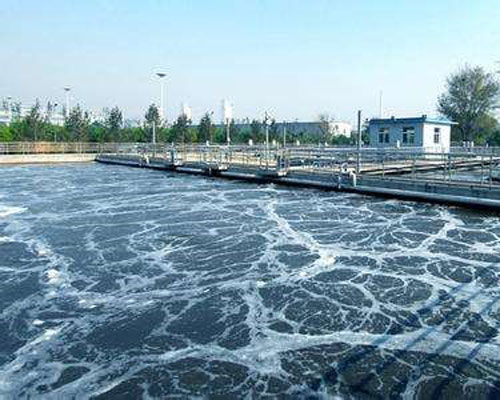
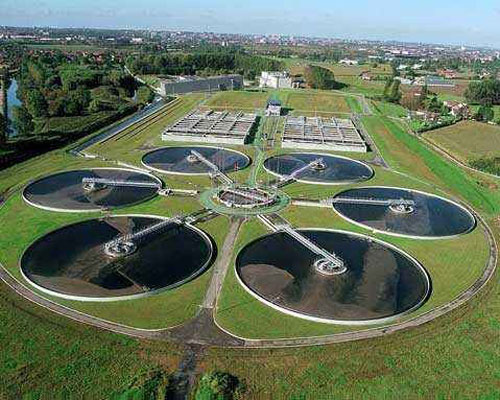
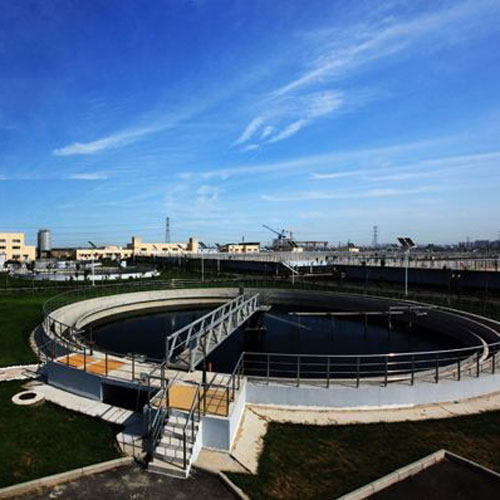
As a core flocculating agent, PAM is critical in solid-liquid separation processes including primary clarification, sedimentation, dissolved air flotation (DAF), and sludge dewatering.
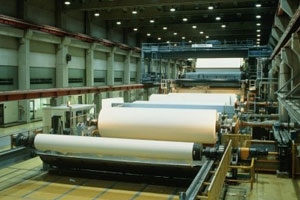
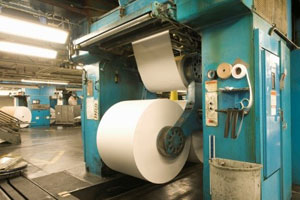
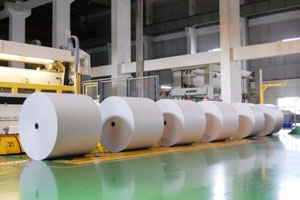
Our specialized PAM polymers act as wet-end retention aids, drainage accelerators, anionic trash catchers, and paper strength enhancers.
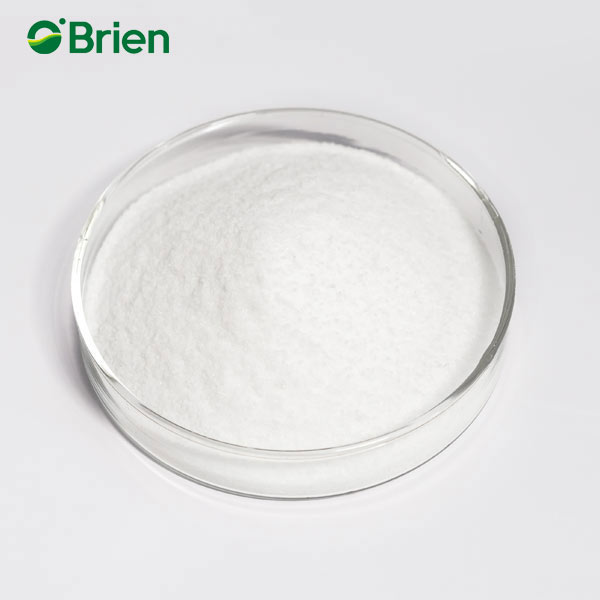

Polyacrylamide plays a fundamental role in tertiary oil recovery (EOR), profile control, hydraulic fracturing, and drilling fluid stabilization.

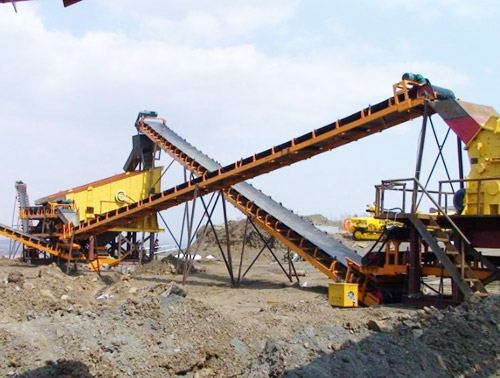
Tailored ionic flocculants for mineral slurry thickening, tailings dewatering, and leach solution clarification across diverse mining sectors.
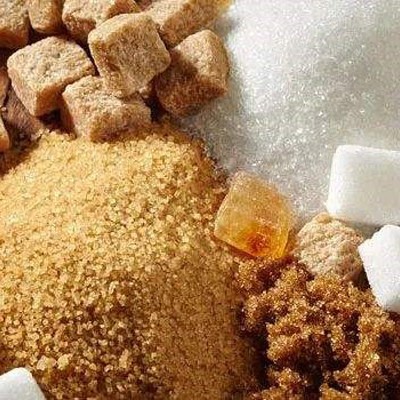
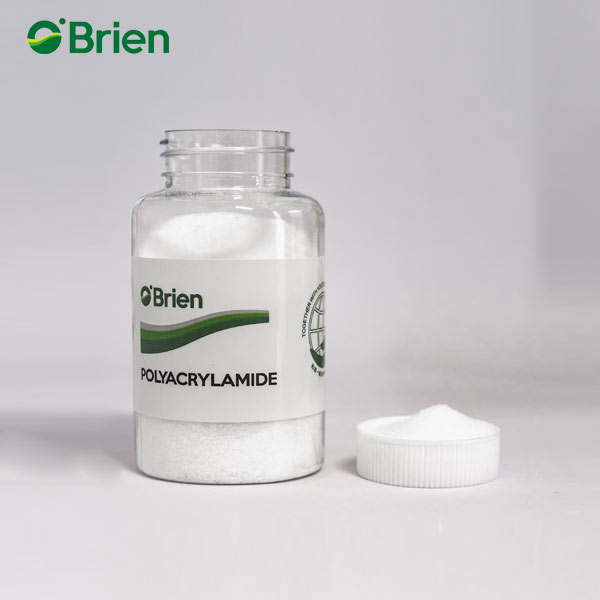
Food-grade compliant PAM polymers developed specifically for juice clarification, syrup filtration, and sugar cane extraction enhancement.
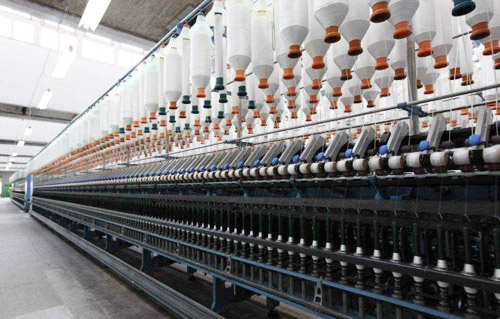
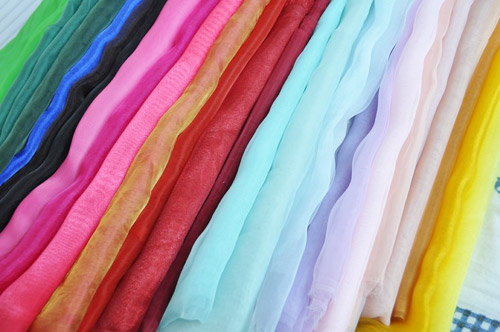
PAM functions both as an effective textile chemical auxiliary and a high-performance decolorizing flocculant for textile effluent treatment.



Pioneering sustainable, ultra-high molecular weight water-soluble polymers engineered for extreme shear and thermal stability.
Traditional acrylamide production relies on copper-catalyzed nitrile hydration, which leaves metallic impurities, unwanted acrylic acid byproducts, and unreacted toxic monomer fractions. Oubo Chemical’s patented Microbial Nitrile Hydratase Technology converts acrylonitrile into acrylamide at ambient temperature and pressure with near 100% selectivity.
Our long-term R&D roadmap focuses on pushing polymer performance under harsh industrial environments (high shear, high salinity, extreme pH):
Phase 1 (Achieved): Bio-acrylamide scale-up reaching 50,000 MT/year capacity and ISO9001 quality validation.
Phase 2 (Current Deployment): Temperature-Resistant & Salt-Tolerant APAM for deep offshore Enhanced Oil Recovery.
Phase 3 (Next-Gen Roadmap): Micro-emulsion instant liquid PAM polymers with dissolution times under 5 minutes for automated dosing.
Located in Qingdao Free Trade Zone, Oubo Chemical integrates raw material security, automated manufacturing, and robust export packaging.
Global industrial supply chain volatility requires unwavering raw material stability. Oubo Chemical has established strategic upstream partnerships with international petrochemical leaders including SINOPEC and Eni. This upstream integration guarantees a steady feed of high-purity Acrylonitrile (AN) monomer regardless of global market disruptions.
All production lines within our Qingdao facility are fully automated and PLC-controlled, eliminating human error in thermal control, initiator dosing, and drying cycles. Each batch undergoes triple testing by our dedicated Quality Control team prior to warehouse release.
Our presence within the Qingdao Free Trade Zone offers distinct logistics advantages for international buyers:
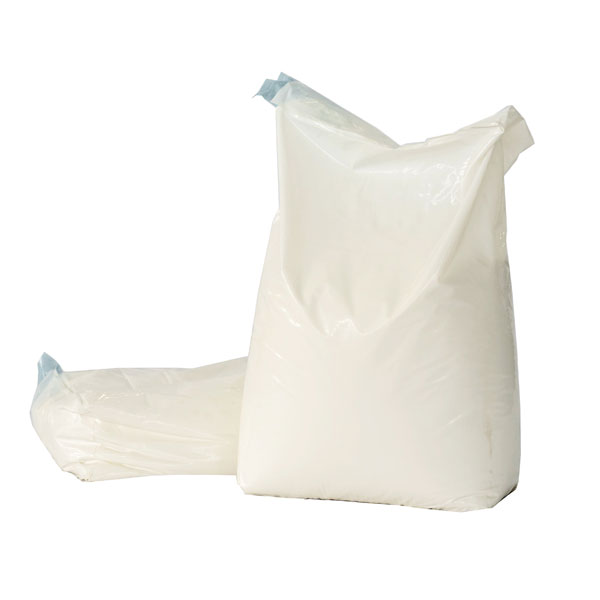
Unbranded 25kg kraft paper/PE inner lined bags suitable for OEM distributors and private labeling.
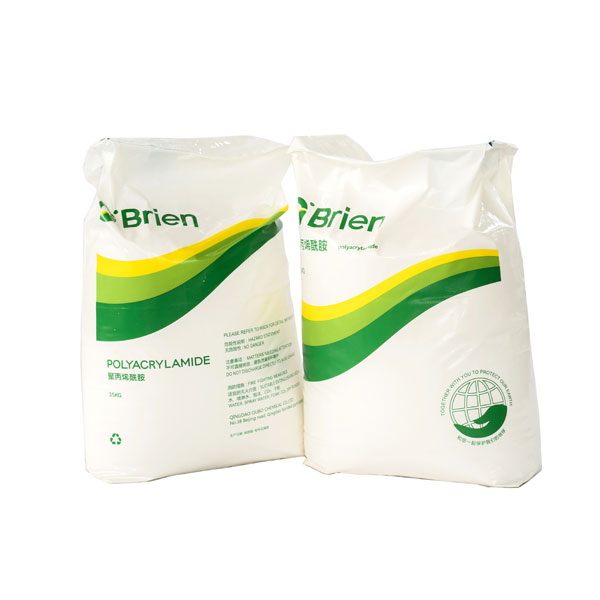
Standard branded 25kg moisture-proof valve bags with clear chemical specs and safety markings.
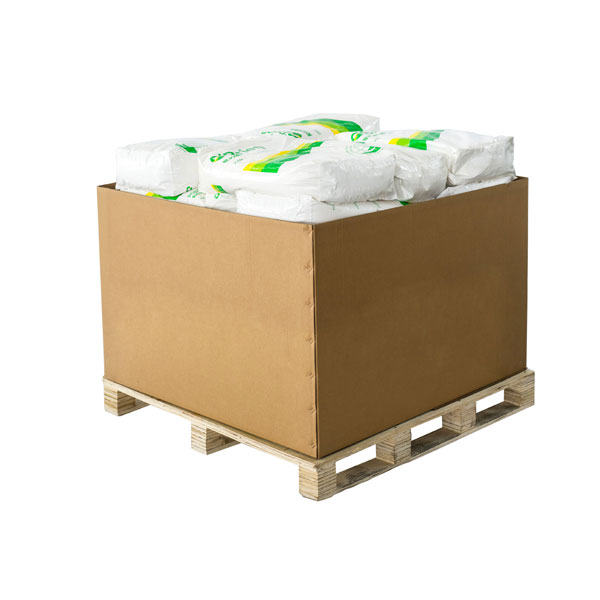
Heavy-duty woven polypropylene super sacks engineered for automated big-bag discharge stations.
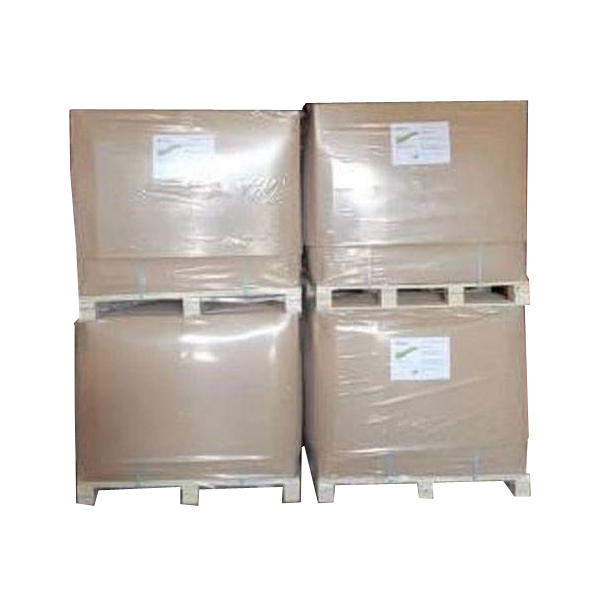
Shrink-wrapped Euro/Standard wooden or plastic pallets providing full stability during ocean transit.
Rigorous ISO9001 batch testing and comprehensive pre-sales/after-sales field laboratory support.
Every lot produced at Oubo Chemical undergoes a 3-tier lab analysis before clearance:
We provide full pre-sales application support to determine the exact polymer grade and dosage for your specific wastewater or process slurry:
Our experienced field engineers assist clients globally in maximizing operational efficiency:
Expert answers regarding polymer preparation, ionic selection, dosage optimization, and storage conditions.
Selection depends primarily on the electrical charge (Zeta potential) of the suspended particles in your water or sludge. As a general rule:
• Cationic (CPAM): Used for negatively charged organic particles, typical of municipal sewage sludge, food processing waste, and dyeing effluent.
• Anionic (APAM): Used for positively charged or neutral inorganic mineral suspensions, such as coal slurry, sand washing, iron ore tailings, and clay suspensions.
• Nonionic (NPAM): Best suited for acidic industrial wastewater (low pH), complex mineral leaching, and soil moisture retention where ionic charges are shielded.
Powdered PAM should typically be dissolved to a concentration of 0.1% to 0.3% (w/v) using clean tap water. Dissolution should take place in a tank equipped with a low-shear impeller (100–300 RPM).
• Dissolution Time: Anionic and Nonionic PAM require approximately 45–60 minutes of gentle agitation. Cationic PAM requires 60–90 minutes to ensure full molecular chain extension without creating un-dissolved gel "fish eyes".
Polyacrylamide features extremely long macromolecular chains (high molecular weight). High-shear mixing, centrifugal transfer pumps, or high-speed agitators physically cleave these polymer chains (mechanical degradation), resulting in a permanent loss of viscosity and bridging capability. Always use low-shear progressive cavity pumps or diaphragm pumps to transfer prepared PAM solutions.
Dry PAM powder stored in original sealed, moisture-proof packaging in a cool, dry warehouse has a shelf life of 2 years. Once dissolved in water:
• Anionic / Nonionic solutions: Stable for 7 to 14 days.
• Cationic solutions: Hydrolyze faster; recommended for use within 24 to 48 hours for maximum dewatering effectiveness.
Warm water (between 20°C and 40°C) accelerates the dissolution rate of PAM. However, water temperatures should never exceed 50°C, as elevated temperatures trigger thermal degradation, chain scission, and loss of polymer activity. Cold water (<10°C) will prolong dissolution times significantly, requiring extended mixing cycles.
Explore our full series of targeted PAM polymer grades engineered for high-performance industrial applications worldwide.
 Oubo Chemical