Polyacrylamide (CAS 9003-05-8) represents a pivotal class of synthetic linear water-soluble polymers constructed from monomeric acrylamide units ($-\text{CH}_2\text{CH(CONH}_2\text{)}-$). Operating at the intersection of colloidal chemistry, rheology, and macromolecular engineering, Polyacrylamide gels and dry powders function as primary flocculants, rheology modifiers, friction reducers, and wet-end retention aids across diverse global industrial ecosystems.
The physical behavior and bridging performance of Polyacrylamide gel matrices are dictated by their ionic modification, molecular weight, hydrolytic kinetics, and spatial configuration:
Copolymer Structure: Acrylamide co-polymerized with cationic monomers such as DAC (Dimethylaminoethyl Acrylate Methyl Chloride) or ADAM.
Charge Density Range: 5% to 80% mole charge.
Primary Function: Neutralizes negatively charged colloidal particles in organic sludge (municipal wastewater, tannery, dyeing) enabling high-speed mechanical sludge dewatering.
Copolymer Structure: Acrylamide synthesized with Acrylic Acid (AA) or sodium acrylate co-monomers, or controlled post-hydrolysis.
Molecular Weight Range: 6 Million to 25 Million $M_w$.
Primary Function: Forms extensive molecular polymer bridges across inorganic suspended solids in neutral to alkaline mineral slurries and industrial wastewater.
Homopolymer Structure: Pure Acrylamide homopolymer with minimal electrical charge density ($< 2\%$ hydrolysis).
Key Properties: High hydrogen bonding capability.
Primary Function: Exceptional performance in acidic wastewater media, filtration enhancement, mineral tailing thickening, and selective soil stabilization.
Explore our core high-molecular-weight PAM chemical inventory engineered for extreme industrial performance:
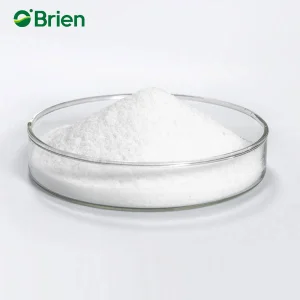
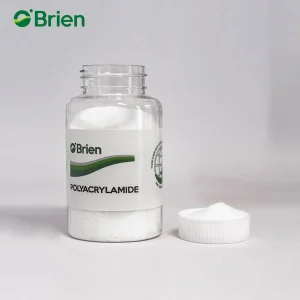
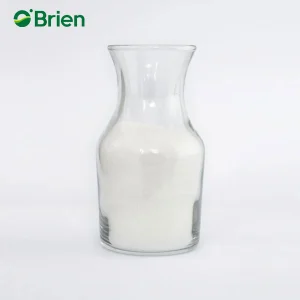
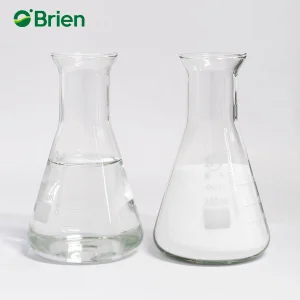
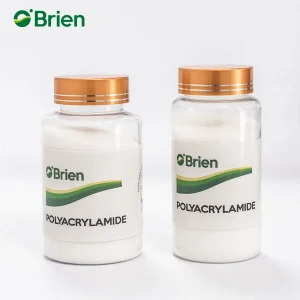
Polyacrylamide polymers are indispensable functional chemicals across modern heavy industry, municipal infrastructure, and resource extraction. As environmental regulations tighten globally (such as the EU Water Framework Directive and US EPA discharge standards), the demand for high-efficiency, zero-toxic polymer chemistries continues to expand.
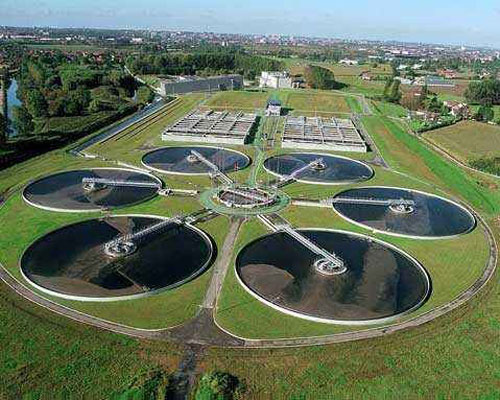
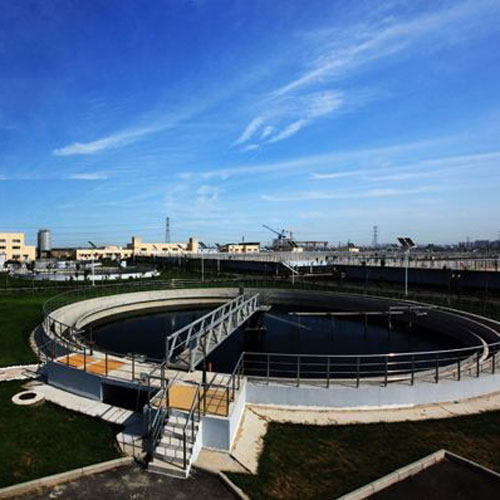
In urban sewage plants and heavy industrial facilities (leather, paper making, citric acid, dyeing, pharmaceutical), Polyacrylamide serves as the master flocculant. During sedimentation, clarification, and sludge dewatering phases, APAM and CPAM induce rapid aggregation of fine colloidal matter into macro-flocs.
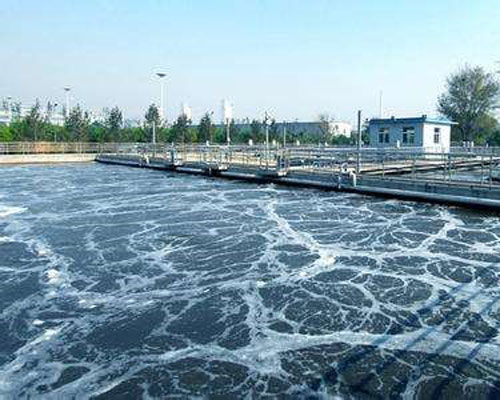
Municipal Water Clarification
Industrial Effluent Treatment
High-Dryness Sludge Filter Press
Automated Polymer Preparation Unit
Modern paper mills utilize Polyacrylamide to enhance wet-end chemistry performance, increase machine speed, and optimize sheet strength properties.
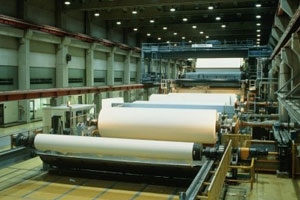
Paper Web Formation & Dewatering
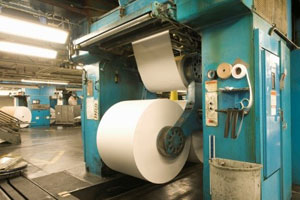
High-Speed Paper Production
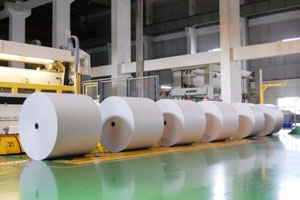
Pulp Fiber Uniform Dispersion
Significantly improves the retention rate of fine fibers and fillers (calcium carbonate, titanium dioxide) while increasing wire dewatering speed, reducing energy consumption in the drying section.
Neutralizes interfering anionic contaminants in recycled pulp systems. Forms strong hydrogen and covalent bonds with cellulose fibers to elevate tensile, burst, and ring crush strength.
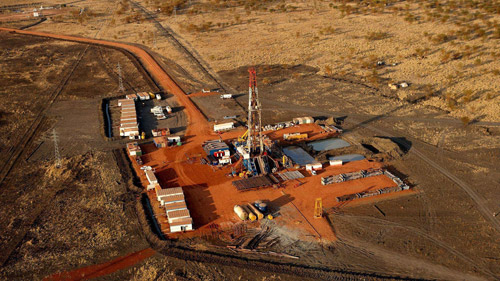
In tertiary oil recovery, ultra-high molecular weight APAM increases the viscosity of injected water, improving sweep efficiency in subterranean reservoirs.
EOR Polymer Flooding Site
Drilling Mud Rheology Modifier
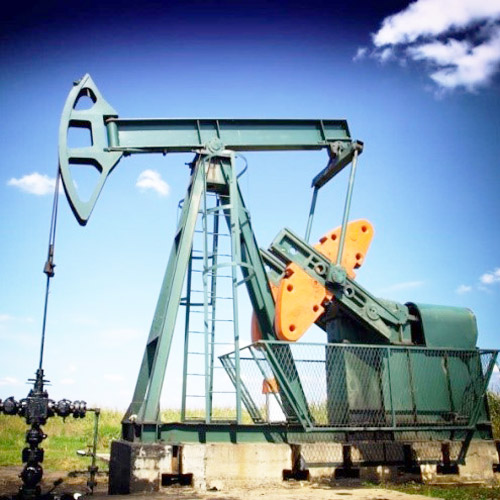
Slickwater Hydraulic Fracturing
In mineral dressing, PAM accelerates solid-liquid separation via sedimentation and filtration for valuable metals and coal tailings.

Coal Washing Slurry Clarification
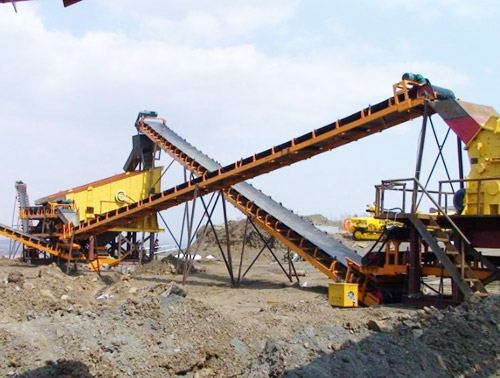
Tailings Thickener & Dewatering

Metallurgical Ore Solid-Liquid Separation
Food-grade Anionic and Nonionic Polyacrylamide formulations are applied in sugar juice clarification and flotation to rapidly remove impurities and micro-particles without leaving toxic residues.
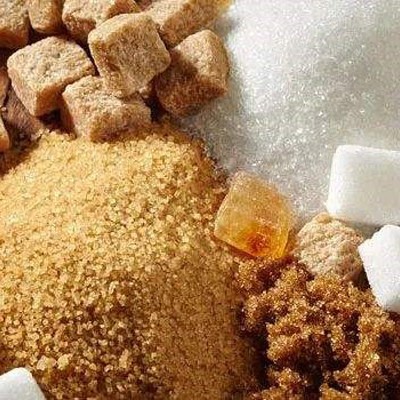
Sugar Juice Clarification
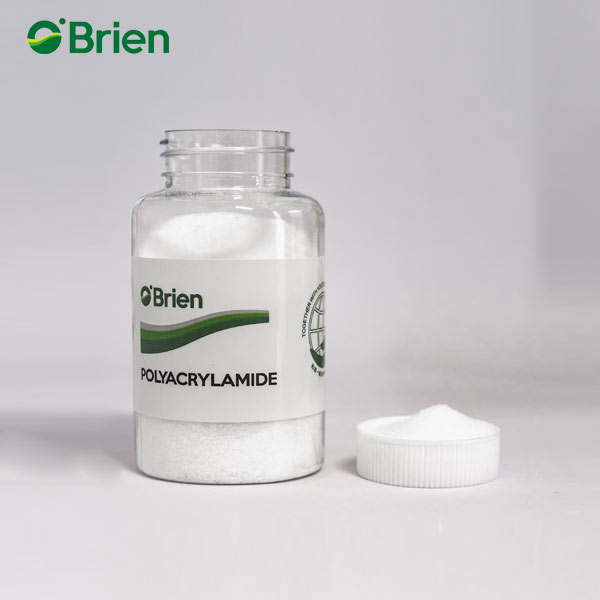
Sugar Refining Flotation Process
In textile processing, PAM acts as a durable sizing agent to smooth yarns, reduce thread breakage during weaving, and serves as an effective primary decolorizing flocculant for dye effluents.
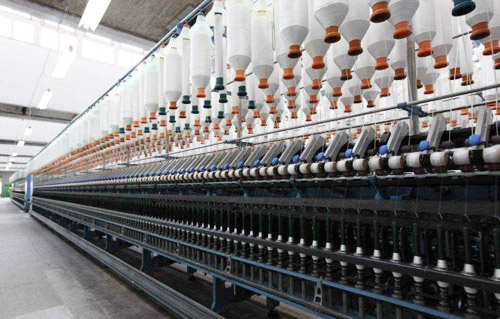
Textile Warp Sizing Agent

Fabric Treatment & Finishing
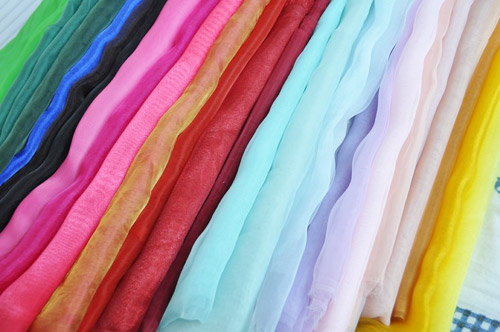
Dye Wastewater Decolorization
Established in 2011 within the Qingdao Free Trade Zone, China, Qingdao Oubo Chemical Co., Ltd. (Brand: O'brien) has engineered a world-class manufacturing infrastructure for Polyacrylamide resins. Maintaining an annual growth rate exceeding 10% for over a decade, Oubo achieved an annual production capacity surpassing 50,000 Metric Tons in 2018, backed by comprehensive ISO 9001:2008 certification.
We utilize advanced bio-enzymatic catalysis for acrylamide monomer synthesis (patent protected), achieving higher purity, zero toxic contaminants, and enhanced polymerization stability compared to legacy chemical methods.
Our raw materials are strategically sourced from industry leaders such as SINOPEC and Eni. Production lines are 100% automated with real-time process monitoring.
Every batch of Polyacrylamide undergoes 3 rigorous quality tests prior to dispatch: raw material assay, dynamic viscosity polymerization monitoring, and end-user jar testing verification.
Our expert chemical engineers participate across pre-sales water testing, polymer model selection, bench-scale optimization, and on-site plant execution.
Oubo Chemical ensures polymer integrity across worldwide ocean transit through standardized moisture-proof industrial packaging:
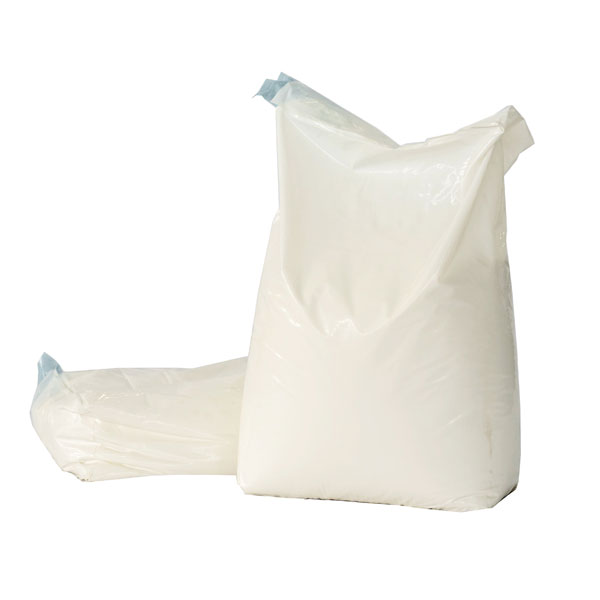
OEM / Blank Neutral Bags
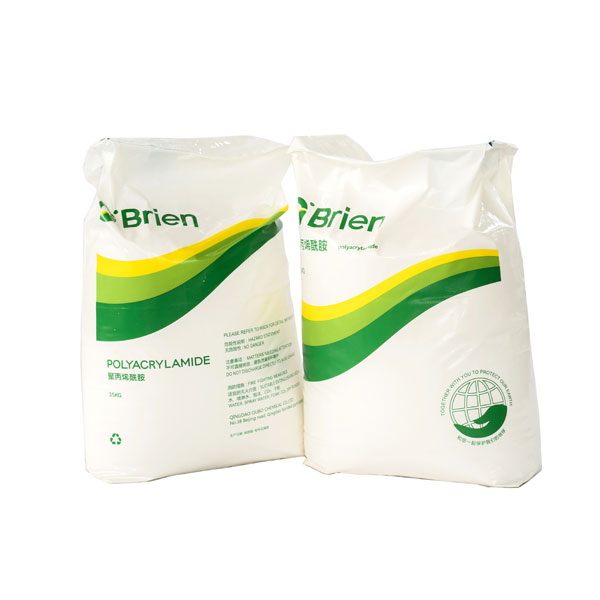
Standard O'brien 25kg Kraft Bags
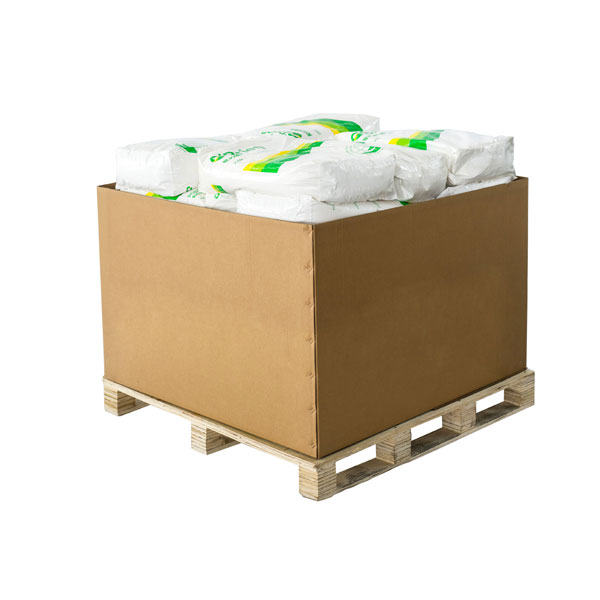
Multi-Wall Moisture Barrier Packaging
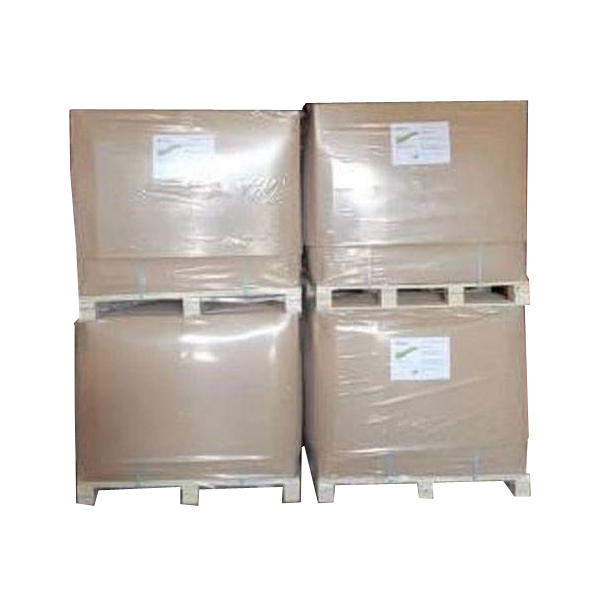
Palletized Heat-Shrink Export Wrapping
Compare physical and chemical metrics across our standard Polyacrylamide polymer portfolio:
| Polymer Type | Molecular Weight ($M_w$, Million) | Charge Density (%) | Solid Content (%) | Dissolution Time (Min) | Typical Industrial Target |
|---|---|---|---|---|---|
| Anionic PAM (APAM) | 12 - 25 Million | 10% - 60% (Anionic) | $\ge 88\%$ | $\le 50$ | Mineral flotation, oil EOR, industrial clarification |
| Cationic PAM (CPAM) | 8 - 15 Million | 5% - 80% (Cationic) | $\ge 89\%$ | $\le 45$ | Municipal sludge dewatering, paper retention, tannery wastewater |
| Nonionic PAM (NPAM) | 6 - 12 Million | $< 2\%$ (Nonionic) | $\ge 88\%$ | $\le 60$ | Acidic wastewater, soil conservation, textile warp sizing |
| Amphoteric PAM | 10 - 16 Million | Dual Ionic Modification | $\ge 88\%$ | $\le 45$ | Refractory wastewater, high-salinity sludge dewatering |
Oubo Chemical continues to invest over €200 Million in cutting-edge R&D to pioneer green chemical synthesis and high-performance macromolecules:
Engineered for deep-well Enhanced Oil Recovery ($T > 100^\circ\text{C}$ and $TDS > 150,000\text{ ppm}$), featuring AMPS monomers to maintain high viscosity under severe shear stress and high salinity.
Advancing enzymatic catalysis to push unreacted acrylamide monomer levels down below 0.01% ($100\text{ ppm}$), meeting strict potable drinking water standards worldwide (NSF/ANSI Standard 60).
Developing ultra-fast dissolving liquid invert emulsions with inline dynamic viscosity monitoring, designed for integrated AI-driven smart wastewater treatment plants.
Answers to common questions regarding Polyacrylamide selection, preparation, and field troubleshooting:
Selection is primarily determined by the surface charge of suspended solids in your wastewater. Organic sludge (such as biological sludge from municipal sewage or food plants) typically carries a negative charge and requires Cationic Polyacrylamide (CPAM). Inorganic suspended solids (such as sand, clay, or mineral tailings) respond best to Anionic Polyacrylamide (APAM). Acidic effluents or non-charged slurries benefit most from Nonionic Polyacrylamide (NPAM). Bench-scale jar testing is strongly recommended to determine exact charge density and dosage.
Dry Polyacrylamide powder should be dissolved to a concentration of 0.1%–0.3% (w/v) using clean, neutral tap water ($pH\text{ }6.5–7.5$). Slowly disperse the powder into a vortex created by a mechanical stirrer running at 200–400 RPM to prevent the formation of undissolved agglomerates ("fish eyes"). Maintain continuous stirring for 45–60 minutes until fully dissolved. Avoid ultra-high shear mixers ($>1000\text{ RPM}$) as high mechanical shear degrades the long molecular polymer chains.
Bio-catalytic synthesis utilizes natural enzymes to convert acrylonitrile into acrylamide monomer at mild temperatures. Unlike copper-catalyzed chemical synthesis, the biological method leaves zero heavy metal copper impurities, generates zero hazardous side products, produces a higher molecular weight monomer, and guarantees higher polymerization consistency for critical environmental applications.
Unopened dry Polyacrylamide powder has a shelf life of 24 months when stored in a cool, dry, well-ventilated warehouse below $35^\circ\text{C}$, protected from direct sunlight and humidity. Once prepared into a liquid solution, CPAM solutions should be consumed within 24 hours, while APAM and NPAM solutions remain stable for 48–72 hours before viscosity loss occurs due to aqueous hydrolysis.
Yes. Oubo Chemical customizes polymer formulations by incorporating salt-tolerant monomers like AMPS (2-Acrylamido-2-Methylpropanesulfonic Acid). This modification enhances viscosity retention in high-salinity brines (up to 200,000 ppm TDS) and high temperatures ($>90^\circ\text{C}$), making it ideal for harsh oilfield EOR and offshore hydraulic fracturing.
Select specialized polyacrylamide polymers tailored for specific industrial sectors and industrial applications:
 Oubo Chemical