Explore our premium polymer formulations optimized for high-efficiency liquid-solid separation across global industrial verticals.
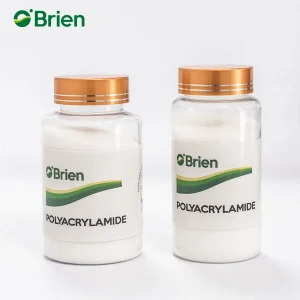
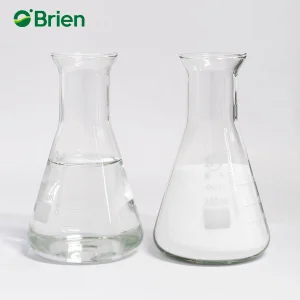
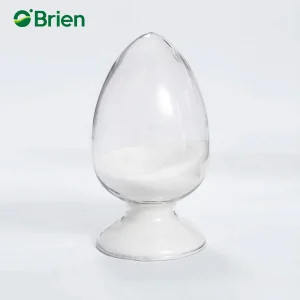
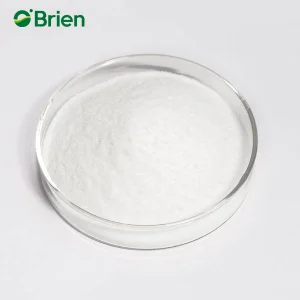
Oubo Chemical Co., Ltd was established in 2011, strategically located in the Free Trade Zone of Qingdao, China. The Quality Control (QC) framework of O'brien is strict and comprehensive. Over the past decade, our annual business growth rate has consistently reached 10%. Qingdao Oubo Chemical Co., Ltd is deeply committed to quality, technical excellence, and environmental stewardship throughout polymer synthesis and field application.
Oubo specializes in manufacturing and supplying Cationic Polyacrylamide (CPAM), Anionic Polyacrylamide (APAM), and Nonionic Polyacrylamide (NPAM). Equipped with automated bio-fermentation reactors, advanced analytical machinery, and a professional engineering staff, we guarantee consistent lot-to-lot reliability. Our annual polyacrylamide production capacity exceeded 50,000 Metric Tons in 2018 under ISO 9001:2008 quality management certification.
Addressing the shifting paradigm in global water scarcity, stringent discharge mandates, and industrial resource efficiency.
The modern industrial ecosystem is undergoing an unprecedented transition driven by strict environmental regulations, ESG (Environmental, Social, and Governance) directives, and the imperative for zero liquid discharge (ZLD). Water treatment polymers, particularly Polyacrylamide Fs-P-9003 and its derivative formulations (CAS 9003-05-8), serve as the foundational backbone for municipal and industrial liquid-solid separation worldwide.
Municipal wastewater authorities and heavy industrial plants face escalating operational costs and tighter phosphorus/heavy metal limits. High-performance polyacrylamides act as rapid bridge-building flocculants, reducing suspended solids (TSS) by over 99% and facilitating clean water reuse within closed-loop industrial systems.
In mining operations—ranging from copper, gold, and iron ore extraction to modern lithium and cobalt processing—flocculation efficiency directly impacts metal recovery yield. Tailings dewatering with NPAM/APAM polymers minimizes environmental tailing dam hazards while maximizing water recovery in arid mining basins.
Mature oil fields require advanced polymer flooding techniques to maintain reservoir pressure and increase sweep efficiency. Ultra-high molecular weight anionic polyacrylamide solutions alter fluid rheology, lowering water cut ratios and extending the productive lifespan of energy reservoirs.
Understanding the molecular weight, charge density, intrinsic viscosity, and ionic classifications of synthetic acrylamide polymers.
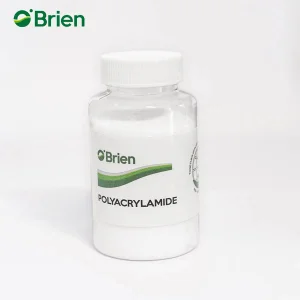
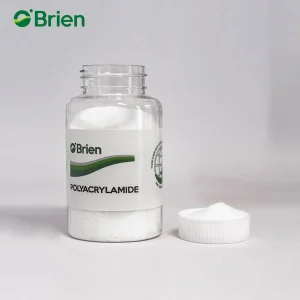
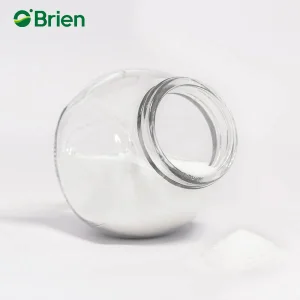
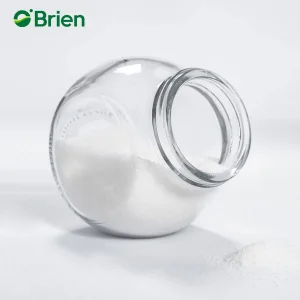
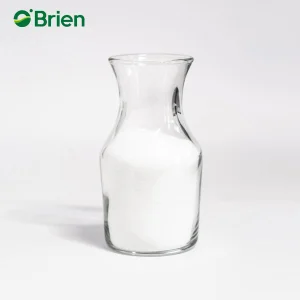
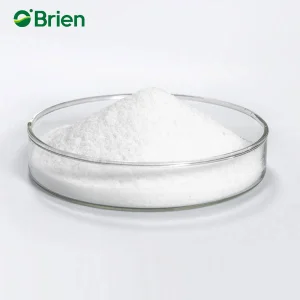
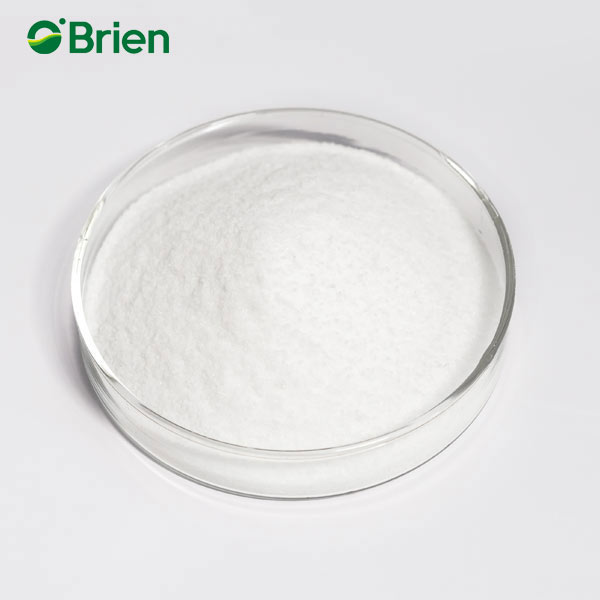
Polyacrylamide (PAM) is a synthetic water-soluble resin formed through the free-radical polymerization of acrylamide monomers. It presents physically as a dry white powder or granular solid. Due to its high concentration of reactive side-chain amide groups (-CONH2), PAM can be modified to carry negative charges (Anionic), positive charges (Cationic), or remain non-ionic.
PAM functions via two principal mechanisms: Charge Neutralization (destabilizing negatively charged colloidal particles with cationic charges) and Polymer Bridging (long polymer chains absorbing onto multiple solid particles simultaneously, forming massive, rapidly settling flocs).
| Polymer Type | Ionic Degree / Hydrolysis | Molecular Weight (Million) | Dissolution Time | Primary Industrial Application |
|---|---|---|---|---|
| Anionic PAM (APAM) | 10% – 60% Low to High | 6 – 25 Million | ≤ 60 Minutes | Mineral Processing, Oilfield EOR, Industrial Wastewater, Paper Strength |
| Cationic PAM (CPAM) | 5% – 80% Charge Density | 8 – 15 Million | ≤ 45 Minutes | Municipal Sludge Dewatering, Belt Press, Centrifuge, Dyeing Wastewater |
| Nonionic PAM (NPAM) | Hydrolysis < 5% | 5 – 12 Million | ≤ 90 Minutes | Acidic Wastewater, Coal Tailings Dewatering, Soil Stabilization |
| Polyacrylamide Fs-P-9003 Grade | Engineered Specification | 12 – 22 Million | ≤ 50 Minutes | High-Shear Filtration, Petrochemical Clarification, Specialty Dewatering |
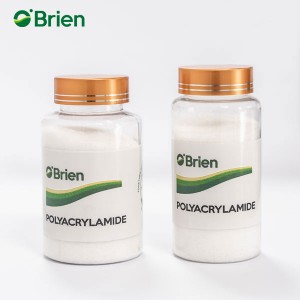
Optimized for high-organic sludge dewatering, belt filter presses, centrifuge decanters, and acidic-to-neutral pH environments.
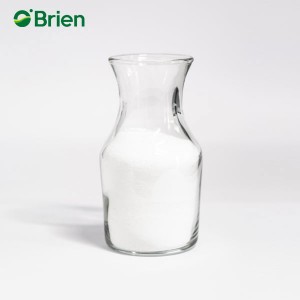
Engineered for mineral slurry settlement, high-alkalinity wastewater, retention aids in papermaking, and tertiary oil recovery.
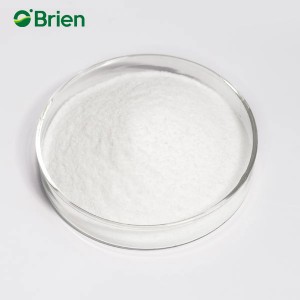
Designed for neutral and strong acidic media, low-charge industrial effluence, soil conditioning, and specialty leaching processes.
In-depth technical analysis of Oubo Polyacrylamide solutions across key global industrial sectors.
As a premier flocculating agent, polyacrylamide plays an indispensable role in liquid-solid separation, including gravitational sedimentation, flotation clarification, thickening, and sludge dewatering. Increasingly stringent discharge regulations drive the modernization of municipal treatment plants and industrial zero-discharge facilities worldwide.
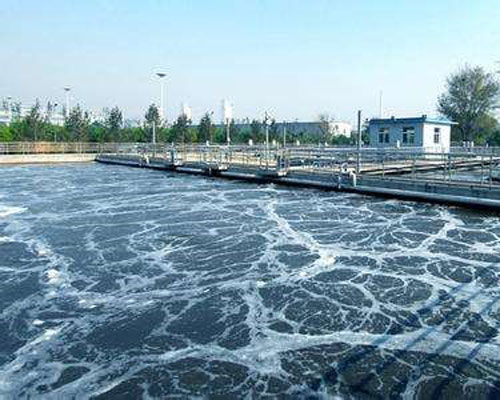
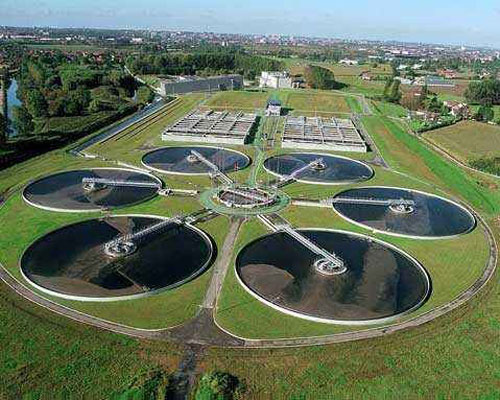
In municipal sewage treatment, CPAM is extensively used alongside inorganic coagulants (PAC/PFC). Beyond municipal plants, Oubo PAM solutions are widely deployed across specialized industries including tannery and leather processing, paper manufacturing, citric acid production, vegetable protein extraction, textile dyeing, pharmaceutical synthesis, and incense production.
In the papermaking wet-end process, polyacrylamide serves as a retention aid, drainage accelerator, dry strength booster, and white water clarifier. Correct polymer selection drastically reduces raw material loss while enhancing paper machine runnability.
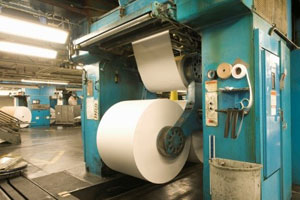
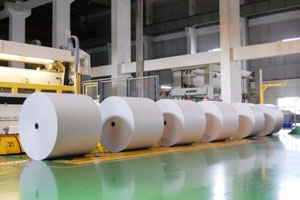
Significantly improves fine fiber retention and filler yield, accelerates wire dewatering rate, and reduces energy consumption during thermal sheet drying.
Neutralizes dissolved and colloidal organic trash in recycled pulp streams, restoring wet-end charge balance and maximizing functional additive efficiency.
Forms covalent and hydrogen bonds with cellulose hydroxyl groups, directly elevating tensile index, burst strength, and ring crush strength.
Promotes uniform fiber dispersion in long-fiber papers, preventing clumping and dramatically improving sheet formation and softness.
Polyacrylamide is heavily utilized across upstream oil & gas operations including drilling fluid formulation, profile modification, water shutoff, hydraulic fracturing, and tertiary Enhanced Oil Recovery (EOR).
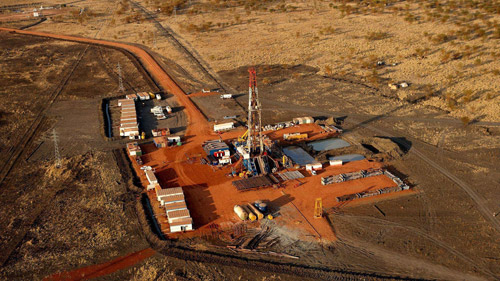

Key Sub-Applications: Fluid loss reduction, mud viscosity building, reactive shale inhibition, drill bit cooling & lubrication, proppant transportation in slickwater fracturing fluids, and oil sands tailings clarification.
Mining applications demand robust polymers capable of handling heavy solid loads and variable ionic strength slurries. Oubo supplies anionic, non-ionic, and cationic PAM with targeted molecular weights for optimum cake clarity and cake dryness.

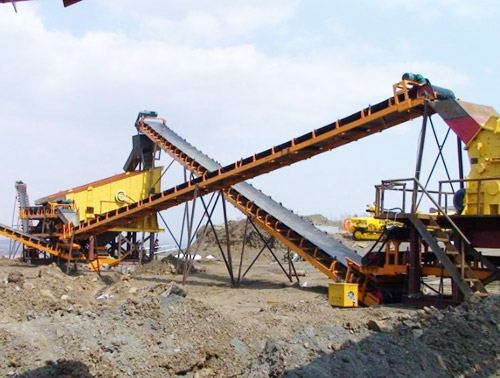

Mineral Operations Covered: Coal washing slurry clarification, red mud settling in alumina processing, gold/silver hydrometallurgy leaching, iron ore filtration, copper/nickel tailings thickening, and underground mine pipe sealing.
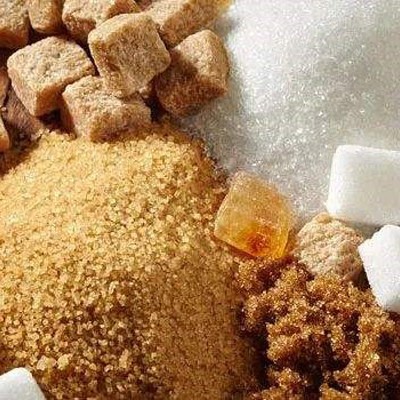
Specialized food-grade polyacrylamide flocculants are used in juice clarification, sugarcane syrup settling, and flotation processes, accelerating mud settling while preserving sucrose purity and product yield.
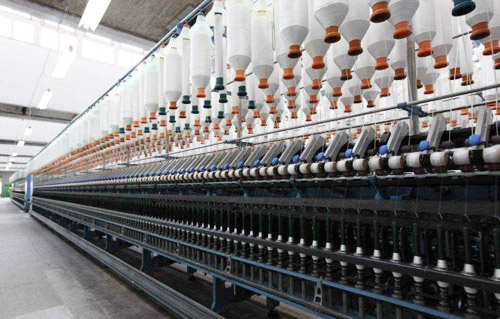
Used as a sizing agent and finishing agent to improve fabric strength and surface anti-static properties. In wastewater systems, it decolorizes complex dye residues and breaks tough emulsified oil systems.
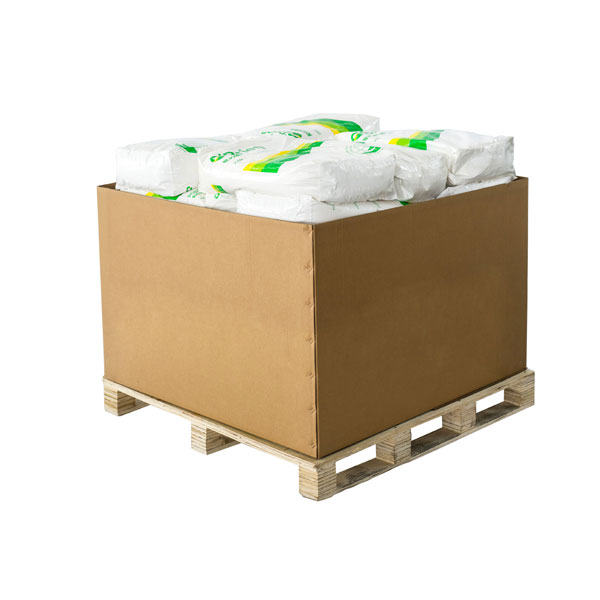
Export-ready packaging formats with full moisture protection and custom OEM private labeling capabilities.
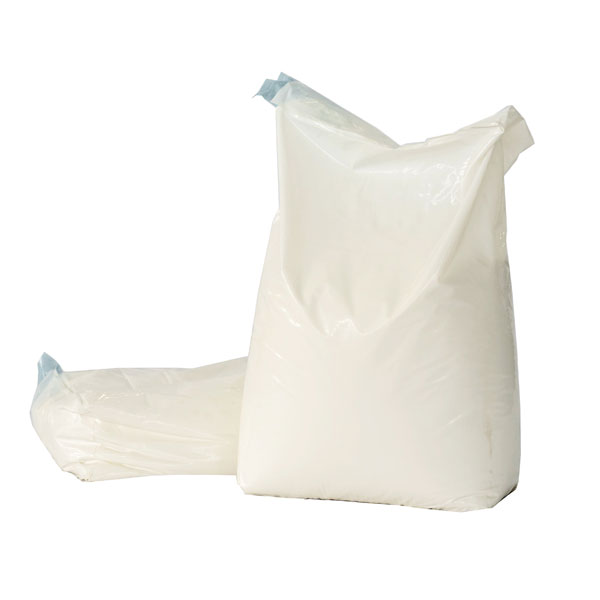
25kg PE multi-wall kraft paper bag without print, ideal for local branding.
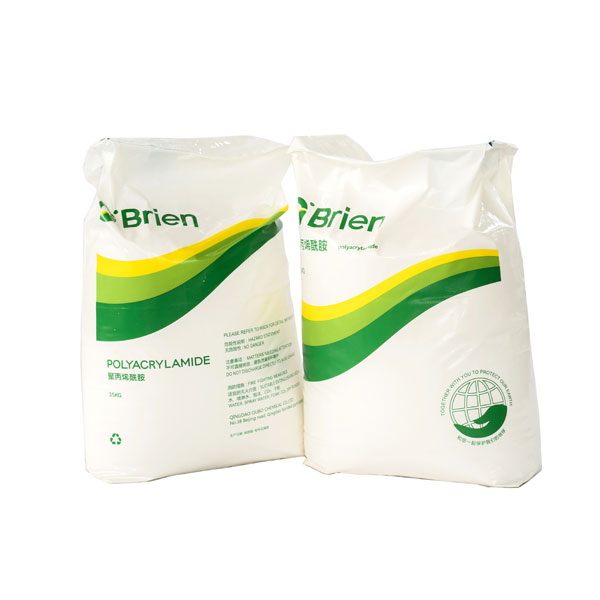
Standard export 25kg printed bags featuring technical grade information and safety markings.
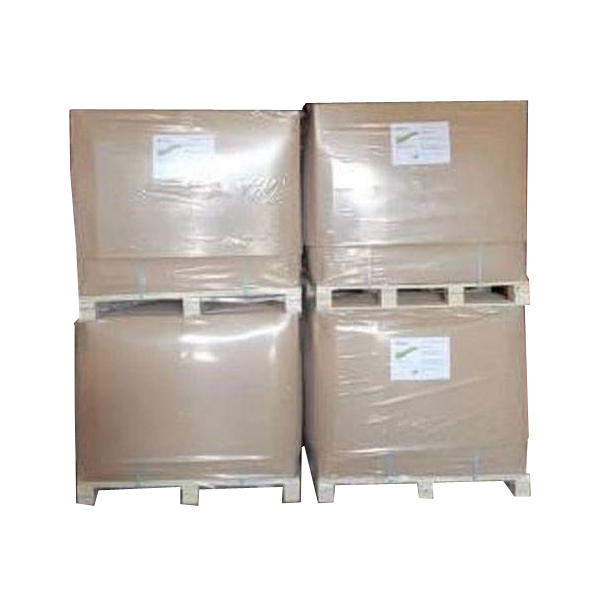
Fumigation-free wooden/plastic pallets with shrink film wrapping for sea freight stability.
Providing global clients with localized site assistance, analytical testing, and comprehensive international compliance documentation.
Our Qingdao research center offers free jar-testing services for client effluent samples. We analyze zeta potential, turbidity reduction, floc settling velocity, and filter cake dryness to select the exact optimal polymer grade.
All Oubo Polyacrylamide series fully comply with ISO 9001:2008 standards, EU REACH regulations, SDS (Safety Data Sheets) guidelines, and regional environmental discharge parameters across North America, Europe, and Asia-Pacific.
Our technical support team assists on-site during initial chemical makeup preparation, dissolving equipment calibration, dosing pump configuration, and continuous operational debugging.
Pioneering the next generation of eco-friendly, ultra-high molecular weight water-soluble polymers.
Moving away from traditional chemical catalytic routes, Oubo invests heavily in Third-Generation Biological Enzyme Catalysis. This reduces energy consumption by 40% during monomer synthesis while yielding ultra-pure acrylamide with negligible trace impurities, directly enhancing polymer chain linearity and performance.
Our R&D team is expanding specialized copolymer formulations incorporating sulfonate monomers (2-Acrylamido-2-Methylpropanesulfonic Acid, AMPS). These next-gen polymers maintain high viscosity and structural stability even under harsh oilfield reservoir conditions exceeding 110°C and 200,000 ppm total dissolved solids (TDS).
Expert solutions to common operational, dissolution, and polymer procurement inquiries.
Explore our complete catalog of high-efficiency nonionic, anionic, and cationic polyacrylamide polymers.
 Oubo Chemical