Explore our core range of high-efficiency synthetic water-soluble polymers engineered for precise solid-liquid separation, sludge dewatering, and industrial fluid processing.
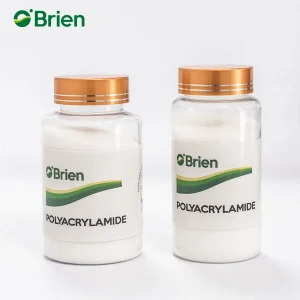
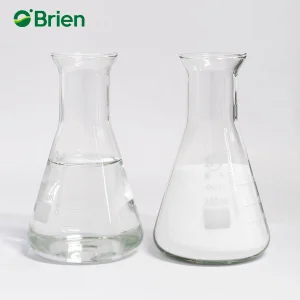
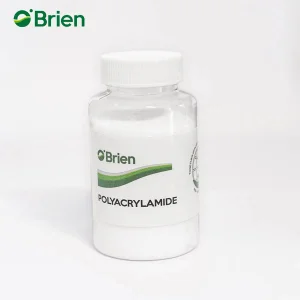
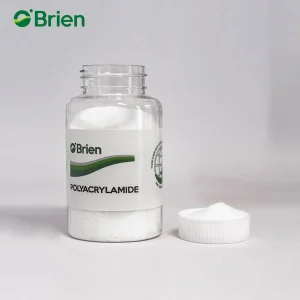
Polyacrylamide (PAM) is a high-performance synthetic water-soluble polymer derived from acrylamide subunits [-CH2-CH(CONH2)-]. Serving as a critical chemical reagent across water purification, enhanced oil recovery (EOR), mineral refining, and paper manufacturing, PAM market dynamics are closely monitored by procurement engineers worldwide. As the global epicenter of chemical polymer synthesis, China commands over 60% of the world's total polyacrylamide production capacity.
Evaluating the China Polyacrylamide Flocculant Price requires a granular understanding of raw material supply chains, international trade regulations, and technical charge variations. Price fluctuations are predominantly driven by the cost of Acrylonitrile (AN) monomer feedstock—directly linked to upstream petrochemical crude oil refining—as well as regional energy costs and environmental compliance mandates.
Established in 2011 within the Free Trade Zone of Qingdao, China, Qingdao Oubo Chemical Co., Ltd (brand name O'brien) has evolved into a tier-one manufacturer. Operating in a duty-free industrial zone with direct access to Qingdao Port, Oubo leverages robust logistics and raw material partnerships with global leaders like SINOPEC and Eni. With an annual capacity surpassing 50,000 Metric Tons since 2018 and an steady annual growth rate of 10%, Oubo offers global buyers transparent pricing, verified ISO 9001:2008 quality control, and superior information gain regarding total cost of ownership (TCO).
Polyacrylamide functions by bridging suspended particulate matter via polymer chain adsorption or neutralizing surface charges on colloids. Depending on the ionic modification during polymerization, PAM is categorized into four primary ionic types, each tailored for distinct industrial effluent compositions:
Synthesized by copolymerizing acrylamide with acrylic acid monomers. APAM carries a negative charge density ranging from 5% to 80% and ultra-high molecular weights (up to 25 Million Daltons). Ideal for inorganic wastewater suspended solids, municipal water clarification, and mineral slurry settling.
Formulated via copolymerization with cationic monomers such as DAC (Acryloyloxyethyltrimethyl ammonium chloride) or DMC. CPAM possesses a positive charge density (5% to 80%) and moderate molecular weight (6 to 12 Million Da). Essential for organic-rich municipal sewage sludge dewatering and acidic dyeing wastewater.
A homopolymer of pure acrylamide possessing minimal ionic charge. NPAM relies almost exclusively on hydrogen bonding and polymer bridging mechanisms. Highly effective in highly acidic, alkaline, or high-salinity industrial environments where charged polymers tend to precipitate.
| Polymer Type | Molecular Weight (Mw Million Da) | Ionic Degree / Charge (%) | Optimal pH Range | Primary Industrial Application |
|---|---|---|---|---|
| Anionic (APAM) | 8.0 - 25.0 | 10% - 60% (Anionic) | 7.0 - 14.0 | Sand washing, Tailings thickener, Municipal clarification |
| Cationic (CPAM) | 6.0 - 12.0 | 5% - 80% (Cationic) | 1.0 - 8.0 | Sludge dewatering (Belt filter / Centrifuge), Paper drainage |
| Nonionic (NPAM) | 3.0 - 15.0 | 0% - 5% (Neutral) | 1.0 - 8.0 | Acidic wastewater, Soil stabilization, Sugar clarification |
| Amphoteric (MAPAM) | 4.0 - 10.0 | Variable dual charge | 3.0 - 10.0 | Complex industrial sludge, High-salinity oilfield fluids |
Understanding the price composition of polyacrylamide flocculants is vital for global B2B procurement leaders aiming to mitigate cost volatility. The FOB China price of PAM is influenced by four core cost vectors:
AN constitutes approximately 65-75% of raw monomer cost. AN prices correlate with international crude oil and propylene markets. Procurement contracts linked to SINOPEC benchmark pricing provide Oubo Chemical with stable cost structures passed on to end clients.
Traditional chemical catalysis uses copper catalysts, leaving trace heavy metals and higher energy footprints. Oubo utilizes patented biological enzymatic polymerization (Nitrile Hydratase enzyme), reducing synthesis energy requirements and lowering per-ton manufacturing overhead.
Higher cationic charge density requires expensive cationic monomers (e.g., DAC/DMC), making CPAM significantly more costly per metric ton than APAM. Ultra-high molecular weight APAM (>20M Da) also demands precise chain-extension agents, commanding a technical premium.
| Polyacrylamide Grade | Purity / Solid Content (%) | Estimated Price Range (USD / Metric Ton) | Price Sensitivity Factors |
|---|---|---|---|
| Anionic PAM (Standard Grade) | ≥ 88% Powder | $1,250 - $1,650 / MT | Acrylonitrile monomer price, Energy tariffs |
| Anionic PAM (Ultra-High Mw 20M+) | ≥ 90% Powder | $1,550 - $2,100 / MT | Initiator purity, Chain extension technology |
| Cationic PAM (Low-Mid Charge 10-30%) | ≥ 89% Powder | $1,950 - $2,600 / MT | DMC/DAC monomer availability |
| Cationic PAM (High Charge 40-80%) | ≥ 89% Powder | $2,500 - $3,400 / MT | Cationic monomer synthesis yield, Export tax rates |
| Nonionic PAM (NPAM) | ≥ 90% Powder | $1,400 - $1,900 / MT | Unreacted acrylamide monomer (AM) refining costs |
Note: Prices fluctuate based on raw material spot markets and volume order commitments. Contact Oubo Chemical for real-time factory quotes.
Qingdao Oubo Chemical Co., Ltd stands at the forefront of polymer innovation. By investing over €200 Million in cumulative R&D, Oubo has commercialized advanced biological methods for producing acrylamide and polyacrylamide, protected under proprietary international patents.
Unlike conventional chemical synthesis relying on metallic copper catalysts, Oubo employs microbial enzymatic conversion of Acrylonitrile to Acrylamide. This yields monomer purity exceeding 99.9%, eliminating heavy metal impurities and creating a linear polymer chain structure with superior flocculation performance.
Our state-of-the-art facility in the Qingdao Free Trade Zone operates fully automated polymerization, hydrolysis, drying, and packaging lines. Computerized process controls maintain exact polymerization temperatures, molecular weight distributions, and particle sizes.
Certified under ISO 9001:2008 standards, every production lot undergoes rigorous analytical testing three times: Raw material inspection upon arrival, in-line polymerization reaction monitoring, and final product batch validation prior to export.
Polyacrylamide polymers engineered by Oubo Chemical provide tailor-made solid-liquid separation solutions across diverse global industrial sectors:
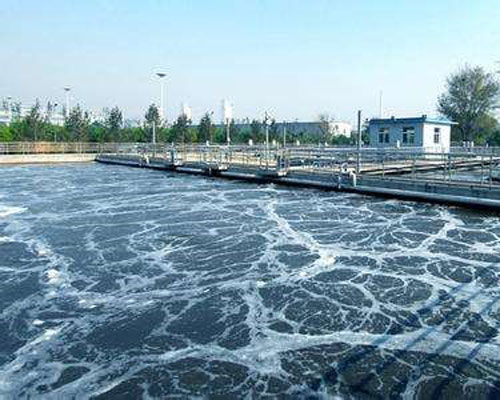
Accelerates gravity sedimentation, clarifier throughput, and sludge dewatering in belt filter presses, screw presses, and decanter centrifuges. Reduces sludge cake moisture content significantly, lowering disposal tipping fees.
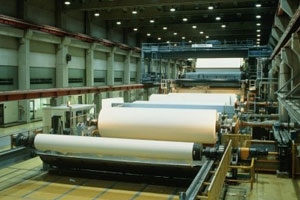
Functions as wet-end retention aids, drainage accelerators, and dry/wet strength agents. Increases fine fiber retention, balances wet-end charge, traps anionic trash, and treats paper mill white water effluent.
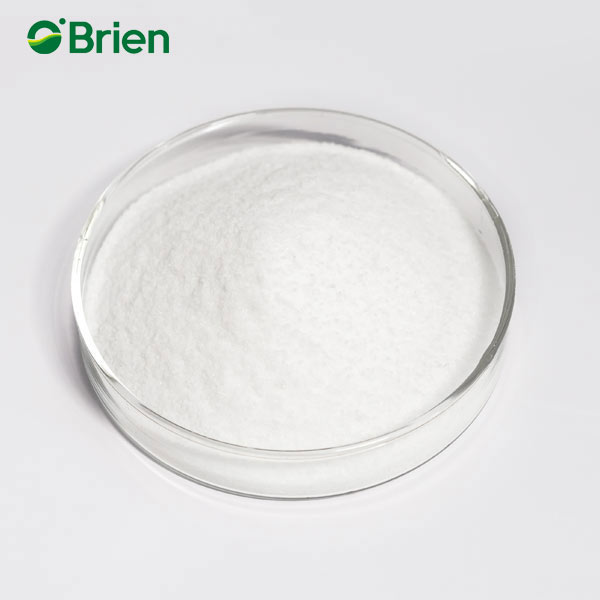
Essential mobility control agent for Polymer Flooding in Enhanced Oil Recovery (EOR). Serves as a shale inhibitor, friction reducer, and rheology modifier in drilling fluids and hydraulic fracturing fluids.

Promotes rapid settling of tailings in coal washing, alumina production (Bayer process), iron ore refining, gold cyanidation, and copper solvent extraction. Enables clean process water recycling.
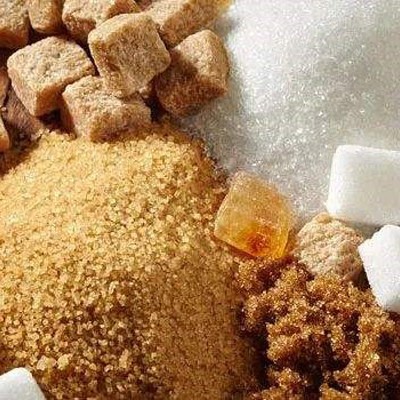
Improves juice clarification and flotation speed in sugarcane and sugar beet processing. Complies with food-grade purity standards, facilitating clear syrup separation with minimal polymer dosage.
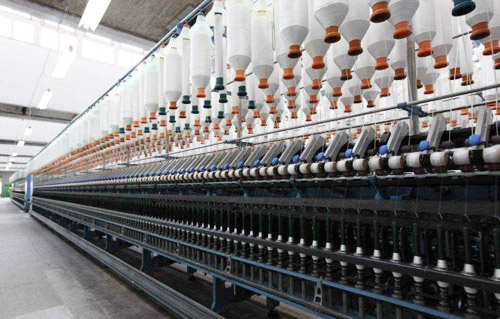
Acts as a warp sizing additive to enhance fabric tensile strength during weaving. Provides rapid color removal and chemical oxygen demand (COD) reduction in high-color textile dyeing wastewater.
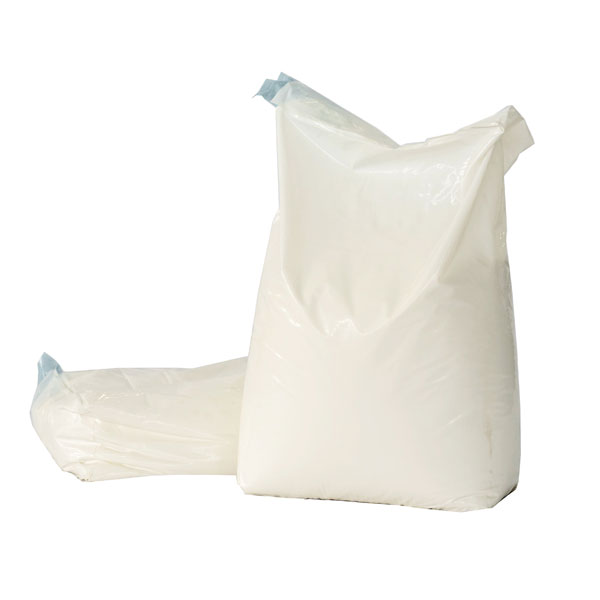
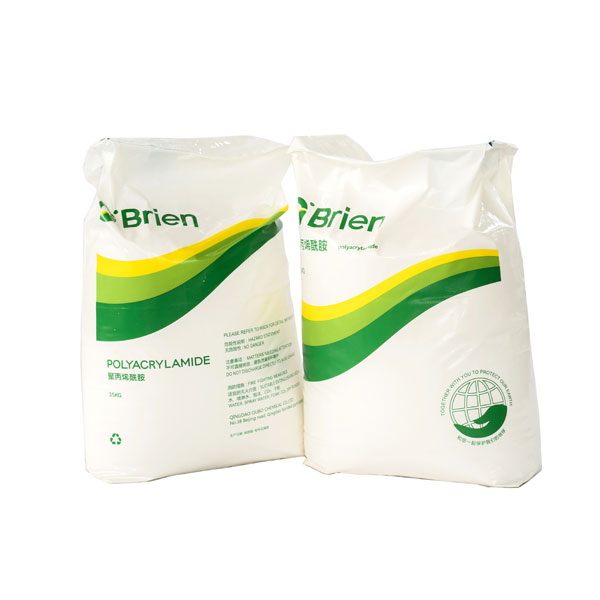
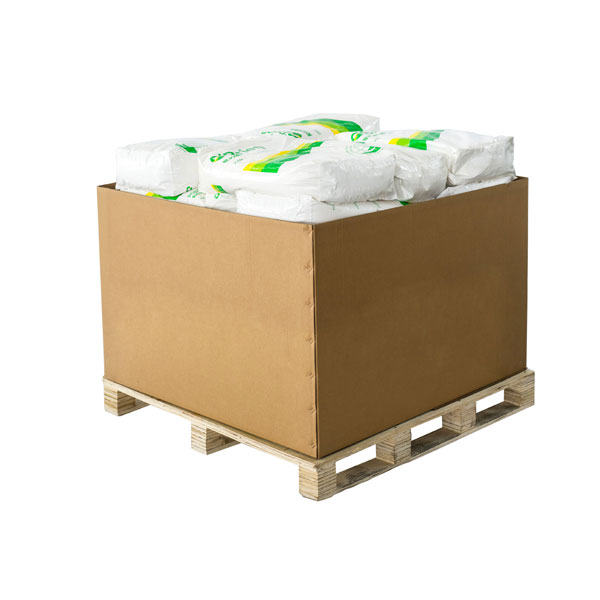
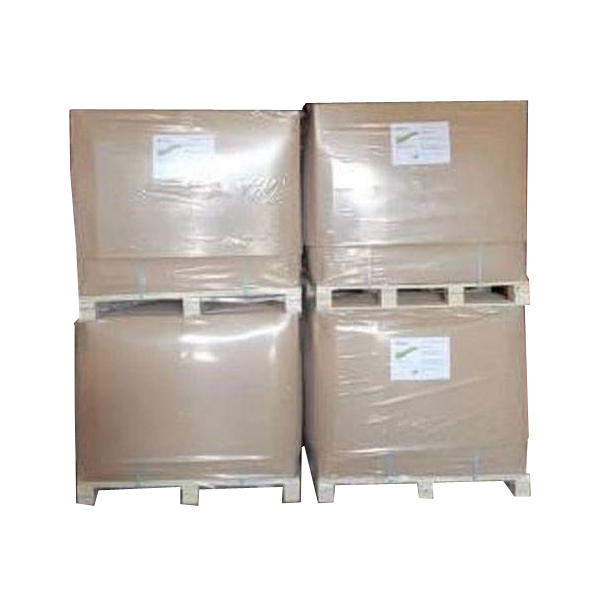
To prevent moisture absorption and polyacrylamide powder degradation during cross-border maritime transit, Oubo Chemical enforces rigorous multi-layer packaging standards. Located in the Free Trade Zone of Qingdao, we guarantee fast export customs clearance and container vessel loading within days of batch synthesis.
Regulatory Compliance & Environmental Stewardship: Oubo Chemical is dedicated to reducing environmental footprints during manufacturing. Our products meet global compliance standards including ISO9001, ISO14001, and REACH registrations for European imports.
As industrial environmental discharge regulations tighten globally, standard polyacrylamide formulations are evolving. Oubo Chemical’s research roadmap focuses on three sustainable technological fronts:
Developing ultra-low unreacted acrylamide monomer residual grades for potable water treatment applications, satisfying strict NSF and WHO health requirements.
Engineering hyper-branched hydrophobic modified acrylamide polymers (HMAP) for oilfield EOR operating in harsh high-temperature, high-salinity (HTHS) reservoirs.
Partnering with automated dosing system suppliers to real-time telemetry control systems, optimizing polymer dissolution and reducing chemical consumption by up to 20%.
Browse our dedicated formulations for specialized industrial applications, including oilfield drilling, mining flotation, and high-efficiency paper production.
 Oubo Chemical