Engineered for high-efficiency solid-liquid separation, water treatment, oil recovery, and industrial process optimization.
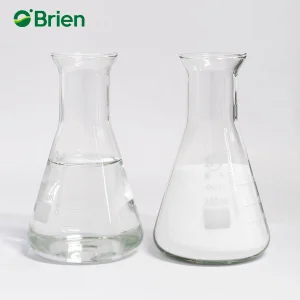
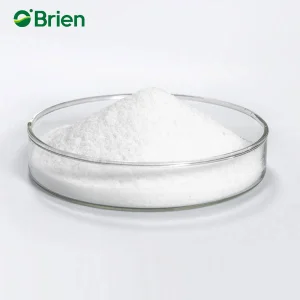
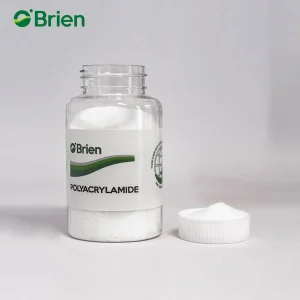
A Comprehensive Industry Report on Macromolecular Polymer Engineering, Synthesis Routes, and Global Supply Chain Excellence
Oubo Chemical Co., Ltd was established in 2011, located strategically within the Free Trade Zone of Qingdao, China. Over more than a decade of focused growth, Oubo has evolved into a internationally recognized manufacturer and innovator of water-soluble synthetic polymers. Operating under strict, comprehensive Quality Control (QC) frameworks, the business has maintained a sustained annual growth rate of 10%. Qingdao Oubo Chemical Co., Ltd remains deeply committed to quality, customer service, and environmental stewardship throughout every phase of polymer production and industrial application.
Specializing in the development and large-scale manufacturing of Cationic Polyacrylamide (CPAM), Anionic Polyacrylamide (APAM), and Nonionic Polyacrylamide (NPAM), Oubo operates state-of-the-art automated synthesis lines. The company's annual polyacrylamide manufacturing capacity surpassed 50,000 Metric Tons, backed by an ISO9001:2008 certified management infrastructure. By combining bio-catalytic monomer synthesis patents with global raw material sourcing from elite suppliers such as SINOPEC and Eni, Oubo guarantees unparalleled batch consistency and chemical purity.
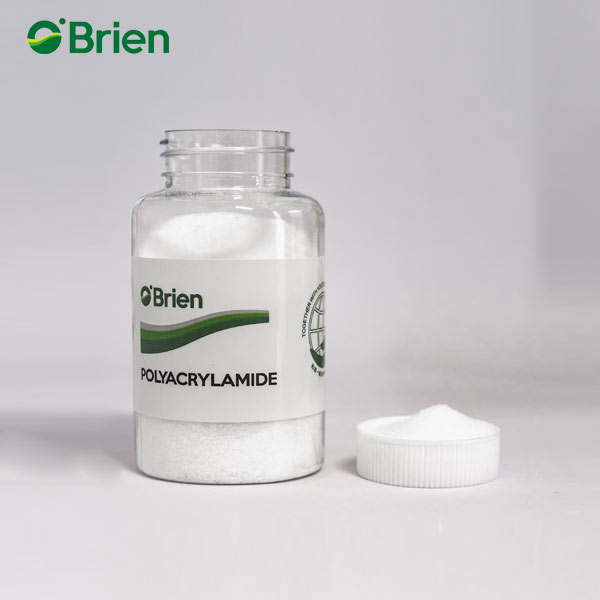
Polyacrylamide (PAM) (CAS 9003-05-8) is a linear, high-molecular-weight polymer synthesized from acrylamide monomers (CAS 79-06-1). As a versatile water-soluble resin, its functional performance is dictated by its molecular weight (ranging from 3 Million to over 22 Million Daltons), physical state (dry powder, emulsion, or aqueous solution), and ionic charge state (Anionic, Cationic, Nonionic, or Amphoteric).
While polyacrylamide is widely recognized for flocculation via bridging mechanisms, customized low-to-medium molecular weight PAM variants function exceptionally well as Dispersants. By imparting steric hindrance and electrostatic charge repulsion along particle surfaces, polyacrylamide dispersants prevent particle agglomeration, stabilize concentrated mineral slurries, and dramatically reduce fluid viscosity.
The global polyacrylamide market is projected to reach USD 9.5 Billion by 2030, expanding at a CAGR of 6.2%. Key macro drivers include tightening municipal wastewater discharge standards, rapid growth in Enhanced Oil Recovery (EOR), expanding mineral mining operations for green transition metals (Copper, Lithium, Nickel), and high demand for sustainable paper recycling processes.
Technical characterization across charge types, molecular weight spectra, and industrial targeted applications.
| Polymer Ionic Type | Molecular Weight (Million Daltons) | Charge Density / Degree of Hydrolysis | Primary Industrial Dispersant & Flocculant Functions | Core Application Sectors |
|---|---|---|---|---|
| Anionic PAM (APAM) | 8.0 – 22.0 | 10% – 60% Hydrolyzed | Particle dispersion, clay stabilization, high-speed flocculation, retention aid | Municipal Wastewater, Sugar Clarification, Paper Strength, Mineral Processing |
| Cationic PAM (CPAM) | 5.0 – 14.0 | 5% – 80% Cationicity | Sludge dewatering, charge neutralization of organic solids, fiber retention | Textile Dyeing, Municipal Sludge Centrifugation, Biological Effluent Treatment |
| Nonionic PAM (NPAM) | 3.0 – 15.0 | Ultra-low (< 3%) | Rheology modification, acidic medium dispersion, soil conditioning, drilling fluid control | Oilfield Drilling Mud, Acidic Effluent Treatment, Coal Tailings Dewatering |
| Mannich/Amphoteric PAM | 6.0 – 12.0 | Dual Positive/Negative Charge | Complex sludge conditioning, refractory organic wastewater separation | Petrochemical Refining, Fine Chemicals, Heavy Metal Precipitation |
Targeted chemical engineering application frameworks developed by Oubo Chemical experts.
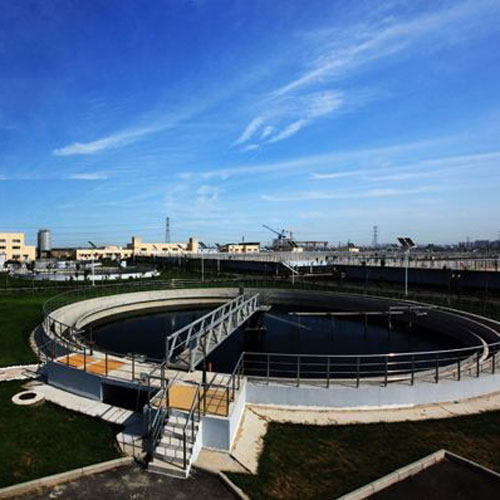
As an essential flocculating and dispersing agent, Polyacrylamide plays a vital role in municipal sewage treatment and industrial wastewater treatment plants globally. Stringent environmental protection standards drive the continuous enhancement of solid-liquid separation protocols.
Specific Applications: Secondary wastewater clarification, municipal activated sludge dewatering (via belt filter press, screw press, and decanter centrifuge), leather tannery wastewater, paper mill effluent, citric acid processing, vegetable protein extraction, dyeing effluent, and pharmaceutical waste stream purification.
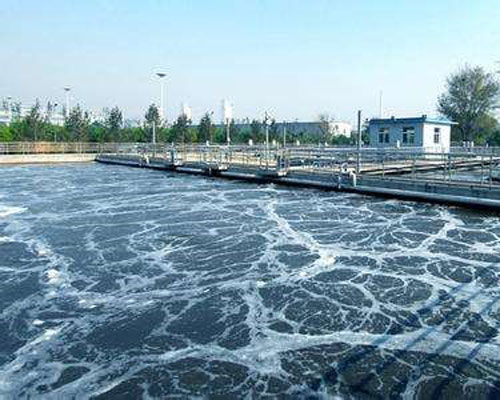
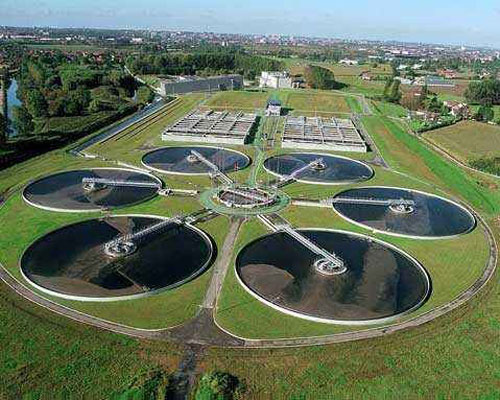
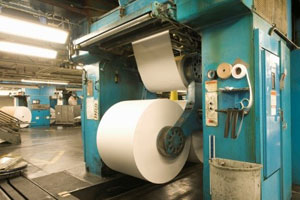
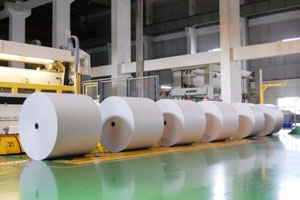
In high-speed paper manufacturing, Oubo Polyacrylamide functions as a retention aid, drainage aid, dispersant, and wet/dry strength improver. It drastically reduces fiber loss and optimizes white water closed-loop recycling.
Polyacrylamide polymers are cornerstone additives in modern oil and gas operations. Oubo’s high-temperature and salt-resistant PAM grades provide precise rheology control, fluid loss reduction, and shale hydration inhibition.
Core Operations: Tertiary Enhanced Oil Recovery (EOR Polymer Flooding), hydraulic fracturing friction reduction, water shut-off plugging agents, oil sands extraction flocculation, and drilling mud viscosity control.


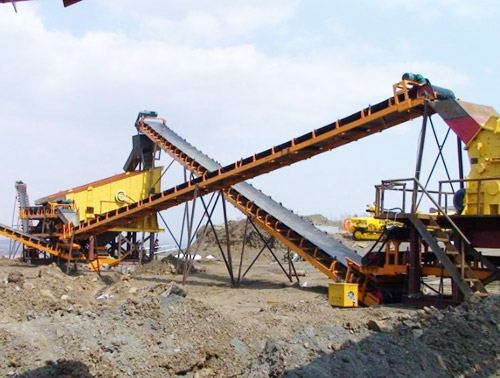
Efficient mineral extraction demands rapid solid-liquid separation. Oubo’s non-ionic, anionic, and cationic polymers accelerate settling times and improve filtration efficiency across mineral processing circuits.
Mineral Applications: Coal slurry washing and tailings dewatering, alumina red mud settling (Bayer process), gold, silver, copper, nickel, and iron ore mineral leaching flotation and tailings sealing.


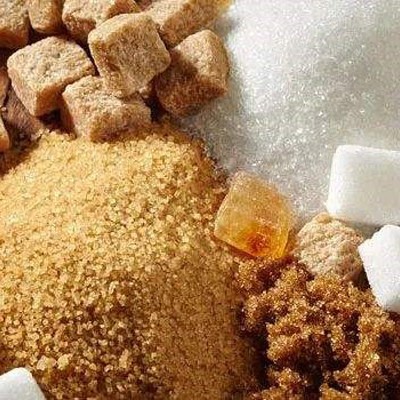
Sugar Refining: Food-grade Anionic PAM enhances clarification and flotation speeds in sugarcane and sugar beet juice clarification, accelerating mud settling without altering juice clarity.
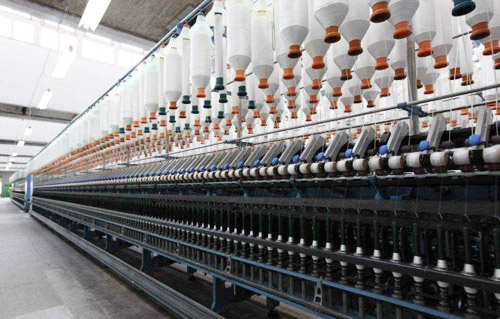
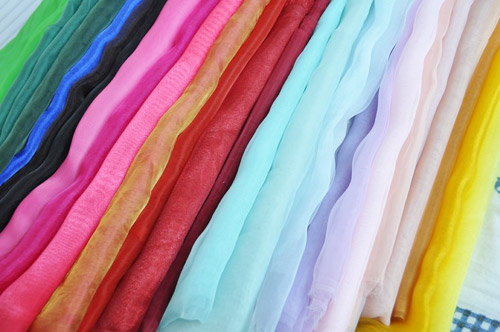
Textile Industry: Functions as a high-efficiency textile sizing agent, fabric finishing agent, and protective anti-static coating, while treatment of textile dye waste streams removes persistent color turbidity.

Uncompromising Manufacturing Rigor, Technological Innovation, and End-to-End Customer Support
Qingdao OUBO Chemical Co., Ltd is a worldwide leader in Polyacrylamide production. Utilizing patented bio-catalytic synthesis methods for acrylamide monomer preparation, Oubo invests over €200 Million in ongoing technical accumulation and product development.
Our raw material sourcing spans premier chemical enterprises including SINOPEC and Eni. Operating fully automated continuous polymerization lines under ISO9001 certification, every production lot undergoes 3 rigorous quality tests prior to release.
With years of specialized manufacturing experience, Oubo pairs premium chemical quality with competitive factory pricing. Our engineering team directly engages in pre-sales analysis, benchtop jar testing, and site integration.
Our technical service experts assist clients worldwide in product selection, polymer preparation system design, feed rate optimization, and dedicated after-sales operational troubleshooting.
Standardized, secure moisture-proof packaging tailored for international export standards.
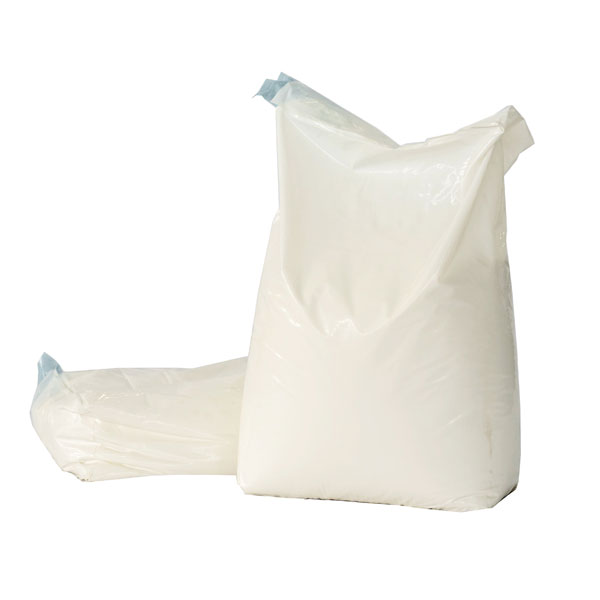
Ideal for OEM distributor re-branding. Double-layer craft paper with inner plastic liner.
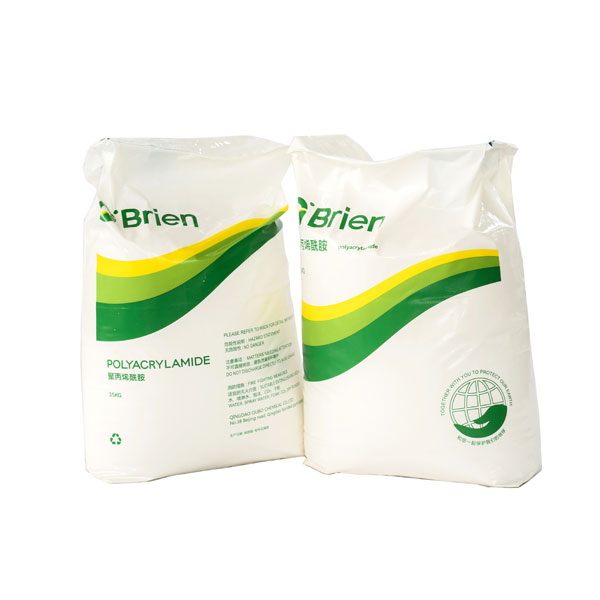
Standard Oubo factory branding featuring complete chemical specification markers.
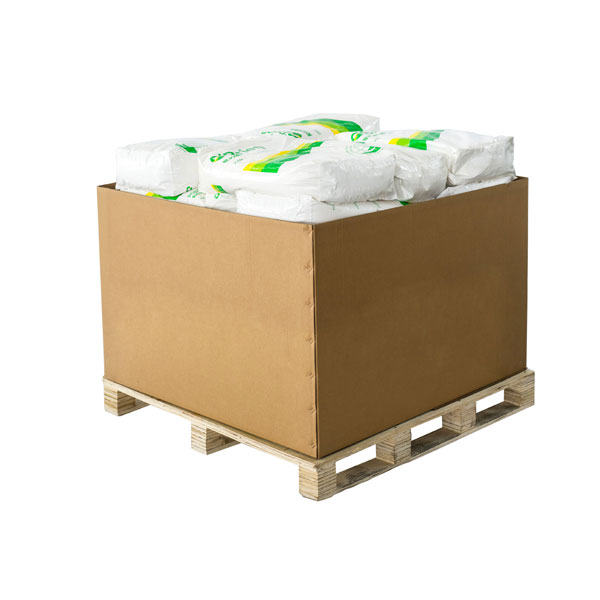
High-capacity woven polypropylene bulk bags designed for automatic dry powder feeders.
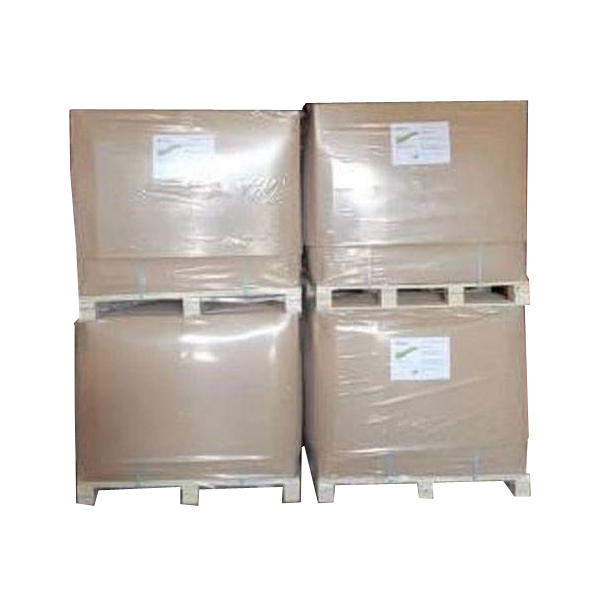
ISPM-15 compliant fumigated or plastic pallets wrapped with protective stretch film.
Pioneering sustainable chemistry, eco-friendly bio-polymers, and AI-driven automated dosing systems.
Replacing traditional copper-catalyzed acrylamide synthesis with advanced Rhodococcus rhodochrous enzymatic catalysis, completely eliminating toxic residual copper ions and reducing residual monomer content below 0.05% (500 ppm).
Developing structural micro-emulsion PAM containing hydrophobic associative monomers designed for high-salinity (>200,000 ppm TDS) and high-temperature (>120°C) deep-water oil reservoirs.
Integration of fully bio-based co-monomers (lignin, starch derivatives) for rapid environmental degradation post-use, combined with real-time nephelometric AI sensors for dynamic polymer dosing adjustment.
Expert insights addressing key procurement, application, chemistry, and operational questions.
While polyacrylamide flocculants utilize high molecular weights (10M to 22M Daltons) to aggregate suspended solids via polymer bridging, polyacrylamide dispersants typically feature lower to medium molecular weights with controlled charge densities. Dispersants adsorb onto particle surfaces to increase negative or positive electrostatic repulsion (zeta potential modification) and steric hindrance, thereby preventing settling and maintaining low slurry viscosity in paper making, ceramic slips, and mineral transport systems.
Polyacrylamide powder must be dissolved in clean, neutral water (temperature between 20°C and 40°C). Introduce the powder gradually into the vortex of a mechanical agitator running at 200–400 RPM. Avoid high-shear mechanical agitation (over 800 RPM) to prevent breaking the high-molecular polymer chains. Aging time for complete dissolution is usually 45–60 minutes for Anionic/Nonionic polymers and 60–90 minutes for Cationic PAM powder.
Municipal wastewater sludge typically contains high organic content with negatively charged cell walls. Cationic Polyacrylamide (CPAM) is required to neutralize these negative charges. Highly organic biological sludges require high cationic charge densities (40%–80%), whereas inorganic chemical sludges respond better to low-to-medium cationic or anionic polyacrylamide grades.
When stored in sealed, original moisture-proof packaging in a cool, dry, ventilated warehouse below 35°C, dry Polyacrylamide powder has a shelf life of 24 months. Aqueous solutions prepared from dry powder should ideally be consumed within 24 to 48 hours to prevent biological degradation and viscosity loss.
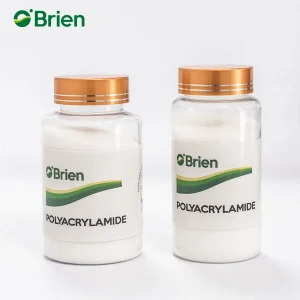
Browse our verified polyacrylamide formulations designed for industrial wastewater, pulp & paper processing, and mining operations.
 Oubo Chemical