Explore our primary range of synthetic high-molecular-weight cationic, anionic, and nonionic polymers specifically formulated for rigorous solid-liquid separation and industrial effluent treatments.
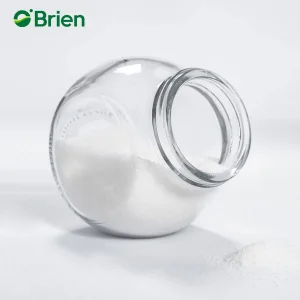
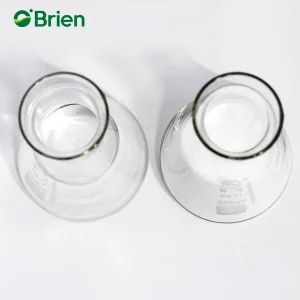
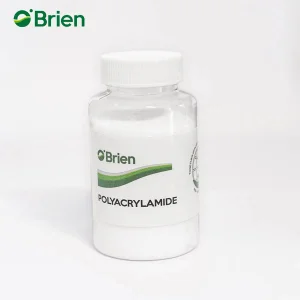
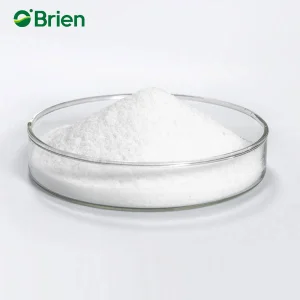
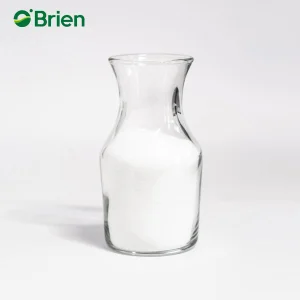
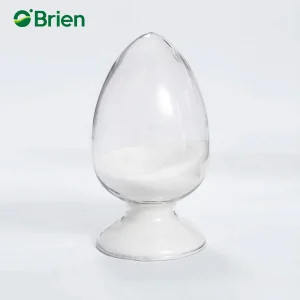
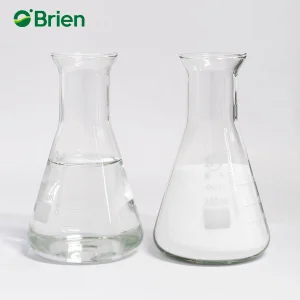
Established in 2011 and strategically positioned within the Free Trade Zone of Qingdao, China, Oubo Chemical Co., Ltd has emerged as a globally dominant manufacturer and technical innovator of synthetic water-soluble polymers. Operating under the flagship international brand O'brien, the enterprise delivers highly refined chemical solutions tailored for environmental protection, industrial effluent dewatering, natural resource recovery, and process enhancement.
The quality control (QC) infrastructure at O’Brien is rigorous, systematic, and fully integrated across the entire synthesis chain. Over the past decade, Oubo Chemical has achieved a consistent annual business expansion rate exceeding 10%. By 2018, the facility's total annual production capacity for polyacrylamide broken through the threshold of 50,000 Metric Tons. Operating under full compliance with ISO 9001:2008 standards, Qingdao Oubo Chemical remains committed to stringency in product quality, client-centric engineering, and minimizing environmental impacts throughout the chemical manufacturing lifecycle.
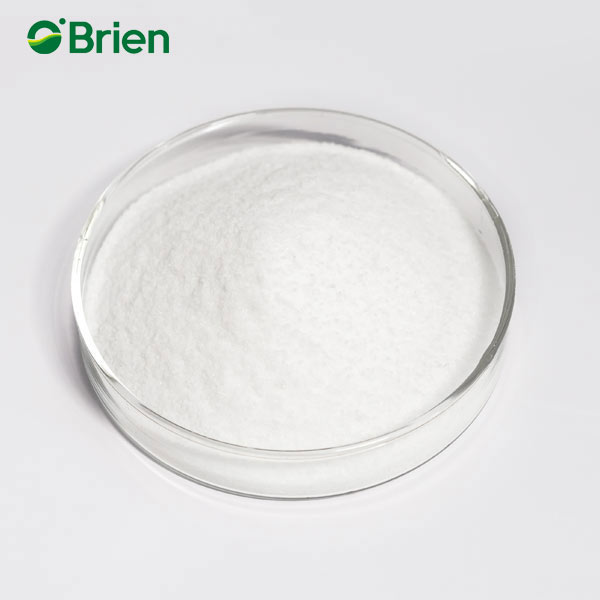
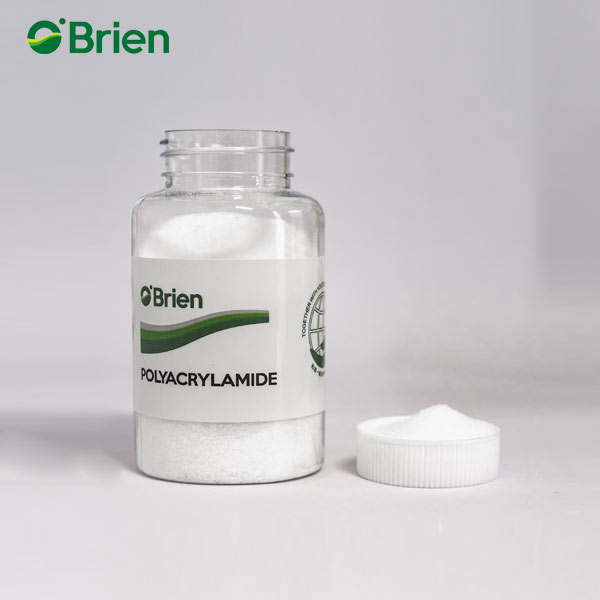
Polyacrylamide (PAM) (CAS Registry Number 9003-05-8) represents a major class of linear water-soluble polymers synthesized via the radical polymerization of acrylamide (AM) monomers. Cationic Polyacrylamide (CPAM) is generated by copolymerizing acrylamide with positively charged cationic functional monomers—most notably DAC (Acryloyloxyethyltrimethyl ammonium chloride) or DMC (Methacryloyloxyethyltrimethyl ammonium chloride).
The resulting polymer chain possesses a high density of positive charges that aggressively interact with negatively charged suspended solids, colloids, organic sludge solids, and cellulosic fibers. CPAM functions through dual physical mechanisms: charge neutralization (destabilizing electric double layers of colloids) and polymer bridging (attaching to multiple particles to form dense, fast-settling micro-flocs).
A core technological differentiator of Qingdao Oubo Chemical is the utilization of advanced biological enzymatic methods for monomer synthesis, a green chemistry advancement covered under comprehensive patent applications. Unlike traditional chemical copper-catalyst methods, enzymatic nitrile hydratase conversion yields ultra-pure acrylamide monomer with minimal byproduct contamination.
To maintain market leadership and drive polymer chemistry innovation, Oubo reinvests €2 hundred million into technical R&D over multi-year technology cycles. This continuous capital investment ensures precise control over molecular weight distributions (ranging from 5 Million to upwards of 15 Million Daltons) and cationic charge density control (varying dynamically from 10% to 80%).
Understanding why global engineering procurement organizations partner with tier-one Chinese polymer manufacturers for critical chemical sourcing.
Oubo Chemical benefits from strategic commercial alliances with major global petrochemical enterprises such as SINOPEC and Eni. By securing bulk synthetic raw materials directly from primary refineries, Oubo guarantees uninterrupted production schedules, resilient against global chemical supply chain disruptions.
All manufacturing lines within Oubo's facilities feature end-to-end continuous automation. From reactor vessel charging and gel adiabatic polymerization to granulating, fluid-bed drying, and automated packaging, human intervention is minimized to preserve batch-to-batch consistency.
Quality control is not merely a final check; it is an active protocol. Every production batch undergoes three distinct analytical evaluations by our dedicated QC laboratory team before authorization for export packaging: raw monomer purity, in-process viscosity verification, and final dissolution rate testing.
Located directly within the Qingdao Free Trade Zone, Oubo leverages immediate deep-water port access. This strategic geographic positioning reduces overland freight costs, optimizes customs clearing velocity, and facilitates seamless containerized shipments globally.
| Polymer Grade Code | Ionic Type | Molecular Weight (Million) | Degree of Cationicity (%) | Solid Content (%) | Dissolution Time (Mins) | Primary Industrial Field |
|---|---|---|---|---|---|---|
| Oubox-CPAM-6010 | Low Cationic | 10 - 12 Million | 10% - 20% | ≥ 88% | ≤ 60 | Paper Retention Aid, Organic Effluent |
| Oubox-CPAM-6030 | Medium Cationic | 8 - 12 Million | 30% - 40% | ≥ 88% | ≤ 50 | Municipal Sludge Dewatering (Belt Press) |
| Oubox-CPAM-6050 | High Cationic | 6 - 10 Million | 50% - 60% | ≥ 88% | ≤ 45 | Decanter Centrifuge Sludge Dewatering |
| Oubox-CPAM-6080 | Ultra-High Cationic | 5 - 8 Million | 70% - 80% | ≥ 88% | ≤ 45 | Textile Dyeing & High-Fat Wastewater |
Oubo Chemical engineering teams collaborate directly with municipal authorities, industrial facility managers, and process engineers to tailor optimal PAM polymer selections.
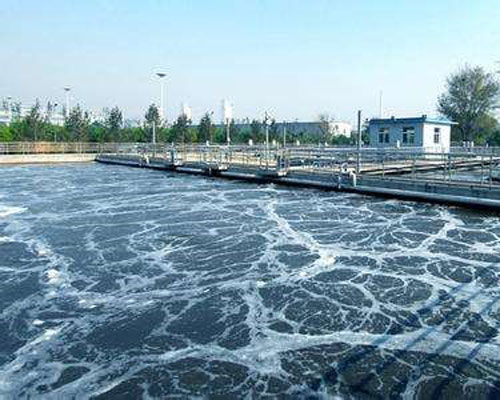
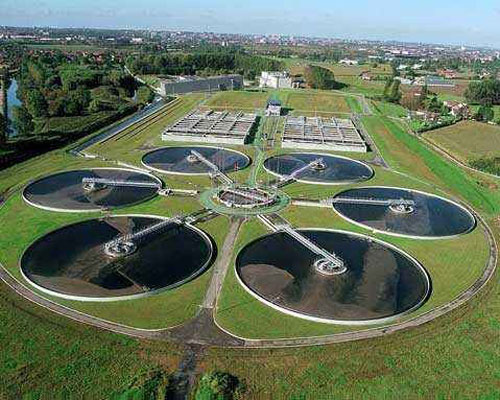
Cationic Polyacrylamide functions as an indispensable flocculating agent in solid-liquid separation processes. It accelerates particulate settlement, clarifies turbid liquor, and drastically enhances sludge cake dry solids content in decanter centrifuges, belt filter presses, and plate-and-frame filter presses.
Identical performance benefits apply across diverse industrial effluents, including municipal wastewater, tannery processing, citric acid production, vegetable protein extract processing, pharmaceutical effluent, and incense manufacturing.
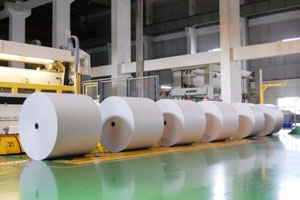
In paper mill wet-end operations, CPAM acts as a vital retention aid, drainage promoter, and dry/wet strength agent. By flocculating fine fibers and mineral fillers (TiO2, GCC, PCC), it increases yield while reducing steam consumption during the drying phase.
Furthermore, cationic polyacrylamide serves as an anionic trash catcher, neutralizing dissolved organic contaminants in recycled furnish pulp circuits, thereby maintaining wet-end chemistry equilibrium.

Polyacrylamide modified polymers serve critical roles across drilling fluids, profile control, plugging agents, hydraulic fracturing fluids, and Enhanced Oil Recovery (EOR). PAM provides mud fluid-loss reduction, shale swelling inhibition, bit lubrication, drill-cutting transport, and wellbore cementing stabilization.
Specialized high-viscosity nonionic and anionic variants are deployed for oil sands bitumen extraction flocculation and produced water treatment.


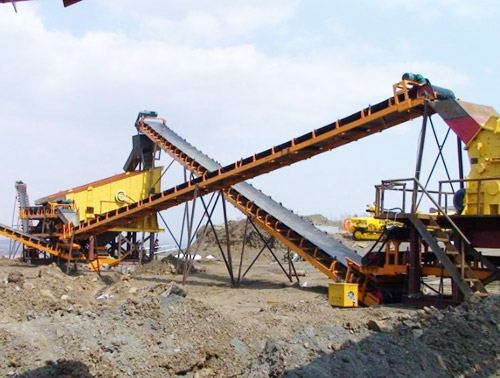
Extensively utilized across mineral beneficiation and coal preparation plants. Polyacrylamide polymers facilitate solid-liquid separation via thickener sedimentation, disc filtration, and tailings dam clarification for gold, silver, iron, copper, nickel, and alumina extraction operations.


In sugar cane and sugar beet manufacturing processes, food-grade APAM and nonionic polyacrylamide accelerate the clarification and flotation of raw juice. Flocculating insoluble impurities ensures superior sugar crystal clarity, reduced mud volumes, and enhanced juice filtration rates.
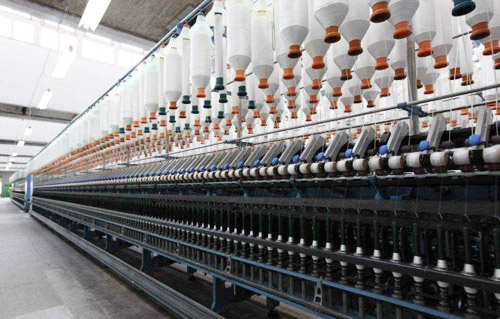
Serves dual functions within textile manufacturing: as a warp sizing agent to increase yarn tensile smoothness and reduce breakage; and as a potent decoloring flocculant for textile dyeing wastewater effluent treatment by breaking complex azo-dye emulsions.

Standardized, moisture-proof, and fully customizable export packaging configurations designed to withstand long-distance maritime transport and tropical storage conditions.
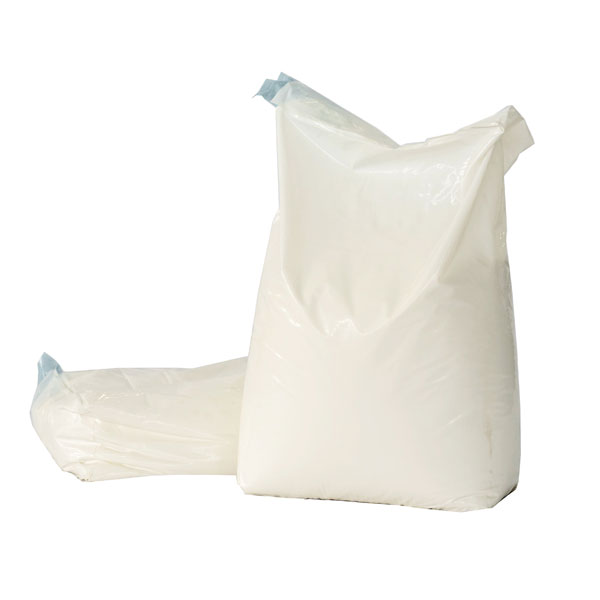
25kg multi-wall paper-plastic composite bag with inner polyethylene liner for OEM re-branding.
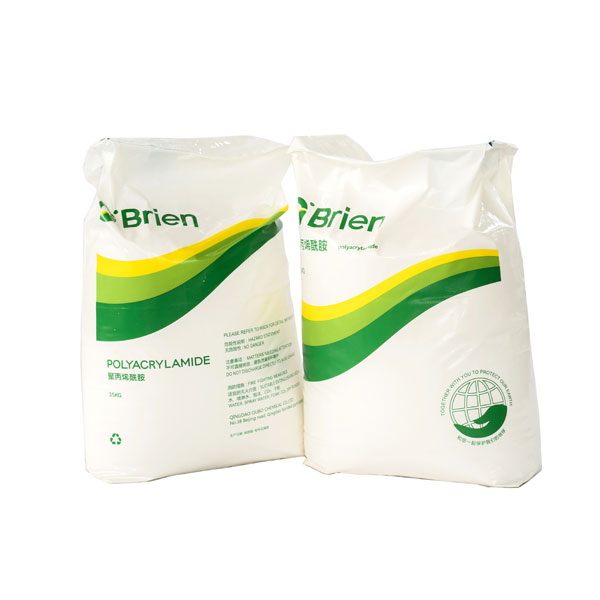
Heavy-duty 25kg printed bags with product batch codes, handling instructions, and safety warnings.
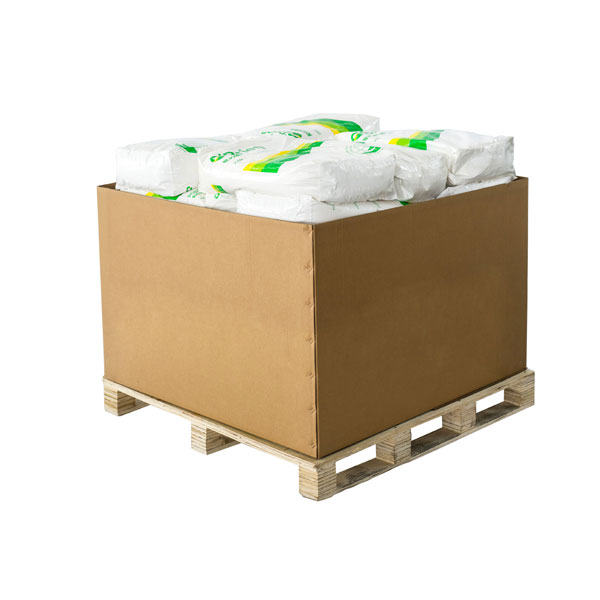
Bulk tote bags designed for automated industrial dissolution feed hoppers and mining sites.
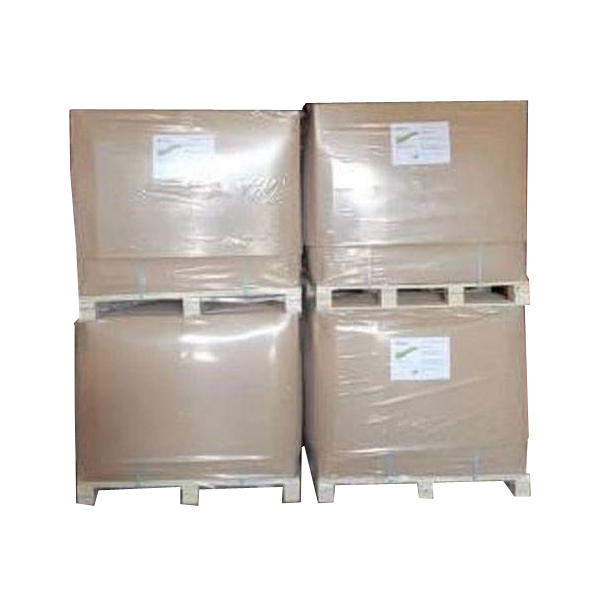
ISPM-15 compliant fumigated wooden or plastic pallets, shrink-wrapped for maximum moisture defense.
Expert insights on selecting, testing, and dissolving Cationic Polyacrylamide for optimal industrial execution.
Browse our specialized nonionic, cationic, and anionic polyacrylamide formulations developed for mining tailings, oilfield drilling fluids, and industrial effluents.
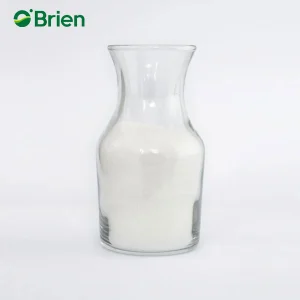
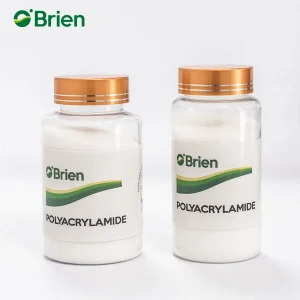
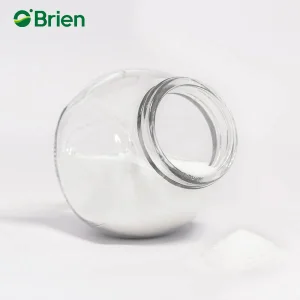
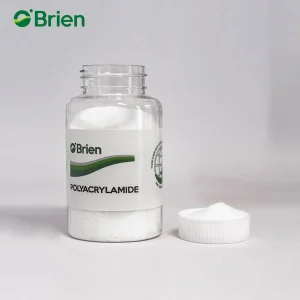
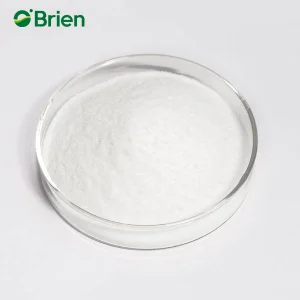
Our specialized technical engineering team joins you across pre-sales evaluation, laboratory testing, chemical selection, and on-site process trial optimization. Contact Qingdao Oubo Chemical Co., Ltd today to request technical datasheets (TDS), safety data sheets (SDS), or complimentary testing samples.
 Oubo Chemical