Direct Factory Supply from Qingdao Oubo Chemical | High Molecular Weight Hydrophobically Modified Polymers
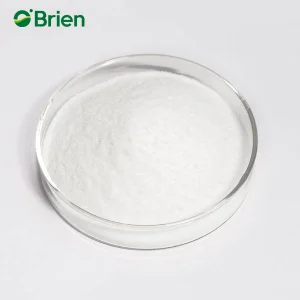
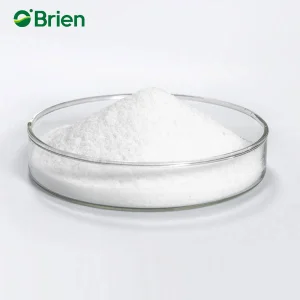
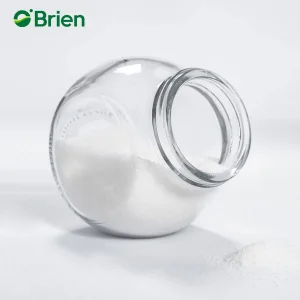
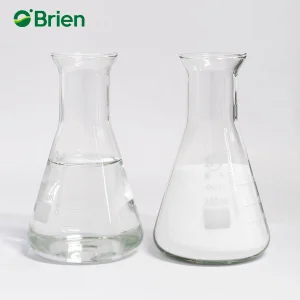
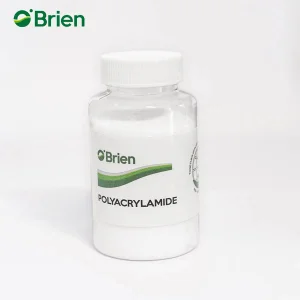
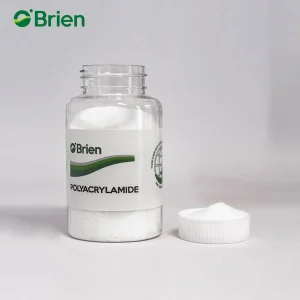
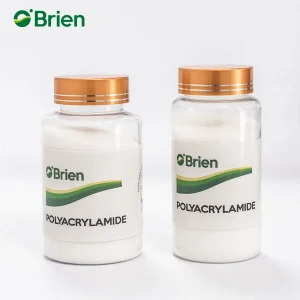
Polyacrylamide (PAM, CAS 9003-05-8) is a synthetic, high-molecular-weight resin synthesized through the free-radical polymerization of acrylamide monomers. As a versatile water-soluble polymer, PAM serves as an indispensable functional chemistry across global industrial sectors, including municipal wastewater remediation, mineral processing, enhanced oil recovery (EOR), pulp & paper production, and personal care chemistry.
In modern industrial and cosmetic formulations, Polyacrylamide / C13-14 Isoparaffin / Laureth-7 represents a state-of-the-art inverse emulsion system. Designed as a cold-process synthetic rheology modifier and thickening agent, this pre-neutralized polymer complex allows instant hydration and thickening without requiring thermal energy or alkali neutralization. The hydrophobic continuous phase (C13-14 Isoparaffin) encapsulates the cross-linked polyacrylamide core, while non-ionic surfactants (Laureth-7) facilitate rapid phase inversion upon contact with aqueous solvents.
| Physicochemical Parameter | Polyacrylamide Powder (APAM/CPAM/NPAM) | Polyacrylamide C13-14 Isoparaffin Emulsion |
|---|---|---|
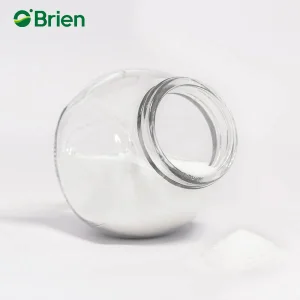
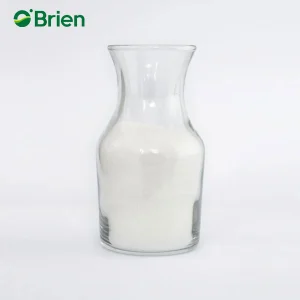
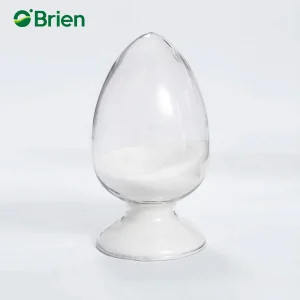
| Physical State | White/Off-white Granular Powder | Viscous Creamy Liquid / Emulsion |
| Active Polymer Content | 88% - 92% | 40% - 50% |
| Dissolution Time | 45 - 90 Minutes (Requires Maturation) | Instant Dispersion (< 3 Minutes) |
| Operating pH Range | pH 4.0 - 10.0 (Ionic Dependent) | pH 3.0 - 11.0 (High Electrolyte Tolerance) |
| Rheological Profile | Pseudoplastic / Shear-thinning | High Yield Point, Non-tacky Creamy Feel |
| Primary Mechanism | Charge Neutralization & Polymer Bridging | Hydrophobic Association & Steric Thickening |
Unlike conventional dry-powder polyacrylamides that rely entirely on hydrogen bonding and chain entanglement in dilute solutions, the hydrophobic blend of C13-14 Isoparaffin creates a low-viscosity continuous phase. When added into aqueous systems under moderate agitation, the Laureth-7 emulsifier triggers inverse micelles to burst, releasing fully hydrated polymer chains into the solution instantaneously. This drastically reduces operational downtime, eliminates fish-eye agglomerates, and lowers thermal energy overhead in processing plants.
Polyacrylamide / C13-14 Isoparaffin / Laureth-7 serves as an essential emulsi-gelling agent in luxury cosmetic creams, serums, and sunscreens. It enables cold formulation processes, stabilizes high oil-phase ratios (up to 40%) without traditional fatty alcohol surfactants, and delivers an exceptionally velvety, non-sticky sensory skin feel. Its extreme stability in pH ranges from 3.0 to 11.0 makes it ideal for AHA/BHA skin peels and vitamin C formulations.
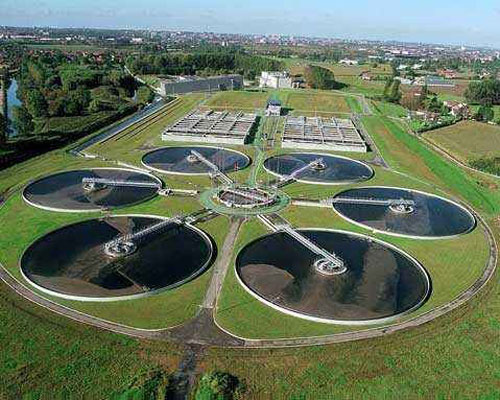
As a high-performance flocculating agent, polyacrylamide facilitates solid-liquid separation in industrial settling tanks, clarification chambers, and sludge dewatering centrifuges. It rapidly neutralizes surface charges on suspended particulate matter and aggregates micro-flocs into heavy macro-flocs for fast sedimentation in leather, dyeing, municipal sewage, and food processing effluents.
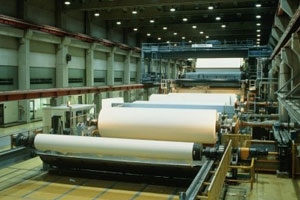
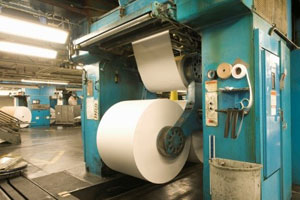
Utilized as retention agents, filter aids, and anionic trash scavengers. Polyacrylamide polymers enhance pulp sheet formation, increase short fiber retention rates, and boost dry/wet mechanical strength. Incorporating modified PAM into white-water circuits minimizes chemical raw material loss while significantly reducing effluent biological oxygen demand (BOD).
High molecular weight polyacrylamides act as rheology modifiers, friction reducers, and shale inhibitors in hydraulic fracturing fluid systems. In polymer flooding (EOR), PAM increases injection water viscosity, improving sweep efficiency across heterogeneous hydrocarbon reservoirs and maintaining wellbore structural integrity.
Crucial for solid-liquid extraction and tailings thickening in coal washing plants and precious metal processing (Gold, Silver, Copper, Lithium). PAM accelerates the settlement of fine mineral slurry, enabling rapid clarification of process water for circuit recycling while ensuring environmental compliance for tailings storage facilities (TSFs).
In sugar refining, anionic polyacrylamide accelerates juice clarification and flotation efficiency, removing impurities without altering sucrose purity. In the textile industry, PAM operates as a high-strength warp sizing agent, fabric finishing agent, and dye-house wastewater flocculant.
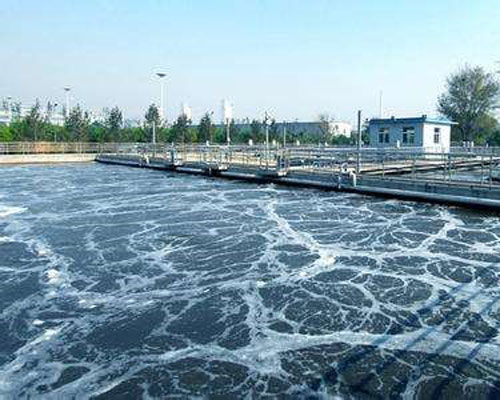
Wastewater Clarification
Sludge Dewatering
Paper Making Retention
Pulp Refining
Oilfield EOR Systems

Mining Tailings Dewatering
The global polyacrylamide industry is undergoing a structural transition toward greener, highly efficient, and micro-pollutant-free catalytic synthesis pathways. Standard legacy methods relying on chemical copper-catalyzed acrylamide hydration are rapidly being superseded by advanced bio-catalytic enzymatic synthesis platforms.
Qingdao Oubo Chemical utilizes proprietary bio-matrix nitrile hydratase enzymes to convert acrylonitrile directly into monomeric acrylamide. This biological pathway operates under ambient temperature and pressure, completely eliminating residual heavy copper catalyst impurities and reducing toxic sub-products. The resulting monomer purity exceeds 99.9%, establishing an optimal foundation for ultra-high molecular weight polymer chains (up to 30 Million Daltons).
Driven by strict environmental and safety frameworks such as REACH (EU) and global personal care compliance standards (INCI), our advanced polymerization lines implement controlled post-polymerization stripping. This guarantees residual free acrylamide (AMD) content below 10 ppm for cosmetics and below 250 ppm for industrial municipal grades, ensuring maximum human health and aquatic safety.
In line with global decarbonization initiatives, Oubo Chemical's R&D department is pioneering the integration of renewable, plant-derived bio-isoparaffins to replace traditional petroleum-derived C13-14 paraffin carriers. This next-generation eco-emulsion profile significantly reduces lifecycle carbon footprint while maintaining identical rheological yield values and phase inversion kinetics.
Established in 2011 inside the Free Trade Zone of Qingdao, China, Qingdao Oubo Chemical Co., Ltd. has grown at an annual rate exceeding 10% for over a decade. By leveraging direct deep-water port access in Qingdao and integrating automated continuous polymerization units, Oubo Chemical stands as a global leader in high-tier polyacrylamide production.
Qingdao OUBO Chemical Co., Ltd. is a world-class polyacrylamide manufacturer. Utilizing patented bio-catalytic methods, Oubo invests over €2 million annually into chemical research, maintaining absolute technological leadership in hydrogel and inverse emulsion chemistry.
Our raw material supply chain relies on strategic partnerships with global petrochemical giants including SINOPEC and Eni. Fully automated production lines certified under ISO 9001 ensure every single production batch undergoes 3-stage QA/QC rigorous lab testing before shipment release.
Specializing in Polyacrylamide manufacturing with superior quality and competitive pricing. Our dedicated technical team participates in pre-sales analysis, jar testing, custom formulation matching, and dedicated after-sales operational guidance.
We provide full-spectrum technical support across selection, laboratory bench testing, and plant trial application. Our engineers guarantee optimal charge density matching and molecular weight selection for your unique industrial slurry conditions.
To preserve moisture integrity and prevent polymer degradation during long-distance maritime transit, Oubo Chemical offers multi-layer reinforced packaging standards:
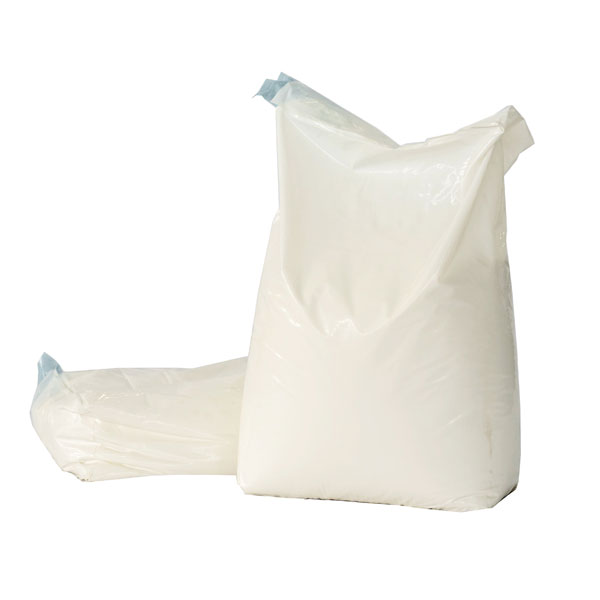
Neutral Blank Bags (25kg)
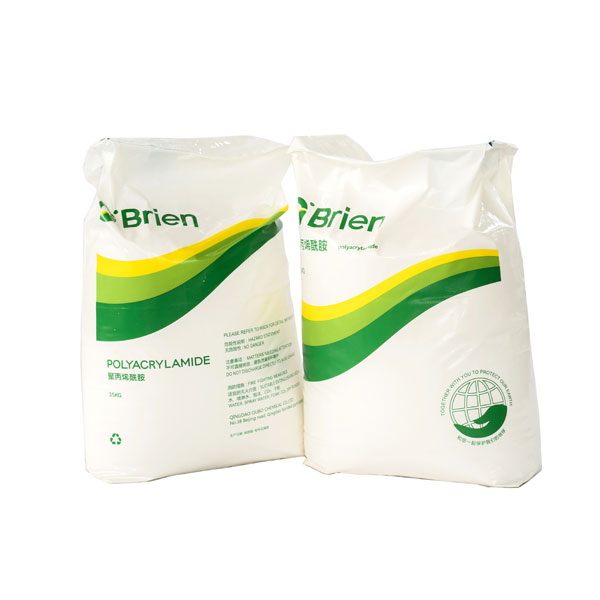
Standard Oubo Printed Bags
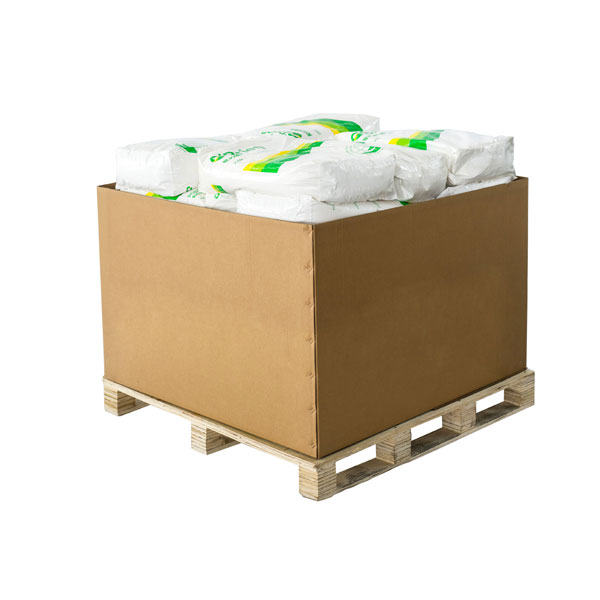
Palletized Shrink Wrap
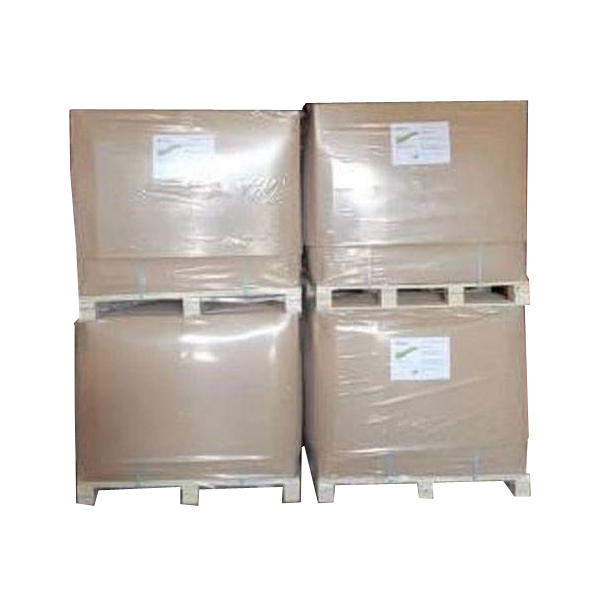
Export Pallet Cargo
As regulatory scrutiny over synthetic chemicals intensifies globally, international procurement requires strict adherence to legal, environmental, and toxicity certifications. Oubo Chemical products are engineered to conform to the world's most demanding regulatory regimes.
Full registration compliance under the European Chemicals Agency (ECHA) REACH framework, allowing unrestricted import across European Union member states with verified chemical safety dossiers.
Operating continuously under ISO 9001:2008 and updated ISO 9001:2015 standards, ensuring batch-to-batch consistency, complete batch traceability, and standardized quality auditing protocols.
Complete globally harmonized safety data sheets (SDS) provided in multiple languages. Cosmetic ingredients comply with official INCI naming conventions for seamless international product labeling.
Explore specialized Nonionic, Anionic, and Cationic Polyacrylamide Formulations
 Oubo Chemical