Explore our flagship Anionic, Cationic, and Nonionic PAM formulations engineered for high-performance separation and water clarification.
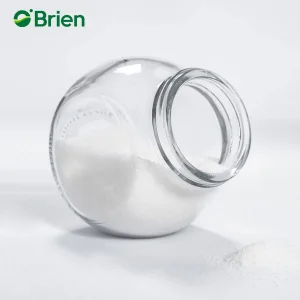
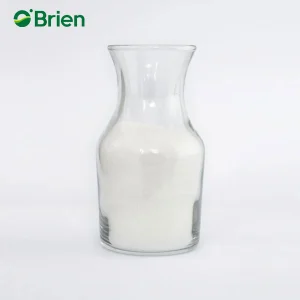
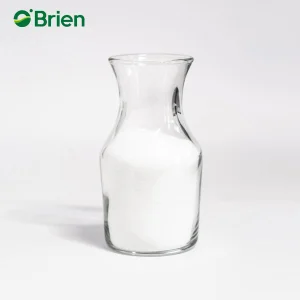
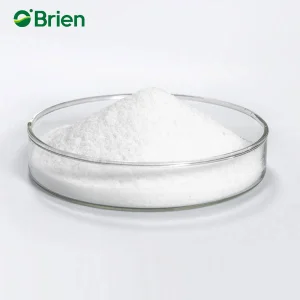
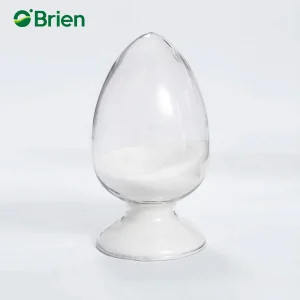
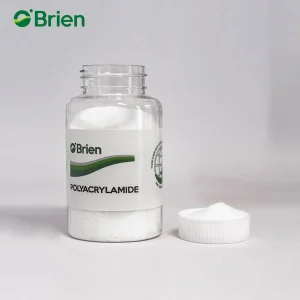
Leading the Global Polymer Manufacturing Sector with Innovation, Precision Quality Control, and Sustainable Biological Synthesis.
Oubo Chemical Co., Ltd was established in 2011, located strategically within the Free Trade Zone of Qingdao, China. Over the past decade, Oubo has maintained a steady business growth rate exceeding 10% annually, evolving into a top-tier worldwide manufacturer and supplier of water-soluble polymers. The quality control system of O'Brien / Oubo Chemical is strict, comprehensive, and fully certified under ISO9001:2008 standards.
Qingdao Oubo Chemical Co., Ltd is highly committed to quality, customer service, and environmental stewardship during polymer production and application. Specializing in Cationic Polyacrylamide (CPAM), Anionic Polyacrylamide (APAM), and Nonionic Polyacrylamide (NPAM), our ultra-modern manufacturing infrastructure broke through the 50,000-Ton annual capacity threshold in 2018. We proudly stand behind every metric ton of chemical solutions dispatched from our facilities.
Our commitment to continuous technological development ensures unparalleled supply stability, purity, and application efficiency.
We utilize cutting-edge biological enzymatic methods to synthesize polyacrylamide monomers. This patented process ensures high purity, lower residual monomer content, and enhanced polymer chain integrity compared to traditional chemical synthesis.
Raw materials are globally sourced from elite suppliers including SINOPEC and Eni. Our fully automated continuous production lines guarantee batch-to-batch consistency. Every single production batch undergoes 3 rigorous testing cycles by our internal QC team.
With over 8 years of focused expertise in high-molecular weight polymer chemistry, our technical team works alongside clients throughout pre-sales, lab testing, dose optimization, and dedicated after-sales operational guidance.
We reinvest over €2 Million annually into molecular engineering research. Our focus remains on high-temperature, salt-resistant polymers, low-toxicity coagulants, and sustainable solutions that protect the global ecosystem.
Understanding the Molecular Physics, Charge Density, and Flocculation Kinetics of Anionic Polyacrylamide Systems.
Polyacrylamide (PAM) is a linear synthetic polymer produced through the free-radical polymerization of acrylamide ($CH_2=CH-CONH_2$) monomers. Operating as a water-soluble resin, its functional versatility depends on chemical modification, physical state (granular powder, micro-emulsion, or liquid solution), and ionic character (Anionic, Cationic, Nonionic, or Amphoteric/Mannich base).
The performance of Anionic Polyacrylamide is governed by two crucial chemical metrics:
| Polymer Grade | Molecular Weight (Million) | Degree of Hydrolysis (%) | Solid Content (%) | Primary Industrial Application |
|---|---|---|---|---|
| APAM High MW (2pac Spec A) | 18 - 25 Million | 20% - 30% | ≥ 88% | EOR Oil Recovery, Coal Washing Tailing Dewatering |
| APAM Standard (2pac Spec B) | 12 - 16 Million | 25% - 35% | ≥ 88% | Municipal Sewage Clarification, Industrial Sludge |
| APAM Low Charge (Paper Grade) | 8 - 12 Million | 10% - 18% | ≥ 90% | Paper Retention Aid, Fiber Dispersant, Dry Strength |
| Nonionic PAM (NPAM) | 6 - 12 Million | 0% - 5% | ≥ 89% | Acidic Wastewater Treatment, Mineral Processing |
| Cationic PAM (CPAM) | 8 - 15 Million | 10% - 80% (Ionicity) | ≥ 89% | Organic Sludge Dewatering, Belt Press Filtration |
When APAM is introduced into a colloidal suspension, three distinct sub-processes occur concurrently:
Tailored Polyacrylamide chemistry driving operational excellence across globally critical industries.
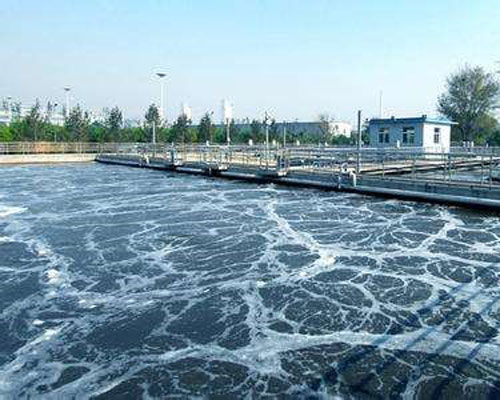
Polyacrylamide acts as an essential coagulant aid and primary flocculant in solid-liquid separation processes. As global water discharge standards tighten, Oubo APAM and CPAM deliver cost-effective clarification and sludge volume reduction.
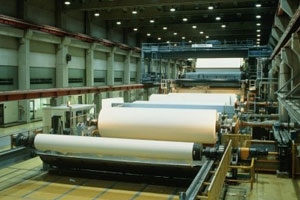
In wet-end paper chemistry, polyacrylamide serves multi-functional roles to enhance sheet formation, drainage efficiency, and total fiber retention while cutting raw material costs.
Polyacrylamide is vital in modern upstream petroleum operations, providing rheology control, fluid loss reduction, and profile modification under high-shear conditions.
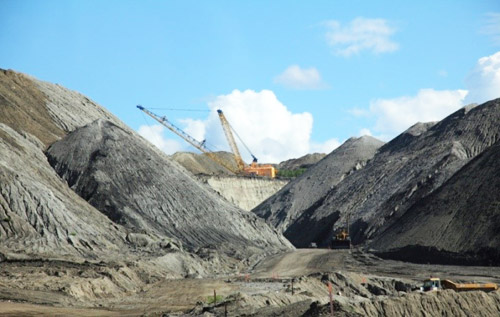
Mining operations require robust solid-liquid separation to recover valuable mineral concentrates and manage environmental tailings responsibly.
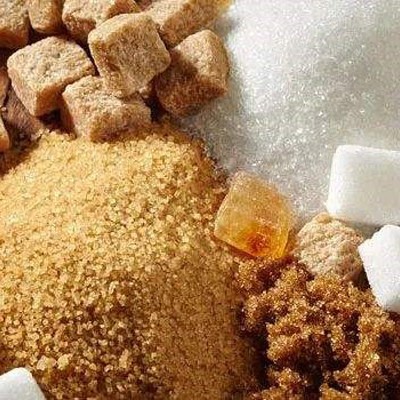
During sugar cane and beet sugar extraction, high-purity Anionic Polyacrylamide clarifies juice streams, accelerating mud settling in clarifiers and flotation units to ensure ultra-clear juice for crystallization.
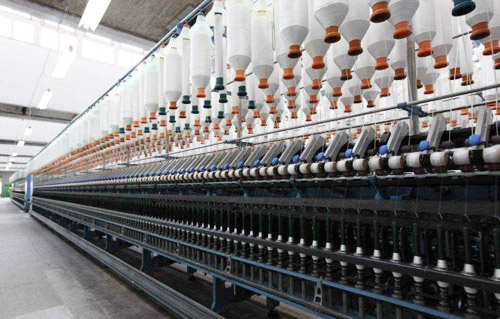
PAM is utilized as a sizing agent, finishing auxiliary, and textile wastewater decoloring agent. It stabilizes yarn threads during weaving and coagulates complex synthetic dye molecules in effluent plants.
Select from our comprehensive lineup of Anionic, Cationic, and Nonionic PAM formulations.
High Molecular Weight (6-25M), Hydrolysis 10-60%. Designed for inorganic solid settling, mineral washing, paper making, and EOR flooding.
Explore APAM Range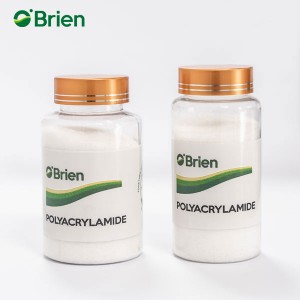
Ionicity 10-80%, MW 8-15M. Excellent performance in organic sludge dewatering, municipal wastewater plants, and belt press filtration.
Explore CPAM Range
High Purity Non-Ionic Polymer. Ideal for acidic wastewater flocculation, weak acid/alkali separation, soil conservation, and mineral dressing.
Explore NPAM RangeMulti-tier moisture-proof packaging engineered for international ocean freight safety and long-term shelf storage stability.
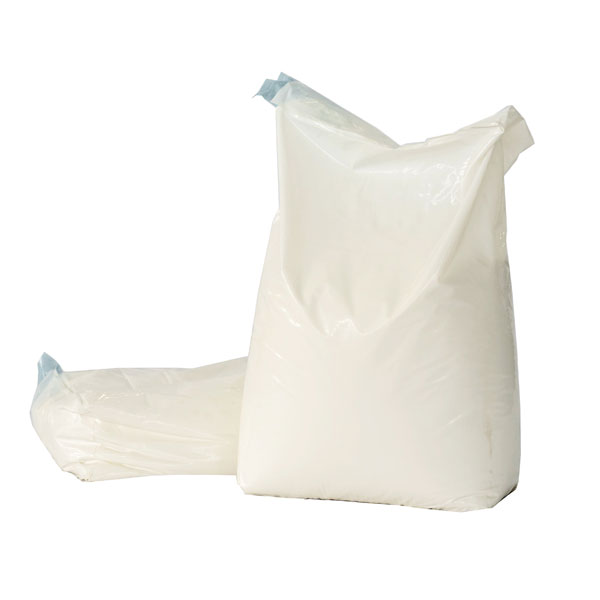
25kg Kraft paper bag with internal PE liner for neutral OEM re-branding.
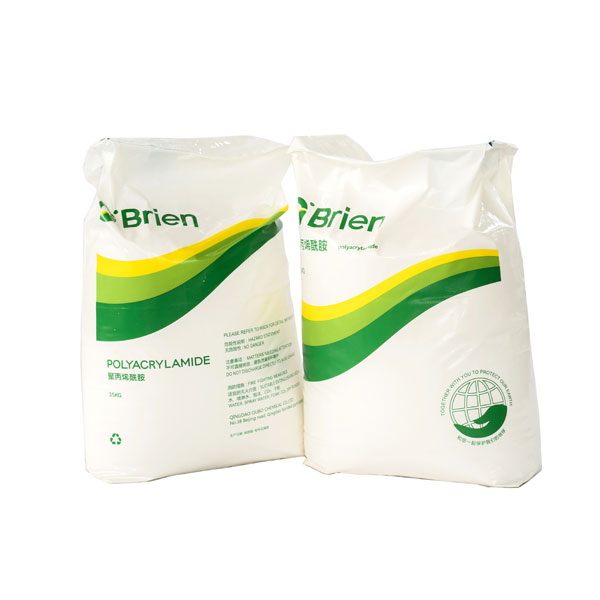
Standard 25kg multi-wall woven PE/PP bag with printed product specs.
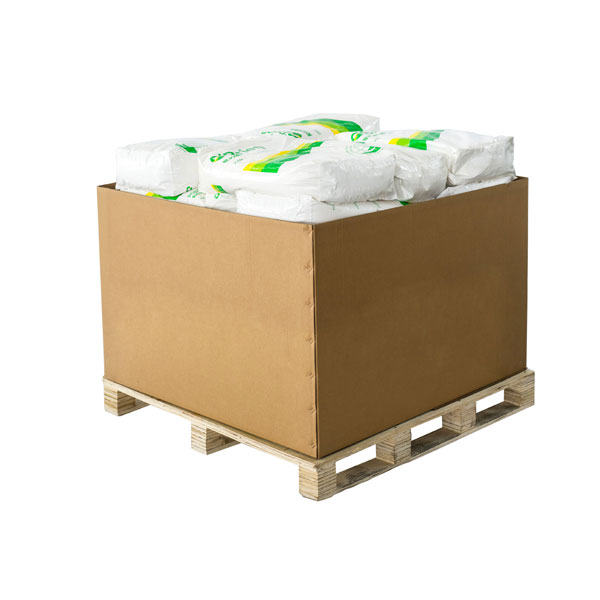
750kg / 1000kg FIBC Big Bags for high-volume automated chemical feeders.
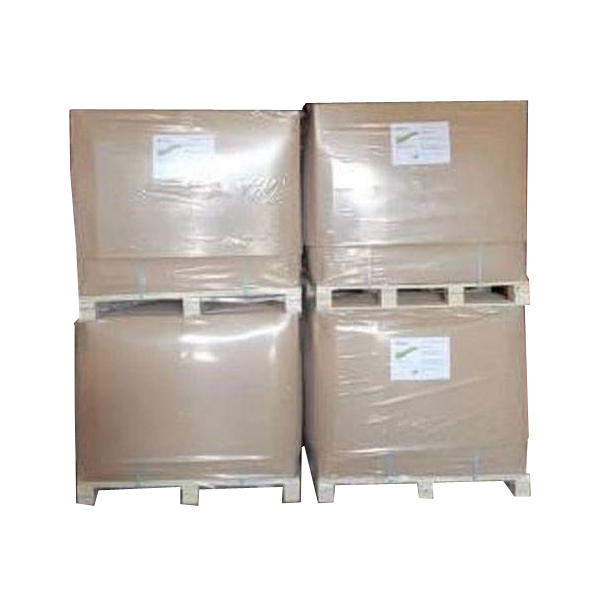
Fumigation-free ISPM-15 wooden/plastic pallets with thermal stretch wrapping.
Advancing polymer chemistry toward carbon-neutral bio-monomers, smart dosage integration, and severe-condition stability.
As global environmental regulations under ESG frameworks demand lower environmental footprints, Qingdao Oubo Chemical is executing a forward-looking technological roadmap centered on four main development vectors:
Moving beyond third-generation microbial enzymes, our R&D team is developing immobilized biocatalysts capable of operating at room temperature with zero byproduct emissions, reducing carbon intensity per ton of monomer by over 30%.
Designed for deep offshore EOR and severe industrial operations, our modified APAM polymers introduce hydrophobic monomers and temperature-resistant sulfonate groups ($AMPS$) that preserve viscosity at temperatures exceeding 120°C and salinity levels up to 200,000 ppm.
To eliminate extended dissolution times (aging tanks), Oubo is expanding liquid inverse-emulsion PAM production. These liquid systems dissolve in under 5 minutes while reducing dust inhalation hazards in underground mining and operational plants.
Our tailored low-dose polyacrylamide series minimizes residual chemical oxygen demand (COD) and total dissolved solids (TDS) in recycled process water, enabling industrial plants to achieve closed-loop ZLD compliance effortlessly.
Direct answers from our senior chemical engineers addressing key selection, preparation, and operational queries.
In chemical procurement, "2pac" typically refers to dual-component or standardized two-pack molecular weight system specifications designed for targeted liquid-solid separation. It denotes an Anionic Polyacrylamide formulation with optimized charge density and polymer chain length for maximum bridging efficiency in industrial settings.
The selection depends heavily on the surface charge of the suspended particles in your substrate:
• APAM: Best for inorganic suspended solids with positive surface charges (e.g., mineral tailings, clay, sand, neutral-to-alkaline wastewater).
• CPAM: Best for organic suspended solids with negative charges (e.g., municipal sewage, biological sludge, food processing waste).
• NPAM: Preferred for highly acidic effluents or complex mineral pulps with mixed charges.
Granular APAM should ideally be dissolved to a concentration of 0.1% to 0.3% (w/v) using clean, neutral tap water (temperature below 40°C). Standard dissolution aging requires 45 to 60 minutes of gentle mechanical stirring (200-400 RPM) to fully unpack polymer chains without mechanical degradation.
Stock solutions of Anionic PAM remain stable for 7 to 14 days under room temperature. Cationic PAM solutions degrade faster and should ideally be consumed within 24 to 48 hours to prevent viscosity loss caused by hydrolysis.
Yes. Oubo Chemical operates custom synthesis lines capable of adjusting molecular weight (from 6 Million up to 25 Million Daltons) and charge density (10% to 60% hydrolysis) to meet precise client jar-testing parameters.
Our manufacturing plant operates strictly under ISO 9001:2008 Quality Management Standards. All export products comply with international REACH compliance, SDS safety protocols, and NSF/ANSI Standard 60 guidelines for water treatment chemicals.
Browse our complete catalog of specialized polymer products for global industrial delivery.
 Oubo Chemical