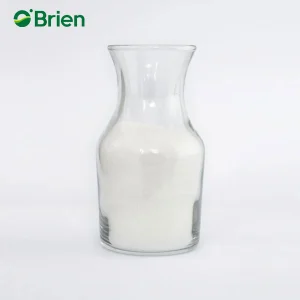
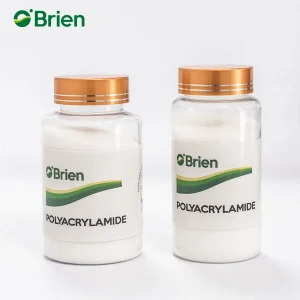
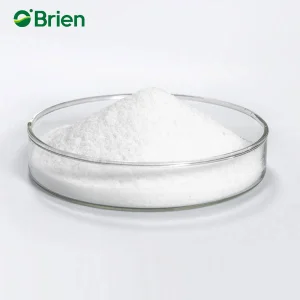
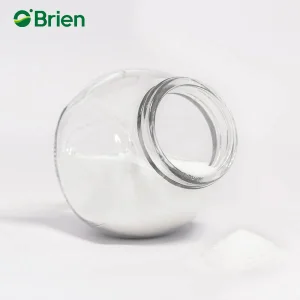
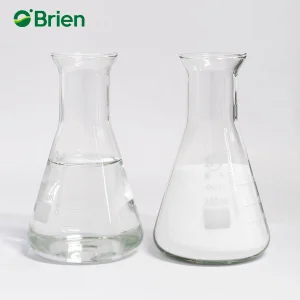
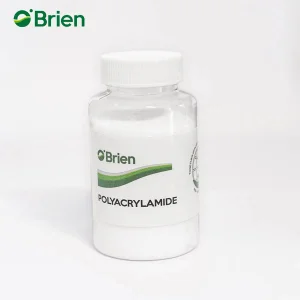
Factory-direct industrial grade Polyacrylamide (PAM) formulations engineered for rapid dissolution, high shear stability, and maximum solid-liquid separation efficiency.
Combining world-class biotechnology polymerization patents with rigorous quality control systems to deliver high-purity Polyacrylamide (CAS 9003-05-8) to global industrial markets.
Established in 2011 inside the strategic Free Trade Zone of Qingdao, China, Qingdao Oubo Chemical Co., Ltd (O'brien) has grown into a dominant global producer of synthetic water-soluble polymers. Operating with an uninterrupted annual business growth rate of over 10%, Oubo Chemical has consistently scaled its manufacturing footprint, breaking through the 50,000 Metric Ton annual output threshold for polyacrylamide polymers.
Our commitment to technical excellence is rooted in our proprietary biological manufacturing method. Unlike traditional chemical catalytic synthesis, Oubo utilizes patented microbial enzymatic polymerization to produce Acrylamide monomer and high-purity Polyacrylamide (CAS 9003-05-8). This advanced bio-catalytic route reduces residual unreacted monomer content to ultra-low levels (less than 0.05%), ensuring unmatched polymer chain linearity, enhanced thermal stability, and optimized environmental safety profiles.
Quality Assurance & Raw Material Integrity: All primary chemical inputs are sourced through long-term strategic supply partnerships with global industry leaders including SINOPEC and Eni. Production lines are 100% automated, utilizing multi-stage sensor arrays to monitor polymerization kinetics, viscosity development, and molecular weight distribution in real time.
Oubo Chemical operates a comprehensive Quality Control (QC) matrix certified under ISO 9001:2008. Every manufacturing lot undergoes rigorous triple-testing protocols conducted by our specialized analytical laboratories prior to dispatch: raw material assay verification, in-line process control testing, and final product performance validation (dissolution rate, active solid percentage, charge density, and intrinsic viscosity).
Comprehensive analysis of Polyacrylamide 98% granular powder, ionic classification chemistry, and macromolecular dynamics.
Polyacrylamide (PAM), registered under CAS RN 9003-05-8, is a linear synthetic resin synthesized through the free-radical polymerization of acrylamide monomers (CH₂=CH-CONH₂). As a high-molecular-weight, water-soluble polymer, PAM serves as an indispensable chemical agent across global heavy industries, functioning as a primary flocculant, coagulant aid, rheology modifier, friction reducer, and binder.
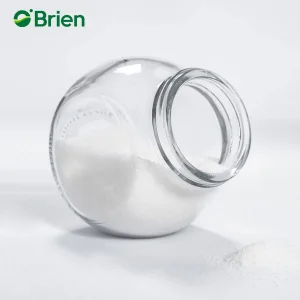
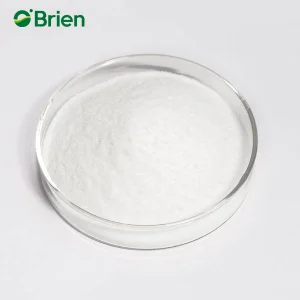
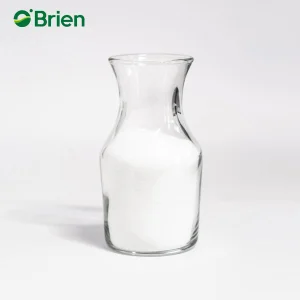
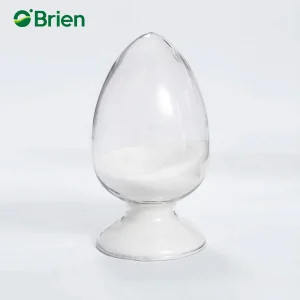
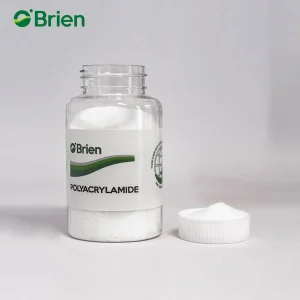
Commercial-grade Polyacrylamide 98% represents a highly concentrated solid powder form with active polymer content reaching or exceeding 98%, containing minimal moisture (< 10%) and extremely low unreacted residual acrylamide (AM) monomer. The polymer's performance in liquid dispersion systems is fundamentally governed by three core parameters: Molecular Weight (MW), Charge Density (Ionicity), and Particle Size Distribution.
| Parameter Classification | Anionic PAM (APAM) | Cationic PAM (CPAM) | Nonionic PAM (NPAM) |
|---|---|---|---|
| CAS Registry Number | 9003-05-8 / 25085-02-3 | 9003-05-8 / 69418-26-5 | 9003-05-8 |
| Molecular Weight Range | 6 Million – 25 Million Daltons | 3 Million – 15 Million Daltons | 5 Million – 12 Million Daltons |
| Degree of Charge (Ionicity) | 5% – 80% (Carboxylate groups) | 5% – 80% (Quaternary Ammonium) | Ultra-low (< 1% Hydrolysis) |
| Active Polymer Content | ≥ 98% Granular Powder | ≥ 98% Granular Powder | ≥ 98% Granular Powder |
| Dissolution Time (Minutes) | 30 – 50 Minutes | 45 – 60 Minutes | 40 – 60 Minutes |
| Residual Monomer Level | ≤ 0.05% (500 ppm) max | ≤ 0.05% (500 ppm) max | ≤ 0.05% (500 ppm) max |
Synthesized via copolymerization of acrylamide with acrylic acid or sodium acrylate. APAM introduces negatively charged carboxylate functional groups (-COO⁻) along the polymer backbone. It excels in suspended solid flocculation where mineral slurry particles carry net positive surface charges, such as neutral-to-alkaline wastewater, clay suspensions, and metallurgical tailings.
Formulated by copolymerizing acrylamide with cationic monomers such as DAC (Acryloyloxyethyltrimethyl ammonium chloride) or DMC (Methacryloyloxyethyltrimethyl ammonium chloride). CPAM carries positively charged quaternary ammonium sites, making it highly effective for conditioning negatively charged organic sludge in municipal sewage, food processing waste, and paper pulp retention.
Homopolymerized purely from acrylamide without ionic functional group substitution. NPAM relies predominantly on intense hydrogen bonding between amide groups (-CONH₂) and hydroxyl surface groups on target particles. It exhibits exceptional performance in acidic media, high-salinity brines, and complex mineral leach fluids where ionic polymers undergo charge neutralization coil collapse.
Produced via formalization and amination of polyacrylamide to yield customized cationic bio-polymers. Highly tailored for specialized industrial wastewater separation, high-viscosity sludge conditioning, and rapid filtration applications requiring specific spatial charge density distributions.
Analyzing macroeconomic factors, environmental regulations, and regional consumption growth across key industrial sectors.
The global Polyacrylamide market is expanding rapidly, driven by stringent international environmental mandates, accelerating industrialization in emerging markets, and increasing global water scarcity. The global valuation of Polyacrylamide (CAS 9003-05-8) is projected to surpass USD 8.5 Billion by 2030, maintaining a compound annual growth rate (CAGR) exceeding 6.2%.
Key global procurement drivers include:
Why Tier-1 Chinese PAM manufacturers deliver superior cost-to-performance ratios and supply chain stability for global enterprise buyers.
China has established itself as the global epicenter for Polyacrylamide production, manufacturing over 60% of the world's supply. The competitive advantage of China Polyacrylamide 98% (CAS 9003-05-8) manufacturers stems from complete upstream industrial integration, continuous technological innovation, and massive economies of scale.
Chinese producers benefit from direct pipeline access to upstream Acrylonitrile (AN) monomer refineries operated by SINOPEC and PetroChina. This vertical integration insulates PAM factories from raw material volatility and guarantees continuous, large-scale production runs.
Leading Chinese chemical facilities have fully transitioned from traditional chemical oxidation methods (using copper catalysts) to third-generation microbial enzymatic conversion. This yields higher monomer conversion rates, eliminates toxic heavy metal contaminants, and lowers energy consumption by 35%.
Oubo Chemical's strategic location inside the Qingdao Free Trade Zone provides seamless access to Qingdao Port—one of the largest deep-water shipping hubs globally. Direct container shipping lanes drastically reduce inland transit costs and export lead times for worldwide buyers.
Factory direct operations enable precise customization of polymer properties, including tailored molecular weights (from 3M to 25M Daltons), customizable ionicity percentage, adjustable dissolution times, and specialized particle mesh sizing (20 to 100 mesh).
Targeted solutions engineered for extreme operational environments in water treatment, energy, mining, paper, food, and textiles.
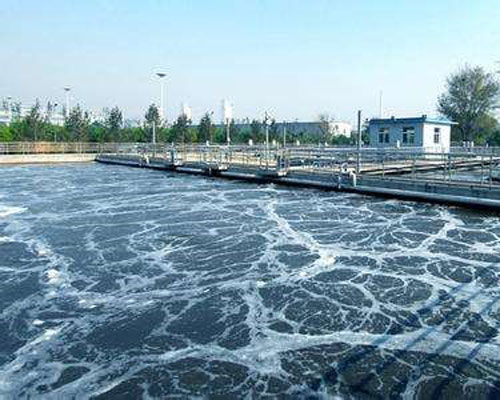
Functions as a primary organic and inorganic flocculant in clarification, sedimentation, and sludge dewatering units (belt filter press, decanter centrifuge, chamber filter press). CPAM neutralizes negative charges on biological sludge, creating dense, shear-resistant flocs that drain rapidly and reduce cake moisture content.
Essential for Enhanced Oil Recovery (EOR), profile control, and drilling mud modification. PAM increases fluid viscosity, reduces fluid loss into porous formations, stabilizes shale, lubricates drill bits, and functions as a high-friction reducer in slickwater hydraulic fracturing treatments.

Accelerates solid-liquid separation in coal washing tailings, gold cyanidation leach residue, red mud clarification in alumina refining, and base metal extraction (copper, zinc, nickel). APAM and NPAM promote rapid settling rates in thickener tanks, allowing complete process water recycling.
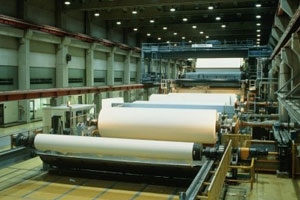
Operates as a multi-functional paper additive: 1) Retention & Drainage Aid to retain fine fibers and calcium carbonate fillers; 2) Dry & Wet Strength Agent to enhance tensile and bursting strength via covalent amide bonding; 3) Anionic Trash Collector to clean wet-end process water.
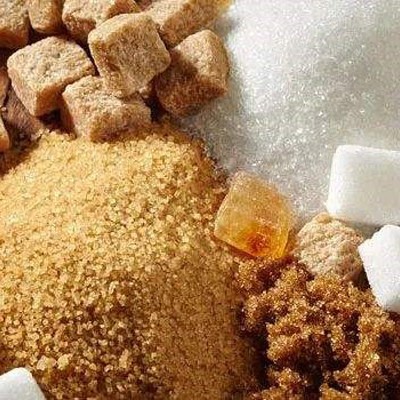
Used in raw sugar juice clarification and syrup flotation. Food-grade APAM binds suspended non-sugar impurities, starch, and color bodies, allowing clean phase separation while satisfying food safety standards and residual monomer compliance thresholds.
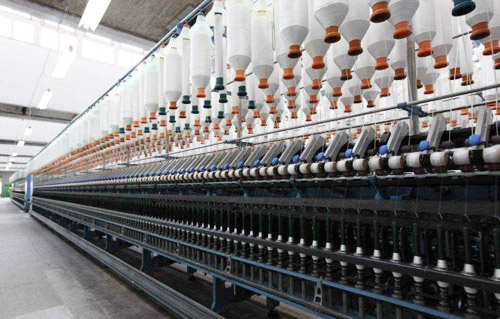
Acts as a textile warp sizing agent to increase yarn strength and reduce breakage during high-speed weaving. In wastewater treatment facilities, specialized CPAM and APAM decolorize dye effluents and aggregate concentrated organic sludge.
Industrial packaging options engineered for long-distance maritime transit, humidity protection, and ease of automated warehouse handling.
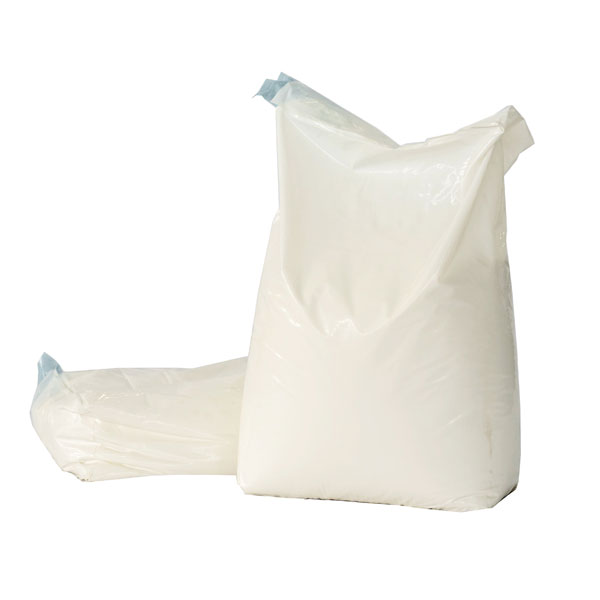
Multi-wall kraft paper or PE bags with inner plastic liner. Ideal for distributor OEM re-labeling.
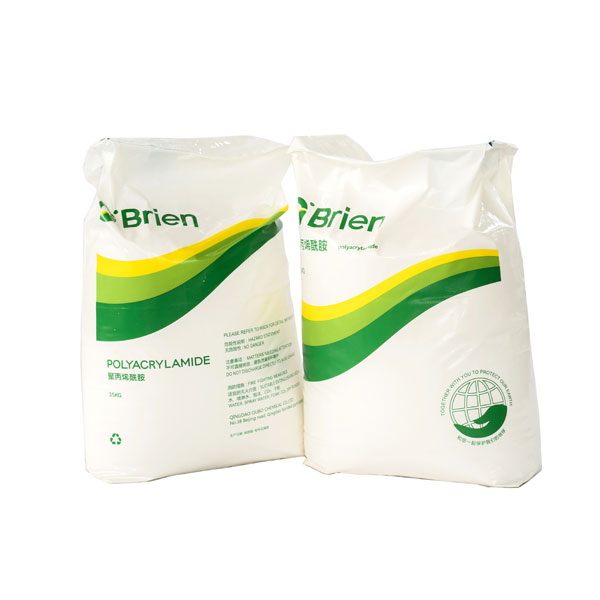
Standard English export packaging with batch numbers, net weight (25kg), and clear technical markings.
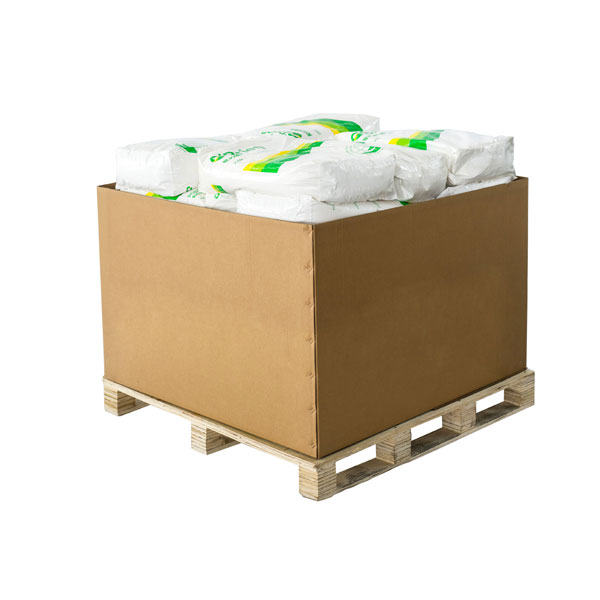
Heavy-duty FIBC ton bags with bottom discharge spouts for automated hopper dosing systems.
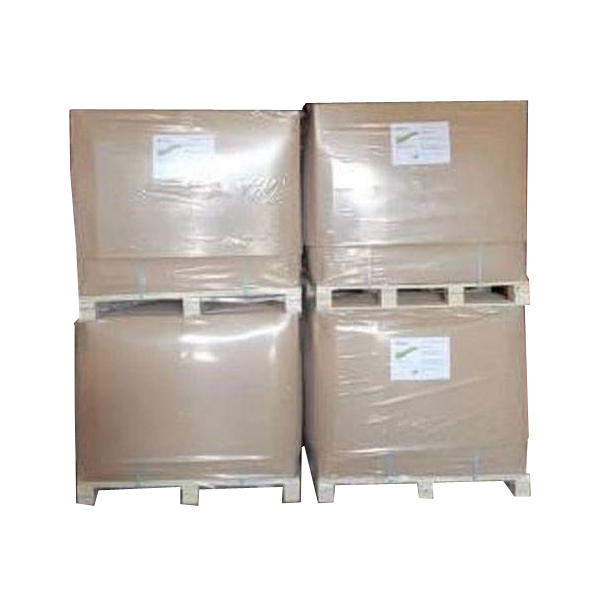
ISPM-15 compliant wooden or plastic pallets, shrink-wrapped with corner boards for ocean freight stability.
Direct answers from our senior chemical engineering team addressing product selection, dissolution protocols, shelf life, and bulk ordering.
Polyacrylamide 98% active powder contains 98% active polymer solids with minimal moisture (<10%) and negligible unreacted residual acrylamide monomer (<0.05%). Lower purity grades are frequently diluted with inorganic salts or filler material, requiring significantly higher chemical dosage to achieve equivalent flocculation performance. High-purity 98% PAM lowers transportation costs per unit of active active molecule and minimizes chemical sludge mass.
To prepare an optimal 0.1% to 0.3% working stock solution: 1) Fill the dissolving tank with clean water (temperature 20°C to 40°C); 2) Start the mechanical agitator at 200–400 RPM; 3) Slowly sprinkle PAM powder into the water vortex using an automated powder feeder or manual sieve to ensure individual particle wetting; 4) Continue agitation for 45–60 minutes until the solution is clear and homogenous. Avoid ultra-high shear mixers (>800 RPM) as excessive shear forces chop the long polymer chains, reducing effective molecular weight.
Polymer selection is dictated by the Zeta potential and surface charge of the suspended solids in your wastewater stream. As a general industry standard: 1) Organic sludge (e.g., municipal sewage, food processing waste) carries strong negative charges and requires Cationic PAM (CPAM); 2) Inorganic mineral suspensions (e.g., sand washing, coal tailings, iron ore slurry) carry positive surface sites or react well under alkaline conditions with Anionic PAM (APAM); 3) Acidic media or high-salinity streams require Nonionic PAM (NPAM).
When stored in original sealed moisture-proof packaging in a cool, dry, well-ventilated warehouse below 35°C, solid Polyacrylamide dry powder maintains full stability for 24 months. Once opened, bags must be tightly resealed to prevent ambient moisture absorption, which causes caking. Aqueous stock solutions, however, should be consumed within 24 to 48 hours as diluted polymer chains gradually undergo hydrolytic degradation over time.
Oubo Chemical combines 10+ years of continuous growth, an annual manufacturing capacity exceeding 50,000 metric tons, ISO 9001:2008 quality accreditation, and proprietary bio-catalytic synthesis patents. We back our products with a dedicated technical service team that participates directly in pre-sales jar testing, product selection, polymer adaptation, and post-sales dosing optimization, ensuring maximum operational cost-efficiency for your plant.
Browse our complete catalog of specialized Cationic, Anionic, and Nonionic Polyacrylamide formulations.
 Oubo Chemical