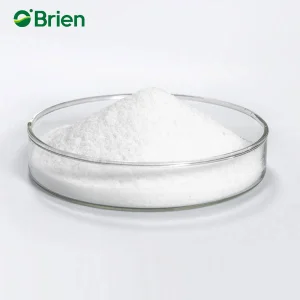
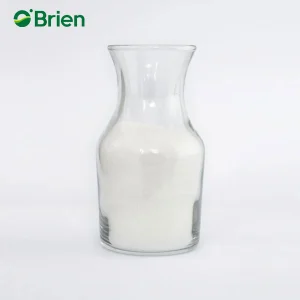
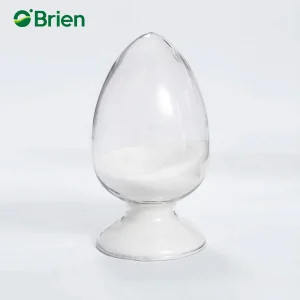
Explore our high-performance cationic, anionic, and nonionic polyacrylamide formulations engineered for superior flocculation efficiency, molecular stability, and tailored ionic density.
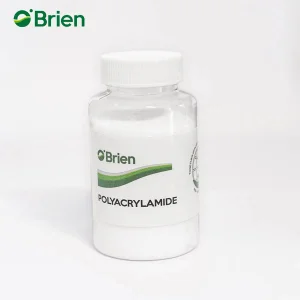
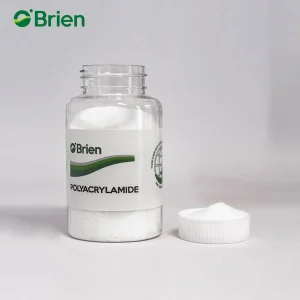
Established in 2011 inside the Free Trade Zone of Qingdao, China, Qingdao Oubo Chemical Co., Ltd. (O'Brien) has emerged as a globally recognized manufacturer of Polyacrylamide (CAS No. 9003-05-8). Operating with an annual production capacity surpassing 50,000 Metric Tons, Oubo Chemical combines state-of-the-art automated polymerization infrastructure with rigorous quality control, delivering sustained chemical solutions across more than 80 countries.
Unlike traditional chemical synthesis reliant on copper catalysts that leave hazardous trace metals, Oubo Chemical employs advanced biological enzymatic methods (microbial synthesis using Rhodococcus rhodochrous) to synthesize ultra-pure acrylamide monomer. This proprietary green technology minimizes unwanted side reactions, guarantees ultra-high molecular weights (up to 35 Million Daltons), and drastically reduces residual acrylamide monomer (AMD < 0.05%), meeting strict potable water and food-grade standards globally.
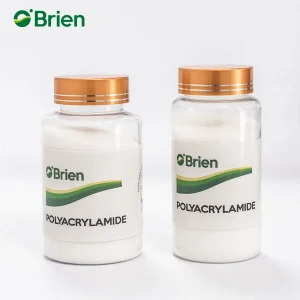
Polyacrylamide (PAM) is a linear, water-soluble synthetic macromolecule formed from acrylamide subunits ($[C_3H_5NO]_n$). Its versatility stems from the highly reactive amide group ($-CONH_2$), which can be chemically modified to yield distinct ionic variants: Anionic (APAM), Cationic (CPAM), and Nonionic (NPAM). Each classification exhibits targeted kinetic mechanisms for solid-liquid separation, rheology modification, and hydrodynamic friction reduction.
| Polymer Variant | Chemical Composition / Monomers | Molecular Weight Range (MW) | Charge Density (%) | Primary Flocculation Mechanism |
|---|---|---|---|---|
| Anionic PAM (APAM) | Acrylamide + Acrylic Acid / Sodium Acrylate (NaAA) | 5 - 25 Million Daltons | 5% - 80% (Low to Ultra-High) | Polymer Bridging & Electrostatic Repulsion Suppression |
| Cationic PAM (CPAM) | Acrylamide + DAC / DMC / MAPTAC monomers | 3 - 12 Million Daltons | 10% - 80% (Low to High) | Charge Neutralization & Electrostatic Patching |
| Nonionic PAM (NPAM) | Pure Acrylamide Homopolymer | 2 - 15 Million Daltons | 0% - 3% (Neutral) | Hydrogen Bonding & Adsorption Bridging |
| Amphoteric PAM | Ternary Copolymerization (Cationic + Anionic + AM) | 4 - 10 Million Daltons | Variable (Dual Charge) | Isoelectric Point Adjustment & Complex Matrix Dewatering |
APAM features negatively charged carboxylate groups along its backbone. When introduced into aqueous suspensions containing positively charged mineral fines or inorganic hydroxides, APAM molecules adsorb onto particle surfaces via hydrogen bonding, forming extensive polymeric bridges that accelerate settling velocity by up to 300% compared to conventional alum coagulants.
CPAM incorporates quaternary ammonium functional groups. Because municipal sludge, biological solids, and organic suspended matter typically carry strong negative surface potentials (zeta potential between -15mV and -45mV), CPAM rapidly neutralizes charge repulsive forces, destabilizing colloidal suspensions and causing compact micro-floc aggregation ideal for belt presses and centrifuges.
NPAM relies entirely on the dense concentration of non-ionized amide groups. It demonstrates exceptional structural stability in highly acidic environments (pH 1-5) and high-salinity brines where ionic charges are screened. NPAM is widely specified for acid leach tailing filtration and mineral washing applications.
Oubo Chemical’s brand O'brien formulates targeted polyacrylamide solutions customized for complex process waters, extreme shearing forces, and variable pH spectrums across global heavy industries.
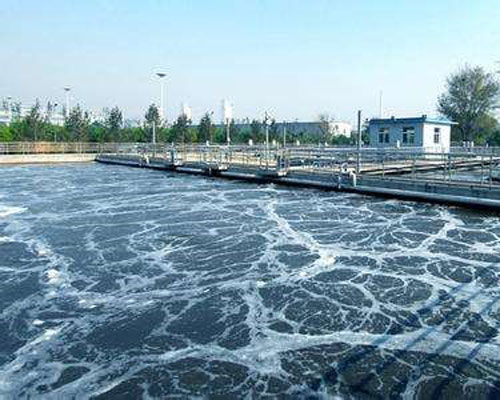
Primary Function: Clarification, Sedimentation, Dewatering.
Effective in municipal sewage treatment, industrial effluent clarification (textile, leather, citric acid, food processing), and potable water treatment. Enables rapid supernatant separation, high cake dryness in filter presses, and significant reduction of Total Suspended Solids (TSS), Chemical Oxygen Demand (COD), and turbidity.
Primary Function: Mobility Control, Friction Reduction, Shale Inhibition.
In Enhanced Oil Recovery (EOR), high-MW APAM increases sweep efficiency by matching water-phase viscosity to reservoir oil mobility. In hydraulic fracturing, slickwater PAM reduces friction head loss by up to 75%. Also acts as a shale stabilizer and fluid loss reducer in drilling fluids.
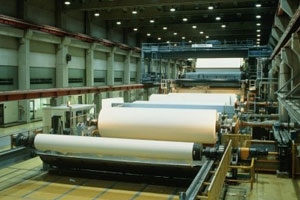
Primary Function: Retention Aid, Drainage Aid, Strength Agent.
Cationic and anionic PAM retention aids bind fine fibers, titanium dioxide fillers, and starches to the sheet web, reducing raw material loss, improving sheet formation, and speeding up machine wire drainage. Serves as dry-strength agents via covalent bond enhancement between fibers.

Primary Function: Solid-Liquid Separation, Tailings Dewatering.
Used extensively in coal washing slurry thickeners, copper solvent extraction, gold CIP/CIL processes, iron ore beneficiation, and alumina red mud settlement. Accelerates settling velocity of fine mineral slurry, recycling up to 95% of process water.
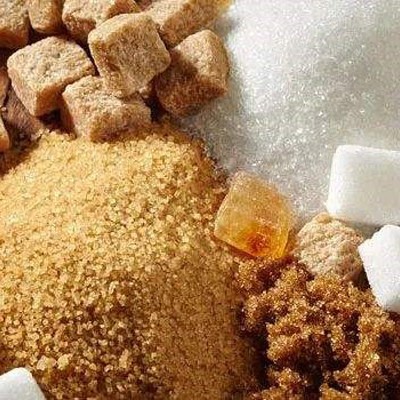
Primary Function: Juice Clarification & Flotation.
Food-grade anionic PAM aids in the rapid settling of impurities in sugarcane and sugar beet juice extraction. Guarantees ultra-low monomer residues complying with international food safety thresholds.
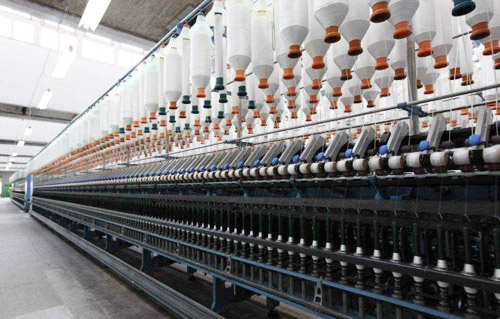
Primary Function: Warp Sizing & Color Decolorization.
Functions as a smooth textile warp sizing agent to minimize yarn breakage. In dyeing wastewater treatment, CPAM and APAM co-precipitate hydrolyzed reactive dyes, organic pigments, and heavy metal ions.
Quality reliability is the operational backbone of Oubo Chemical. Our ISO9001:2008 certified manufacturing campus integrates fully automated polymerization reactors, infrared spectroscopic analysis, and triple-tier batch sampling.
Raw materials including Acrylonitrile, Acrylic Acid, and Cationic Monomers are sourced exclusively from tier-1 chemical global giants like SINOPEC and Eni, guaranteeing ultra-low batch variance.
Every single production batch undergoes 3 separate analytical tests by our dedicated QC team: Raw monomer assay, post-polymerization gel testing, and final dry powder particle size & viscosity profiling.
Our senior chemical engineers participate directly in product selection, laboratory Jar Testing, field trial optimization, and automated dissolution equipment setup for client operations.
Operating inside the Qingdao Free Trade Zone, Oubo Chemical leads green polymer initiatives with minimal carbon footprint, energy-efficient drying systems, and zero water discharge manufacturing.
Polyacrylamide powder is highly hygroscopic. Oubo Chemical provides engineered moisture-barrier packaging solutions designed for long-distance maritime export, prolonged storage, and seamless automatic hopper feeding.
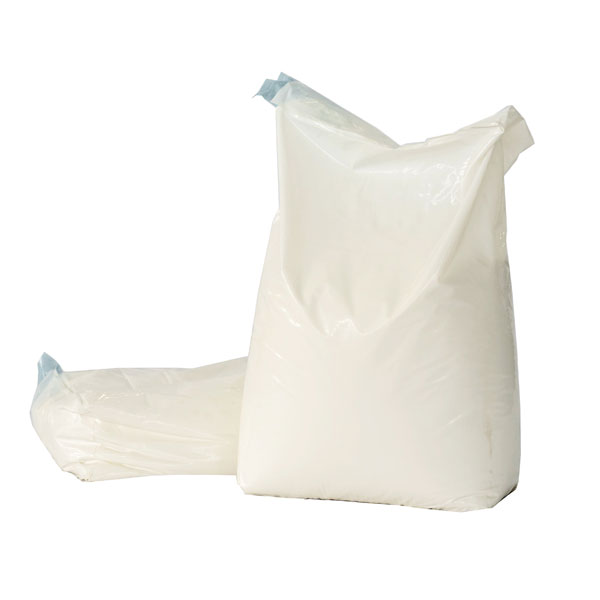
25kg inner plastic PE bag with outer neutral craft paper layer for OEM re-branding.
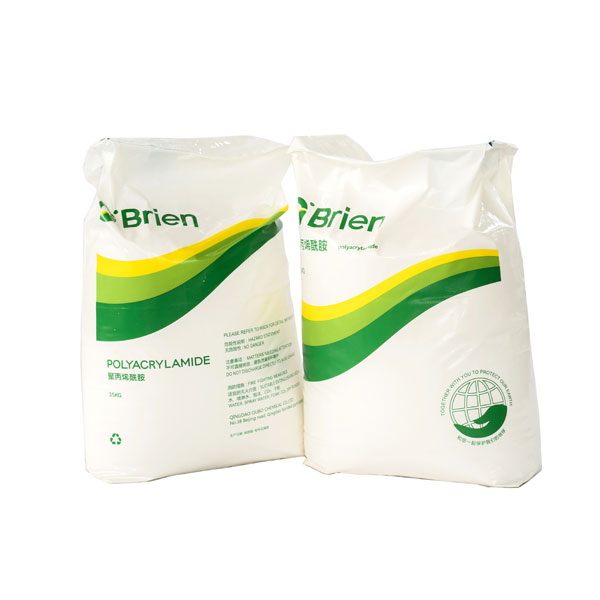
25kg reinforced multi-wall valve bag with full multilingual hazard and dosing safety markings.
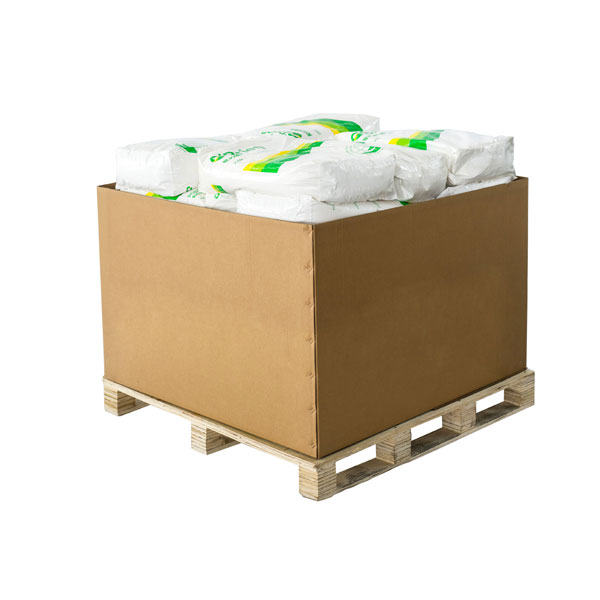
Heavy-duty woven polypropylene FIBC super sacks fitted with bottom discharge spouts for automated plants.
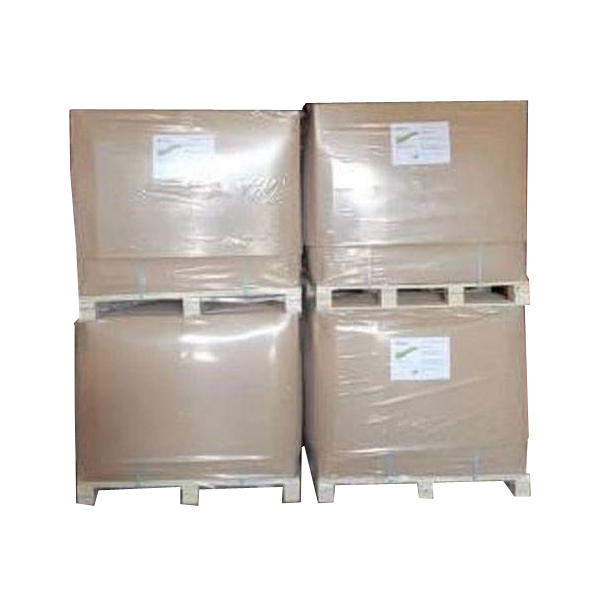
Palletized units wrapped in stretch-film protection, ensuring 18-20 Metric Tons per 20' FCL load density.
As global environmental regulations intensify, industrial chemical applications demand polymers with enhanced shear resistance, bio-degradability, and temperature resilience. Oubo Chemical’s €2 Million annual R&D commitment focuses on three cutting-edge technological frontiers:
Developing hydrophobically associating polyacrylamides (HAPAM) capable of maintaining high solution viscosity in deep-well reservoir conditions exceeding 120°C and 200,000 ppm total dissolved solids (TDS).
Engineered polyacrylamide chains incorporating hydrolyzable bio-cleavability joints that break down naturally post-dewatering, mitigating long-term agricultural soil residue risks.
Liquid inverse-emulsion polyacrylamides providing instantaneous dissolution within 3 minutes while maintaining residual acrylamide monomer (AMD) levels under 0.02% (200 ppm).
Our engineering team addresses the most critical operational queries regarding Polyacrylamide (CAS 9003-05-8) preparation, storage, dosage, and performance optimization.
To prepare an effective 0.1% to 0.3% PAM solution, add water to the preparation tank first. Initiate mechanical agitation at low-to-medium shear speeds (200 - 400 RPM). Slowly scatter dry PAM powder onto the water vortex using an automated powder feeder or manual sieve. Maintain continuous agitation for 45 to 60 minutes until all granules are completely hydrated and transparent. Avoid high-shear pumps (e.g., centrifugal pumps) after dissolution as excessive mechanical shear breaks polymer backbone chains, permanently reducing viscosity.
Unopened dry PAM powder stored in a cool, dry, ventilated warehouse below 35°C has an official shelf life of 24 months. However, once dissolved in water, prepared liquid solutions degrade over time due to hydrolysis and chain cleavage. Anionic PAM solutions remain stable for 7 to 10 days; Nonionic solutions remain stable for 3 to 5 days; Cationic PAM solutions degrade faster and should ideally be used within 24 to 48 hours for maximum performance.
Selection depends directly on the surface charge (Zeta Potential) of your suspended solids and system pH:
We strongly recommend performing a Jar Test in our laboratory or on-site to pinpoint exact molecular weight and charge density specifications.
Polyacrylamide (CAS 9003-05-8) polymer itself is non-toxic, biologically inert, and safe to handle. However, unreacted trace monomer Acrylamide (AMD) is a known neurotoxin. Oubo Chemical utilizes advanced bio-catalytic synthesis to maintain unreacted acrylamide monomer levels strictly below 0.05% (500 ppm) for standard industrial grades and under 0.02% (200 ppm) for potable water and food sugar grades, ensuring compliance with global environmental standards.
Browse our extended range of specialized polyacrylamide flocculants, thickeners, and retention agents designed for demanding industrial operations worldwide.
 Oubo Chemical