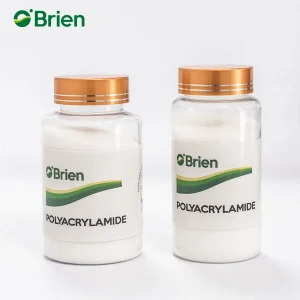
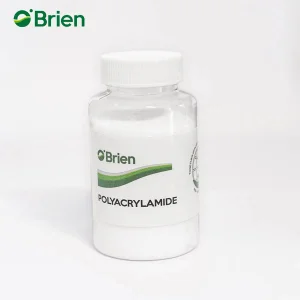
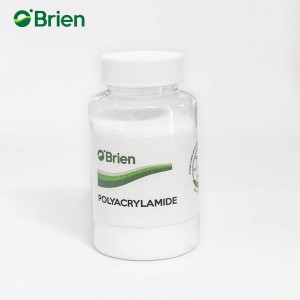
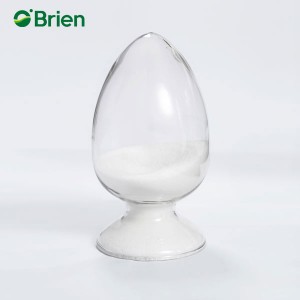
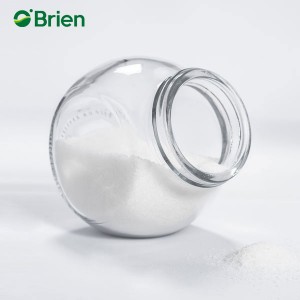
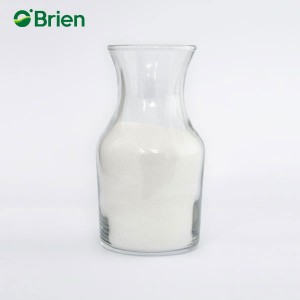
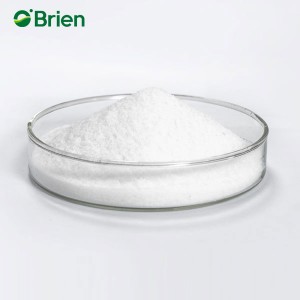
Direct factory supply of high-purity Cationic, Anionic, and Nonionic Polyacrylamide formulations tailored for global industrial processes.
In modern chemical manufacturing, Poly Plus, commonly engineered as Polyacrylamide (PAM, CAS 9003-05-8), represents the cornerstone of industrial liquid-solid separation, viscosity modification, and molecular flocculation. As global environmental regulations tighten and resource extraction moves into high-salinity, high-temperature domains, the global demand for advanced synthetic water-soluble polymers has escalated dramatically. China has emerged as the global epicenter for Poly Plus manufacturing, offering unparalleled chemical supply chain integration, bio-catalytic monomer synthesis, and massive economy of scale.
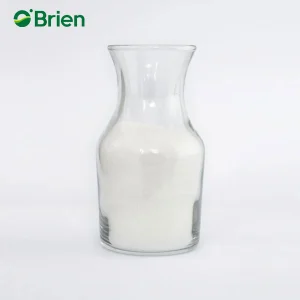
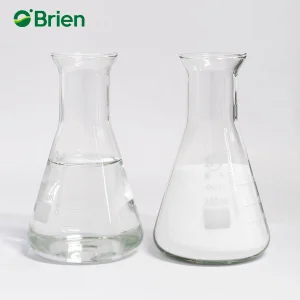
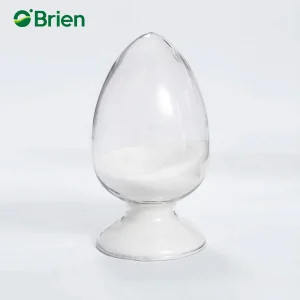
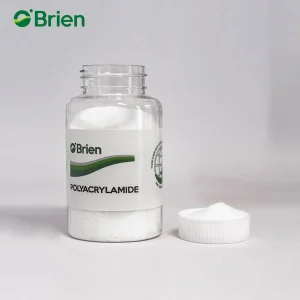
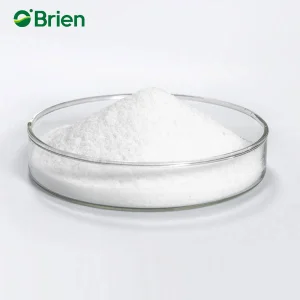
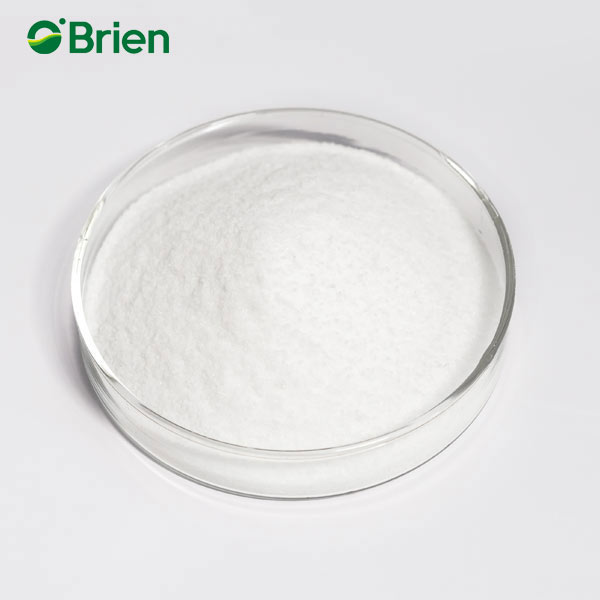
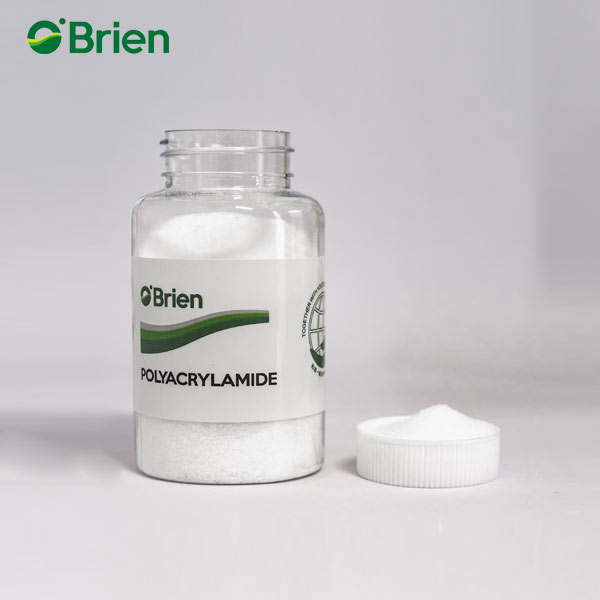
Polyacrylamide is a high-molecular-weight synthetic resin prepared through the precise polymerization of acrylamide monomers. Available in granular powder, micro-emulsion, and liquid dispersion forms, Poly Plus functions through sophisticated charge neutralization and inter-particle polymer bridging. These mechanisms enable fast sedimentation of suspended colloidal particles, sludge compaction, dynamic fluid drag reduction, and enhanced rheological stabilization across oilfield drilling, mineral processing, municipal sewage management, and papermaking.
Established in 2011 and strategically situated within the Free Trade Zone of Qingdao, China, Oubo Chemical Co., Ltd (operating globally under the premier brand O'brien) has solidified its position as a leading global manufacturer and exporter of synthetic polymers. Maintaining an impressive business growth rate exceeding 10% annually over the past decade, Qingdao Oubo Chemical combines cutting-edge chemical engineering with stringent environmental stewardship.
Our enterprise specializes in the synthesis and customized tailoring of Cationic Polyacrylamide (CPAM), Anionic Polyacrylamide (APAM), and Nonionic Polyacrylamide (NPAM). In 2018, Oubo's annual production capacity officially bypassed the 50,000-ton milestone. Supported by an ISO9001:2008 certified Quality Management System, our infrastructure guarantees absolute batch-to-batch consistency, ultra-low monomer residual limits (<0.05%), and predictable molecular weight distributions.
We utilize patented microbiological enzymatic conversion methods to produce acrylamide monomers. This low-carbon, zero-copper process eliminates metallic impurities, producing ultra-pure monomer stocks essential for synthesizing super-high molecular weight Poly Plus formulations.
To maintain uncompromising purity, our raw materials are sourced directly from global industry leaders, including SINOPEC and Eni. Our fully automated, computer-controlled polymer synthesis lines operate under real-time DCS telemetry.
Every product batch undergoes 3 separate testing sequences by our dedicated Quality Control team prior to global dispatch: evaluating active polymer content, charge density verification via titration, and dissolution kinetic rates.
The performance of Poly Plus (PAM) is determined by two critical chemical vectors: Molecular Weight (MW) (ranging from 3 Million to over 22 Million Daltons) and Ionic Charge Density (0% to 100% mole charge). Selecting the exact molecular architecture is vital for optimizing solid-liquid separation economics and fluid rheology.
| Polymer Variant | Ionic Type | Molecular Weight Range | Charge Density | Primary Industrial Substrates & Applications |
|---|---|---|---|---|
| Anionic PAM (APAM) | Negatively Charged | 8.0 - 22.0 Million Da | 5% - 60% Hydrolysis | Inorganic slurries, mineral processing, tailings dewatering, paper dry strength, tertiary oil recovery (EOR). |
| Cationic PAM (CPAM) | Positively Charged | 5.0 - 15.0 Million Da | 5% - 80% Ionicity | Organic sludge dewatering, municipal wastewater, paper retention/drainage, dyehouse effluence, food waste. |
| Nonionic PAM (NPAM) | Neutral Charge | 3.0 - 12.0 Million Da | 0% - 3% Hydrolysis | Acidic wastewater clarification, oilfield drilling fluids, soil stabilization, ore leaching under low pH. |
| Amphoteric / Mannich | Dual Charge | 6.0 - 14.0 Million Da | Variable Hydrolysis | Complex industrial effluents with fluctuating pH and mixed organic/inorganic suspended solids. |
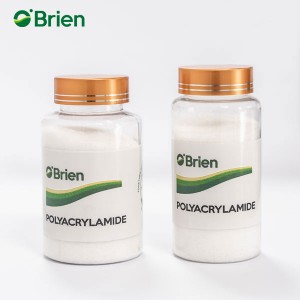
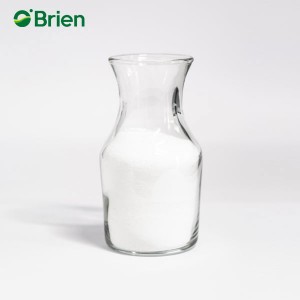
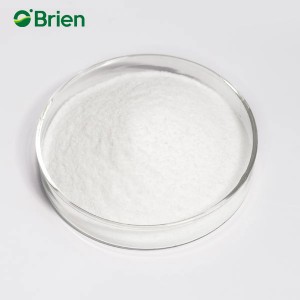
Oubo Chemical provides tailored Poly Plus solutions engineered specifically for unique operational dynamics across six primary industrial sectors.
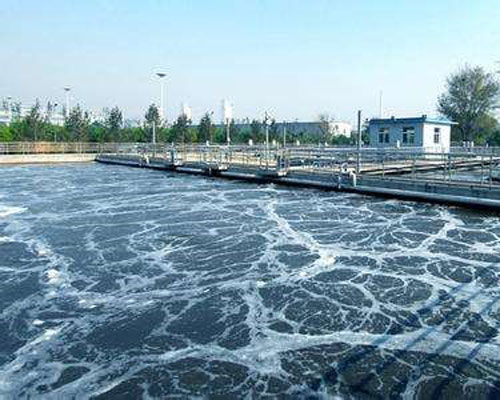
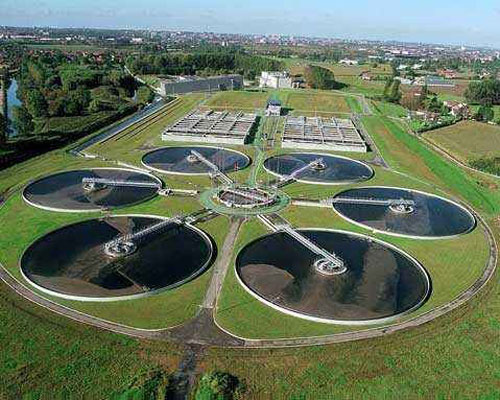
In industrial solid-liquid separation and municipal sewage treatment, Poly Plus serves as an indispensable primary coagulant aid and flocculant. CPAM neutralizes the negative surface charge of organic sludge solids, inducing rapid agglomeration into large flocs for efficient centrifugation, belt pressing, or screw-press dewatering.
Extensively implemented in leather processing, paper effluent, citric acid processing, vegetable protein extraction, pharmaceutical waste, and incense production wastewater, high-charge APAM and CPAM drastically decrease Chemical Oxygen Demand (COD), Biological Oxygen Demand (BOD), and Total Suspended Solids (TSS).
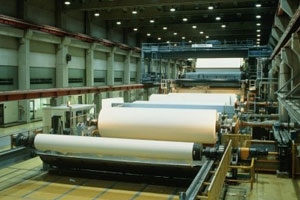
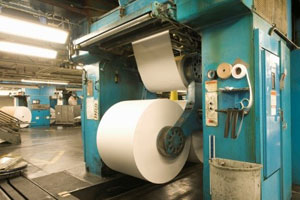
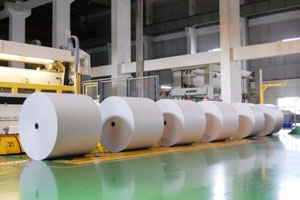
Poly Plus polymers optimize the wet-end chemistry of modern high-speed paper machinery by functioning as retention aids, drainage accelerators, and strength enhancers:
In upstream petroleum extraction, Poly Plus serves as a crucial polymer mobility control agent for tertiary oil recovery (EOR). High MW Anionic PAM increases injected water viscosity, correcting permeability contrast in heterogeneous reservoirs and dramatically increasing oil sweep efficiency.
For oil & gas drilling, NPAM and APAM function as fluid loss reducers, shale hydration inhibitors, dynamic friction reducers, and drill bit lubricants. They encapsulate reactive clay particles, maintaining borehole stability even under high salinity and elevated bottom-hole temperatures.
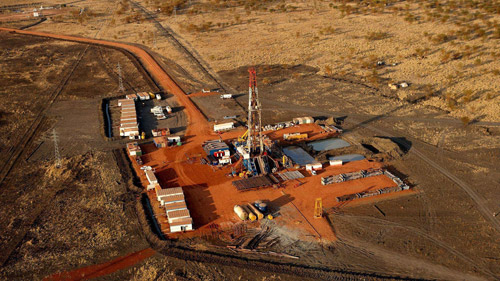
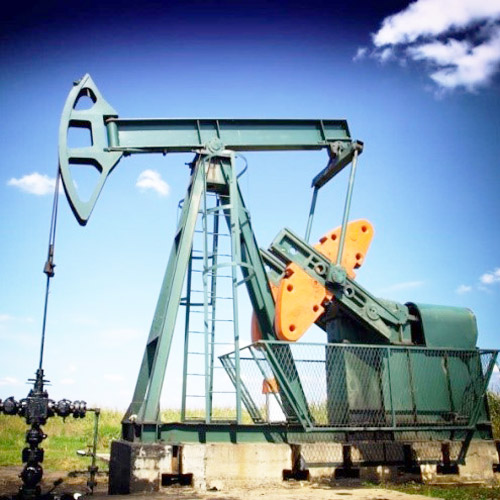
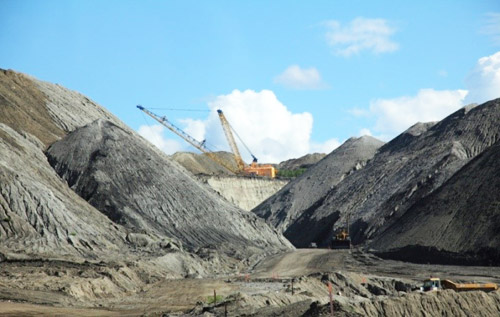
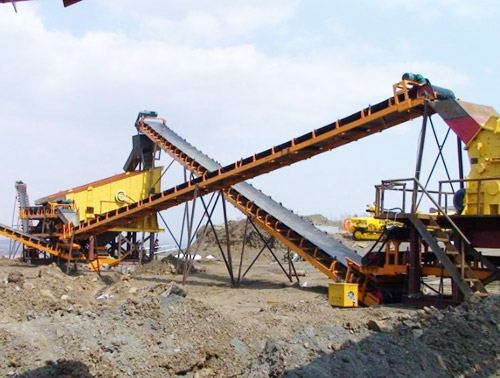
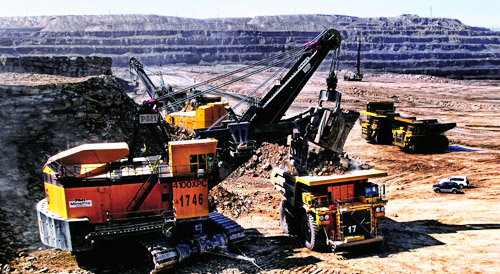
Poly Plus is vital for solid-liquid separation across coal washing, iron ore dressing, alumina refining (Bayer process), and precious metal leaching (gold, silver, copper, nickel). APAM accelerates thickener overflow clarification and filtration dewatering of mine tailings.
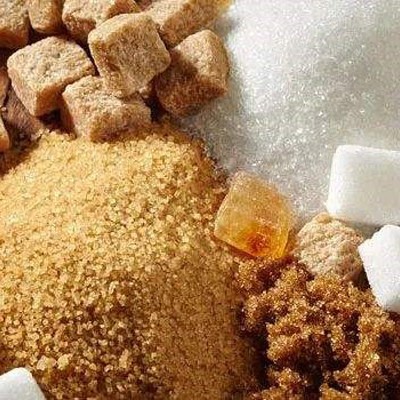
In sugarcane and sugar beet processing, high-purity food-grade Anionic Polyacrylamide is utilized during raw juice clarification and syrup flotation. It accelerates the settling rate of mud and insoluble impurities, yielding crystal-clear juice streams while reducing sucrose loss in filter cake.
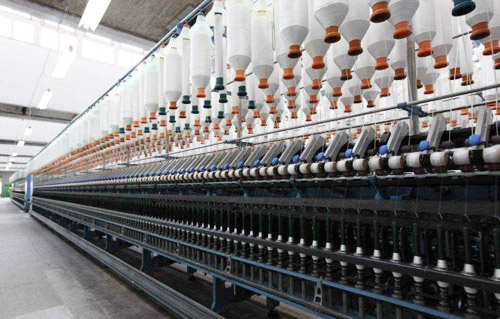
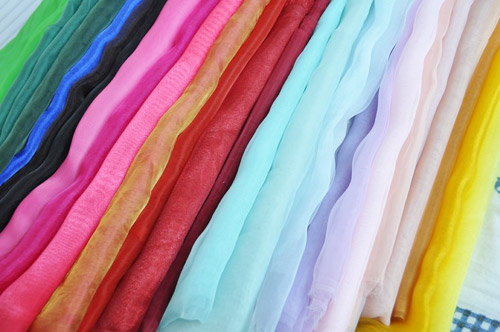
Poly Plus serves dual functions in the textile sector: as a warp sizing agent to minimize yarn breakage during high-speed weaving, and as a high-performance flocculant for textile printing and dyeing effluent treatment (CAS 9003-05-8), removing reactive dyes and heavy metals from wastewater.

Chemical performance varies dramatically across climate zones, water chemistries, and regional regulatory frameworks. Oubo Chemical engineers specialized Poly Plus variants customized for key international markets:
Focus: High-Salinity EOR & Seawater Desalination Sludge
Under hyper-saline formation water (>200,000 ppm TDS) and temperatures exceeding 90°C, traditional PAM polymers undergo thermal degradation. Oubo supplies salt-tolerant sulfonated Poly Plus copolymers with hydrophobic monomer modification, maintaining viscosity integrity during reservoir injection.
Focus: Heavy Mining Tailings & Alumina Processing
Australia and Southeast Asia require ultra-high molecular weight APAM (up to 25 Million Da) engineered to process high-clay content coal tailings and red mud. Our formulations achieve maximum thickener compaction, enabling up to 85% water recovery for immediate recycling.
Focus: Unconventional Shale Hydraulic Fracturing
For friction reduction in slickwater hydraulic fracturing across the Permian and Marcellus basins, Oubo provides high-inversion rate emulsion Poly Plus. These products invert within 5 seconds in high shear blenders, minimizing surface pumping horsepower demands.
Focus: Low Carbon Footprint & Ultra-Low Monomer Residuals
Complying with strict EU REACH regulations and environmental directives, Oubo delivers CPAM and APAM with ultra-low residual acrylamide content (<250 ppm), ensuring full safety in municipal potable water production and sensitive river basins.
As part of our continuous €200 million annual R&D accumulation program, Oubo Chemical is driving three key innovation pillars to redefine polymer performance:
Transitioning from traditional nitrile hydratase enzymatic synthesis toward third-generation immobilized bio-catalysts, reducing scope 1 and 2 carbon emissions during monomer production by 42% while guaranteeing 99.9% monomer purity.
Developing smart Poly Plus liquid dispersions integrated with IoT turbidimetric sensors. AI algorithms dynamically adjust dosing based on real-time sludge charge fluctuation, reducing polymer consumption by 15-25%.
Formulating novel inverse-emulsion Polyacrylamide engineered with intramolecular self-assembly crosslinks that resist shear degradation in high-speed centrifugal pumps and deep reservoir injection points.
To safeguard product activity and prevent moisture absorption during long-distance ocean transit, Oubo Chemical enforces strict export packaging standards:
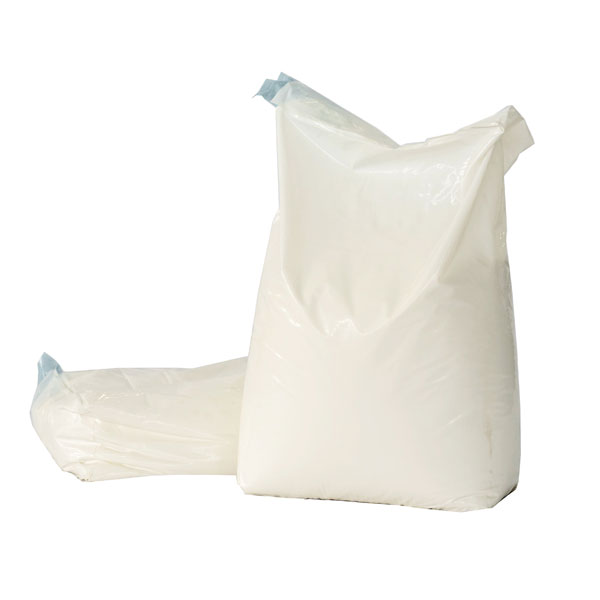
Unbranded 25kg multi-wall kraft paper bags with inner PE moisture barrier lining. Ideal for private-label distributors.
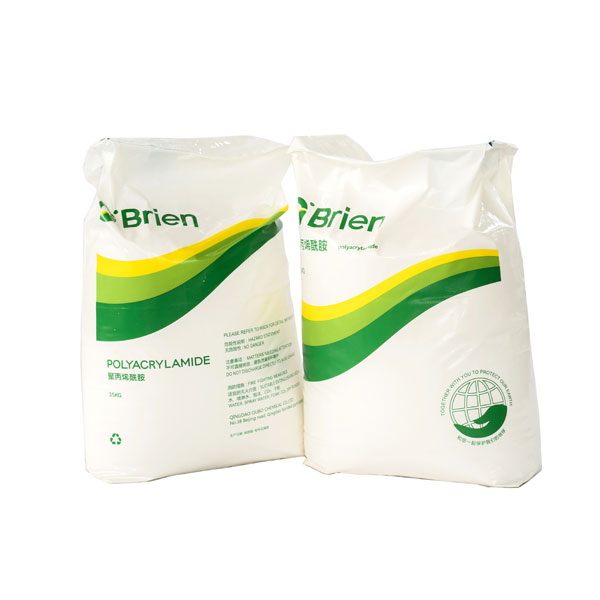
Standard O'brien branded 25kg woven PP bags with dual polyethylene heat-sealed liners.
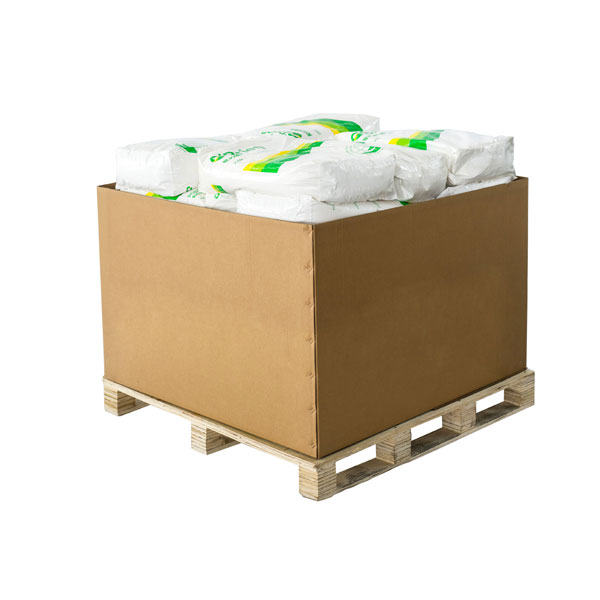
750kg and 1000kg FIBC super sacks designed for high-volume mining and oilfield continuous feeding systems.
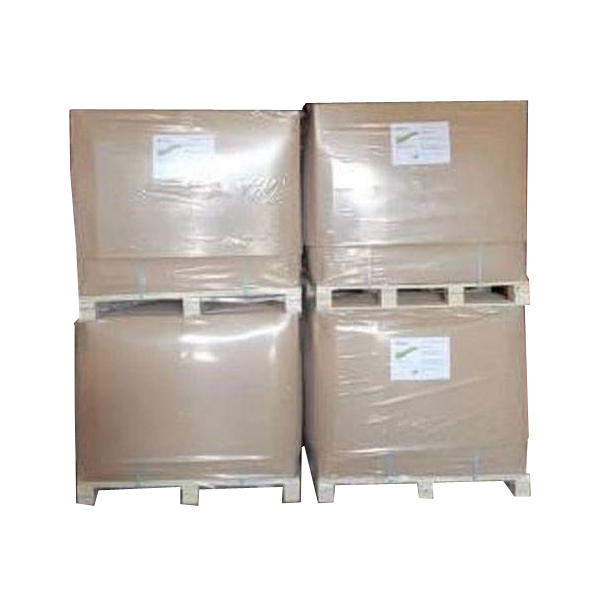
ISPM-15 compliant fumigated wooden pallets or plastic pallets with stretch wrap containment (1.0 to 1.2 metric tons per pallet).
Our strategic action depends on continuous performance improvement and is absolutely oriented toward our customers' ultimate operational success.
Qingdao OUBO Chemical Co., Ltd is a world-class Polyacrylamide manufacturer. Utilizing patented biological conversion methods, we invest €200 million into technical research annually to remain at the absolute technological forefront of polymer science.
Our global supply chain secures raw materials from top-tier chemical titans like SINOPEC and Eni. Operating 100% automated production lines compliant with ISO9001, every product batch is tested 3 times by our QC team before shipment.
With decades of dedicated focus on Polyacrylamide manufacturing, we offer superior chemical quality at highly competitive factory-direct pricing. Our technical engineers partner with clients pre-sale, during trials, and post-sale.
Selecting the wrong polymer ionic charge or molecular weight can lead to operational downtime. Our field application specialists conduct complimentary jar testing and sludge analysis to ensure optimal polymer matching.
Expert answers to common chemical engineering, dosing, and supplier selection questions.
Poly Plus is an industry-recognized trade designation for high-performance polyacrylamide (PAM) polymer formulations. PAM (CAS 9003-05-8) is the overarching chemical term for water-soluble synthetic polymers derived from acrylamide monomers, encompasssing Anionic (APAM), Cationic (CPAM), and Nonionic (NPAM) variants.
Selection depends on the Zeta potential and surface charge of your suspended solids. Organic sludges (such as municipal sewage or biological waste) carry negative charges and require Cationic PAM (CPAM). Mineral slurries, clay particles, and inorganic industrial effluents respond best to Anionic PAM (APAM). Acidic effluents or neutral chemical suspensions typically utilize Nonionic PAM (NPAM).
Powdered Polyacrylamide must be dissolved in clean water at a concentration between 0.1% and 0.3% (w/v). Ensure water temperatures remain between 15°C and 40°C. Feed powder gradually into the vortex of a mechanical mixer (450-600 rpm) to avoid forming un-dissolved polymer aggregates ("fish eyes"). Maintain gentle agitation for 45-60 minutes until completely dissolved.
In solid dry powder form, stored in original sealed packaging in a cool, dry, ventilated warehouse, Poly Plus maintains a shelf life of 24 months. Aqueous working solutions should be consumed within 24 to 48 hours, as diluted polymer chains gradually undergo hydrolytic shear degradation over time.
Biological synthesis uses enzymatic micro-catalysts to convert acrylonitrile into acrylamide monomer. This process operates at ambient temperatures without copper catalysts or harsh acids, yielding zero heavy metal contamination and significantly lower unreacted residual acrylamide monomers, creating a higher purity polymer chain ideal for high molecular weight applications.
Yes. Oubo Chemical provides full custom tailoring. Our technical laboratory can adjust molecular weight (from 3M to 22M Da) and charge density (from 5% to 80%) to match the precise requirements of your specific sludge or fluid sample.
Explore our certified polymer solutions available for bulk global delivery.
 Oubo Chemical