High-Molecular Weight Anionic, Cationic, and Nonionic PAM Polymers Formulated for Maximum Process Efficiency
Understanding Molecular Structure, Hydrolysis Degrees, and Macromolecular Viscoelasticity in Industrial Applications
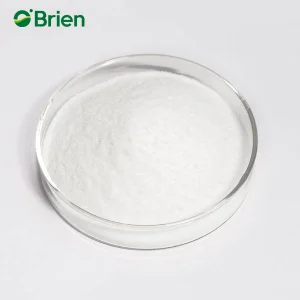
Partially Hydrolyzed Polyacrylamide (PHPA) represents a specialized anionic water-soluble polymer synthesized through the controlled hydrolysis of polyacrylamide or co-polymerization of acrylamide with sodium acrylate. As a premium chemical variant, PHPA features a linear macromolecular backbone containing both neutral amide groups (-CONH₂) and negatively charged carboxylate groups (-COO⁻). This dual functionality imparts unique rheological behavior, superior thermal stability, and exceptional bridging capabilities across diverse fluid matrices.
As a leading China Partially Hydrolyzed Polyacrylamide Supplier, Qingdao Oubo Chemical Co., Ltd. leverages state-of-the-art biological synthesis techniques to control polymer chain linearity and molecular weight distribution ranging from 5 Million to upwards of 25 Million Daltons. The hydrolysis ratio—typically calibrated between 10% and 35% depending on target application parameters—governs the charge density along the polymer chain, directly dictating its hydrodynamic volume, salt tolerance, and particle adsorption efficiency.
| Polymer Classification | Ionic Type & Charge Density | Molecular Weight Range (MDa) | Primary Mechanisms | Core Application Domains |
|---|---|---|---|---|
| PHPA / HPAM | Anionic (10% - 35% Hydrolysis) | 12 - 25+ Million | Shale Encapsulation, Viscosification, Flocculation | Oilfield EOR, Drilling Mud, Mineral Tailings |
| APAM (Anionic PAM) | Anionic (Medium to High) | 8 - 22 Million | Charge Neutralization, Polymer Bridging | Industrial Wastewater, Sewage Treatment, Paper |
| CPAM (Cationic PAM) | Cationic (5% - 80% Charge) | 5 - 12 Million | Double-layer Compression, Sludge Dewatering | Municipal Sludge Dewatering, Dyeing Effluents |
| NPAM (Nonionic PAM) | Neutral / Zero Charge | 6 - 15 Million | Hydrogen Bonding, Steric Stabilization | Acidic Wastewater, Soil Conditioning, Mining |
Analyzing Commercial Demand Drivers, Environmental Regulations, and Supply Chain Integration
High demand for PHPA as a friction reducer and shale inhibitor in high-volume hydraulic fracturing (fracking) across the Permian and Bakken basins. Strict wellbore stability parameters demand ultra-high polymer integrity under shear stress.
Mature oil reservoirs require high-viscosity PHPA solutions capable of maintaining sweep efficiency in high-salinity, elevated-temperature carbonate rock reservoirs. Customized salt-tolerant PHPA grades provide economic oil recovery yield increases.
Rapid industrialization and stringent environmental discharge mandates in China, India, and Southeast Asia drive massive adoption of PHPA in coal washing, alumina extraction, red mud settling, and zero-liquid-discharge (ZLD) municipal wastewater treatment plants.
Decade-long Leadership in Biological Polymer Synthesis and Global Supply Reliability
Oubo Chemical Co., Ltd was established in 2011, located in the Free Trade Zone of Qingdao, China. The Quality Control (QC) system of O'brien is strict and comprehensive. Over the past decade, our business growth rate has sustained a steady 10% per year. Qingdao Oubo Chemical Co., Ltd is highly committed to quality, customer service, and environmental sustainability during polymer production and global application.
Oubo specializes in supplying Cationic Polyacrylamide, Anionic Polyacrylamide, and Nonionic Polyacrylamide. Equipped with advanced automated production lines and an experienced technical engineering team, we ensure all products and services meet high global standards. The annual production capacity of polyacrylamide broke through 50,000 Metric Tons in 2018, backed by an ISO9001:2008 certified quality management system.
Our biological method for producing polyacrylamide (utilizing enzymatic catalysis) is patented and significantly reduces residual acrylamide monomer (AM) levels while improving polymer chain structure linearity. We invest substantially in R&D annually to maintain technical excellence and develop eco-friendly polymer variants.
Qingdao OUBO Chemical Co., Ltd is a world-class Polyacrylamide manufacturer utilizing patented biological synthesis methods for high-purity polymer formation.
Global raw material sourcing from tier-1 suppliers like SINOPEC and Eni. Fully automated production lines with rigorous 3-stage QC batch inspection.
Over 8 years of specialized polymer manufacturing focusing on high molecular weight consistency, competitive pricing, and swift global logistical delivery.
Our dedicated technical service team assists clients across pre-sales bench testing, polymer selection, onsite dosing skids, and post-sales optimization.
Engineered Polymer Solutions for Demanding Chemical Engineering Ecosystems
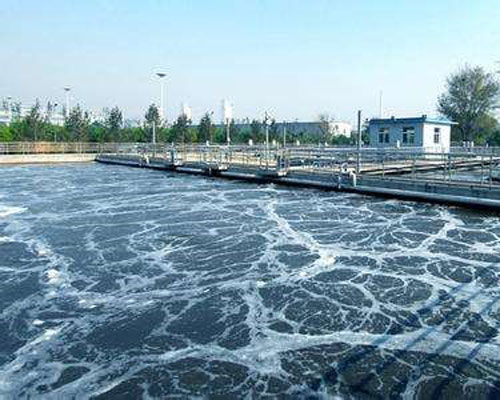
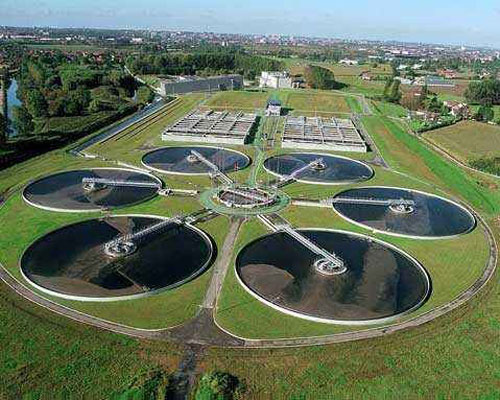
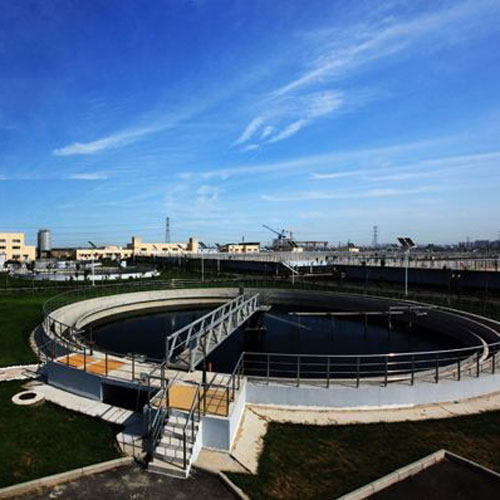
In solid-liquid separation processes, PHPA and anionic polyacrylamide function as high-efficiency flocculants. Polymer chains absorb suspended fine particles, forming large, dense micro-flocs through charge neutralization and interparticle bridging. This rapidly clarifies water and accelerates sedimentation rate in primary/secondary clarifiers.
Oubo's specialized PAM range excels across municipal sewage, leather manufacturing, paper mill effluent, citric acid processing, vegetable protein extraction, textile dyeing, and pharmaceutical wastewater systems.
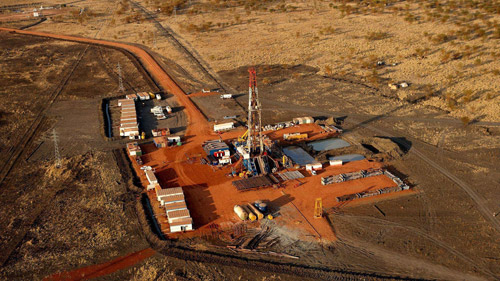
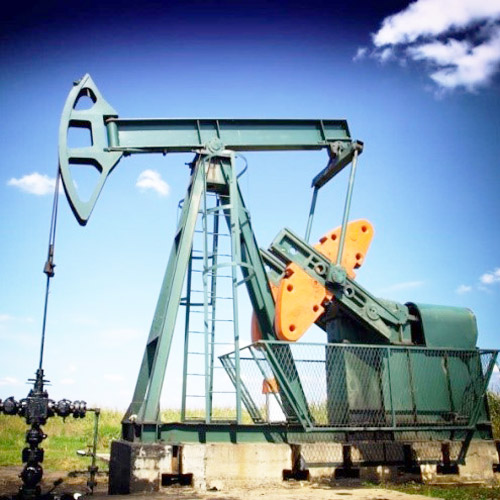
Partially Hydrolyzed Polyacrylamide plays a critical role in petroleum engineering. As a core additive in water-based drilling muds, PHPA encapsulates reactive shale cuttings, preventing hydration, swelling, and wellbore collapse. It cools and lubricates drill bits, lowers fluid loss, and carries drill cuttings efficiently to the surface.
In Enhanced Oil Recovery (EOR), high-molecular weight PHPA/HPAM increases injection water viscosity, reducing water mobility and correcting sweep efficiency in heterogeneous reservoirs to maximize oil yield extraction.
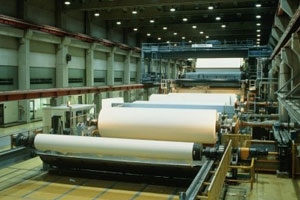
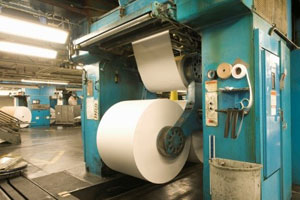
In paper manufacturing, PAM serves as retention aids, drainage aids, and dry/wet strength agents. Hydroxyl and amide group interactions bind cellulose fibers and inorganic fillers (calcium carbonate, titanium dioxide), minimizing raw material loss, improving sheet uniformity, and enhancing paper burst and tensile resistance.
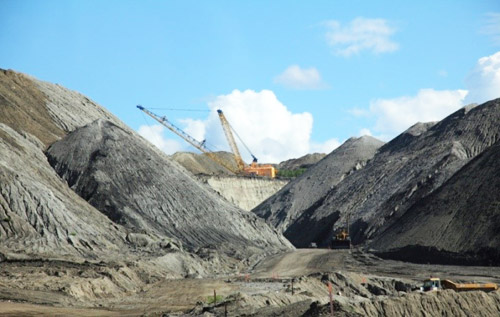
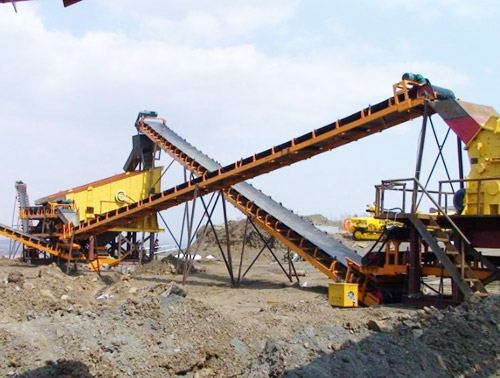
Essential for mineral concentration, thickeners, and tailings management across Coal Washing, Iron Ore, Copper, Gold, Silver, Nickel, and Alumina processing. High molecular weight PHPA speeds up sediment settling velocity and ensures clear overflow water recycling.
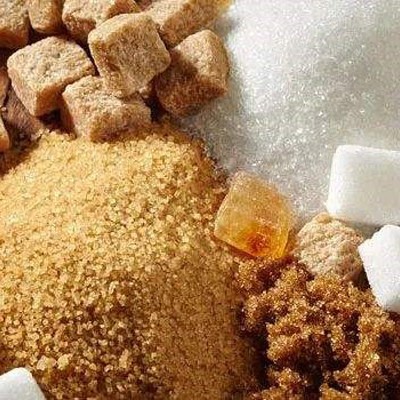
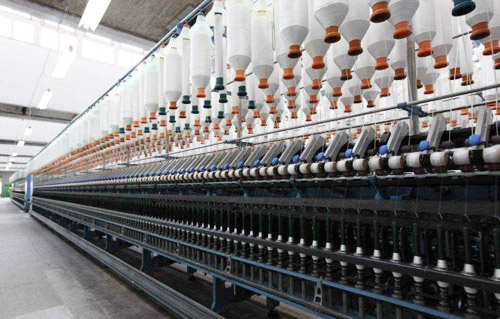
In sugar mills, PAM accelerates juice clarification and syrup flotation, separating bagasse solids efficiently. In textiles, high-viscosity polyacrylamide functions as a warp sizing agent, fabric finishing enhancer, and dye effluent decolorizer.
Pioneering Eco-Friendly Polymer Chemistry and Temperature/Salinity-Resistant Polymers
Transitioning from traditional chemical initiation to bio-enzymatic acrylamide synthesis. Yields higher purity, lower monomer toxicity (<200 ppm residual AM), and pristine linear structural integrity.
Developing hydrophobic modification monomers (AMPS/acrylamide co-polymers) capable of maintaining structural stability in reservoir fluids exceeding 120°C and 200,000 ppm TDS high-salinity brine.
Engineering pH-responsive and shear-reversible polymer microgels designed for targeted in-situ profile control and self-healing gel plugging in deep subterranean formations.
Expert Insights on Polyacrylamide Chemistry, Dissolution Protocols, and Sourcing Guidelines
While both polymers carry anionic charge, Partially Hydrolyzed Polyacrylamide (PHPA) is engineered with a specific hydrolysis degree (typically 20%-30%) and optimized chain linearity. PHPA is specifically tailored for shale encapsulation, friction reduction, and rheology control in high-shear drilling and EOR environments, whereas general APAM is optimized for fast settle flocculation in water clarification.
PHPA molecules absorb onto reactive clay surfaces via carboxyl group hydrogen bonding and ionic attraction. The long polymer chains form a protective macro-membrane across shale surfaces, preventing water molecules from penetrating matrix pores and causing hydration, swelling, and hole sloughing.
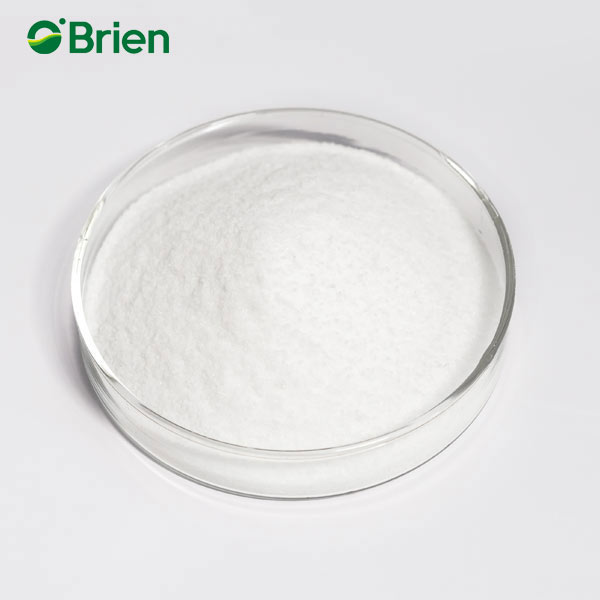
PHPA solid powder should be dissolved in clean water at concentrations between 0.1% and 0.3% (1-3 g/L). Powders must be added gradually via a mechanical educator or dispersed slowly to prevent 'fish-eye' gel agglomerates. Aging time typically requires 45-60 minutes under low-shear mixing (<300 RPM) to achieve full polymer chain uncoiling.
High concentrations of divalent cations (Ca²⁺, Mg²⁺) shrink the hydrodynamic volume of anionic polymer chains by screening negative charge repulsions along carboxylate groups. For high-salinity brines, Oubo provides specialized copolymer formulations incorporating AMPS to maintain high viscosity retention.
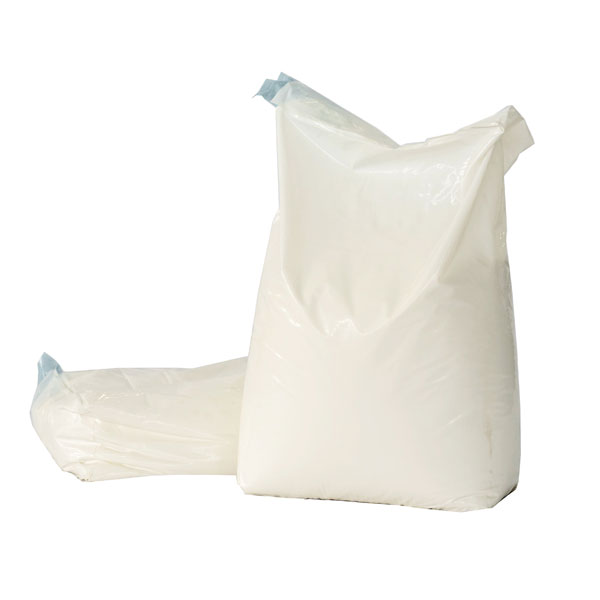
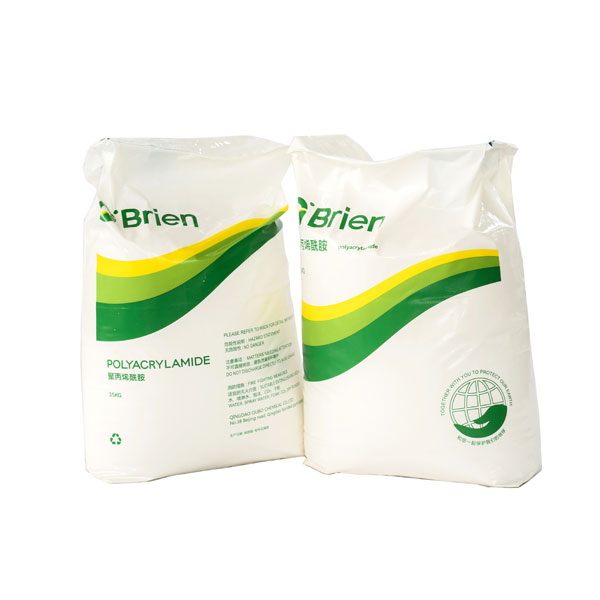
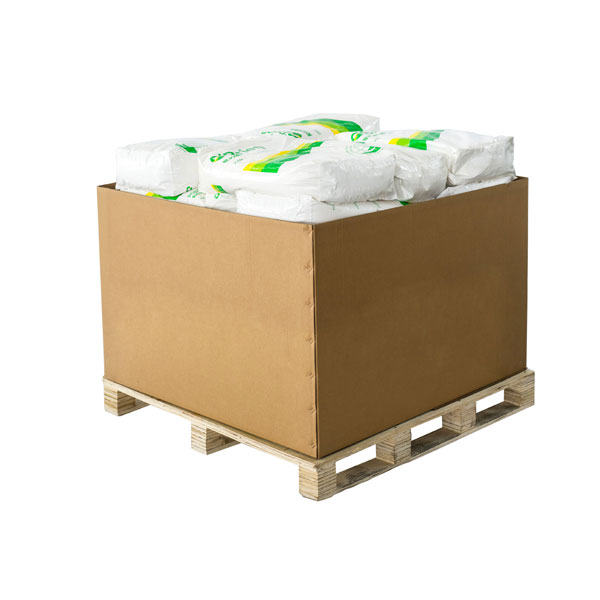
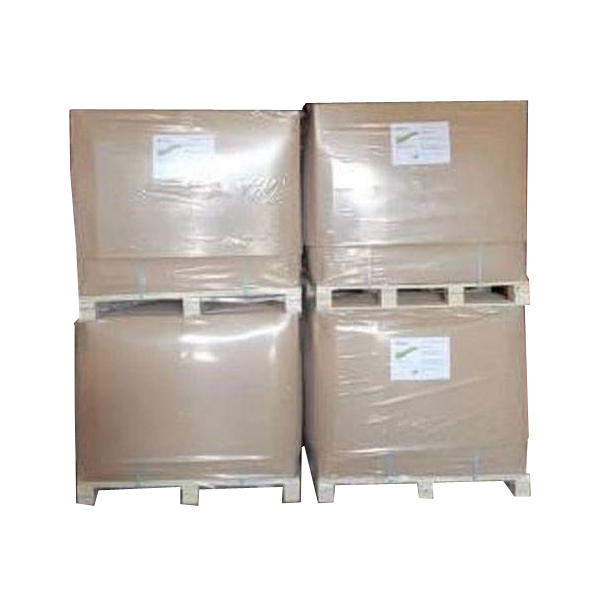
PHPA dry powder is packaged in 25kg moisture-proof kraft paper bags or 750kg/1000kg jumbo bulk bags with inner PE liners. Store in cool, dry, ventilated storage spaces below 35°C. Unopened packages maintain stability for 24 months from manufacture date.
Oubo Chemical offers 50,000 MT annual production capacity, ISO9001 quality management certification, integrated supply chains with raw material giants like SINOPEC, strategic Qingdao FTZ port logistics, and full technical bench testing support for customized polymer selection.
Flexible Export Packaging Engineered for International Transport Safety
Explore Our Specialized Cationic, Anionic, and Nonionic Polymer Solutions
 Oubo Chemical