High-performance Cationic, Anionic, and Nonionic Polyacrylamide formulations manufactured for global paper mills, municipal wastewater infrastructure, and resource extraction.
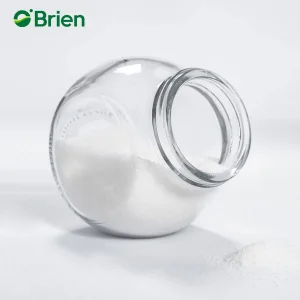
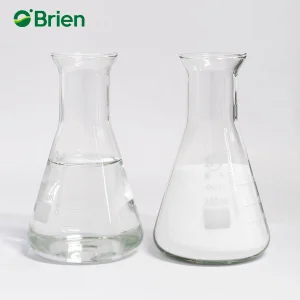
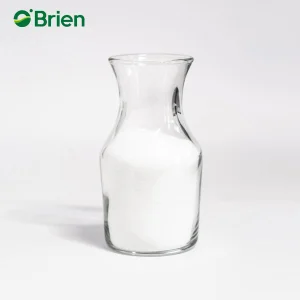
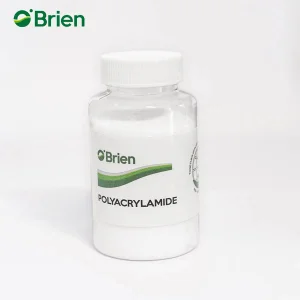
Establishing global benchmarks in biological acrylamide synthesis, high-molecular polymer manufacturing, and wet-end paper chemistry.
Established in 2011 within the Free Trade Zone of Qingdao, China, Oubo Chemical Co., Ltd. has scaled into a global titan in the synthetic polymer industry. Driven by rigorous Quality Control (QC) standards and an unyielding commitment to environmental sustainability, Oubo Chemical yields an annual polyacrylamide throughput breaking through 50,000 metric tons as of 2018. Over the past decade, our steady 10% annual business expansion highlights the international trust placed in our chemical engineering capabilities.
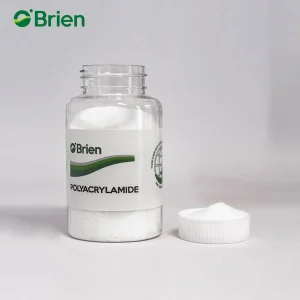
Oubo specializes in the synthesis of Cationic Polyacrylamide (CPAM), Anionic Polyacrylamide (APAM), and Nonionic Polyacrylamide (NPAM). By leveraging patented bio-catalytic polymerization techniques rather than traditional chemical routes, we deliver polymers with exceptionally high molecular weight, uniform ionic charge distribution, and low residual monomer contents. certified under ISO 9001:2008 standards, our facilities feature fully automated production lines that guarantee batch-to-batch consistency for complex industrial operations across paper & pulp manufacturing, wastewater treatment, enhanced oil recovery (EOR), and mineral processing.
Understanding the operational realities of modern paper mills: Recycled fibers, water closure loops, speed escalation, and strict eco-compliance.
Modern paper mills operate under strict zero-liquid-discharge (ZLD) or minimal freshwater consumption mandates. As white water recirculates, inorganic salts, dissolved organic matter, and conductivity skyrocket. Traditional retention aids breakdown under these severe ionic strength conditions. Procurement teams require next-generation polyacrylamide formulations capable of maintaining high flocculation efficiency in high-conductivity environments.
Economic and ecological pressures have forced a global transition from virgin softwood pulp to Old Corrugated Containers (OCC), Deinked Pulp (DIP), and hardwood fibers. Recycled fibers possess lower intrinsic strength, shorter fiber length, and higher fines content. Chemical additives must compensate by increasing fiber-to-fiber hydrogen bonding and bridging without sacrificing paper formation indices.
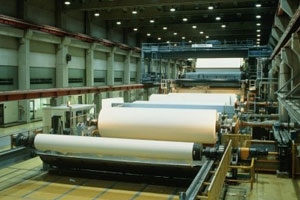
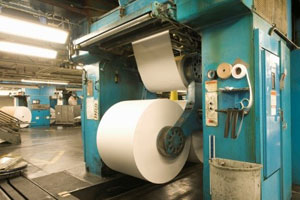
With modern paper machines operating at speeds exceeding 1,500 meters per minute, the hydraulic shear forces experienced at the headbox, stock approach system, and wire section are intense. Polymers must exhibit extraordinary shear stability, forming micro-flocs that reform rapidly after passing through high-shear screens, thereby preventing fiber loss into white water.
A comprehensive examination of retention, drainage, anionic trash neutralization, and dry/wet strength enhancement mechanisms.
Polyacrylamide acts as the primary retention and drainage chemical in modern papermaking. In raw pulp suspensions, fine fibers, mineral fillers (PCC, GCC, Clay), and starch particles carry negative surface charges. Due to their small size, these particles pass through the forming wire, causing low retention rates, dirty white water loops, and heavy sheet two-sidedness.
By introducing Cationic Polyacrylamide (CPAM) with calibrated molecular weight (typically 8 to 15 Million Daltons) and medium charge density (10% to 40%), a dual mechanism of charge neutralization and polymer bridging occurs:
Recycled pulp contains significant quantities of anionic trash—such as hemicellulose, lignosulfonates, pitch, stickies, and residual dispersants. These dissolved anionic species consume expensive cationic wet-end additives (sizing agents, strength resins), rendering them inactive.
Low molecular weight, high charge density CPAM or PolyDADMAC acts as an Anionic Garbage Capture Agent. It neutralizes negative charges on colloidal pitch and stickies, precipitating them onto large fibers where they are safely carried out of the system without causing wire blinding or sheet breaks.
Oubo's specialized PAM Anionic Polyacrylamide Dry & Wet Strength Agents form ionic linkages and covalent bonds with cellulose hydroxyl groups. During sheet consolidation and drying, amide groups ($\text{-CONH}_2$) on the polymer backbone create dense hydrogen bond networks across fiber-to-fiber contact areas. This raises Mullen burst strength, ring crush test (RCT) values, tensile energy absorption (TEA), and surface pick resistance.
| PAM Polymer Grade | Molecular Weight (MW) | Charge Density (%) | Primary Papermaking Application | Operational Benefit |
|---|---|---|---|---|
| CPAM (Cationic) | 8.0 - 15.0 Million | 10% - 40% (Cationic) | Retention & Drainage Aid, Sludge Dewatering | Reduces fine fiber loss, accelerates machine speed, lowers dryer steam load. |
| APAM (Anionic) | 12.0 - 22.0 Million | 5% - 50% (Anionic) | Dry Strength Agent, White Water Clarification | Boosts RCT/Burst index, improves dual-polymer retention system efficiency. |
| NPAM (Nonionic) | 6.0 - 12.0 Million | Near Neutral (<1%) | Fiber Dispersant, Acidic Paper Washing | Ensures uniform sheet formation, prevents fiber clumping in specialty paper. |
Uncompromising raw material sourcing, automated batch control, and global trade compliance.
Oubo Chemical utilizes bio-catalytic enzymatic methods to synthesize Acrylamide (AM) monomers. Unlike conventional chemical methods using copper catalysts, biological synthesis produces zero copper impurities, lower residual monomer content (<0.05%), and hyper-linear polymer chains. This biological route is protected by intellectual property patents and supported by over €200 Million in ongoing technical accumulation.
Raw materials are directly sourced from world-tier chemical conglomerates including SINOPEC and Eni. All manufacturing steps operate on fully automated PLC-controlled continuous polymerization networks. Every individual production batch undergoes triple-stage quality verification by our certified QC laboratory prior to export dispatch.
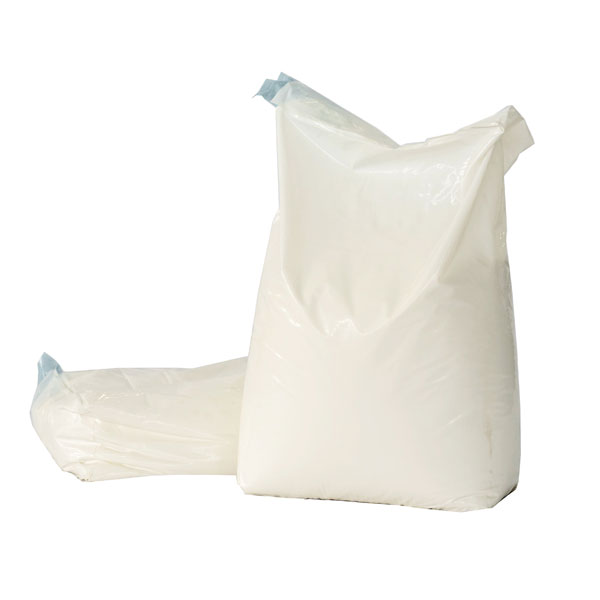
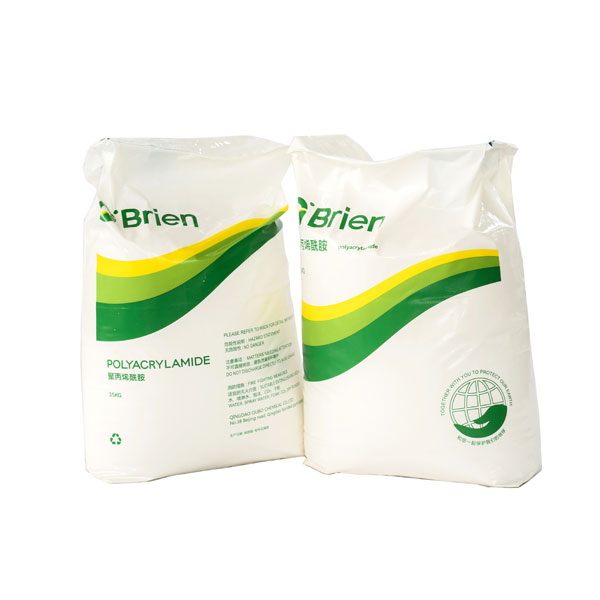
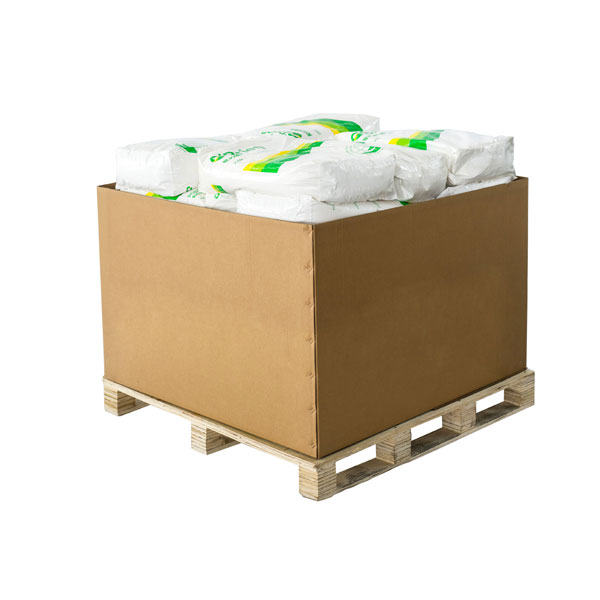
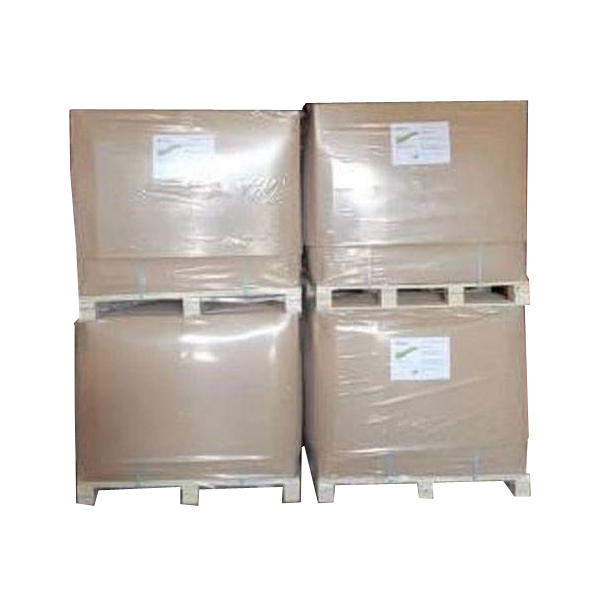
Oubo Chemical provides flexible, moisture-proof, and durable packaging options engineered to preserve chemical stability during cross-continental oceanic transit:
Extending technical polymer expertise from papermaking to global infrastructure, mining, and oil extraction.
Oubo PAM serves as a primary coagulant aid and sludge dewatering agent. In municipal sewage, paper mill effluent, and textile dye discharge, our cationic and anionic polymers accelerate solid-liquid separation via belt filter presses, decanter centrifuges, and screw presses, forming low-moisture filter cakes.
Utilized as fluid loss additives, shale inhibitors, and mobility control agents. High molecular weight APAM increases the viscosity of injected water, improving sweep efficiency in secondary and tertiary oil recovery operations under hostile high-temperature, high-salinity reservoir conditions.
Tailored for rapid clarification of mineral slurry suspensions. Essential for coal washing, tailings dewatering, and solid-liquid filtration across gold, copper, alumina, iron, and nickel beneficiation processes.
Applied as a sizing agent to enhance warp yarn abrasion resistance, as well as a high-efficiency flocculant for decoloring and reducing Chemical Oxygen Demand (COD) in complex textile dyeing wastewater streams.
Food-grade APAM polymers accelerate the clarification and flotation of raw sugarcane juice and sugar beet extracts, removing micro-colloids and color bodies without leaving harmful chemical residues.
Acts as a thickener, water retention agent, and rheology modifier in latex paints, mortar formulations, tunneling slurry fluids, and soil stabilization applications.
Delivering tailored polymer selection, laboratory jar testing, and machine-side optimization.
Choosing the wrong polymer charge density or molecular weight can lead to machine wire blinding, sheet spots, or excessive chemical spend. Oubo’s dedicated technical sales team provides complimentary pulp analysis and jar testing services. By evaluating your paper mill’s specific furnishes, pH levels, conductivity, and shear rates, we formulate tailor-made polymer blends for maximum cost-performance balance.
Proper polymer dissolution, aging, and injection point engineering are critical. Our engineers assist in calibrating automatic dry powder dissolving units, recommending optimum diluting water ratios (typically 0.1% to 0.3%), and selecting high-shear or low-shear injection valves ahead of the headbox or sludge dewatering press.
Direct answers to critical questions regarding polyacrylamide chemistry, wet-end papermaking, and global procurement logistics.
Browse our complete catalog of Cationic, Anionic, and Nonionic Polyacrylamide products engineered for global industrial leadership.
 Oubo Chemical