Next-Gen Polymer Technology

China Paper Making Agent Polyacrylamide Cationic CPAM Manufacturers & Suppliers

Engineering High-Performance Retention, Drainage Aids & Wet-End Chemical Solutions for Global Pulp, Packaging, and Fine Paper Operations

Core Industrial Product Portfolio

Advanced Synthesized Polyacrylamide Formulations Tailored for Papermaking, Water Clarification, and Sludge Dewatering
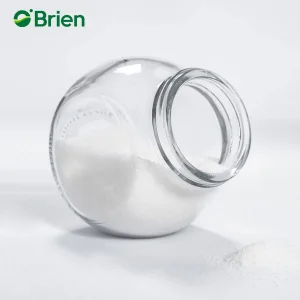
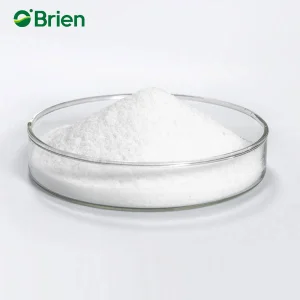
China PAM Anionic Polyacrylamide Dry & Wet Strength Agent
China PAM Anionic Polyacrylamide Dry & Wet Strength Agent for Paper Industry
View Product Details
Cationic Polyacrylamide Flocculant for Textile Wastewater
Cationic Polyacrylamide (CAS 9003-05-8) Flocculant for Textile & Dyeing Wastewater
View Product Details
Wholesale Anionic Polyacrylamide Suppliers
Wholesale Anionic Polyacrylamide Manufacturers & Global Suppliers
View Product Details
Wholesale PAM Anionic Polyacrylamide Suppliers
Wholesale PAM Anionic Polyacrylamide Manufacturer & Technical Suppliers
View Product Details
Wholesale Cationic Polyacrylamide CPAM for Sludge Dewatering
Wholesale Cationic Polyacrylamide (CPAM) for Sludge Dewatering & Industrial Wastewater
View Product Details
Wholesale Anionic Polyacrylamide APAM for Sewage Treatment
Wholesale Anionic Polyacrylamide (APAM) for Municipal Sewage & Dewatering
View Product Details
Wholesale Anionic Polyacrylamide Powder Flocculant Food Processing
Wholesale Anionic Polyacrylamide Powder Flocculant for Food Processing & Sugar Refining
View Product Details
Wholesale Nonionic Polyacrylamide NPAM for Mineral Processing
Wholesale Nonionic Polyacrylamide (NPAM) for Mineral Processing & Ore Dressing
View Product Details
50,000+
Annual Tons Capacity
€200M
Cumulative Technical R&D
ISO9001
Quality Management Certified
10%
Year-over-Year Growth

Industrial White Paper: Cationic Polyacrylamide (CPAM) in Modern Papermaking

A Comprehensive Analysis of Wet-End Chemistry, Charge Neutralization Mechanisms, and Macromolecular Retention Optimization

1. Global Commercial & Industrial Status of CPAM

Polyacrylamide (PAM) is a high-molecular-weight synthetic polymer prepared by polymerizing acrylamide monomers. Across global paper manufacturing ecosystems, Cationic Polyacrylamide (CPAM) has emerged as an irreplaceable wet-end additive. Modern high-speed paper machines running upwards of 1,500 m/min demand exceptional drainage speed, fiber flocculation control, and microparticle retention.

The global transition toward high-yield mechanical pulps, recycled paper fibers (OCC), and closed-loop process water systems has dramatically elevated the concentration of anionic trash and colloidal pitch in paper furnish. CPAM acts as a dual-function agent: charge-neutralizing these dissolved anionic impurities while forming ionic bridges between cellulose fibers and mineral fillers (CaCO3, Clay, TiO2).

2. Macromolecular Synthesis & Charge Density Control

CPAM is produced via the copolymerization of acrylamide (AM) with cationic monomers such as DAC (Acryloyloxyethyltrimethyl ammonium chloride) or DMC (Methacryloyloxyethyltrimethyl ammonium chloride). Chemical performance hinges on two vital parameters: Molecular Weight (MW) (ranging from 5 Million to over 15 Million Daltons) and Cationic Charge Density (CD) (varying from 5% to 80% mole ratio).

By precisely matching the polymer's charge density with the Zeta Potential of the paper machine stock, mill operations achieve maximum single-pass retention (FPR) while preserving paper sheet formation and structural uniformity.

Technical Specification Matrix: Wet-End CPAM Grades
Polymer Grade Code Ionic Character Molecular Weight (MW) Charge Density (Mole %) Primary Papermaking Function
OUBO-CPAM 8010 Low Cationic 12.0 - 15.0 Million 10% - 15% Retention Aid & Dual-Polymer System Component
OUBO-CPAM 8030 Medium Cationic 10.0 - 12.0 Million 30% - 35% Drainage Aid & Fine Fiber Fixing Agent
OUBO-CPAM 8060 High Cationic 8.0 - 10.0 Million 50% - 60% Anionic Garbage Scavenger & Pitch Control
OUBO-APAM 9020 High Anionic 16.0 - 20.0 Million 20% - 30% Dry/Wet Strength Agent Co-Factor & Sludge Dewatering

Technical Insight: Microparticle Retention Systems

When combined with bentonite clay or colloidal silica, CPAM forms a micro-flocculation network. Under high shear forces at the headbox, initial flocs break apart; the addition of microparticles reconstitutes small, dense micro-flocs. This mechanism achieves superior dewatering rates on the wire section without sacrificing sheet smoothness or internal bond strength (Scott Bond).

Application Dynamics & Global Industry Trends

Deploying Targeted Polyacrylamide Chemistry Across Specialized Industrial Sectors

Recycled Linerboard & Packaging

With global reliance on recycled corrugated containers (OCC), papermakers encounter high conductivity and organic loads. CPAM neutralizes anionic trash, stabilizing wet-end chemistry, improving machine speed by up to 12%, and reducing steam consumption in the dryer section.

Tissue & Towel Production

In soft tissue manufacturing, CPAM functions as a selective retention agent, preserving soft fiber fines while maintaining high bulk, absorbency, and tensile energy absorption (TEA) without adding rigidity.

Fine Paper & Specialty De-inked Pulp

For fine printing papers containing high PCC (Precipitated Calcium Carbonate) filler content (up to 30%), tailored CPAM retention aids increase filler retention, lower opacity costs, and reduce chemical loss in white water loops.

Technology Roadmap & Future Outlook (2025–2030)
  • Bio-Based Acrylamide Synthesis: Transitioning from traditional chemical catalysis to patented enzymatic biological synthesis, resulting in zero toxic acrylamide monomer (AMD) residual impurities.
  • Hyper-Branched CPAM Architecture: Engineering 3D structured polymers that deliver superior shear resistance under extreme machine speeds exceeding 1,800 m/min.
  • Closed-Loop Zero Liquid Discharge (ZLD): Custom formulations optimized for mills utilizing 100% recirculated process water, resisting high salt and hardness ions.
  • AI-Driven Dosing Optimization: Integrating real-time Zeta Potential sensors with automated polymer preparation systems to prevent chemical over-dosing.

Why Partner with Qingdao Oubo Chemical Co., Ltd

Decade-Long Excellence in Polymer Engineering, Stringent Quality Assurance, and Global Technical Support

Enterprise Infrastructure & Quality Control

Established in 2011 within the Qingdao Free Trade Zone, China, Qingdao Oubo Chemical Co., Ltd has developed into an international manufacturer of water-soluble polymers. Operating under a certified ISO9001:2008 quality management system, our annual polyacrylamide production capacity surpassed 50,000 Metric Tons in 2018.

Our commitment to technical mastery is backed by substantial research funding—investing up to €200 million cumulatively into biological synthesis pathways and custom product development. Raw materials are sourced directly from top-tier global suppliers such as SINOPEC and Eni, guaranteeing batch-to-batch stability.

Comprehensive Quality Assurance Protocols

  • Biological Polymerization Patents: Advanced enzymatic monomer production eliminating toxic side-chain residues.
  • Triple-Stage QC Testing: Every batch undergoes 3 distinct quality control checks (viscosity, charge density, monomer residual) prior to dispatch.
  • End-to-End Application Support: Dedicated pre-sales laborative testing, mill trials, and post-sales optimization by senior chemical engineers.
  • Global Supply Reliability: Automated continuous manufacturing lines connected directly to Qingdao Port for rapid worldwide shipment.

Cross-Industry Polyacrylamide (PAM) Solutions

Extending Oubo Polymer Innovations Across Global Heavy Industries

Municipal & Industrial Wastewater Treatment

Accelerating solid-liquid separation in settling tanks, clarifiers, and belt press/centrifuge sludge dewatering operations across leather, dyeing, pharmaceutical, and municipal sectors.

Enhanced Oil Recovery (EOR) & Oilfield Services

High-viscosity anionic PAM formulations designed for profile control, plugging agents, shale gas hydraulic fracturing fluid friction reducers, and oil sands tailings dewatering.

Mining & Ore Mineral Processing

Efficient flocculation of fine tailings in coal washing plants, gold, silver, copper, iron ore processing, and alumina red mud clarification for rapid water recovery.

Sugar Refining & Clarification

Food-grade nonionic and anionic flocculants applied in sugar cane juice clarification and syrup flotation, delivering crystal clarity and high sugar yield.

Textile Sizing & Fabric Treatment

Serving as high-performance textile sizing agents and fabric finishing auxiliaries that improve yarn tensile strength, anti-static properties, and weaving efficiency.

Agricultural Soil Conditioners

Enhancing soil moisture retention, preventing soil erosion on sloped farmlands, and improving soil structure for sustainable crop yield development.

Industrial Packaging & Supply Chain Specs

Engineered Moisture Barrier Packaging Standardized for Worldwide Ocean Freight
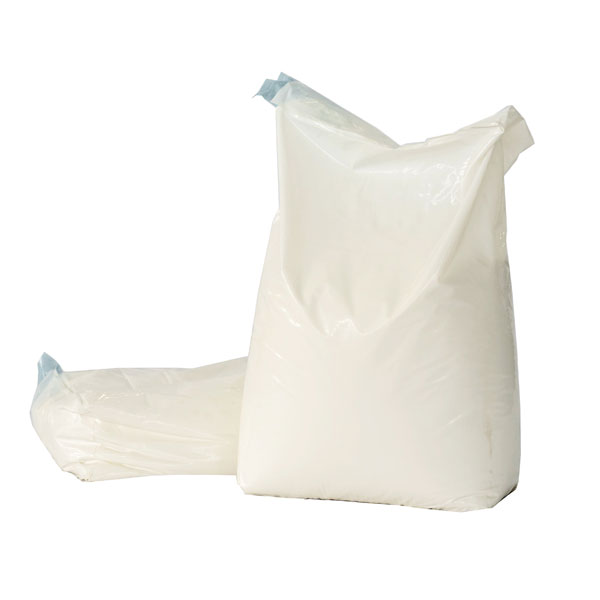
Blank Bag Packaging

Neutral Blank-Bag

25kg multi-wall Kraft paper bag with internal PE moisture barrier for OEM branding.
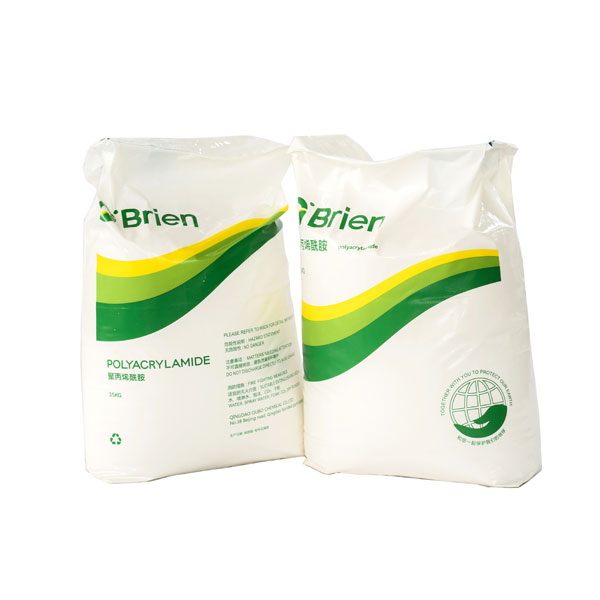
Normal Bag Packaging

Standard Brand Bag

O'brien customized 25kg printed bags featuring lot traceability codes.
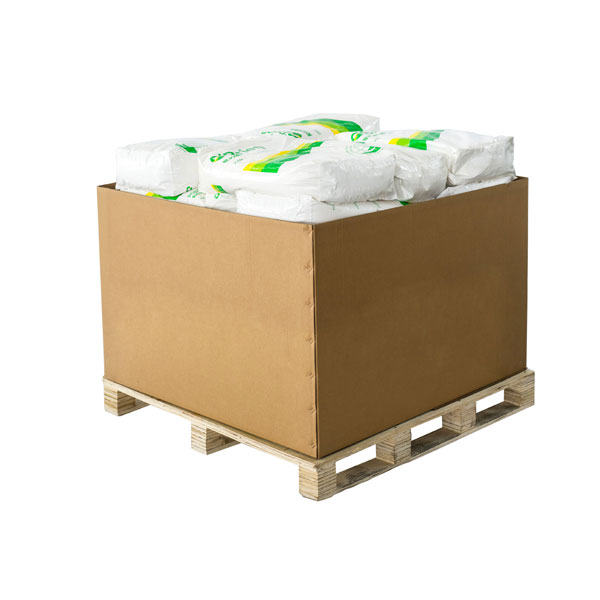
Jumbo Bag Package

Jumbo Bulk Bag

750kg - 1000kg FIBC Ton Bags equipped with bottom discharge spouts for automated dosing.
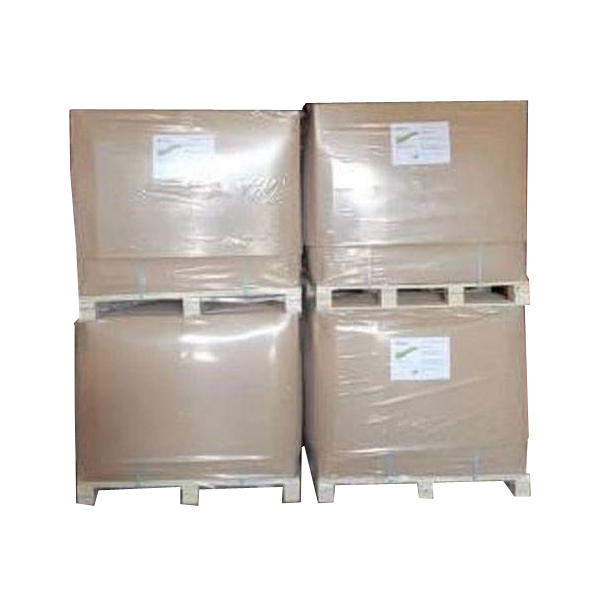
Pallet Packaging

Palletized & Shrink Wrapped

ISPM-15 compliant fumigated pallets wrapped with protective stretch film for seaworthy safety.

Frequently Asked Questions (FAQ)

Expert Answers on Polyacrylamide Selection, Application Chemistry, and Dosing Guidelines

What is the difference between Anionic (APAM) and Cationic (CPAM) Polyacrylamide in papermaking?
Anionic Polyacrylamide (APAM) carries negatively charged carboxylate groups and is predominantly used as a dry strength agent (in conjunction with alum) or for wastewater clarification. Cationic Polyacrylamide (CPAM) carries positive quaternary ammonium charges, making it ideal for directly binding to negatively charged wood pulp fibers and mineral fillers to act as retention and drainage aids.
How do I choose the correct Cationic Degree (Charge Density) for my paper mill?
Selection depends on your furnish type and wet-end system parameters. Virgin kraft pulp requires low to medium cationic degrees (10%-30%), whereas recycled OCC stocks with high anionic trash content require higher cationic charge (40%-60%) or a dual system with a cationic scavenger added prior to the polymer retention aid.
What is the standard dissolution protocol for Polyacrylamide dry powder?
Polyacrylamide powder must be dissolved in clean water at a concentration of 0.1%–0.3% (w/v). Water temperature should be between 20°C and 40°C. Agitation speed should be maintained at 200–400 rpm for 45 to 60 minutes. Excessive shear speed (>800 rpm) can degrade the polymer's molecular chains and reduce performance.
Why is Oubo Chemical's biological synthesis method superior to traditional chemical synthesis?
Oubo utilizes a patented enzymatic biological catalyst to produce monomeric acrylamide. Unlike traditional copper-catalyzed chemical routes, our biological method leaves zero metallic copper residues and drastically reduces unreacted monomer (AMD) contents to under 0.05%, resulting in higher molecular weight polymers with pristine environmental compliance.

Specialized & High-Molecular Product Catalog

Explore Our Complete Range of Nonionic, Anionic, and Cationic Flocculants
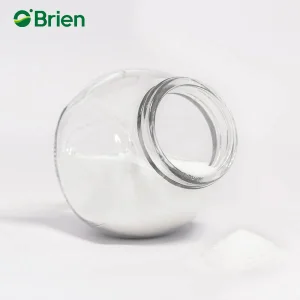
China Nonionic Polyacrylamide Flocculant Acidic Industrial Wastewater
China Nonionic Polyacrylamide Flocculant for Acidic Industrial Wastewater
View Product Details
Wholesale Cationic Polyacrylamide Powder for Wastewater Treatment
Wholesale Cationic Polyacrylamide Powder for Municipal & Industrial Wastewater
View Product Details
China Cationic Polyacrylamide Retention Drainage Aid Paper Making
China Cationic Polyacrylamide Retention & Drainage Aid for Paper Making
View Product Details
Wholesale High Molecular Weight Anionic Polyacrylamide Petrochemical
High Molecular Weight Anionic Polyacrylamide for Petrochemical Wastewater
View Product Details
China Nonionic Polyacrylamide Thickener Oilfield Drilling Fluid
China Nonionic Polyacrylamide (PAM) Thickener for Oilfield Drilling Fluid
View Product Details
Wholesale High Molecular Weight Nonionic Polyacrylamide Coal Washing
High Molecular Weight Nonionic Polyacrylamide for Coal Washing & Tailings
View Product Details
China Cationic polyacrylamide Manufacturer Supplier
China Cationic Polyacrylamide Direct Manufacturer & Technical Supplier
View Product Details
China Nonionic Polyacrylamide Suppliers
China Nonionic Polyacrylamide Industrial Grade Manufacturers & Suppliers
View Product Details