Engineered for paper manufacturing, municipal sewage treatment, industrial dewatering, and mineral extraction.
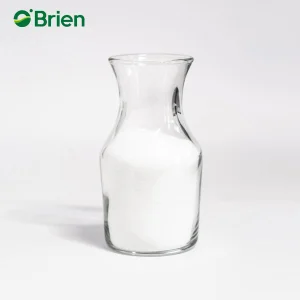
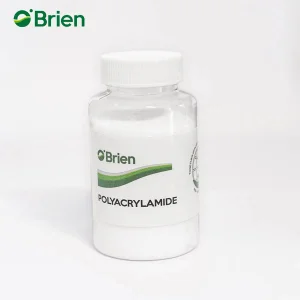
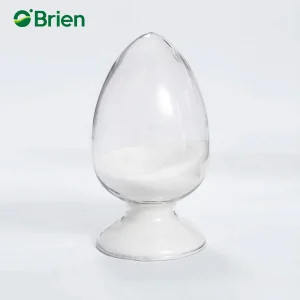
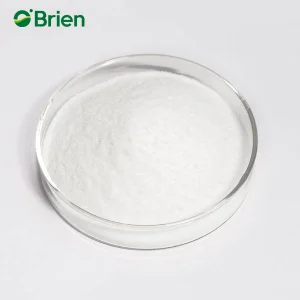
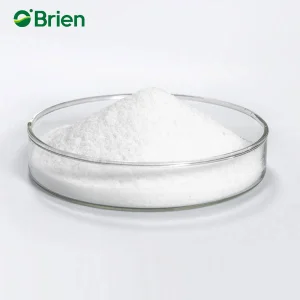
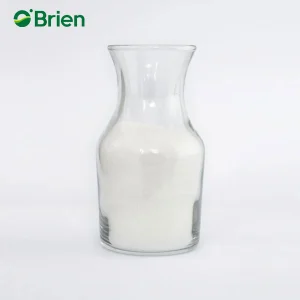
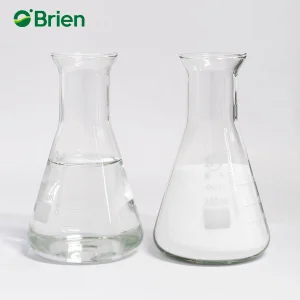
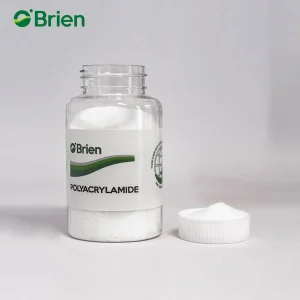
Delivering world-class Polyacrylamide (PAM) solutions through advanced biological synthesis, continuous R&D investment, and rigorous international quality control.
Oubo Chemical Co., Ltd was established in 2011, strategically located within the Free Trade Zone of Qingdao, China. Operating at the forefront of chemical manufacturing, Oubo's quality control (QC) system is strict and comprehensive. Over the past decade, our business growth rate has consistently surpassed 10% per year. Qingdao Oubo Chemical Co., Ltd is deeply committed to quality, unparalleled technical support, and environmental stewardship during both polymer production and end-use application.
Specializing in high-purity Cationic Polyacrylamide (CPAM), Anionic Polyacrylamide (APAM), and Nonionic Polyacrylamide (NPAM), Oubo leverages advanced automated production equipment and a team of seasoned chemical engineers. In 2018, our annual polyacrylamide capacity broke through the 50,000-ton milestone. Certified under ISO9001:2008, we take pride in delivering zero-defect polymer chemistry to global industrial clients.
Unlike traditional chemical synthesis, Oubo utilizes patented biological methods for monomer conversion, yielding higher purity, lower environmental residual acrylamide, and superior molecular weight stability.
To guarantee batch-to-batch consistency, all foundational raw materials are procured from premier global chemical giants, including SINOPEC and Eni, processed through 100% automated continuous lines.
Our dedicated chemical engineering team actively participates across pre-sales evaluation, laboratory Jar testing, on-site trial runs, and post-sale chemical optimization to maximize process efficiency.
Deep-dive into molecular structure, charge mechanics, and industrial functionality.
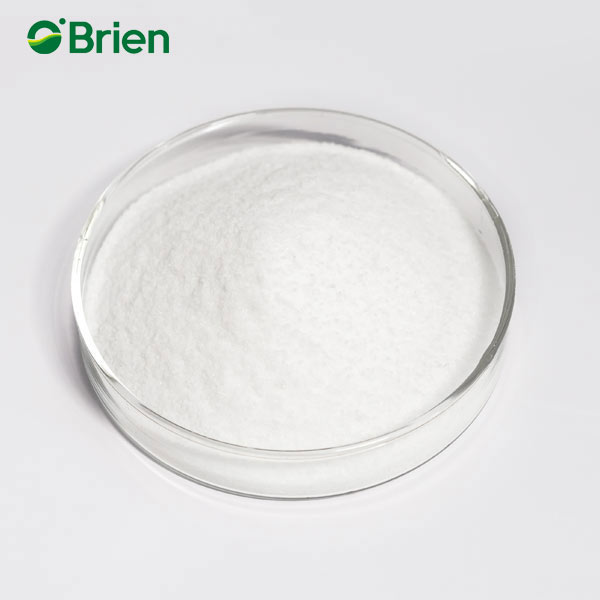
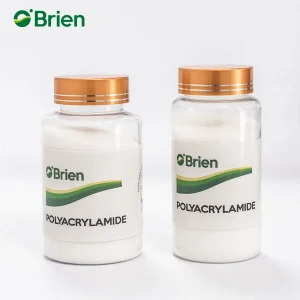
Polyacrylamide (PAM) is a synthetic water-soluble resin produced by the polymerization of acrylamide monomers (CAS 9003-05-8). Available primarily as granular white powder or liquid emulsion, PAM functions as a high-performance flocculant, coagulant, thickener, binder, and rheology modifier across numerous industrial sectors.
The operational efficiency of PAM depends strictly on its molecular weight (ranging from 4 million to over 22 million Daltons) and its ionic charge density (ranging from 0% to 100% cationic, anionic, non-ionic, or Mannich modification). By introducing specialized charge groups along the polyacrylamide polymer backbone, chemical engineers tailor molecule-particle interactions for rapid bridge-flocculation, charge neutralization, and liquid-solid separation.
| Polymer Ionic Type | Active Charge Group | Molecular Weight Range | Primary Industrial Applications |
|---|---|---|---|
| Cationic (CPAM) | Quaternary Ammonium Salts | 6 - 12 Million Daltons | Paper retention & drainage aid, organic municipal sludge dewatering, textile wastewater treatment. |
| Anionic (APAM) | Carboxylate / Sulfonate Groups | 8 - 22 Million Daltons | Paper dry/wet strength enhancement, industrial wastewater clarification, coal washing, enhanced oil recovery (EOR). |
| Nonionic (NPAM) | Non-charged Amide Groups | 5 - 15 Million Daltons | Acidic industrial effluent flocculation, mineral slurry thickener, soil stabilization, oilfield drilling fluid modifier. |
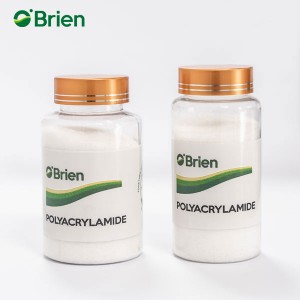
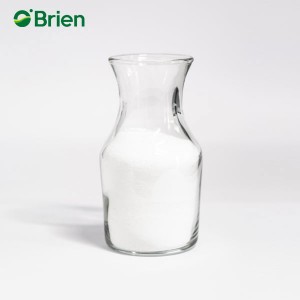
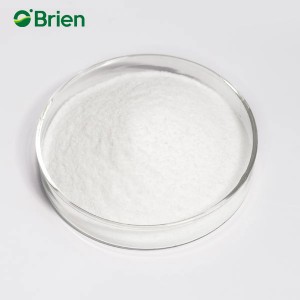
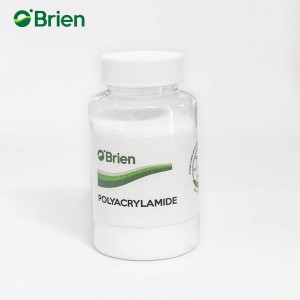
Optimizing wet-end chemistry, fiber retention, sheet formation, and closed-loop water treatment.
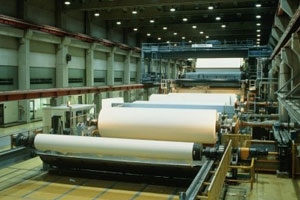
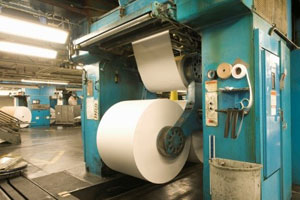
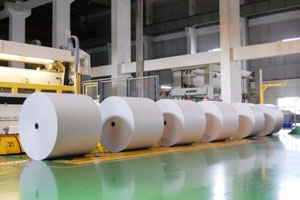
In modern paper manufacturing, efficiency relies heavily on fine-tuning wet-end chemistry. As paper machines operate at speeds exceeding 1,200 meters per minute, chemical additives must perform rapidly under intense hydrodynamic shear forces. Oubo Chemical's specialized polyacrylamide line delivers targeted wet-end solutions designed to increase yield, lower energy consumption, and ensure strict compliance with environmental regulations.
Oubo Cationic Polyacrylamide (CPAM) significantly improves the retention rate of fine fibers, PCC/GCC mineral fillers, and sizing agents. By promoting rapid water drainage on the wire section, paper mills achieve higher machine speed, reduce steam consumption in the dryer section, and lower overall raw material loss.
Recycled pulp (OCC) contains high concentrations of dissolved organic impurities, wood extractives, and anionic trash. Our high-charge cationic additives neutralize surface charges on micro-particles, stabilizing wet-end chemistry and preventing chemical pitch deposition on paper machine fabrics.
Oubo Anionic and Amphoteric PAM products crosslink with cellulose fibers to form robust hydrogen bonds. This enhances key mechanical strength properties, including bursting strength, ring crush resistance (RCT), tensile strength, and internal bond strength, enabling paper mills to utilize lower-grade recycled fibers without compromising product quality.
In low-grammage specialty paper and tissue production, Oubo high-molecular-weight dispersant agents promote uniform fiber distribution across the sheet matrix, preventing fiber clumping and enhancing paper softness, formation index, and tactile smoothness.
Navigating environmental mandates, carbon neutrality targets, and smart manufacturing integration.
The global pulp and paper industry is undergoing a structural transition toward decarbonization, closed-loop water circulation, and sustainable packaging materials. Chemical suppliers must innovate beyond simple flocculants to deliver comprehensive chemical management systems.
Ensuring uninterrupted supply, automated precision manufacturing, and strategic port logistics.
Our Qingdao production base utilizes computerized Distributed Control Systems (DCS) for precise control over reaction temperature, monomer ratio, and polymerization timing, ensuring uniform batch performance.
Every production batch undergoes three rounds of rigorous lab testing: online raw material validation, polymer gel viscosity verification, and final powder mesh size and dissolution testing prior to packaging.
Situated within the Qingdao Free Trade Zone, Oubo enjoys direct access to Qingdao Port—one of the largest deep-water ports worldwide—enabling short shipping lead times and low freight costs to global destinations.
Deploying specialized PAM polymers across municipal, oilfield, mining, sugar, and textile sectors.
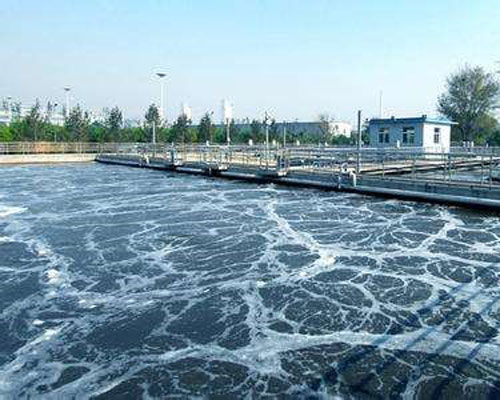
Accelerating industrial solid-liquid separation, municipal wastewater clarification, and belt/screw press sludge dewatering. Highly effective across leather, municipal, and pharmaceutical effluent processing.
Functions as a drag reducer in fracturing fluids, shale stabilizer, fluid-loss control additive, and mobility control polymer in Enhanced Oil Recovery (EOR).
Widely utilized in coal washing, tailings dewatering, and solid-liquid separation during filtration/centrifugation for gold, silver, iron, copper, and nickel extraction.
Promotes juice clarification and flotation in sugar mills. Acts as an efficient warp sizing agent, fabric treatment chemical, and color-removal flocculant in textile dyeing effluent.

Streamlined chemical sourcing, quality compliance, and international logistical support.
Sourcing specialized industrial chemicals internationally requires compliance security, strict technical qualification, and packaging integrity. Oubo Chemical provides comprehensive support to global procurement teams:
We provide complimentary lab testing of customer slurry and pulp samples. Our chemical engineers select the precise polymer charge and molecular weight to optimize dosage efficiency.
All Oubo PAM products comply with ISO 9001 quality management guidelines, REACH regulations, and international environmental safety standards for municipal and paper mill discharge.
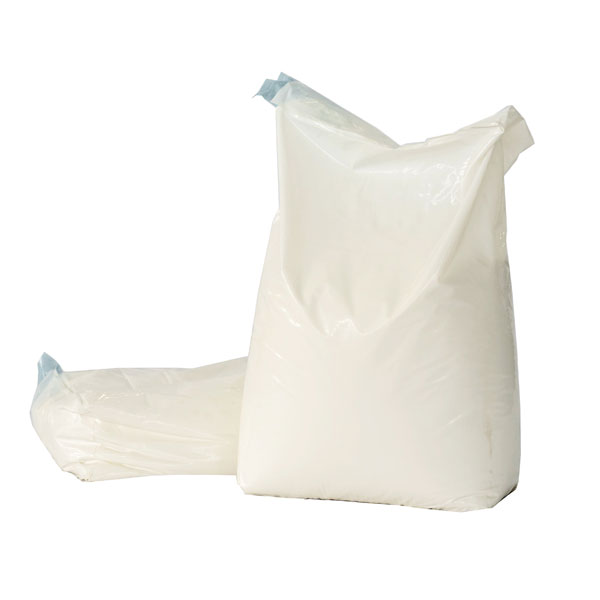
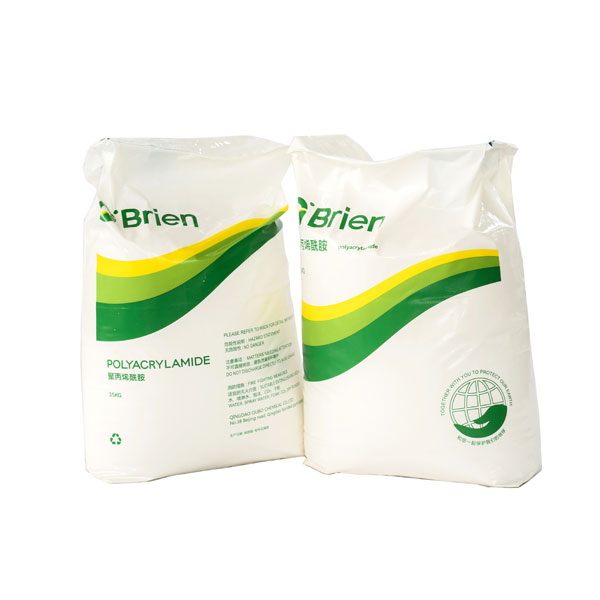
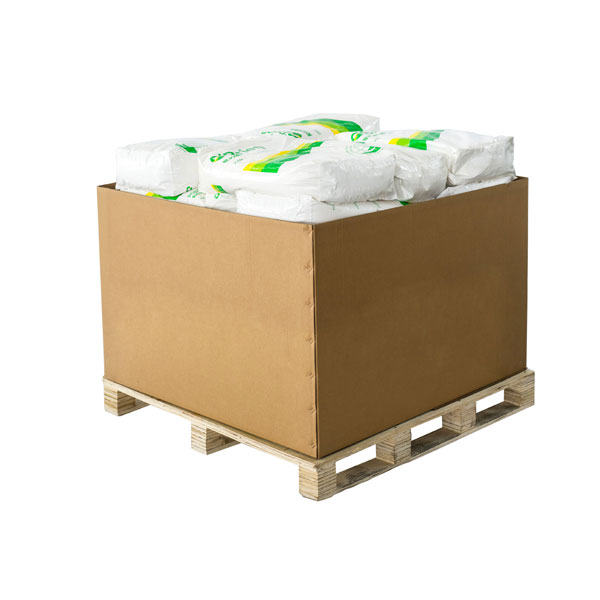
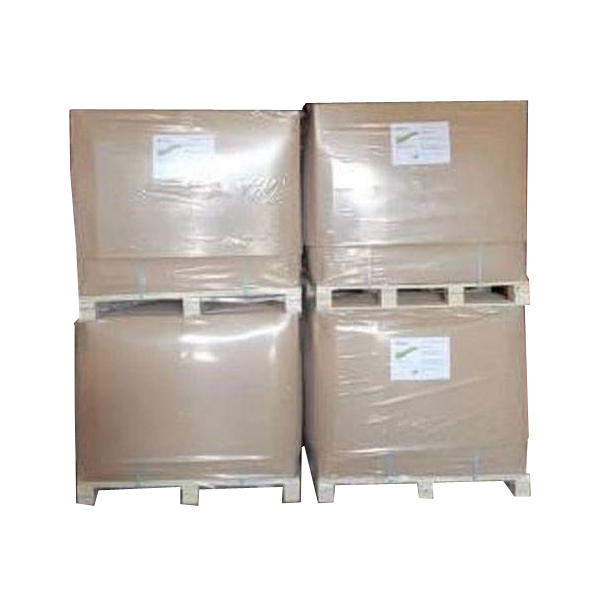
From 25kg multi-wall paper bags with inner PE liners to 750kg palletized jumbo bulk bags, we offer fully customized labeling, OEM packaging, and anti-moisture barrier solutions.
Technical guidance for paper manufacturers, water treatment engineers, and industrial buyers.
Selection depends on pulp furnish charge, machine speed, and filler content. Cationic PAM with 10%–30% charge density and high molecular weight (8–12 million) is typically ideal for virgin wood pulp and recycled OCC pulp. Our laboratory provides custom Jar testing to optimize charge balance.
Biological enzymatic synthesis eliminates heavy metal copper catalysts, producing polyacrylamide polymers with zero copper residue, lower unreacted monomer content (<0.05%), higher linearity, and ultra-high molecular weight consistency for delicate papermaking and water purification.
Anionic Polyacrylamide (APAM) introduces functional carboxyl and amide groups that create extensive hydrogen bonding between cellulose fibers. This increases fiber-to-fiber bonding strength, elevating burst index, ring crush test (RCT), and tensile strength.
Dry PAM powder has a shelf life of 24 months when stored in original unopened packaging in a cool, dry, and ventilated environment below 35°C. Aqueous solutions should be prepared fresh and consumed within 24 to 48 hours for optimal activity.
Yes. For acidic industrial effluents or low pH papermaking systems, our Nonionic Polyacrylamide (NPAM) and specialized low-charge APAM formulations maintain structural stability without hydrolyzing or losing flocculating power.
We support FOB, CFR, CIF, and DDP terms. Ocean freight shipping from Qingdao Port reaches major Southeast Asian ports in 5–7 days, European ports in 22–28 days, and North American coastal ports in 14–20 days.
Direct supply options from Qingdao Oubo Chemical Co., Ltd.
 Oubo Chemical