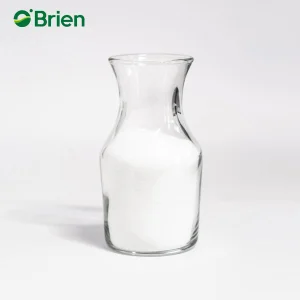
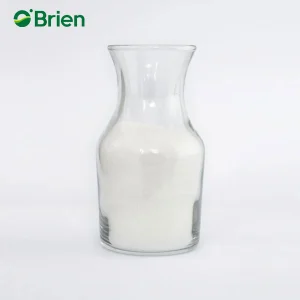
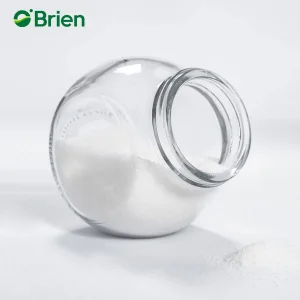
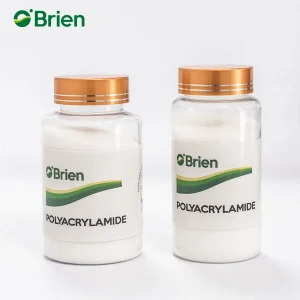
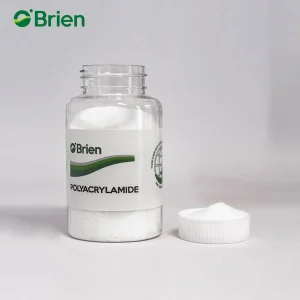
China PAM Polyacrylamide Manufacturer & Factories

Global Authority in High-Molecular Synthetic Polymers, Advanced Water Treatment Chemistry & Industrial Flocculation Technologies

Featured Chemical Portfolio

Industrial-Grade Polyacrylamide Solutions

Explore our high-performance cationic, anionic, and nonionic PAM formulations optimized for solid-liquid separation, EOR, and industrial processes.
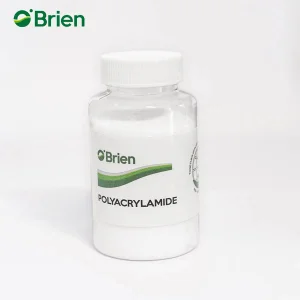
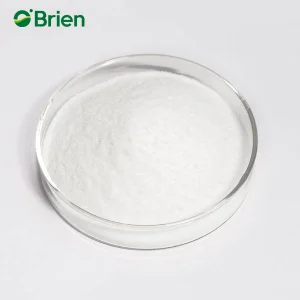
China Cationic Polyacrylamide Paper Making Supplier
China Cationic Polyacrylamide Retention & Drainage Aid for Paper Making Industry Supplier, Factories
View Product Technical Specs
China Nonionic Polyacrylamide Manufacturers
China Nonionic Polyacrylamide Manufacturers, Supplier
View Product Technical Specs
High Molecular Weight Nonionic Polyacrylamide Coal Washing
Wholesale High Molecular Weight Nonionic Polyacrylamide for Coal Washing & Tailings Dewatering Manufacturers, Suppliers
View Product Technical Specs
China Cationic polyacrylamide Manufacturer
China Cationic polyacrylamide Manufacturer, Supplier
View Product Technical Specs
Wholesale Anionic Polyacrylamide APAM Sewage Treatment
Wholesale Anionic Polyacrylamide (APAM) for Municipal Sewage Treatment & Sludge Dewatering Manufacturers, Suppliers
View Product Technical Specs
China Nonionic Polyacrylamide Thickener Oilfield
China Nonionic Polyacrylamide (PAM) Thickener for Oilfield Drilling Fluid Manufacturers, Suppliers
View Product Technical Specs
Wholesale PAM Anionic Polyacrylamide
Wholesale PAM Anionic Polyacrylamide Manufacturer, Suppliers
View Product Technical Specs
Wholesale Anionic Polyacrylamide Suppliers
Wholesale Anionic Polyacrylamide Manufacturers, Supplier
View Product Technical Specs
Executive Industry Whitepaper

Global Commercial Status & China's Manufacturing Dominance in Polyacrylamide

Polyacrylamide (CAS 9003-05-8), a water-soluble synthetic resin polymer composed of acrylamide subunits, represents the cornerstone of modern industrial solid-liquid separation, water treatment chemistry, and tertiary oil recovery. As global environmental mandates tighten and resource extraction requires increasingly sophisticated chemical additives, China has established itself as the world's primary engine for PAM manufacturing, technological innovation, and supply chain scalability.

Upstream Feedstock Integration

China's competitive advantage in PAM manufacturing stems from its integrated petrochemical value chain. By utilizing direct bio-catalytic enzymatic synthesis of Acrylamide (AM) monomer from Acrylonitrile (AN), Chinese manufacturers eliminate toxic copper-catalyst byproducts while achieving ultra-high monomer purity (>99.9%), ensuring ultra-high molecular weight polymer chains exceeding 25 Million Daltons.

Advanced Automation & Scale

Leading facilities, such as Qingdao Oubo Chemical Co., Ltd. located in the Qingdao Free Trade Zone, operate automated continuous polymerization lines equipped with DCS (Distributed Control Systems). This allows precise control over charge density, polymer hydrolysis, and particle size distribution, resulting in annual regional production capabilities breaking 50,000 metric tons.

Global ESG & Compliance

Modern Chinese PAM manufacturing has undergone a profound green transformation. Adhering strictly to ISO 9001:2008 and ISO 14001 benchmarks, manufacturers prioritize low residual monomer content (<0.05% acrylamide monomer), reduced carbon footprint during polymerization, and zero-liquid-discharge (ZLD) effluent treatment systems.

Polyacrylamide (PAM) Molecular Variant Matrix

Understanding the precise chemical classification and ionic spectrum of PAM is crucial for selecting the optimal flocculant or rheology modifier for specific industrial liquid dynamics.

PAM Ionic Class Functional Monomers Molecular Weight Range Charge Density (%) Primary Industrial Applications
Anionic (APAM) Acrylamide + Sodium Acrylate (NaAA) 6 Million – 25 Million 5% – 80% (Hydrolysis) Municipal wastewater, mineral processing, tailings dewatering, EOR oilfield flooding, sugar clarification.
Cationic (CPAM) Acrylamide + DAC / DMC / MAPTAC 3 Million – 15 Million 5% – 80% (Cationicity) Sludge dewatering (belt filter press, centrifuge), paper retention & drainage, textile dyeing effluent.
Nonionic (NPAM) Pure Acrylamide Homopolymer 5 Million – 12 Million < 2% (Neutral) Acidic wastewater clarification, mineral leaching, soil conservation, paper dispersant agent.
Amphoteric (AmPAM) Acrylamide + Anionic + Cationic Monomers 4 Million – 10 Million Dual Ionic Balance Complex sludge conditioning, high-salinity industrial wastewater, refractory organic effluent treatment.
Enterprise Capacity & Technology Metrics

Driving Chemical Innovation Through R&D Excellence

Qingdao Oubo Chemical Co., Ltd. combines state-of-the-art biological polymerization patents with stringent global supply chain management.

50,000+
Annual Tons Capacity
€200M
Cumulative R&D Investment
3-Stage
Batch QC Testing Protocol
10%+
Consistent Annual Growth
Macro Sector Solutions

Localized Application Scenarios & Micro-Mechanisms

Polyacrylamide functions via charge neutralization, polymer bridging, and hydrogen bonding. Below is an in-depth breakdown of how custom PAM polymers optimize global industrial operations.

Water Treatment & Municipal Sewage

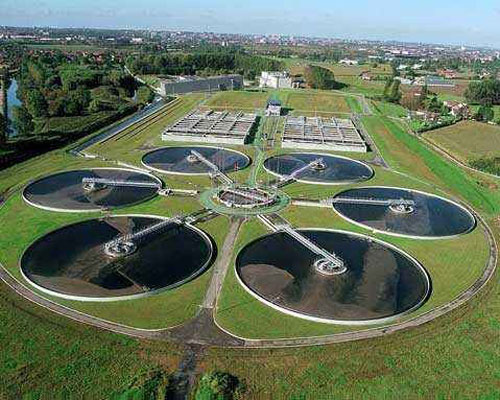
In solid-liquid separation, APAM and CPAM accelerate sediment settling rates by forming dense, rapidly precipitating flocs. In sludge dewatering processes (utilizing decanter centrifuges or belt filter presses), Cationic PAM neutralizes negative surface charges on organic sludge micro-particles, enabling massive water liberation, reducing cake moisture, and optimizing disposal costs.
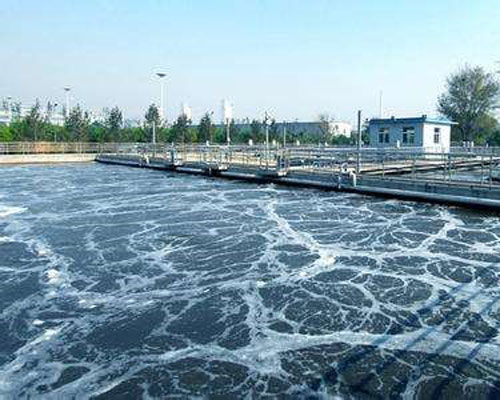
Municipal Wastewater Treatment
Sludge Dewatering Process

Pulp & Paper Manufacturing

Polyacrylamide serves four core functions in paper chemistry: acting as a Retention Aid to preserve fine fibers and titanium dioxide fillers; an Anionic Trash Catcher to balance wet-end chemistry; a Paper Strength Agent enhancing inter-fiber hydrogen bonds; and a Dispersant ensuring sheet uniformity.
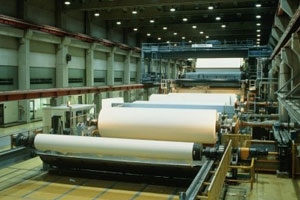
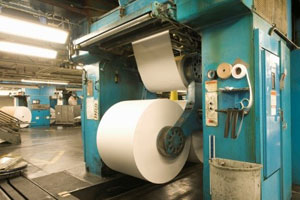
Paper Pulp Processing
Paper Manufacturing Line

Oilfield & Enhanced Oil Recovery (EOR)

High-molecular-weight APAM acts as a mobility control thickener during polymer flooding in secondary and tertiary oil recovery. In oilfield drilling, customized PAM acts as a friction reducer, shale inhibitor, dynamic fluid-loss control agent, and drill bit lubricant under extreme temperature and shear conditions.

Oilfield Drilling Extraction
EOR Chemical Flooding

Mining & Ore Beneficiation

Essential for coal washing, mineral flotation (gold, silver, copper, iron, alumina), tailings thickener operations, and solid-liquid separation. PAM polymers achieve rapid liquid clarification, enabling closed-loop water recycle systems that reduce environmental impacts.

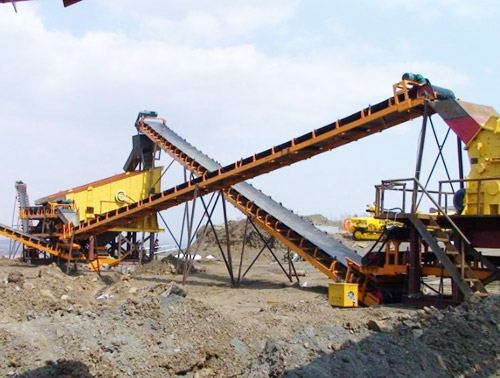
Coal Washing Operation
Mineral Tailings Dewatering

Sugar & Food Processing

Food-grade anionic polyacrylamide flocculants accelerate juice clarification, flotation, and mud filtration during sugarcane and sugar beet refining, maximizing juice purity, clarity, and sucrose yield.
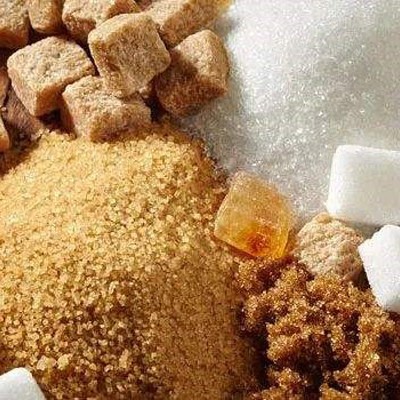
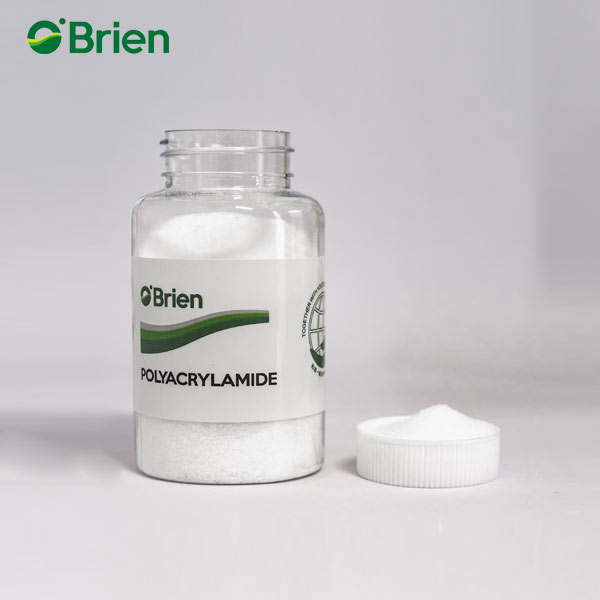
Sugar Juice Clarification
Food Grade PAM Processing

Textile Dyeing & Sizing

Functions as a smooth textile sizing agent, anti-static agent, and fabric finishing compound. In textile mill effluent treatment plants (ETP), specialized cationic PAM breaks stubborn dye emulsions and removes color turbidity efficiently.
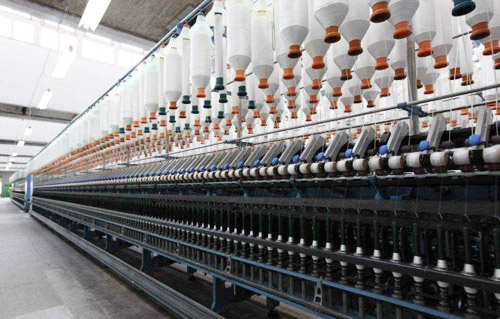
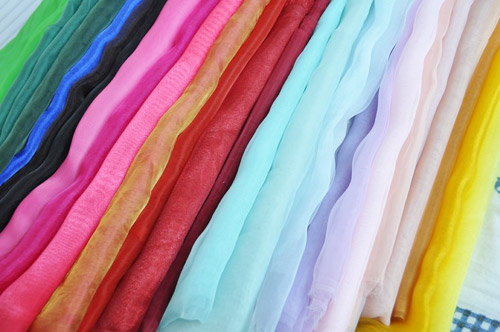
Textile Effluent Treatment
Textile Sizing Polymer
Technology Roadmap

Next-Generation Polymer Innovation Roadmap (2025–2035)

As global industries confront extreme operational conditions and net-zero sustainability goals, China's polyacrylamide R&D pipeline is evolving across three main technological frontiers:

1. High Salinity & Temperature-Resistant Copolymers

Development of 2-Acrylamido-2-methylpropane sulfonic acid (AMPS) grafted PAM terpolymers capable of maintaining viscosity in ultra-high salinity reservoirs (up to 250,000 ppm TDS) and extreme borehole temperatures (>120°C) for deep offshore EOR operations.

2. Bio-Based & Biodegradable PAM Matrix

Pioneering starch-grafted and cellulose-backbone polyacrylamide hybrids designed to achieve controlled environmental biodegradation after fulfilling their flocculation lifecycle, eliminating micro-plastic accumulation in agricultural soil and natural watersheds.

3. Nano-Composite Micro-Emulsions

Transitioning from traditional dry powder to self-inverting liquid micro-emulsions embedded with nano-silica. These formulations deliver instantaneous dissolution (< 5 minutes vs 60 minutes for dry powders), eliminating shear degradation during automated dosing.

Why Choose Oubo Chemical

Uncompromising Quality Assurance & Global Supply Security

Qingdao Oubo Chemical Co., Ltd. operates within the Free Trade Zone of Qingdao, providing seamless international logistics, custom toll manufacturing, and technical support. Our global supply chain integrates premier raw material partnerships (including SINOPEC and Eni), while fully automated production lines guarantee batch-to-batch consistency.

  • Patented Bio-Catalysis: High purity monomers with zero toxic catalysts.
  • Triple Testing Protocol: Each batch tested 3 times by QC before export dispatch.
  • Dedicated Technical Field Support: Pre-sales jar testing, dosage optimization, and after-sales process tuning.
  • ISO 9001:2008 Certified: Full industrial standard compliance and traceability.

Standardized Export Packaging Details

All products feature moisture-proof, UV-stabilized multi-layer barrier packaging to withstand long-distance maritime transit.
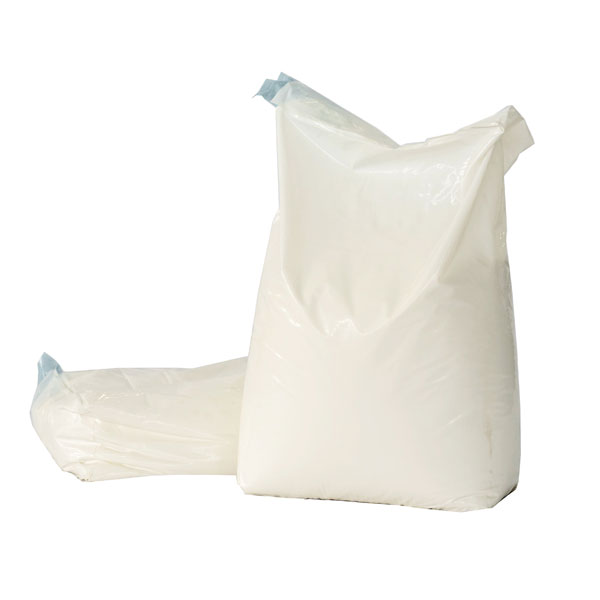
Blank-bag Polyacrylamide Packaging Blank / OEM Bags
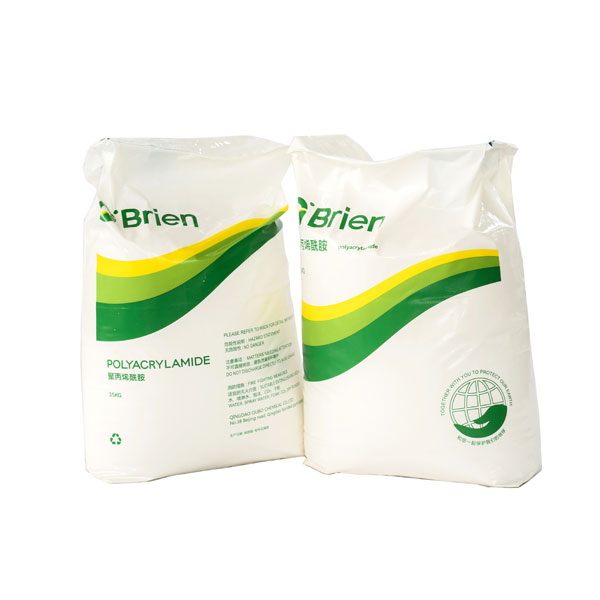
Normal-bag Polyacrylamide Packaging 25kg Kraft Paper Bags
Big Jumbo Bag Packaging 750kg Jumbo Ton Bags
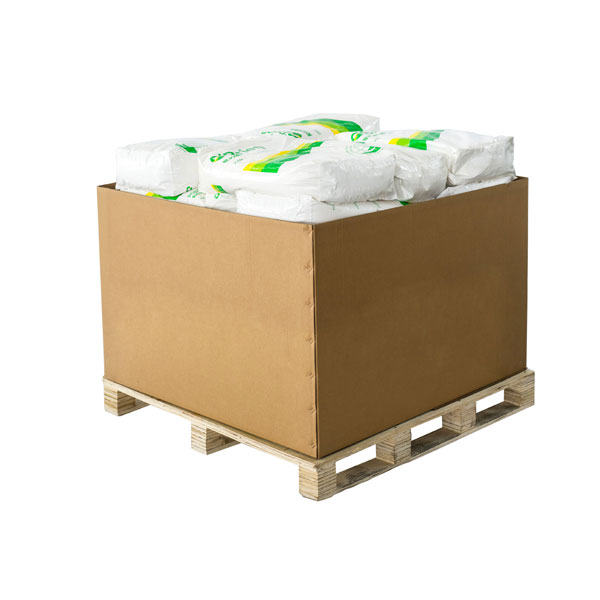
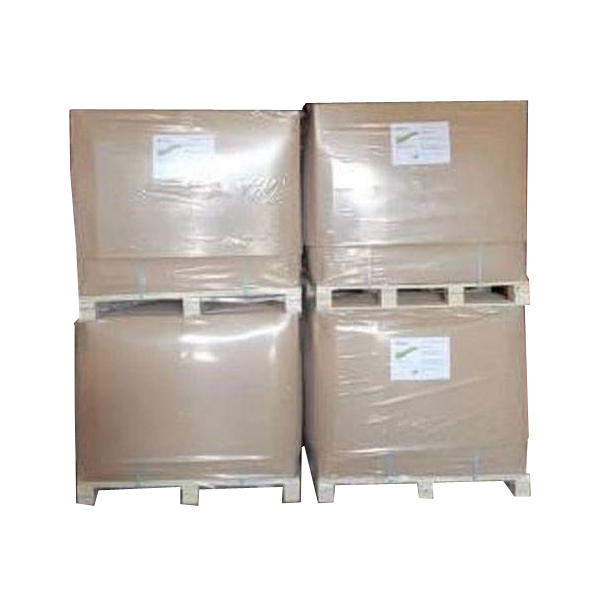
Palletized Polyacrylamide Container Shipping Palletized & Shrink-Wrapped
Technical Help Center

Frequently Asked Questions & Technical Guidance

Expert insights addressing chemical selection, preparation, dosage optimization, and storage protocols for engineering leads.

How do I determine whether to use Anionic (APAM) or Cationic (CPAM) Polyacrylamide?
Selection depends primarily on the electrical charge of the suspended solids in your wastewater stream. As a general rule: inorganic mineral suspensions (such as sand washing, coal tailings, metal processing effluent) carry positive surface charges and respond best to Anionic Polyacrylamide (APAM). Conversely, organic matter and biological sludges (such as municipal sewage sludge, food processing waste) carry negative charges and require Cationic Polyacrylamide (CPAM). Performing standard laboratory jar tests is strongly recommended to determine exact charge density requirements.
What is the standard dissolution time and concentration for PAM dry powders?
Polyacrylamide dry powders should be dissolved in clean water at a concentration between 0.1% and 0.3% (w/v). Complete dissolution typically requires 45 to 60 minutes of continuous mechanical stirring at low speed (200-400 RPM). Avoid high-shear mixers or violent agitations, as excessive mechanical shear breaks polymer chains, significantly degrading flocculation performance. Water temperatures should ideally be maintained between 20°C and 40°C; temperatures above 60°C will induce polymer degradation.
What is the shelf life of solid dry PAM powder vs dissolved liquid solution?
Unopened dry polyacrylamide powder stored in a cool, dry, well-ventilated warehouse maintains stability for up to 2 years (24 months). Once dissolved in liquid aqueous form, the working solution hydrolyzes and degrades over time: Anionic PAM solutions should be consumed within 7 to 10 days, while Cationic PAM solutions are more sensitive and should be used within 24 to 48 hours to prevent significant viscosity loss.
Is Polyacrylamide hazardous or toxic to the environment?
Polyacrylamide polymer itself is non-toxic, non-corrosive, and safe to handle under industrial safety standards. However, health and environmental concerns relate strictly to residual Acrylamide Monomer (AM). Qingdao Oubo Chemical utilizes state-of-the-art biological enzymatic processes to ensure residual monomer levels remain strictly under 0.05% (500 ppm), well within global NSF and environmental safety thresholds.
Why is my PAM solution forming gelatinous lumps ("fish eyes") during preparation?
"Fish eyes" occur when PAM powder is dumped into water too rapidly without proper dispersion, causing the outer surface of polymer clusters to hydrate quickly and form a protective gel layer around dry powder inside. To prevent this, use an automated powder disperser or sprinkle the powder slowly and uniformly into the vortex created by the water stirrer.
Complete Product Catalog

Explore Specialized Application Formulations

Select from our target-engineered cationic, anionic, and nonionic PAM grades designed for specific industrial process environments.
Wholesale Cationic Polyacrylamide Powder Wastewater Treatment
Wholesale Cationic Polyacrylamide Powder for Municipal & Industrial Wastewater Treatment Supplier, Suppliers
View Product Technical Specs
China Nonionic Polyacrylamide Acidic Wastewater
China Nonionic Polyacrylamide Flocculant for Acidic Industrial Wastewater Treatment Manufacturers, Factories
View Product Technical Specs
Wholesale Anionic Polyacrylamide Sugar Refining
Wholesale Anionic Polyacrylamide Powder Flocculant for Food Processing & Sugar Refining Wastewater Manufacturer, Factories
View Product Technical Specs
Wholesale High Molecular Weight Anionic Polyacrylamide Petrochemical
Wholesale High Molecular Weight Anionic Polyacrylamide for Petrochemical & Metallurgical Wastewater Suppliers, Factories
View Product Technical Specs
Cationic Polyacrylamide Flocculant Textile Dyeing
Wholesale Cationic Polyacrylamide (CAS 9003-05-8) Flocculant for Textile & Dyeing Wastewater Manufacturer, Supplier
View Product Technical Specs
China PAM Anionic Polyacrylamide Paper Strength Agent
China PAM Anionic Polyacrylamide Dry & Wet Strength Agent for Paper Industry Manufacturers, Factories
View Product Technical Specs
Wholesale Cationic Polyacrylamide CPAM Sludge Dewatering
Wholesale Cationic Polyacrylamide (CPAM) for Sludge Dewatering & Industrial Wastewater Flocculation Supplier, Factories
View Product Technical Specs
Wholesale Nonionic Polyacrylamide Mineral Processing
Wholesale Nonionic Polyacrylamide (NPAM) for Mineral Processing & Metallurgical Ore Dressing Suppliers, Factories
View Product Technical Specs