Industrial-Grade Cationic, Anionic, and Nonionic Flocculants Engineered for Advanced Separation & Clarification
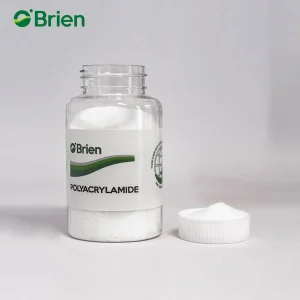
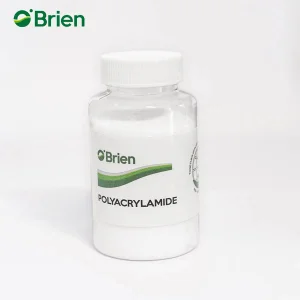
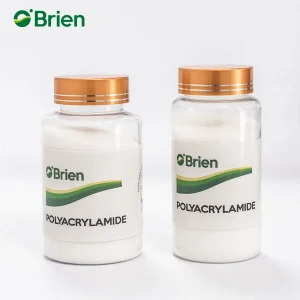
Qingdao Oubo Chemical Co., Ltd — A Global Pioneer in Bio-Enzymatic Polyacrylamide Manufacturing
Oubo Chemical Co., Ltd was established in 2011, strategically located in the Free Trade Zone of Qingdao, China. Operating at the intersection of advanced macromolecular chemistry and green manufacturing, Qingdao Oubo Chemical Co., Ltd has emerged as a worldwide reference manufacturer of water-soluble polymers. The quality control system of O'Brien is strict and comprehensive. Over the past decade, our sustained annual business growth rate of 10% underscores global trust in our technical efficacy, supply security, and environmental stewardship.
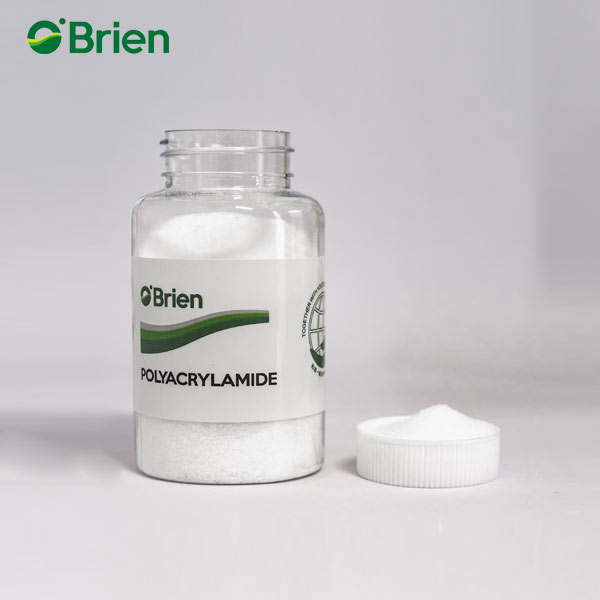
Qingdao Oubo Chemical Co., Ltd is highly committed to quality, service, and pays meticulous attention to minimizing environmental impact during polymer synthesis and field application. We specialize in synthesizing cationic polyacrylamide (CPAM), anionic polyacrylamide (APAM), and nonionic polyacrylamide (NPAM). With state-of-the-art automated synthesis lines, real-time laser light scattering molecular weight analyzers, and bio-catalyzed monomer conversion technologies, we guarantee batch-to-batch consistency across global distribution channels. Having surpassed an annual polyacrylamide production capacity of 50,000 Metric Tons, certified under ISO9001:2008 standards, Oubo Chemical stands proudly behind every product shipment dispatched worldwide.
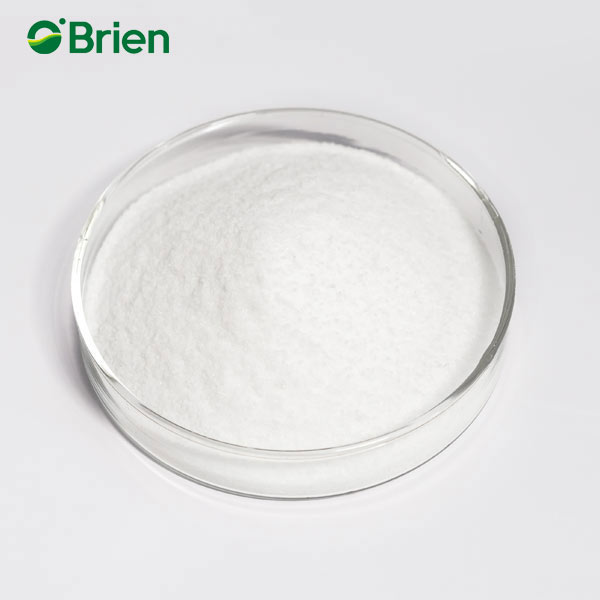
Polyacrylamide (PAM) is a linear synthetic polymer composed of acrylamide monomer subunits (-CH2CHCONH2-). As a water-soluble high polymer, its functional versatility stems directly from its tunable ionic type, molecular weight distribution, and macromolecular conformation in aqueous solution. Among the polymer family, Cationic Polyacrylamide (CPAM) represents a sophisticated chemical agent tailored specifically for neutralizing negatively charged colloidal suspension systems, such as biological sludge, papermaking pulp fines, and organic industrial effluents.
The operational mechanism of CPAM hinges on two core synergistic phenomena:
To optimize polymer consumption ratios and achieve optimal clarity in solid-liquid separation, understanding the physicochemical properties of each polyacrylamide category is vital:
| Polymer Class | Active Monomer Copolymerization | Ionic Charge Range | Molecular Weight (Da) | Primary Industrial Applications |
|---|---|---|---|---|
| Cationic (CPAM) | Acrylamide + DAC / DMC / MAPTAC | 5% - 80% Cationicity | 8 Million – 15 Million | Municipal sludge dewatering, biological effluent treatment, paper retention/drainage, dye house decolorization. |
| Anionic (APAM) | Acrylamide + Acrylic Acid (AA) / Sodium Acrylate | 5% - 60% Anionicity | 10 Million – 25 Million | Mineral dressing, coal washing, alumina clarification, Enhanced Oil Recovery (EOR), steel mill wastewater. |
| Nonionic (NPAM) | Pure Homopolymerization of Acrylamide | Neutral (< 1%) | 6 Million – 12 Million | Acidic industrial wastewater, soil stabilization, oilfield drilling fluid loss control, acidic mineral leaching. |
The global polyacrylamide market is experiencing unprecedented structural expansion, driven by stringent environmental mandates, escalating water scarcity, and booming industrial activities across Asia-Pacific, North America, Europe, and the Middle East. Valued at over USD 6.5 Billion globally, the demand for high-efficiency Cationic Polyacrylamide powder and emulsions is expanding at a compound annual growth rate (CAGR) exceeding 6.2%.
Strict discharge guidelines (such as the EU Urban Wastewater Treatment Directive and China's Environmental Protection Law) mandate ultra-low total suspended solids (TSS) and phosphate concentrations, necessitating high-charge CPAM for mechanical dewatering equipment.
Oilfield operations require salt-tolerant, high-thermal-stability PAM polymers for Enhanced Oil Recovery (EOR) and friction reducers in hydraulic fracturing, accelerating demand for tailored polymer chains.
Mining operations globally are adopting closed-loop water circuit recycling systems. High molecular weight APAM and CPAM reagents allow instant thickener settling and fast tailings filtration, conserving millions of cubic meters of process water.
As a leading China Pam Cationic Polyacrylamide manufacturer, Qingdao Oubo Chemical Co., Ltd invests €200 Million continuously into next-generation polymer R&D. The historical reliance on chemical acrylonitrile hydration (using copper catalysts) has been fully replaced in our advanced lines by third-generation Bio-Enzymatic Conversion Technology.
This green technological transition yields significant benefits:
Oubo Chemical provides specialized polymer solutions engineered precisely for distinct industrial vertical demands. Our technical teams support clients from laboratory jar testing to full-scale plant dosing optimization.
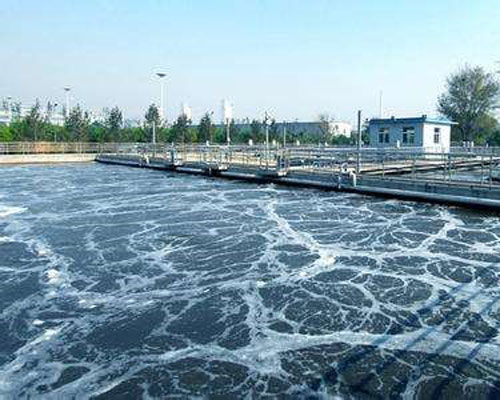
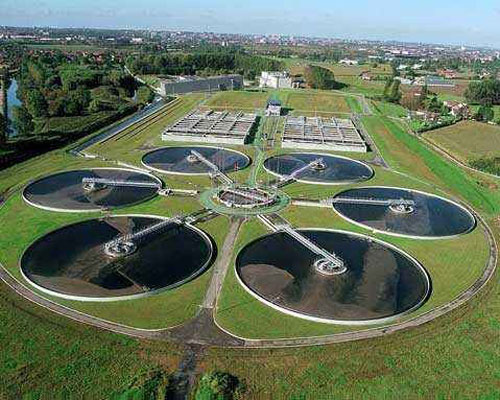
CPAM serves as a vital flocculant in biological wastewater treatment plants. Highly effective for municipal sewage, slaughterhouse waste, tannery effluents, and citric acid fermentation residues, CPAM aggregates sludge flocs, facilitating clear supernatant separation and high cake dry solids yield.
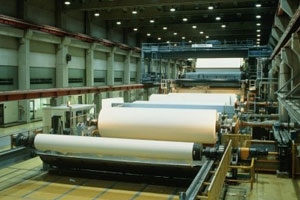
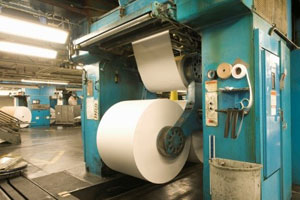
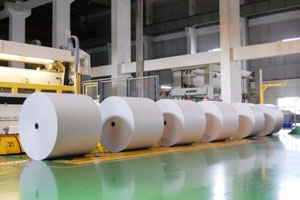
In wet-end papermaking chemistry, CPAM functions as a high-performance Retention and Drainage Aid, Dry/Wet Strength Agent, and Anionic Trash Scavenger. It retains fine fibers, pigments, and titanium dioxide fillers while improving paper formation, tensile strength, and machine speed efficiency.
High-molecular-weight PAM products are extensively utilized across upstream oil extraction: profile control, well plugging, fluid loss reduction in drilling muds, shale inhibition, bit lubrication, and friction reduction in slickwater hydraulic fracturing.


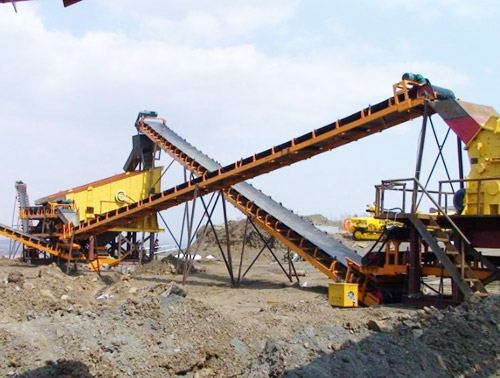
Our complete range of anionic, cationic, and non-ionic polymers accelerates solid-liquid clarification in coal washing, mineral tailing thickening, and metal extraction processes (Gold, Silver, Copper, Iron, Nickel, Alumina).


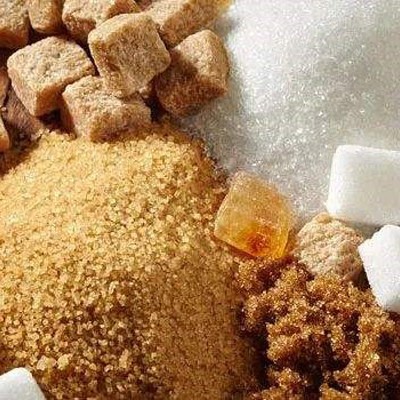
In sugar cane and sugar beet processing, specialized Nonionic and Anionic Polyacrylamide flocculants accelerate juice clarification and mud settling, boosting sucrose extraction purity and overall thermal evaporation efficiency.
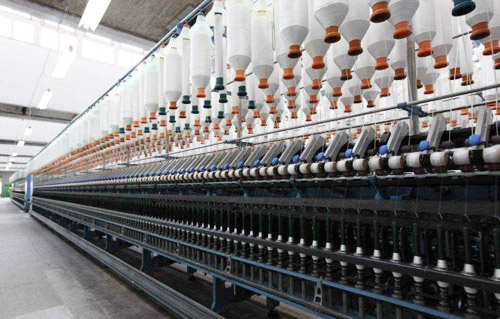
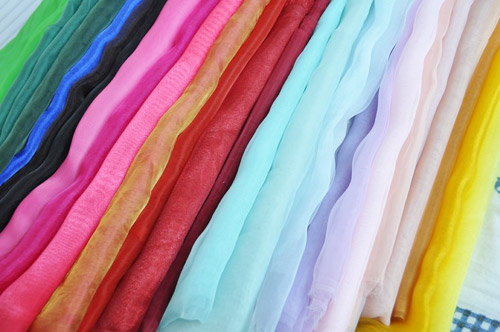
Textile printing and dyeing wastewater contains complex azo dyes, sizing agents, and heavy metals. CPAM effectively neutralizes colloidal dye particles, achieving rapid decolorization, suspended solids reduction, and COD precipitation.

Qingdao OUBO Chemical Co., Ltd is a world-leading manufacturer of Polyacrylamide. Utilizing patented bio-enzymatic polymerization methods, we invest heavily in laboratory innovation to maintain top-tier technical accumulation.
Robust raw material sourcing from tier-one global chemical leaders (such as SINOPEC and Eni). Fully automated, PLC-controlled synthesis lines ensure complete ISO9001 compliance, with every single batch tested 3 times by QC prior to dispatch.
Over a decade of specialized PAM manufacturing offering competitive direct-from-factory pricing. Our technical team works alongside clients pre-sale, during sales, and post-sale to provide precise polymer selection and jar testing support.
Polyacrylamide powder is highly hygroscopic. To maintain optimal activity during oceanic transits, Oubo Chemical employs multi-layer moisture-proof packaging configurations, including heavy-duty PE inner bags paired with woven craft outer bags or jumbo bags.
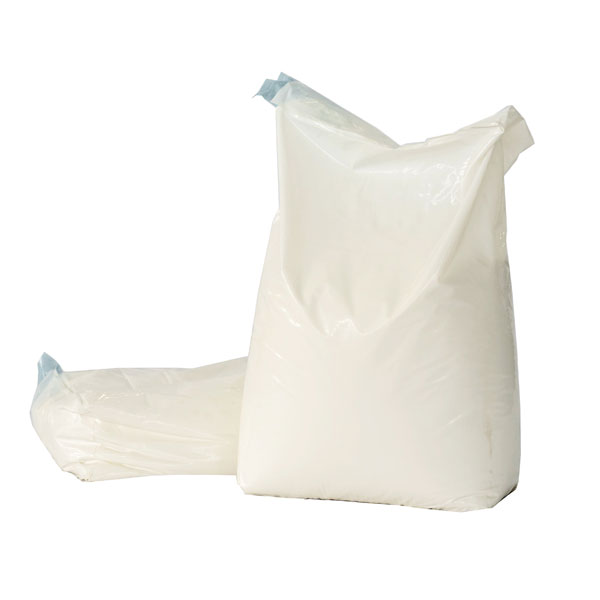
Unbranded neutral 25kg PE/Craft paper bags customized for OEM global distributors.
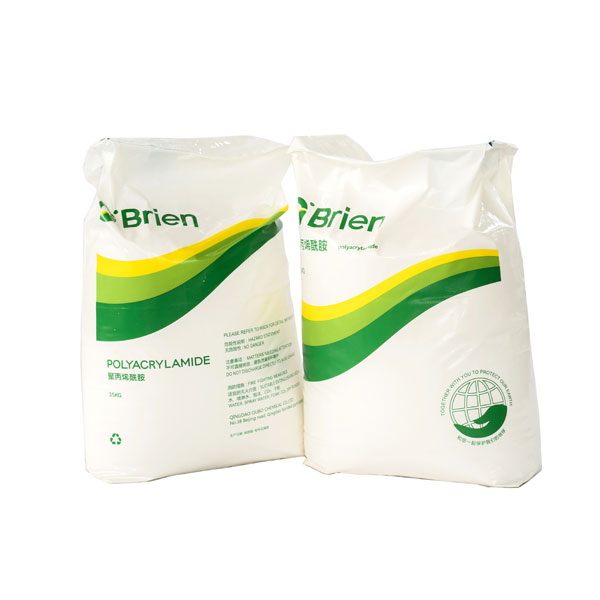
Standard 25kg Oubo printed bags equipped with double-layer moisture barrier liners.
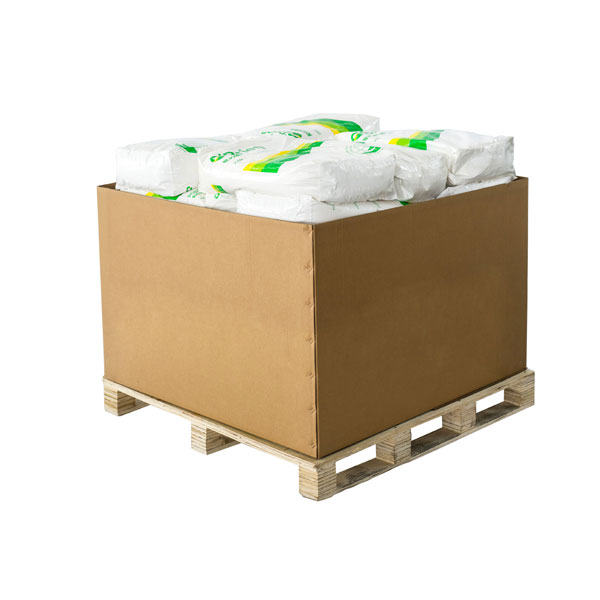
750kg – 1000kg heavy-duty bulk bags engineered for automatic dosing systems.
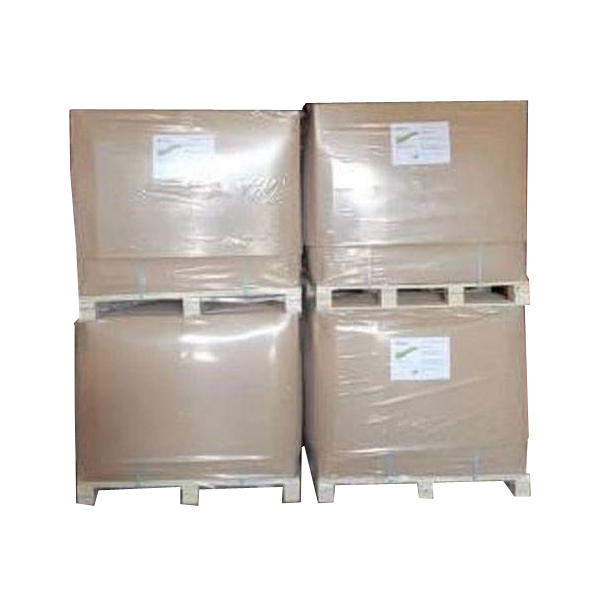
Fumigated wooden/plastic pallets wrapped in thermal shrink film for ocean container shipping.
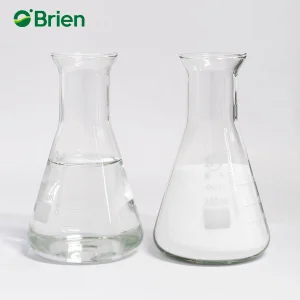
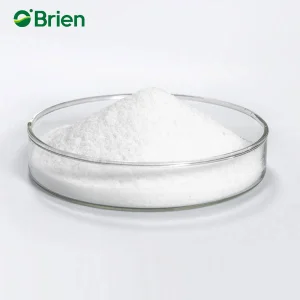
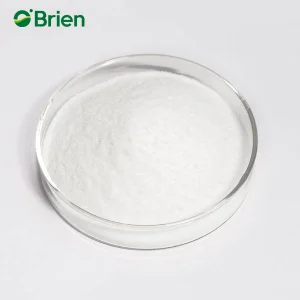
Explore Oubo's Full Spectrum of Anionic, Nonionic, and Cationic Flocculant Powders
Expert Polymer Science Insights on Dissolution, Dosing Ratios, and Selection Metrics
Selection depends on organic content and volatile solids ratio (VSS/TSS) in the sludge. Generally, primary sedimented sludge requires low-to-medium cationicity (15% - 30%), whereas excess activated biological sludge from pharmaceutical or food processing plants with high organic mass requires medium-to-high cationicity (40% - 60%). High-fat animal processing sludge often benefits from ultra-high cationicity (60% - 80%). We strongly advise conducting laboratory jar tests to evaluate floc size and filtration rate.
Standard make-down concentration ranges between 0.1% and 0.3% (w/v) using clean water (pH 6.0 - 8.0, temperature < 40°C). Water should be agitated dynamically creating a gentle vortex before gradually dispersing the powder to prevent "fish eyes" (undissolved gel agglomerates). Aging time typically requires 45 to 60 minutes of low-speed stirring (100 - 300 RPM). Avoid high-shear centrifugal pumps which rupture high-molecular-weight polymer chains.
Bio-enzymatic synthesis utilizes bacterial nitrilase enzymes to convert acrylonitrile into acrylamide at ambient temperature. This process operates without heavy metal copper catalysts, eliminating residual copper toxicity and unreacted monomer residues. The resulting monomer purity allows higher polymerization conversion, producing ultra-high molecular weight polymers with superior water solubility and minimal insoluble micro-gels.
When stored in its original sealed, moisture-proof packaging in a cool, dry, well-ventilated warehouse below 35°C, solid dry CPAM powder maintains full efficacy for up to 24 months. Prepared liquid polymer solutions, however, should ideally be consumed within 24 to 48 hours, as aqueous cationic polymer chains gradually undergo hydrolysis and viscosity loss over prolonged storage.
Oubo Chemical combines 50,000+ MT annual manufacturing scale, ISO9001 quality management certification, direct raw material partnerships with global giants like SINOPEC and Eni, and an integrated free-trade-zone logistics hub in Qingdao. Furthermore, our dedicated team of polymer engineers provides comprehensive pre-sale jar testing, chemical selection assistance, and continuous technical support.
 Oubo Chemical