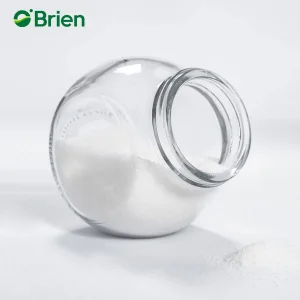
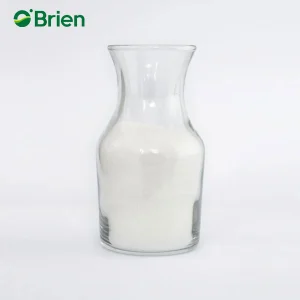
Explore our advanced catalog of Polyacrylamide (PAM) formulations. Engineered with precise molecular weights and targeted ionic charge densities, our polymers deliver superior solid-liquid separation, flocculation speed, and rheological control across diverse industrial sectors.
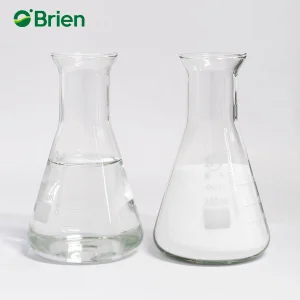
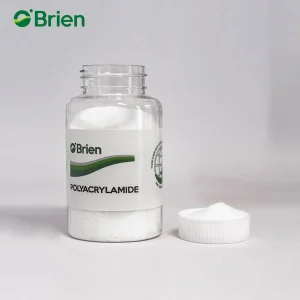
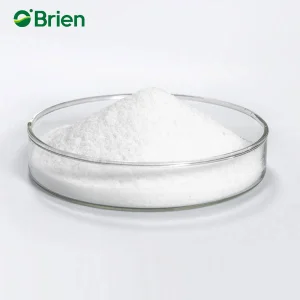
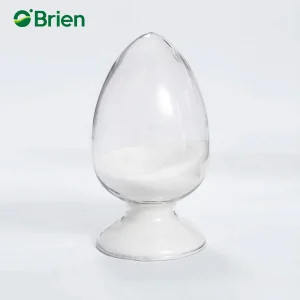
Qingdao Oubo Chemical Co., Ltd, established in 2011 and strategically positioned in the Free Trade Zone of Qingdao, China, stands as an internationally recognized leader in the synthesis, formulation, and global distribution of high-performance water-soluble polymers. Engineered around the versatile polymer backbone of Polyacrylamide (PAM, CAS 9003-05-8), our enterprise delivers mission-critical chemical solutions designed to resolve complex solid-liquid separation, rheology modification, and fluid recovery challenges globally.
Our operational framework integrates advanced biological enzymatic synthesis methods—a patented technology that drastically minimizes trace impurity profiles and residual monomer content while maximizing polymer chain linearity and ultra-high molecular weight retention. Operating within a strict Quality Control (QC) matrix certified to ISO9001:2008, Oubo Chemical sustains a consistent 10% annual business expansion by prioritizing operational precision, total supply chain integrity, and environmental stewardship.
To maintain operational transparency and guarantee reproducible field results, our dedicated Quality Assurance team subjected each production batch to a 3-stage validation testing procedure (Raw Material Assay, Polymerization Kinetics Monitoring, and Finished Product Multi-Parameter Analysis). Supported by a multi-disciplinary technical team spanning pre-sales feasibility testing, jar-test optimization, and post-sales process adjustment, our proprietary O'brien brand has earned long-term technical trust across North America, Europe, Asia-Pacific, and the Middle East.
Polyacrylamide (PAM) is a linear synthetic polymer derived from polymerized acrylamide ($CH_2=CH-CONH_2$) monomers. Its unmatched efficacy as a flocculant, coagulant aid, thickener, and drag reducer stems from the extensive availability of active amide groups ($-CONH_2$) along its backbone, which form strong hydrogen bonds with suspended particulate matter or create extended polymer networks in aqueous solutions.
Produced via the co-polymerization of acrylamide with acrylic acid or sodium acrylate, APAM carries a negative electrical charge along its polymer chain. It exhibits superior performance in binding positively charged inorganic particles, metallic hydroxides, and mineral suspensions.
Synthesized by co-polymerizing acrylamide with cationic monomers such as DAC (Acryloyloxyethyltrimethyl ammonium chloride) or DMC. CPAM exhibits positive ionic charges capable of neutralizing negatively charged organic colloids.
NPAM features a non-ionic homopolymer state with minimal hydrolysis, offering stability in highly acidic environments or high-salinity solutions where ionic charges are screened out. Mannich PAM incorporates cationic micro-amino modifications for specialized sludge handling.
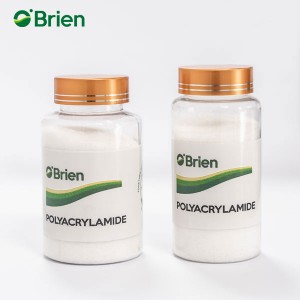
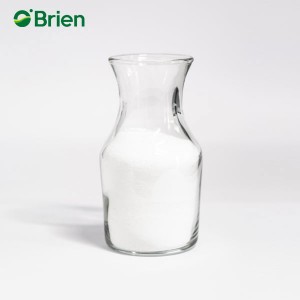
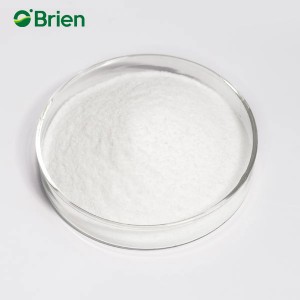
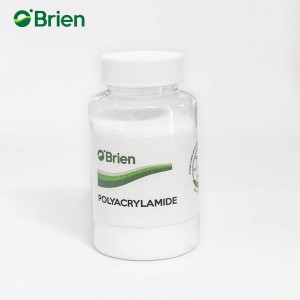
The global polyacrylamide landscape is undergoing a technological transformation driven by environmental regulations, water recycling mandates, and deep-well tertiary oil recovery projects. Buyers navigating PAM procurement must evaluate evolving trends that dictate long-term performance and total cost of ownership (TCO):
Legacy chemical catalytic routes utilizing copper catalysts frequently suffered from copper contamination and residual monomer impurities. Oubo Chemical utilizes third-generation microbial enzymatic catalysis (nitrile hydratase method). This biotechnology operates at ambient conditions, eliminating heavy metals and ensuring monomer purity over 99.9%, which directly translates into higher molecular weight polymers with pristine chain architecture.
Regulatory agencies such as the US EPA, European Chemicals Agency (ECHA under REACH), and international municipal drinking water standards mandate extremely low levels of unreacted acrylamide monomer ($AM$) due to health considerations. Oubo's refined polymerization techniques reliably reduce free monomer levels below 250–500 ppm, exceeding standard global specifications.
In Enhanced Oil Recovery (EOR) and deep-sea drilling operations, polyacrylamides encounter harsh geothermal environments and high divalent ion concentrations ($Ca^{2+}, Mg^{2+}$). Technical development in hydrophobically associating polyacrylamides (HAPAM) and sulfonate-modified monomers (AMPS) ensures solution stability under severe thermal and shearing stresses.
When procuring PAM products from China, chemical procurement managers must look beyond unit price per metric ton. True economic efficiency depends on active content percentage, dissolution speed, shear resistance, and required dosage per ton of dry solids. Lower-grade polyacrylamides often require 30–50% higher dosages, lead to incomplete dissolving (causing filter mesh clogging), and increase sludge disposal expenses.
| Polymer Parameter | Standard Market Grade | Oubo Chemical Premium PAM 90 | Operational Impact & Benefit |
|---|---|---|---|
| Synthesis Route | Chemical Copper Catalyst | Biochemical Enzymatic Method | Zero heavy metal ions; superior chain linearity and stability. |
| Residual AM Monomer | ≤ 500 - 1000 ppm | ≤ 250 - 500 ppm | Complies with strict environmental standards; safer handling. |
| Dissolution Speed | 60 – 90 Minutes | 40 – 50 Minutes | Saves plant energy, reduces aging tank footprint and preparation time. |
| Insoluble Content | ≤ 0.2% | ≤ 0.05% | Prevents spray nozzle clogging, pump damage, and filter cloth blinding. |
| Dosage Efficiency | Baseline Requirement | 15% - 30% Lower Consumption | Dramatically reduces chemical expenditure per m³ of treated fluid. |
Polyacrylamide acts as the primary driver in industrial solid-liquid separation processes, including primary clarification, dissolved air flotation (DAF), activated sludge settling, and final sludge dewatering. Stringent environmental discharge regulations push treatment facilities toward high-performance flocculation programs.
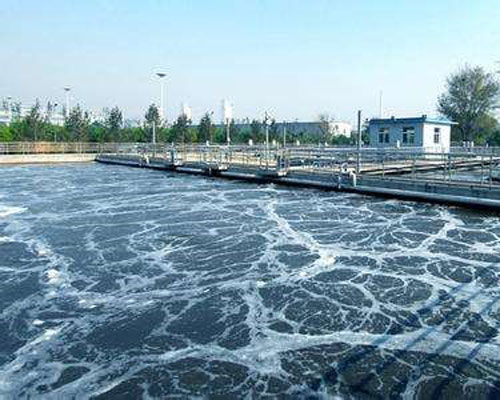
Industrial Clarification Tank
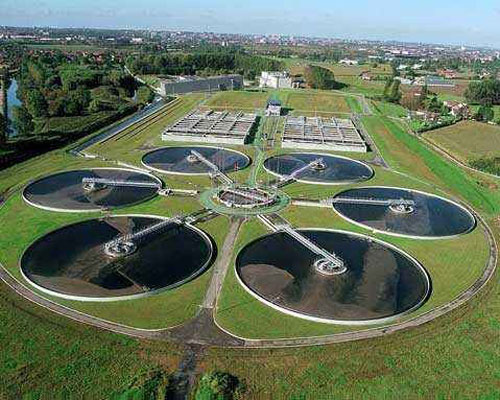
Sludge Dewatering Unit
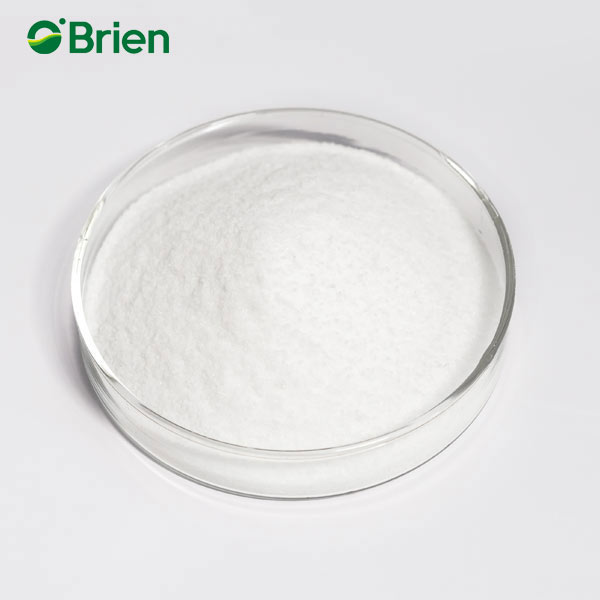
Effluent Flocculation
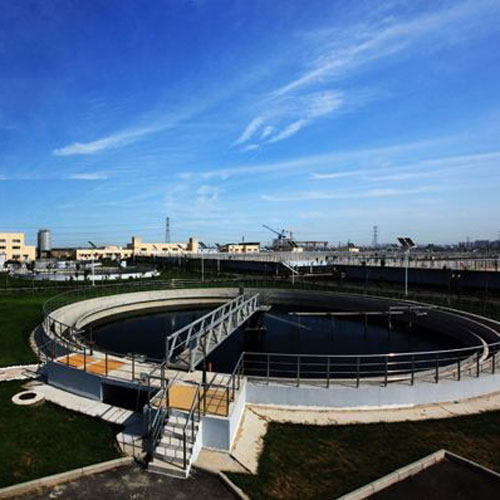
High-Speed Settling
For municipal sludge conditioning prior to belt filter presses, centrifuge decanters, or screw presses, Oubo's medium-to-high charge Cationic Polyacrylamide (CPAM) creates large, resilient flocs capable of withstanding intense mechanical shear. In industrial wastewater handling (leather, citric acid, tannery, pharmaceutical, electroplating, and chemical processing), our high-molecular-weight Anionic Polyacrylamide (APAM) neutralizes inorganic mineral suspensions, producing clear supernatant water for plant recycling.
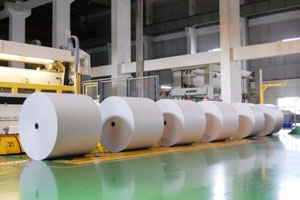
Modern paper machines operating at high wire speeds demand precise wet-end chemistry management. Oubo Chemical provides comprehensive paper chemistry polymers that serve four fundamental roles:
Retention & Drainage Aids
Improves the retention rate of fine fibers, titanium dioxide ($TiO_2$), and calcium carbonate ($CaCO_3$) fillers. Enhances wire dewatering speeds, lowering steam consumption in the drying section.
Dry & Wet Strength Agents
Cationic and amphoteric polymers ionically bond directly to cellulose fibers. Hydroxyl-to-amide hydrogen bonding dramatically increases burst strength, tensile index, and ring crush strength.
Anionic Trash Neutralizers & Dispersants
Neutralizes dissolved organic anionic garbage in closed-loop white water systems. Ultra-high molecular weight NPAM acts as a fiber dispersant for specialty tissue and ultra-thin paper grades.
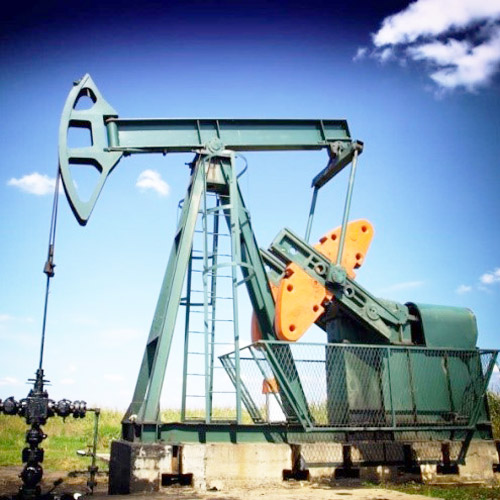
In upstream petroleum engineering, Oubo Polyacrylamide serves as a high-performance functional chemical in primary, secondary, and tertiary oil recovery:
High molecular weight APAM (up to 25 Million Daltons) increases injected water viscosity, reducing water-oil mobility ratios. This sweeps residual crude oil out of low-permeability rock formations, boosting well yields significantly.
Functions as a shale inhibitor, fluid loss reducer, and viscometer in water-based drilling muds. Lubricates the drill bit string, coats wellbore walls to prevent cave-ins, and efficiently lifts heavy rock cuttings to the surface.
Serves as a friction reducer (slickwater agent) in hydraulic fracturing pumps, dropping turbulent fluid friction by up to 70-80%. Facilitates proppant transport while clarifying bitumen extraction tailings water in oil sands operations.

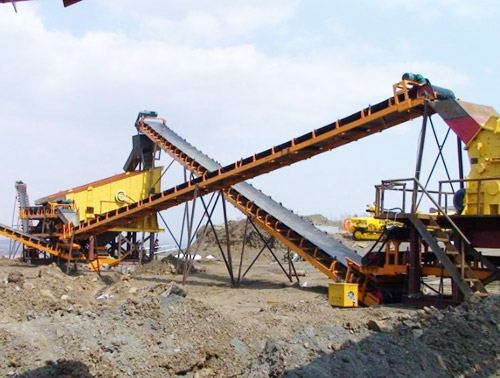
Efficient mineral processing requires rapid liquid-solid separation in thickeners, clarifiers, and filtration units. Oubo PAM products are tailored to match specific mineral surface charges across diverse extraction activities:

Coal Washing & Slurry Dewatering
Accelerates coal fine slurry settling in thickeners and improves vacuum filter cake dryness for clean coal recovery.
Tailings Dewatering & Paste Backfill
Consolidates fine mineral tailings, clarifying process water for 100% recycling while generating high-density paste for underground mine backfilling.

Gold, Copper, Iron & Nickel Hydrometallurgy
Promotes rapid solid settling in acid leach, pregnant solution clarification, and counter-current decantation (CCD) circuits.
Beyond primary sectors, Oubo chemical polymers play crucial roles in food processing and textile manufacturing:
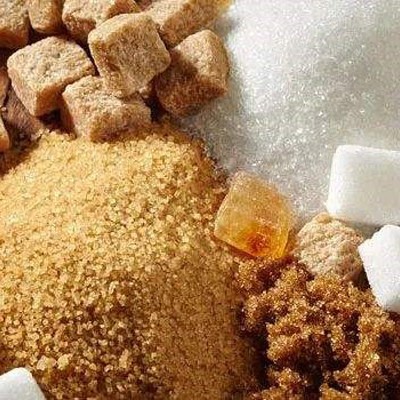
Sugar Cane & Beet Refining
Accelerates raw juice clarification and syrup flotation, yielding higher sugar clarity and purer crystallization.
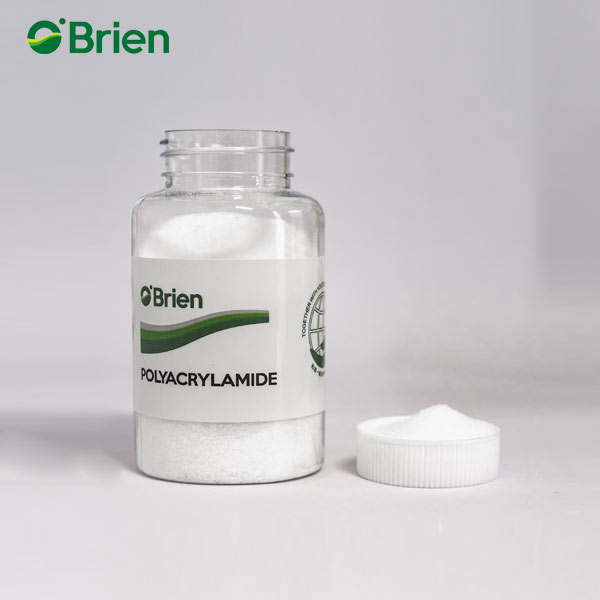
Sugar Mud Dewatering
Dewaters phosphotation and carbonatation muds cleanly with food-grade compliant polymers.
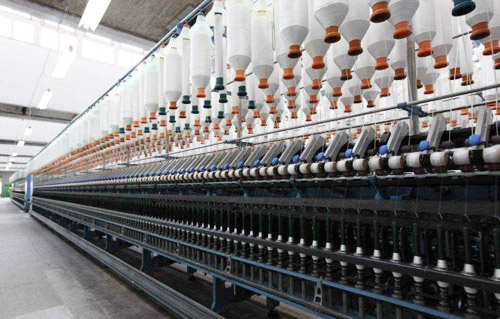
Textile Sizing & Finishing
Serves as a warp sizing agent providing a smooth protective film, reducing yarn breakages during high-speed weaving.
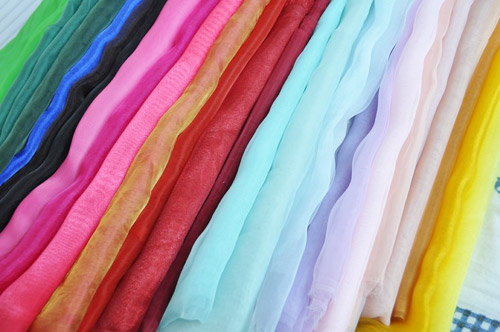
Dyeing Effluent Treatment
Decolorizes heavily pigmented textile wastewater while removing suspended organic dyes effectively.
To protect solid polyacrylamide granules against moisture absorption, humidity lump formation, and chemical degradation during ocean transport, Oubo Chemical enforces standardized industrial packaging options:
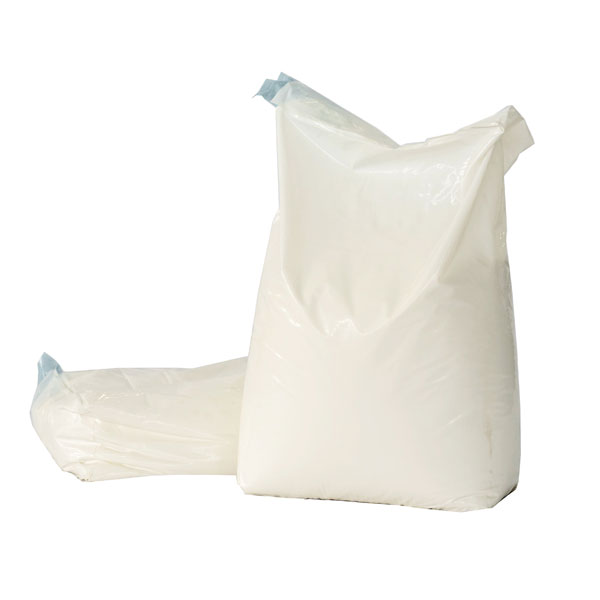
Ideal for OEM distributors requiring clean private-label re-branding.
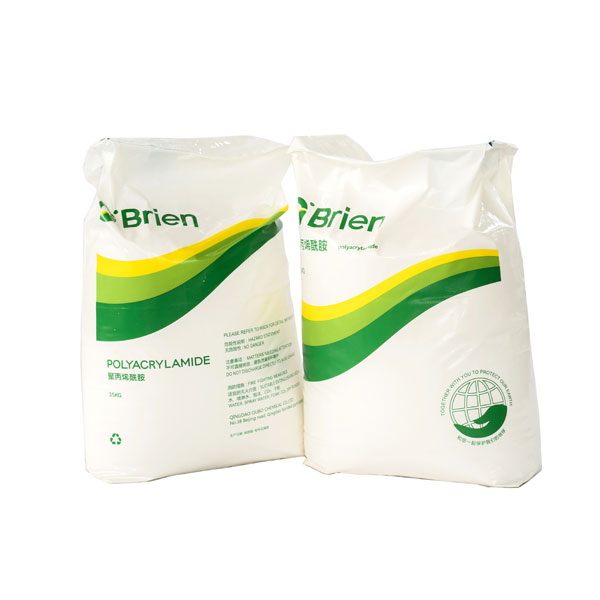
Multi-layer paper-plastic composite bag with inner PE moisture barrier.
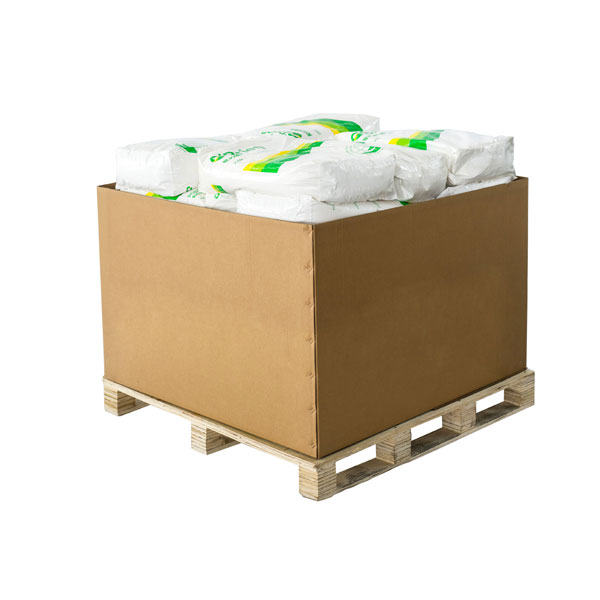
Heavy-duty woven polypropylene FIBC bags for automated continuous dosing systems.
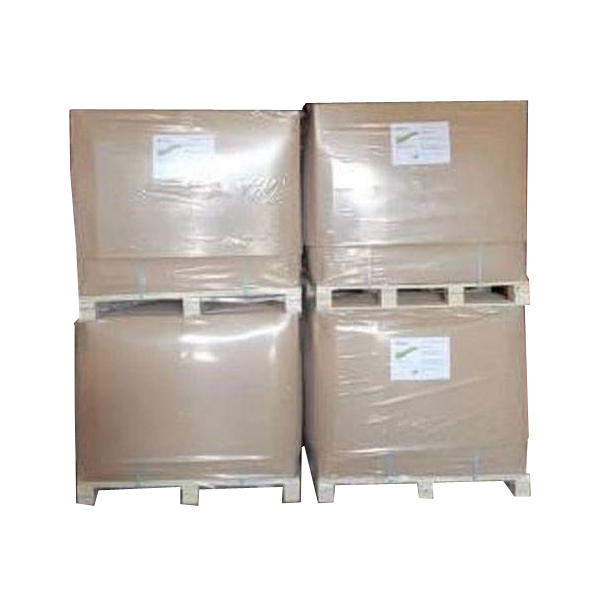
Fully film-wrapped palletized loads ensuring container handling stability and weather protection.
As global environmental, social, and governance (ESG) regulations tighten, Oubo Chemical is executing a forward-looking technological roadmap focused on sustainable polymer chemistry:
Utilizing renewable solar powered energy systems across our Qingdao synthesis facility, paired with energy-efficient bio-catalytic monomer conversion, reducing Scope 1 and Scope 2 carbon emissions per ton by 22% by 2026.
Pioneering secondary post-polymerization stripping technologies aimed at driving unreacted monomer residuals below 100 ppm, enabling seamless compliance with drinking water regulations worldwide.
Partnering with automated water plant integrators to deliver intelligent polymer dosing control algorithms that adjust chemical feed rates in real time based on incoming turbidity, zeta potential, and flocs size analysis.
Select from our additional series of high-performance polyacrylamides engineered for sludge dewatering, mining tailings settling, paper wet-end retention, and harsh oilfield environments.
 Oubo Chemical